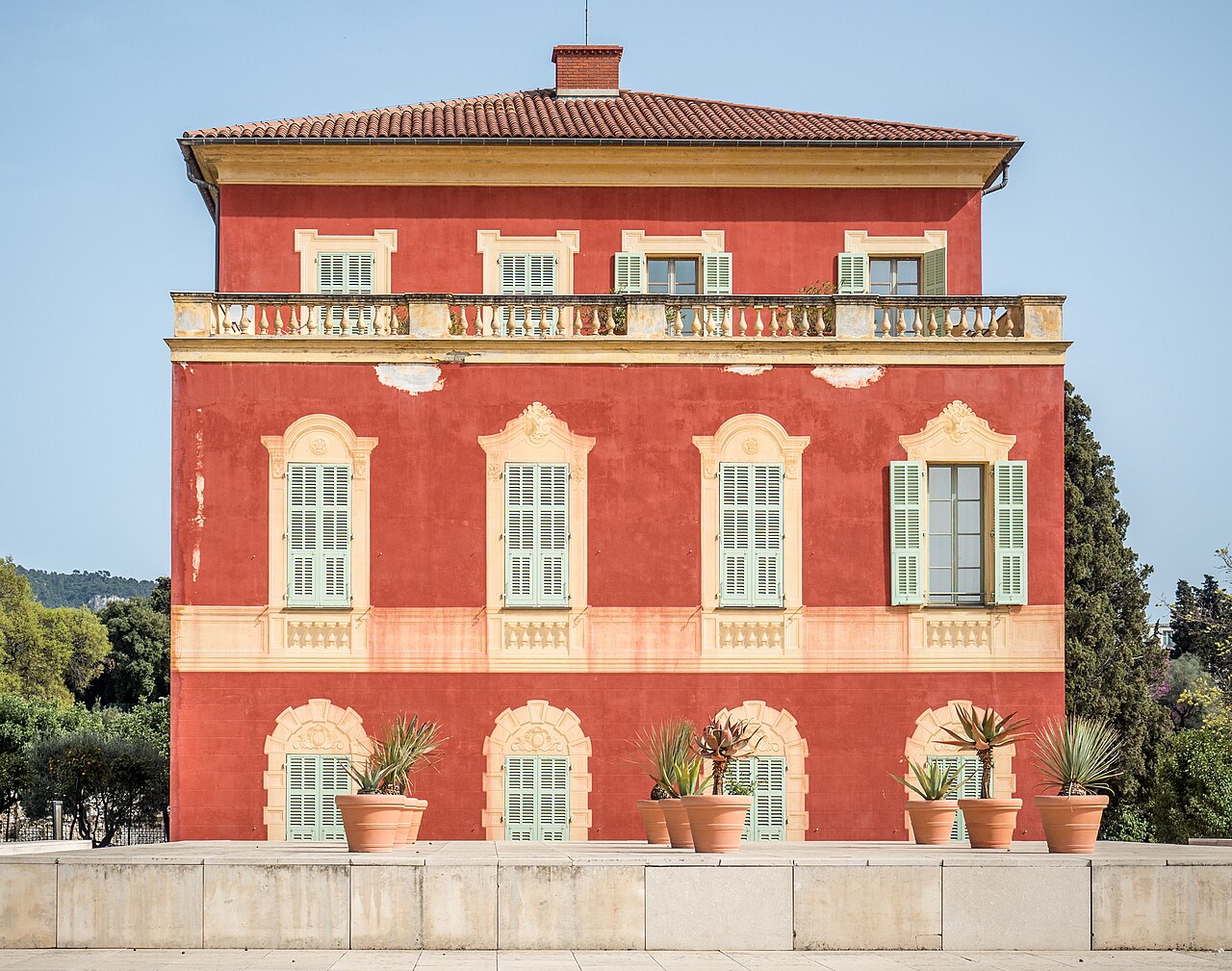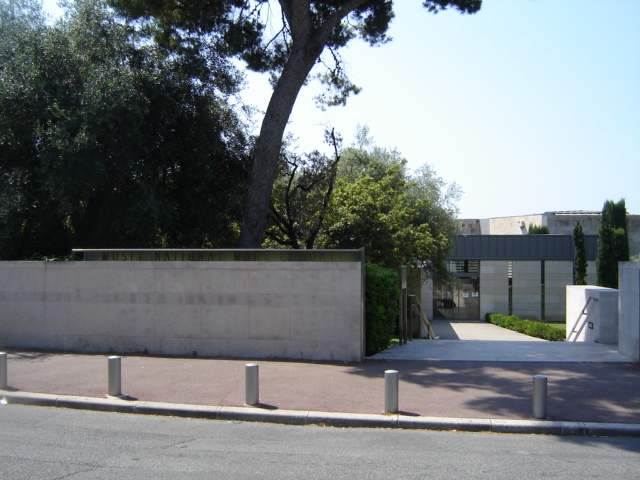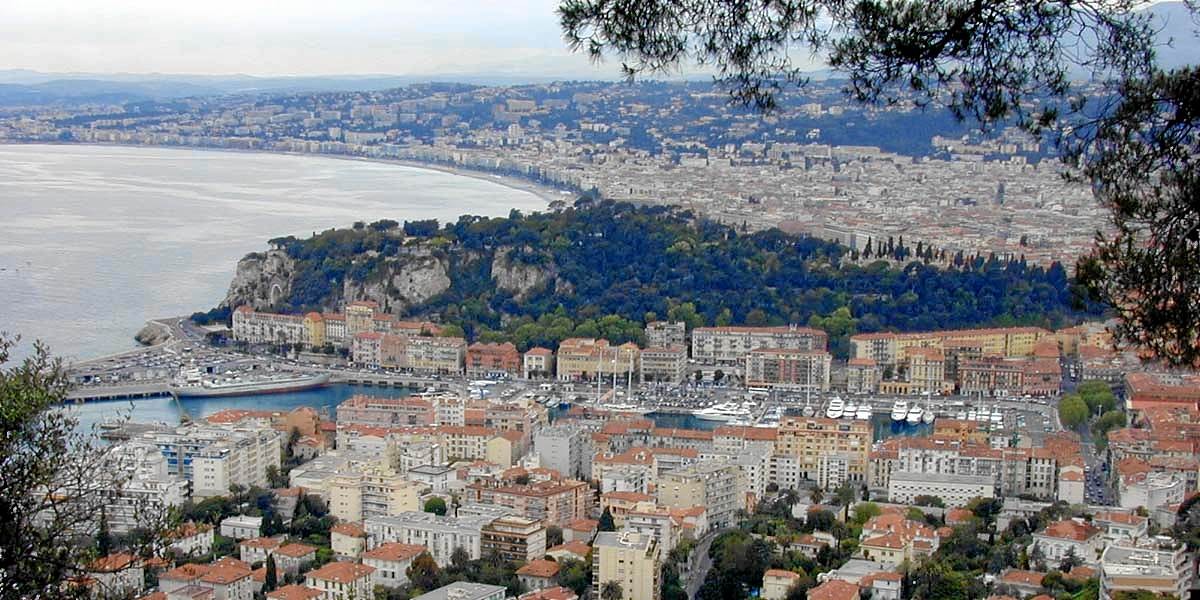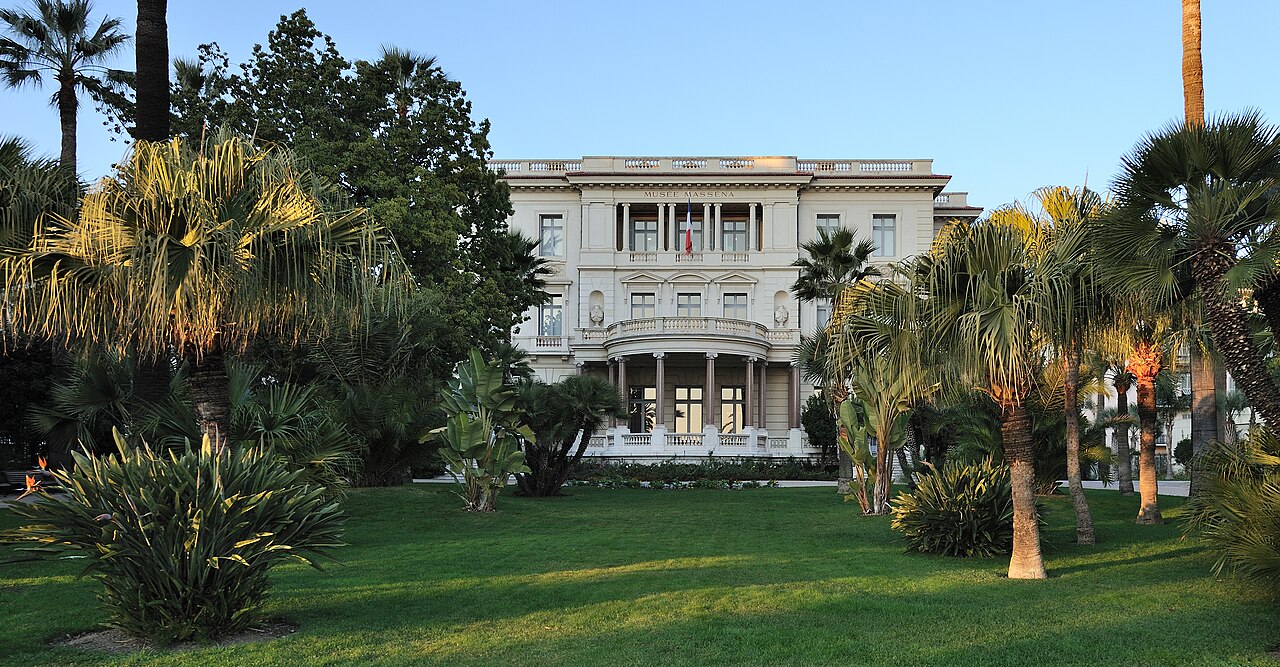
Cimiez is the green, residential hill north of the city centre, and it is where the history of Nice goes deepest. Two thousand years ago the Roman town of Cemenelum stood here, capital of the province of the Maritime Alps, and its ruins still lie under the olive trees: a small amphitheatre, the arènes, and the remains of public baths, now part of the archaeological museum and site. The Jardin des Arènes around them is a broad public park of old olive trees, lawns and benches, much loved by local families and dog walkers; for years it hosted the Nice Jazz Festival. At the far end of the park, the Franciscan monastery of Cimiez has been home to friars since the sixteenth century; its church holds remarkable late-medieval altarpieces by the Bréa brothers of Nice, and a small museum tells the Franciscan story. The monastery garden, laid out as an Italian-style terraced garden of nearly a hectare, is one of the loveliest free places in Nice: pergolas of roses, citrus and clipped hedges, with a panoramic view from its terrace over the Paillon valley, the city, Castle Hill and the sea. Beside the monastery, the cemetery of Cimiez is the resting place of Henri Matisse and of the painter Raoul Dufy, and many visitors come to pay their respects. The Musée Matisse, covered separately, stands in the red Genoese-style villa in the middle of the park, and the Musée Chagall is on the way up the hill. The park and gardens are free and open daily, with shorter hours in winter.
A morning on the hill: take a city bus up from the centre, or walk up the boulevard de Cimiez past its grand Belle Époque hotels-turned-apartments, including the vast former Excelsior Régina where Queen Victoria stayed. Visit the Musée Chagall on the way if you like, then the Musée Matisse, and leave time for the monastery garden and church. The view from the garden terrace is best in the morning light. Allow two hours for the gardens, church and cemetery, more with museums.
Practical notes: the gardens are open daily during daylight hours and close earlier in winter; the church is a place of worship, so visit quietly outside services. The archaeological museum and Roman site charge a modest fee and have their own opening days. The cemetery is small and calm; Matisse's grave is simple and easy to find with directions from the entrance. There are few cafés on the hill, so bring water or plan lunch back in town. If you are coming for Matisse, combine the grave with the Musée Matisse a few minutes' walk across the park, which holds works from every period of his life in Nice; together they make a moving half-day. The olive grove is at its best in late afternoon, when locals play pétanque under the trees and the light turns golden across the Roman stones.
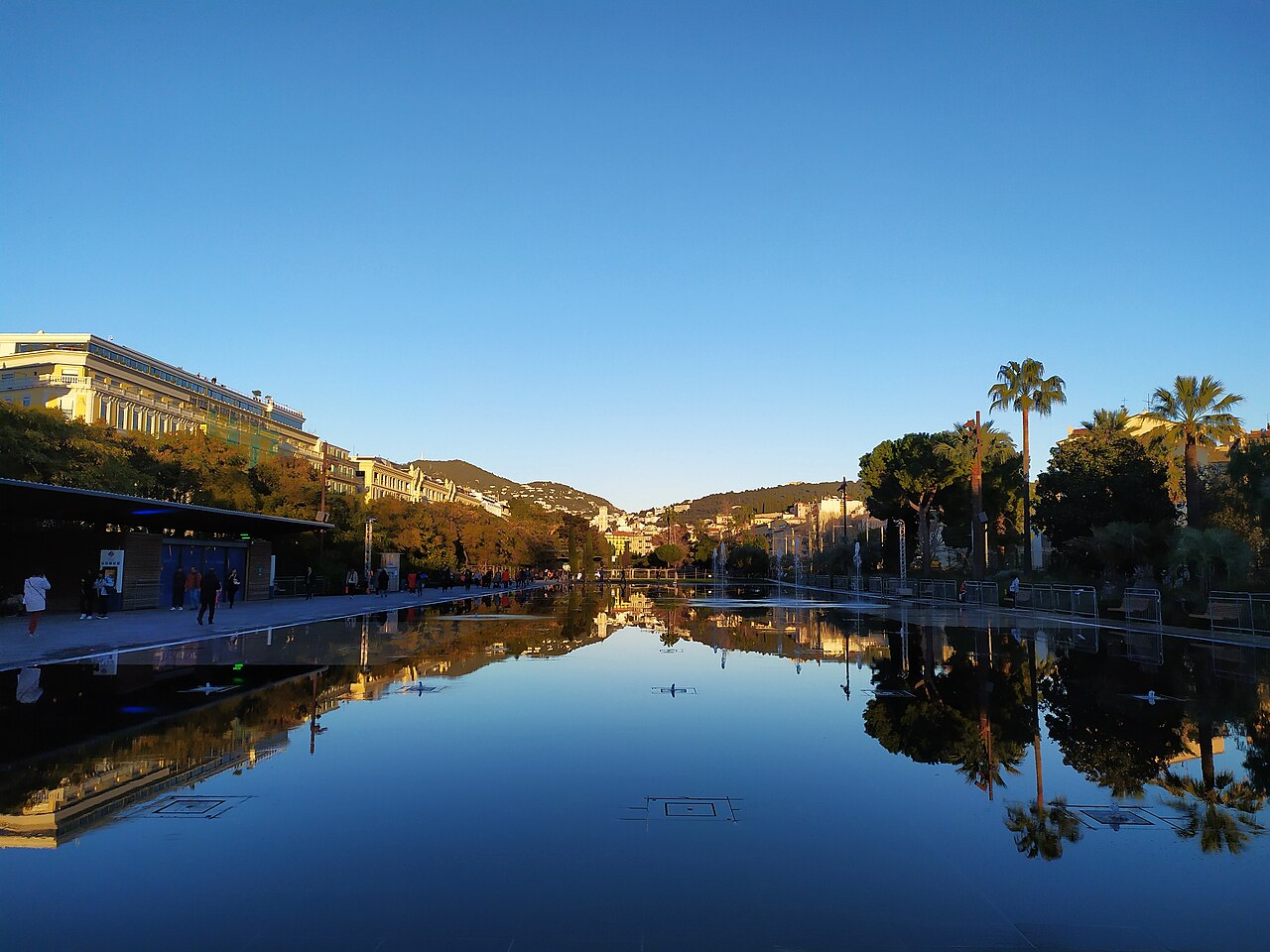
Who it suits: art lovers following Matisse, families who want a big shady park with space to run, and anyone who needs a calm morning away from the seafront. It is also one of the best places to understand how Nice grew, from Roman hill town to medieval port and royal winter resort. Combine with the Promenade du Paillon on the way back down, or with the Matisse Chapel in Vence for a full Matisse day.
What to expect
The experience
Free public gardens on a historic hill: an olive grove around a Roman amphitheatre, a terraced monastery garden with views, a Franciscan church and the cemetery where Matisse is buried.
Best time
Morning, for the light on the city from the monastery terrace. Gardens close earlier in winter.
How long
About two hours; half a day with the Matisse and Chagall museums.
Tips
Take the bus up and walk down. Visit the church quietly. The archaeological museum is separate and paid.
Quick picks
- Best for
- A calm, green morning combining history, art and views.
- Families
- Big shady park with lawns, olive trees and space to play.
- Couples
- The rose pergolas and terrace view of the monastery garden.
- Pair with
- The Musée Matisse and Musée Chagall; the Promenade du Paillon on the way down.
- Time needed
- Two hours to half a day.
Good questions
Is the Cimiez monastery garden free?+
Yes, the garden of the Monastère de Cimiez is a free public garden, open daily, with a panoramic view over Nice and the sea.
Where is Matisse buried?+
In the cemetery of Cimiez, beside the monastery, where the painter Raoul Dufy is also buried.
Can you see Roman ruins in Nice?+
Yes. The Roman town of Cemenelum stood on the Cimiez hill; the amphitheatre is in the free Jardin des Arènes and the baths are part of the paid archaeological museum and site.
How do I get to Cimiez?+
By city bus from the centre in about fifteen to twenty minutes, or on foot up the boulevard de Cimiez in about thirty to forty minutes.
Is there a café on the hill?+
Options are limited, so bring water or plan to eat back in the centre.