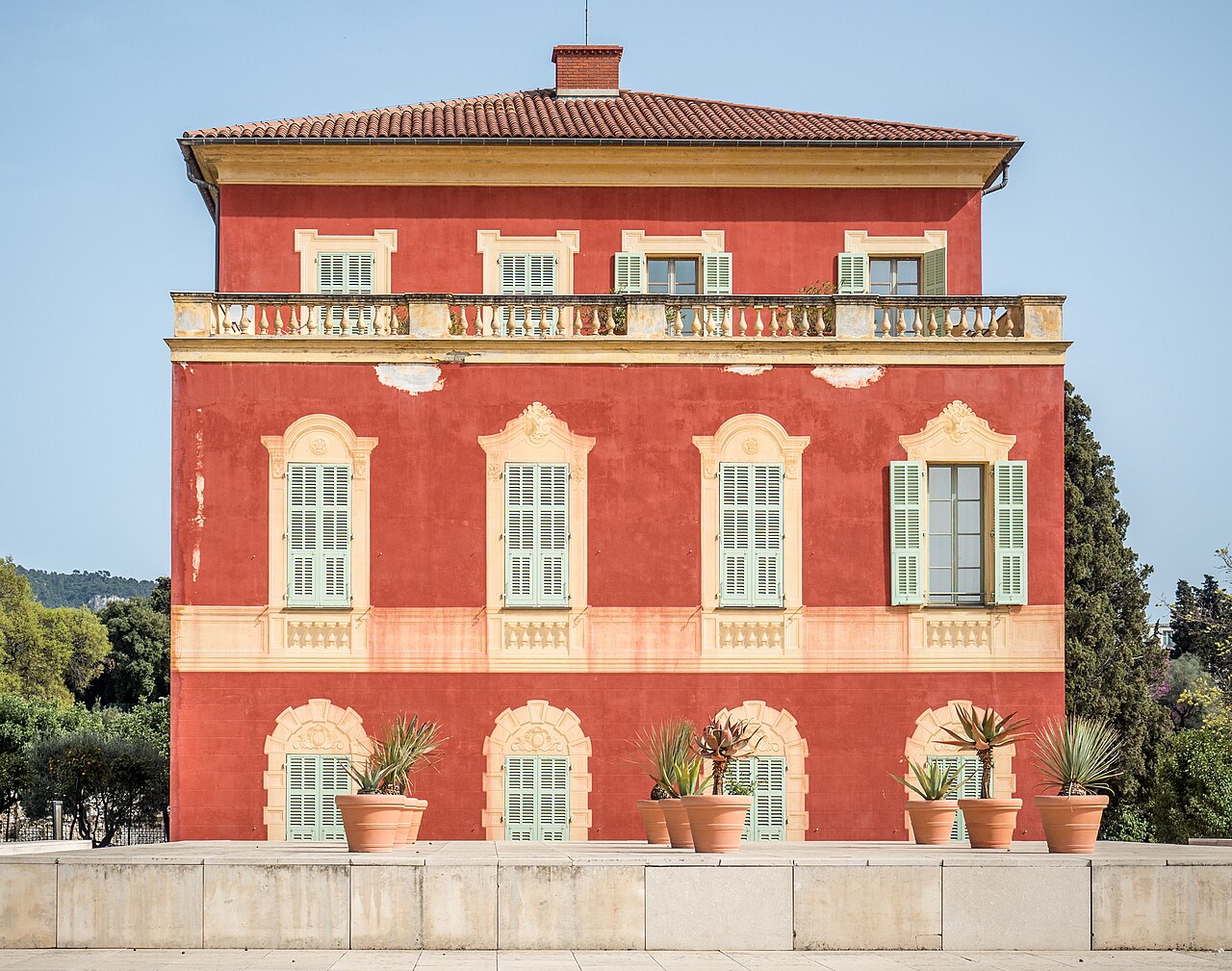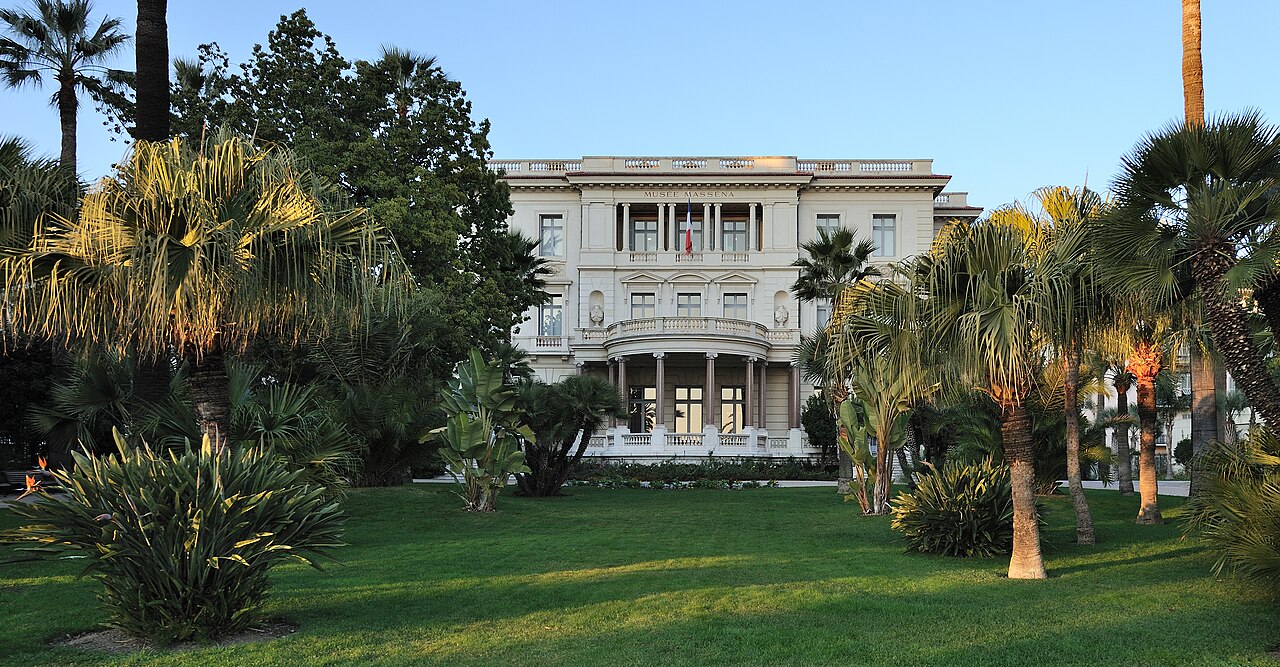
If you want to understand how a small Piedmontese port became the winter capital of Europe, the Musée Masséna is the place. It occupies a grand Italianate villa built at the turn of the twentieth century for Victor Masséna, prince of Essling and grandson of André Masséna, the Nice-born marshal of Napoleon. The villa passed to the city after the First World War and became its museum of art and history, labelled a Musée de France. The ground floor keeps the reception rooms of a rich Riviera villa, with gilded salons, Empire furniture and portraits, and you feel immediately the world of the Promenade des Anglais in its heyday. Upstairs, the collections tell the story of Nice from the late eighteenth century to the early twentieth: the brief French occupation and return to Savoy, Napoleon and the Masséna family, Garibaldi, born in Nice, the 1860 annexation to France, and then the explosion of tourism, with paintings of the bay before the hotels, posters for the railways and the Carnival, costumes, photographs and souvenirs of the British and Russian aristocracy who wintered here. It is the perfect context for everything else you see in the city. The museum also mounts temporary exhibitions; from 1 November 2026 to 28 February 2027 the theme is Nice and its gardens. The villa's own garden, facing the sea beside the Hôtel Negresco, is a free public park, and in winter it is one of the nicest places on the Promenade to sit in the sun. The museum is closed on Tuesdays, admission is moderate, under-18s enter free, and a multi-day pass covers all municipal museums.
Visiting: allow an hour to ninety minutes. Start with the reception rooms on the ground floor, which are the best preserved, then climb to the history galleries. Labels are mostly in French, so it helps to read up on the outline of Nice's history: part of the County of Nice under the House of Savoy for centuries, briefly French during the Revolution and Napoleonic era, then Savoyard again until the plebiscite of 1860 made it French for good. The Carnival section, with its posters and costumes, is a good warm-up if you are in town in February for the 2027 Carnival (9 to 28 February). The Riviera tourism rooms show how the English invented the winter season and the Russians followed.
Practical details: from November to April the museum opens in the late morning and closes at 6pm; from May to October it opens an hour earlier. It is closed on Tuesdays and on a few public holidays. Under-18s enter free, and the French Riviera Pass includes it. If you plan to visit Matisse and other municipal museums, the multi-day municipal pass can be good value. There is a gift shop but no café; the cafés of the rue de France and the Negresco's own bar are steps away.
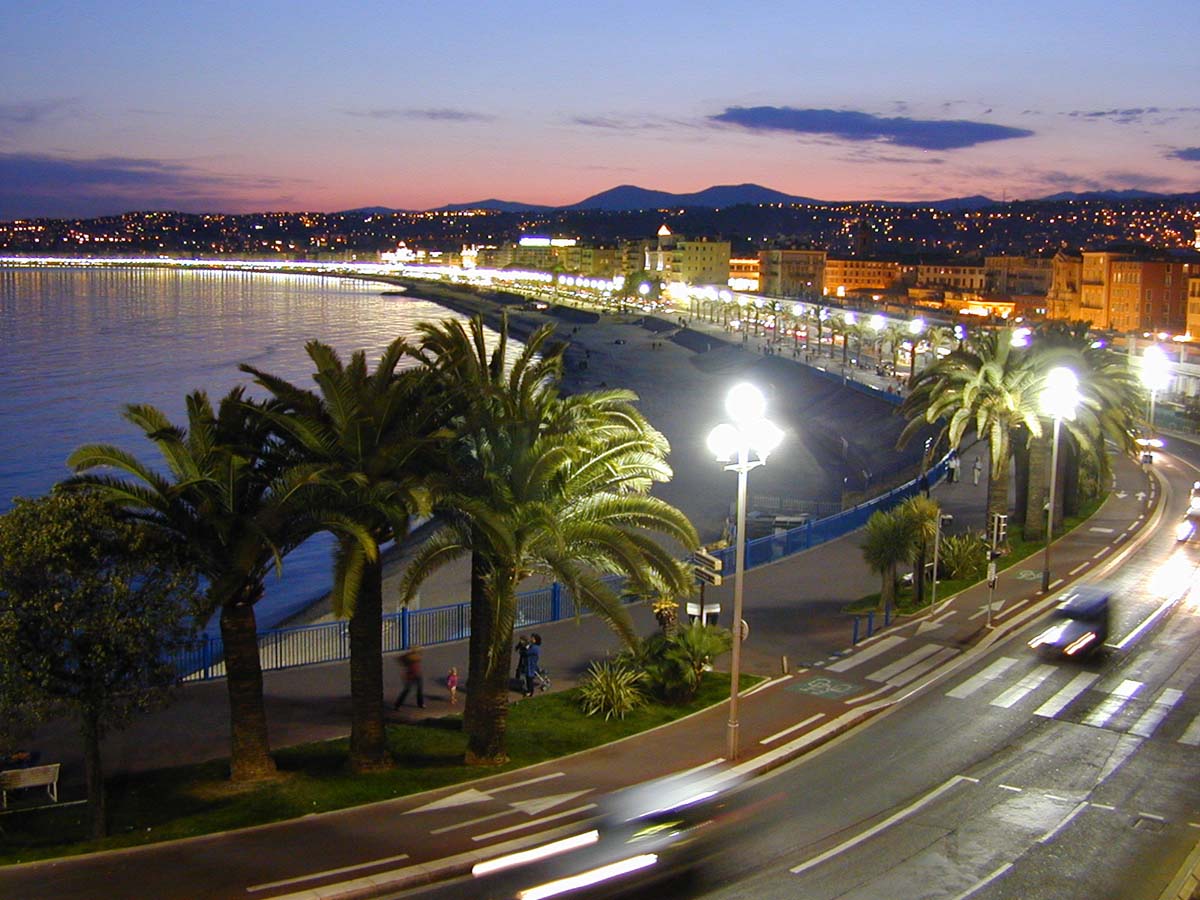
Pairing: the museum sits at the western end of the central Promenade, so it combines naturally with a walk along the seafront, a drink at the Negresco next door and the Russian Orthodox Cathedral, a fifteen-minute walk inland. Families will find the garden and the beach opposite as appealing as the galleries; history lovers can easily spend half a day here. It is one of the city's best rainy-day options.
What to expect
The experience
A city history and art museum in a Belle Époque villa, with period salons, galleries on Nice, Napoleon, Garibaldi, the Carnival and Riviera tourism, plus temporary shows.
Best time
Any day except Tuesday; a good choice for a rainy afternoon. Winter hours start late morning.
How long
An hour to ninety minutes.
Tips
Under-18s free. Consider the municipal museum pass if visiting Matisse too. The garden in front is free and lovely in winter sun.
Quick picks
- Best for
- Understanding Nice: the best single introduction to the city's history.
- Families
- Under-18s enter free, and the seafront garden is right outside.
- Couples
- A cultural hour, then a drink at the Negresco next door.
- Pair with
- The Promenade des Anglais and the Russian Orthodox Cathedral.
- Time needed
- An hour or two.
Good questions
What is in the Musée Masséna?+
The history of Nice and the Riviera from the late eighteenth to the early twentieth century: period salons, Napoleon and the Masséna family, Garibaldi, the 1860 annexation, the Carnival and the rise of winter tourism.
When is the Musée Masséna open?+
Every day except Tuesday. From November to April it opens in the late morning until 6pm, and from May to October an hour earlier.
How much does it cost?+
Admission is moderate, under-18s enter free, and it is included in the French Riviera Pass and a multi-day pass for Nice's municipal museums.
Is the garden free?+
Yes, the garden of the Villa Masséna facing the Promenade des Anglais is a free public park.
Is there a current exhibition?+
From 1 November 2026 to 28 February 2027 the museum presents an exhibition on Nice and its gardens.