Nobody expects to find Moscow ten minutes from Nice station, which is exactly why the Cathédrale Saint-Nicolas stops people in the street. Its six domes, in green, gold and glazed ceramic, with walls of pale brick and grey stone and bands of colourful tile, were inspired by the traditional churches of Moscow and Yaroslavl, and when it was consecrated in 1912 it was among the largest Russian Orthodox churches outside Russia. It stands as a memorial to the nineteenth-century Russian colony on the Riviera, which wintered in Nice in such numbers that the tsarist court built churches, villas and a whole social season here. The site itself carries a sad story: the heir to the Russian throne, the Tsarevich Nicholas Alexandrovich, died in Nice in 1865, and a small memorial chapel stands in the garden near the place where he died. Tsar Nicholas II supported the construction of the cathedral, and its name honours both Saint Nicholas and that family history. Inside, the space is tall and dim, lit by candles and the glow of gold: a wall of icons on a richly worked metal and carved wooden iconostasis, painted frescoes, and the smell of incense. It is an active place of worship, so dress modestly, keep voices low and do not photograph services. Visitors pay a modest fee for entry or for a short guided tour of about half an hour, available in English, which explains the iconography and the history of the Russian community. A more complete visit includes the crypt and its treasury. The cathedral is open daily, and its garden, with palms and the memorial chapel, is part of the pleasure.
A little history: by the 1860s Nice was one of the favourite winter resorts of the Russian aristocracy, and the empress herself spent winters here. After the young tsarevich died in a villa on this estate, the family bought land for a memorial, and the cathedral followed as the Russian colony outgrew its first church in the city centre. The building has been through difficult times: after the revolution it was run by an émigré association, and a long legal dispute in the 2000s ended with the Russian state recognised as owner. An extensive restoration in the mid-2010s cleaned the façades, restored the domes and refreshed the interior, and it looks better now than it has for decades.
Visiting well: allow about forty-five minutes. The guided tour is short and genuinely useful if you are not familiar with Orthodox churches, because the guide explains how to read the iconostasis, the role of the different icons and the symbolism of the domes. Women may want to bring a scarf; shorts and bare shoulders are frowned upon, and men may not enter shirtless. Staff can refuse entry if the rules are not respected. Photography without flash is usually tolerated outside services, but always ask. Services with the choir are moving if you happen to be there, but they are not a tourist event.
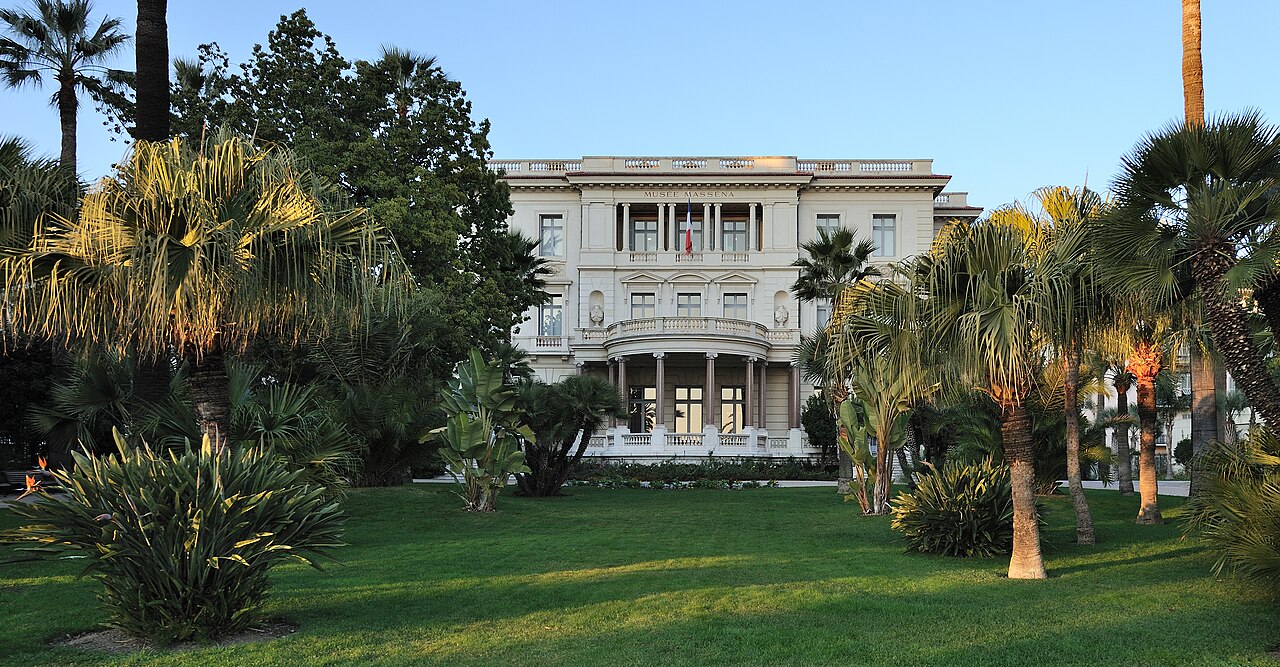
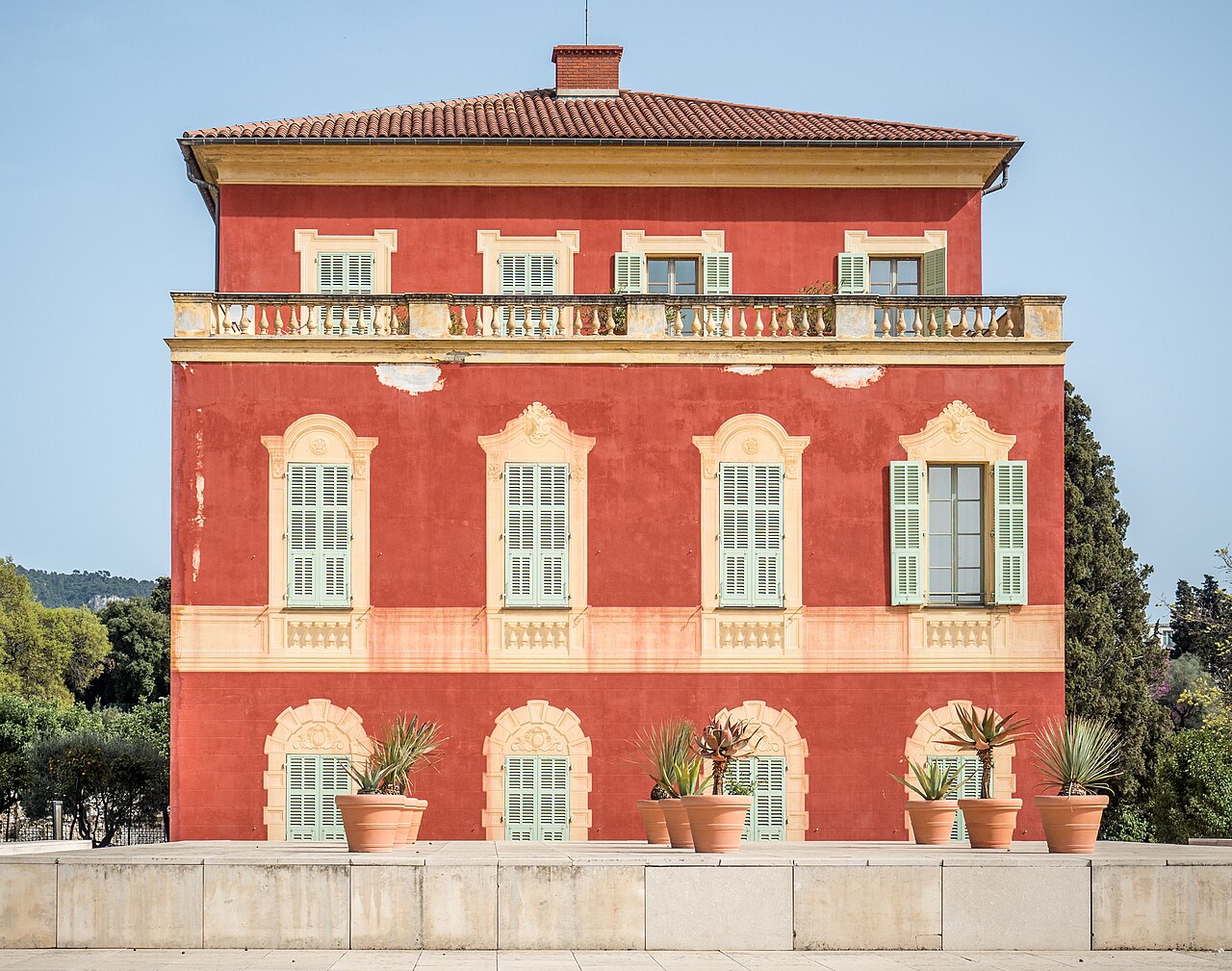
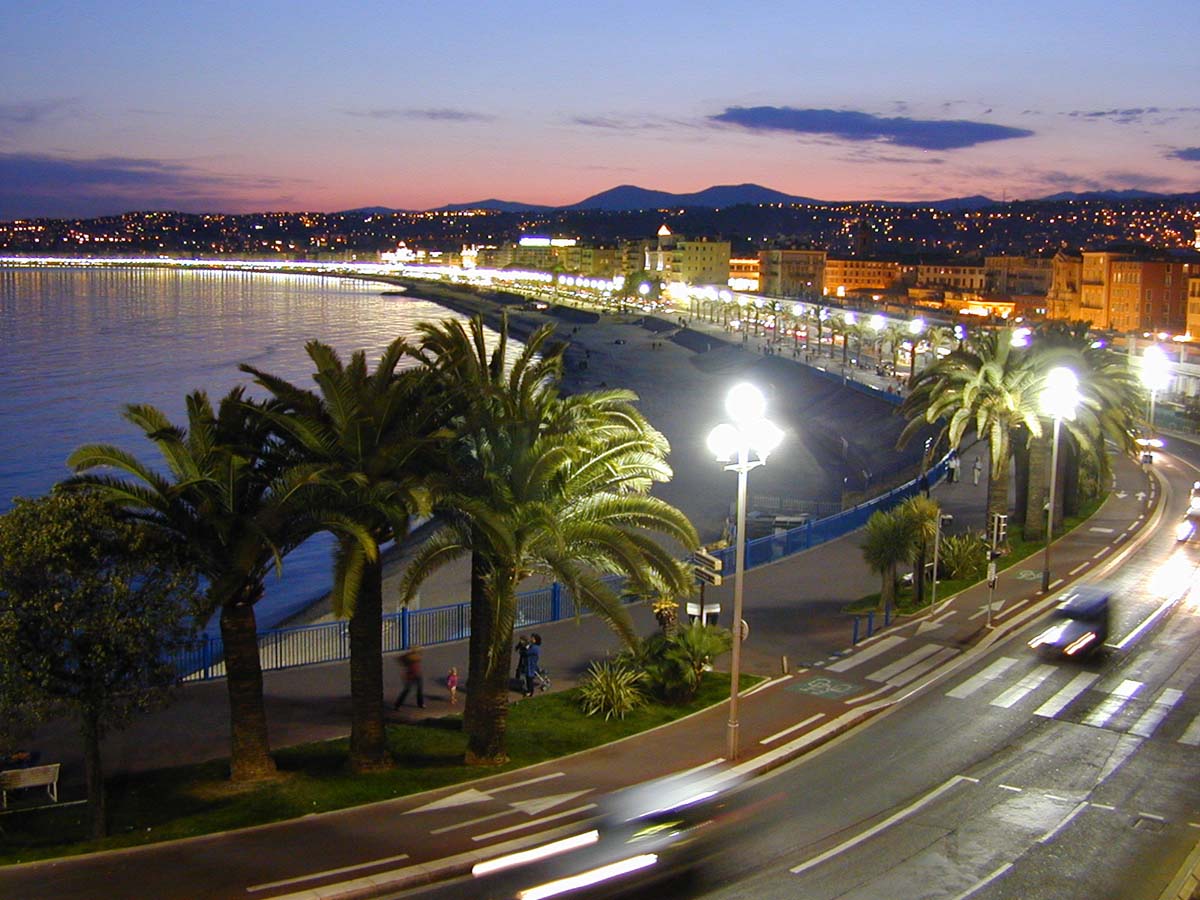
Getting there and pairing: the cathedral is on the boulevard du Tzaréwitch, a short walk west of Nice-Ville station through the residential Saint-Philippe and Tsarévitch districts, where you can still spot Belle Époque villas from the Russian era. It works well at the start or end of a day when you arrive or leave by train, or as part of an afternoon that continues down to the Promenade des Anglais and the Musée Masséna, which tells the story of the Riviera's winter society. For photographers, the domes look best in the late afternoon light.
What to expect
The experience
A working Orthodox cathedral with a modest entry fee and short guided tours in English, plus a garden with the tsarevich's memorial chapel.
Best time
Late afternoon for the light on the domes; avoid service times if you want to look around freely.
How long
About forty-five minutes with the guided tour.
Tips
Cover shoulders and knees; bring a scarf. No photos during services. Easy to combine with arriving or leaving by train.
Quick picks
- Best for
- Architecture fans and anyone curious about Nice's Russian past.
- Families
- Short and striking; children like the domes, though the interior calls for quiet.
- Couples
- A surprising, atmospheric stop on a walk from the station to the sea.
- Pair with
- The Musée Masséna and the Promenade des Anglais.
- Time needed
- Under an hour.
Good questions
Is the Russian Orthodox Cathedral in Nice open to visitors?+
Yes, it opens every day to visitors, with a modest fee. It is an active place of worship, so visits pause during services and a dress code applies.
Is there a guided tour in English?+
Yes, short guided tours of about half an hour are offered in French, English and Japanese, covering the cathedral and the tsarevich's memorial chapel.
What should I wear?+
Modest clothing: covered shoulders and no shorts are advisable, and men may not enter shirtless. Women may wish to bring a scarf.
When was the cathedral built?+
It was built in the early twentieth century and consecrated in 1912, as a memorial to the Russian community that wintered on the Riviera and to the Tsarevich Nicholas Alexandrovich, who died in Nice in 1865.
How do I get there?+
It is on the boulevard du Tzaréwitch, about ten minutes on foot west of Nice-Ville station.