Katsuren Castle crowns a limestone hill on the Katsuren Peninsula, about a hundred metres above the fishing port below, and it is one of the most dramatic of Okinawa's gusuku. The castle was the base of the lord Amawari, a powerful figure of the fifteenth century who built his strength on overseas trade and then rebelled against the Ryukyu court after the death of King Sho Hashi. The castle fell in 1458, and Amawari died in the fighting. Some tellings paint him as a traitor and others as a wise and ambitious king, and the story is still told in local drama and fiction, along with the legend of his wife. What you see today is a series of stone enclosures stepping up the hill, divided by walls and linked by narrow gates, with a summit compound that looks across the sea. It is part of the World Heritage inscription for the Gusuku Sites and Related Properties of the Kingdom of Ryukyu.
The climb is the main physical effort. Steep stone stairs wind up through the enclosures, and the steps can be slippery after rain, so wear shoes with grip and take your time. At the top the reward is a sweeping view over Minamihara, the bridges that connect the Katsuren Peninsula to its islands, and the open Pacific, and the walls around you show how the builders shaped the hill rather than fighting it. A visitor centre nearby explains the history. Confirm the hours, any entry charge and any notices for your date before you travel.
Allow about an hour for the castle itself, more if you add the surrounding area. The ruins are in the Uruma area on the east side of the island, roughly an hour from Naha by car. Buses run from Naha, but the journey is long, so most visitors drive and combine Katsuren with Nakagusuku Castle, the two making a natural half day.
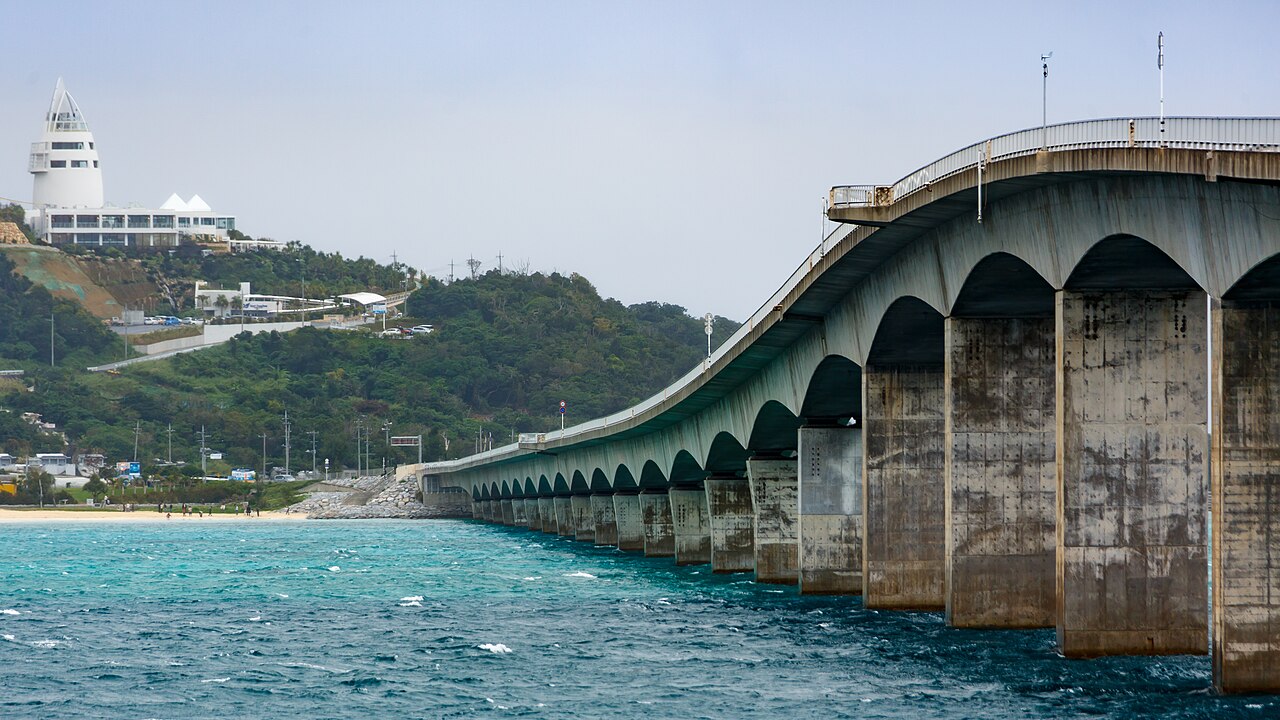
Beyond the castle, the peninsula holds several attractions that suit a relaxed drive. A causeway known as the sea road links the mainland to Henza and Hamahiga islands, and the villages on the islands have a quiet fishing-town feel that contrasts with the busy west coast resorts.
Sunrise and late afternoon are the best times to visit, when the light is soft and the heat is bearable, and sunrise is especially good for photographers because the castle faces the Pacific. In summer the stone can be hot and there is little shade, so bring water and a hat.
The site has an air of genuine history more than polished tourism, which many travellers find a welcome change after the aquarium and the beach resorts. Treat the stones with care, stay on the marked paths and respect the sacred places within the castle grounds, where local people still come to pray.
Food and rest are easy to find nearby. The peninsula has small restaurants serving fresh fish, Okinawa soba and local sweets, and several seaside cafes look out toward the islands. If you have time after the castle, drive out along the causeway and walk a little in one of the island villages, where life moves at a fishing-boat pace.
In the warmer months, carry sun protection and plenty of water, and in the rainy season take extra care on the stairs. Local residents consider parts of the grounds sacred, so keep voices low near the old worship places and leave nothing behind.
What to expect
The experience
A self-guided climb up steep stone stairs through a series of enclosures to a summit with sea views, with a nearby visitor centre explaining the castle's history.
Best time
Early morning or late afternoon, when the light is soft and the climb is cooler.
How long
About an hour at the castle, or half a day with Nakagusuku Castle and the island causeway.
Tips
Wear shoes with grip because the stairs can be slippery, bring water and a hat, and treat the sacred places within the grounds with respect.
Quick picks
- Best for
- History fans, photographers and anyone who wants a castle without the crowds.
- Families
- Older children enjoy the climb and the views, but the steep stairs are not suited to strollers or very small children.
- Couples
- A sunrise or late-afternoon visit with the Pacific spread out below is memorable and peaceful.
- Pair with
- Nakagusuku Castle ruins, the sea road to Henza and Hamahiga islands, and a seafood lunch on the peninsula.
- Time needed
- Allow one to two hours for the castle, or a half day for the wider area.
Good questions
Who was Amawari of Katsuren Castle?+
Amawari was a fifteenth-century lord who built his power on overseas trade and rebelled against the Ryukyu court. The castle fell in 1458, and his story is still retold in local drama and fiction.
What are the hours and entry arrangements?+
Check the hours, any entry charge and any notices for your date before you travel, as these are set by the site.
How steep is the climb at Katsuren Castle?+
Steep stone stairs wind up through the enclosures and can be slippery after rain. Wear shoes with grip and take your time, as the summit view repays the effort.
How far is Katsuren Castle from Naha?+
By car it is roughly an hour, which is the easiest way to go. Buses run from Naha, but the journey is long, so most visitors drive and combine it with Nakagusuku Castle.
What else is there to see nearby?+
Nakagusuku Castle is a short drive away, and the sea road to Henza and Hamahiga islands offers quiet fishing villages and sea views. Together they make a relaxed half-day trip.