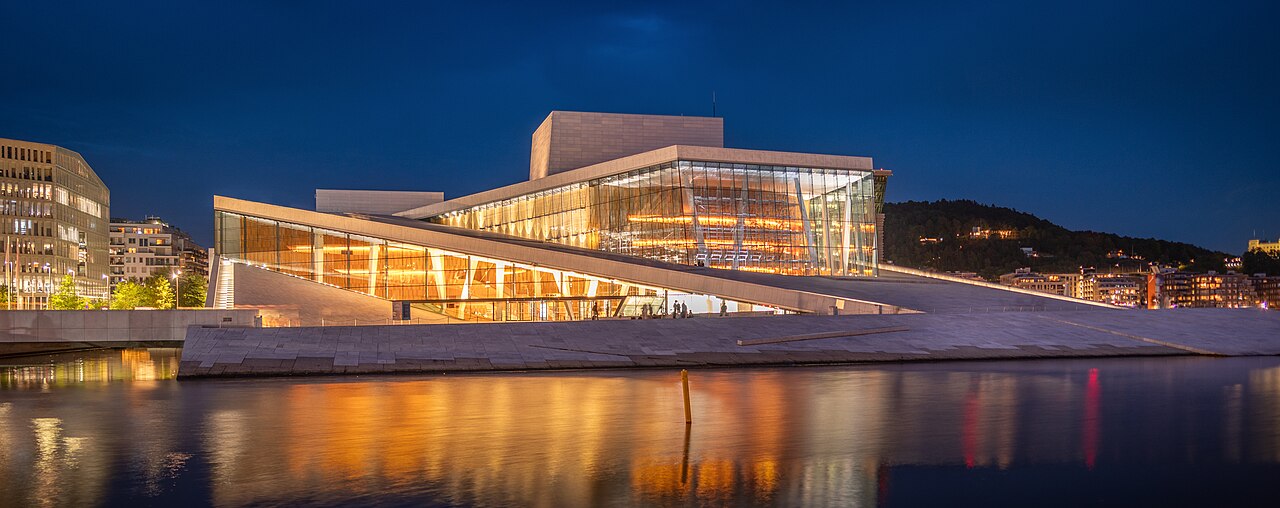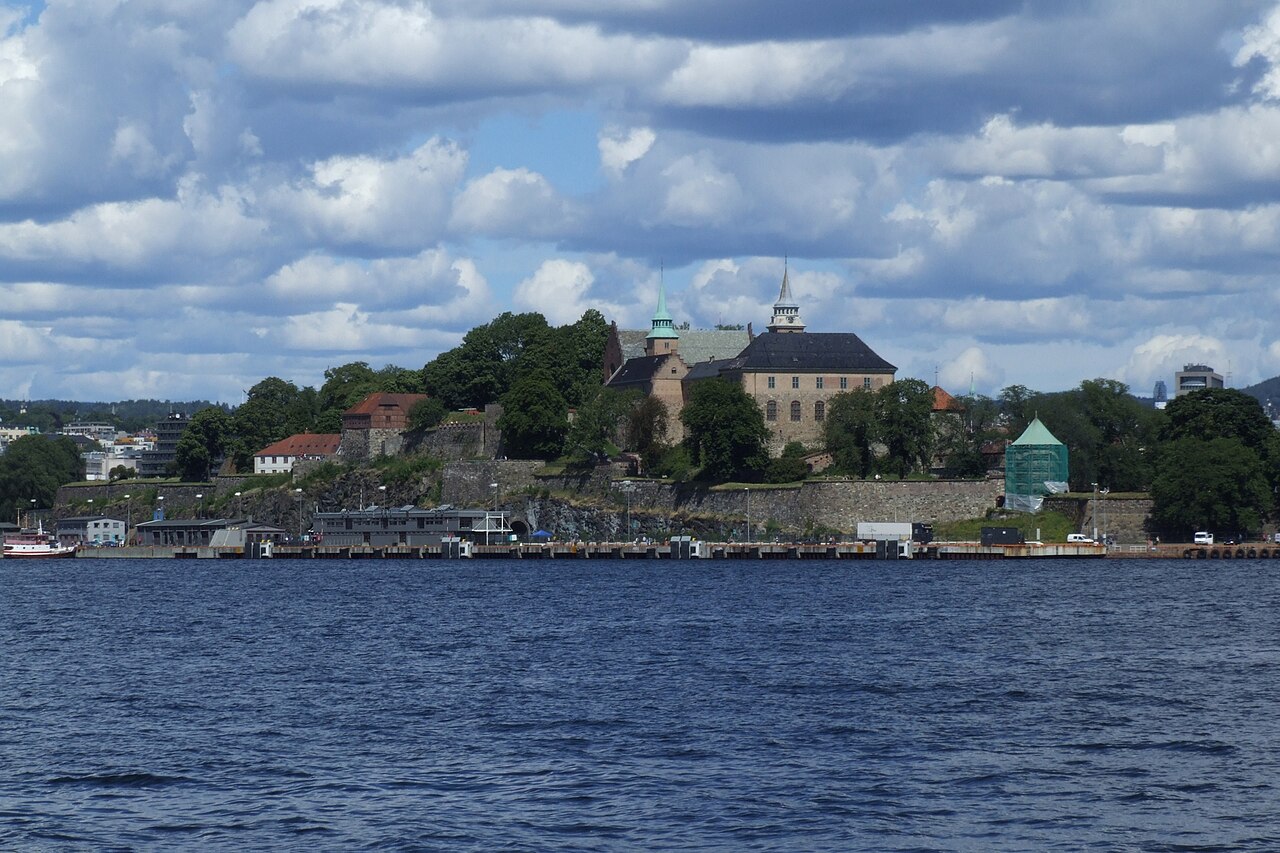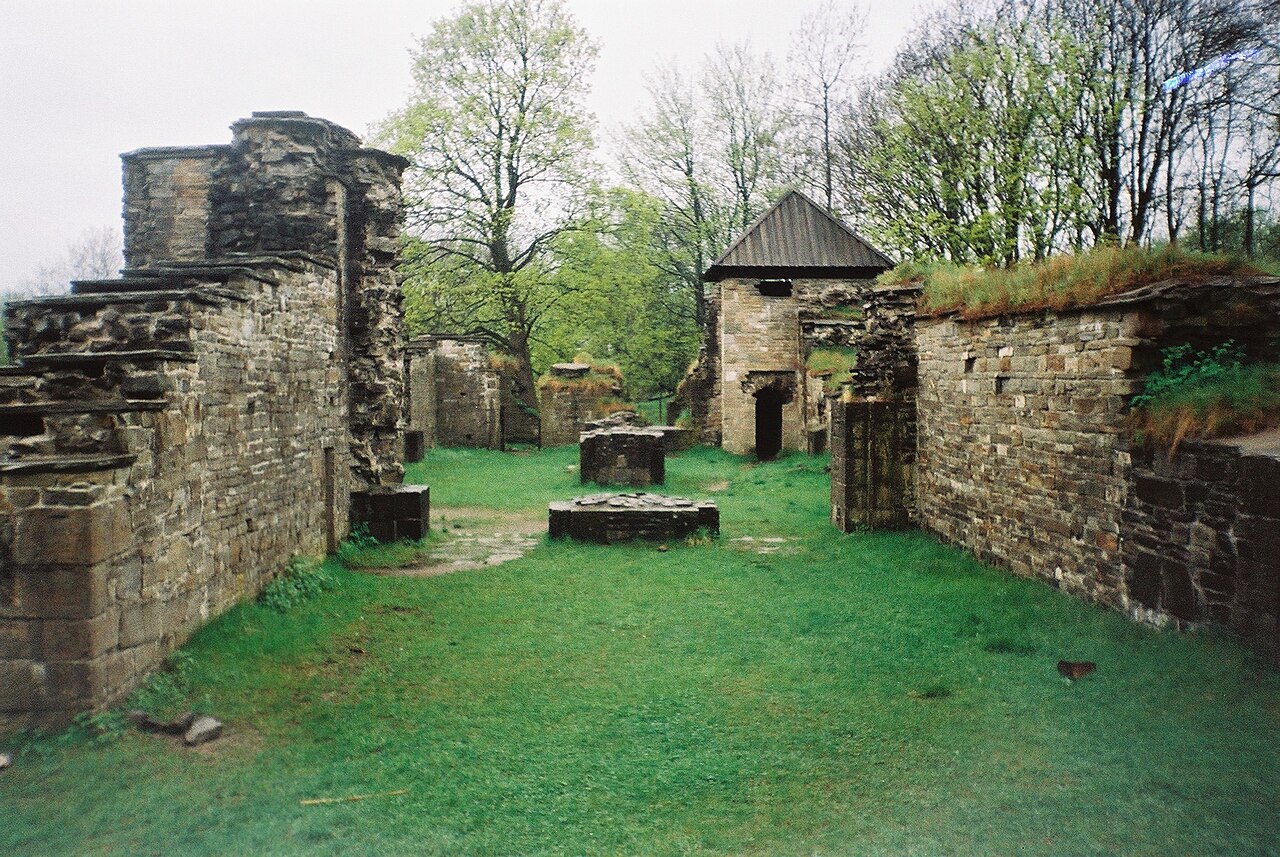
Hovedøya is the most visited of the Oslofjord islands and the easiest to reach: a short ferry ride from the harbour front lands you on a green, car-free island where the city skyline is still visible across the water. The island is a nature reserve of meadows, oak woods and rocky shore, and its footpaths loop around in an hour or two, with views back to the Opera House and the fortress. There are quiet coves for a swim in summer, picnic spots on the rocks and a small seasonal kiosk, and the contrast between city and wilderness is exactly why locals use it as a weekend escape. The island's historical claim is its monastery. In the twelfth century, Cistercian monks founded an abbey on Hovedøya, and the ruins of its walls and chapel outlines still stand among the grass, with information signs explaining the layout of the cloister. It is a modest site rather than a grand one, but the setting is lovely, and visiting the ruins gives the island a sense of depth. Later, the island served military purposes, and old gun batteries and buildings are scattered among the trees. The ferry is part of the city public transport system, so you can ride on a normal Ruter ticket or the Oslo Pass, with no separate booking. In summer the boats run frequently, and service is thinner in spring and autumn and may stop in winter, so check the current timetable in the Ruter app. Bring food, water and swimwear in summer, as facilities are limited. It suits families, couples and anyone who wants a gentle outdoor afternoon.
How to do it
Take the Ruter ferry from the Aker Brygge or City Hall pier, check the return times before you leave, and walk the island loop clockwise, stopping at the monastery ruins, the viewpoints and a swimming cove. Wear sturdy shoes, as paths are uneven, and water shoes help on the rocky shore. A relaxed visit takes two to four hours.
Timing
Summer is the main season, with warm water from around June to August and frequent ferries. Early mornings and weekdays are quieter, and weekends in hot weather can be crowded. In spring and autumn the island is peaceful and good for walking, but ferry frequency drops. Always confirm the timetable in the Ruter app.
Pairing
Combine it with a morning at the Opera House or Akershus Fortress, or finish with the electric fjord cruise for another view of the islands from the water. If you have more time, other islands in the inner fjord are reachable by the same ferry network. The Oslo Pass covers the ferry, which makes this an easy, low-cost addition to a museum-heavy trip.
What to expect
The experience
A short public ferry to a car-free island with a loop path, monastery ruins, rocky swimming spots and picnic areas.
Best time
A summer weekday morning, or a calm spring or autumn day.
How long
Three to four hours including the ferry.
Tips
Check the return ferry times, bring food and water, and wear shoes you can walk and swim in.
Quick picks
- Best for
- A nature escape without leaving the city.
- Families
- Excellent, with space to roam and rocks to explore.
- Couples
- A picnic by the water with a view back to the skyline.
- Pair with
- The Opera House, Akershus or an Oslofjord cruise.
- Time needed
- Half a day.
Good questions
How do I get to Hovedøya?+
Take the Ruter public ferry from the harbour front; check the Ruter app for the current timetable.
What is on the island?+
Meadows, woods, rocky coves, the ruins of a twelfth-century Cistercian monastery and old military buildings.
Can you swim at Hovedøya?+
Yes, in summer, from rocky shores; water shoes are helpful.
Are there shops or restaurants?+
Facilities are limited, with a small seasonal kiosk, so bring food and water.
Do the ferries run in winter?+
Service is reduced outside summer and may stop in winter, so check the timetable before you go.