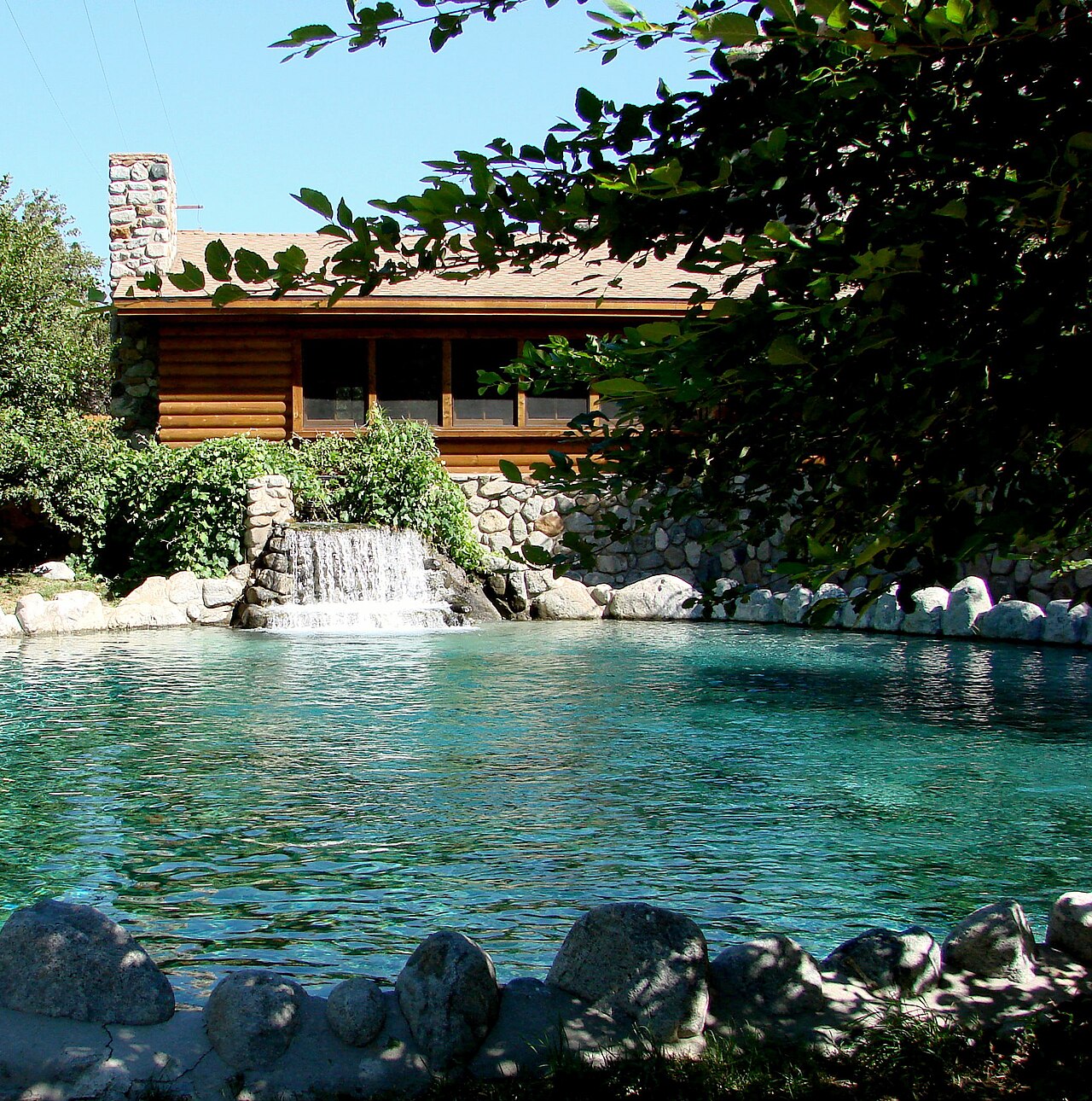
Indian Canyons is the place that shows you why people have lived in this desert for thousands of years. A few minutes south of downtown Palm Springs, at the end of South Palm Canyon Drive, a series of canyons cuts into the San Jacinto Mountains, and in their floors streams fed by mountain snowmelt keep alive dense groves of California fan palms — the only palm native to the state. The land belongs to the Agua Caliente Band of Cahuilla Indians, whose ancestors built villages, irrigation systems and trails here, and the tribe manages the canyons today as a protected cultural and natural site. Two canyons anchor most visits. Palm Canyon is the grand one, where the palm oasis follows the stream for miles; from the Trading Post at the trailhead, a paved path drops into the grove and an easy trail follows the water beneath the shaggy, skirted trunks, with longer routes climbing into the hills for those who want them. Andreas Canyon, a short drive away, offers a roughly one-mile loop beside a clear creek, past striking rock formations and bedrock mortars where Cahuilla women ground mesquite beans and acorns. Murray Canyon, reached on foot from Andreas, leads toward a series of small cascades. Ranger programs are included with admission from October through June: one-hour-and-a-half guided hikes through Palm Canyon and the Andreas loop on Friday through Sunday, and short talks Monday through Thursday. The canyons are open daily from 8am to 5pm from October 1 to July 4, with the last vehicle entering at 4pm, and only Friday through Sunday from July 5 to September 30. Adult admission is $12, with reduced prices for seniors, students and children, and free entry for U.S. military with ID.
The fan palms are the stars, and up close they are extraordinary. Unlike the slender palms of hotel driveways, these are thick, heavy trees wearing skirts of dead fronds that shelter birds, bats and insects, and the groves create their own cool, shaded microclimate. Walking from the sunbaked parking area into Palm Canyon's oasis can feel like entering a different country — the air softens, water sounds return and the light turns green. Many visitors are surprised to learn that the oases exist because of faults: the same tectonic forces that shaped the Coachella Valley push groundwater to the surface along fractures, which is why palm oases line up along fault zones across the region.
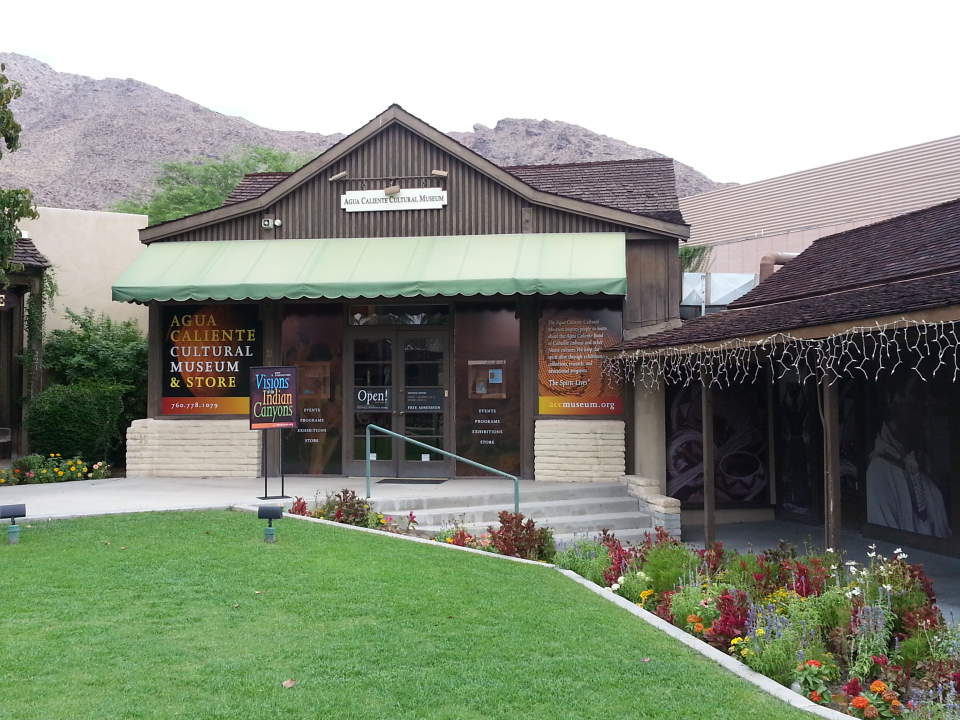
The canyons are a cultural landscape as much as a natural one, and the ranger programs are the best way to understand it. Tribal rangers explain how the Cahuilla used every part of the palm — fruit for food, fronds for roofing and baskets, fibers for sandals — and how the canyons fit into a seasonal round of life between the valley and the mountains. The Trading Post at Palm Canyon sells maps, books, Native American art and jewelry, and cold drinks. Pair a morning here with an afternoon at the Agua Caliente Cultural Museum downtown for the full story. Nearby Tahquitz Canyon, also tribal land, is a separately ticketed site where a rocky trail leads to a waterfall that flows best after winter rains.
Practicalities are simple but important. Arrive early: the canyons are hot by late morning for much of the year, and the 4pm last entry is firm. Bring water and a hat, wear closed shoes for the rocky sections, and stay on marked trails to protect both the plants and the cultural sites. Pets are not allowed, and visitors 17 and under must be with an adult. Tickets are sold at the toll gate on South Palm Canyon Drive or at the tribe's counter inside the Palm Springs Visitor Center. In the summer the schedule shrinks to weekends, ranger programs pause, and the heat makes early mornings essential. In spring, after a wet winter, the creeks run strong and wildflowers color the canyon slopes — the best time of all.
What to expect
The experience
Self-guided walks through fan palm oases in Palm Canyon and Andreas Canyon on Agua Caliente tribal land, with free ranger-led hikes and talks included from October to June.
Best time
Opening time at 8am, especially from April to October; spring after a wet winter for flowing creeks and wildflowers.
How long
Two hours for Palm Canyon and the Andreas loop; half a day if you add Murray Canyon or a ranger hike.
Tips
Last vehicle enters at 4pm. Summer opening is Friday to Sunday only from July 5 to September 30. Bring water and closed shoes; pets are not allowed.
Quick picks
- Best for
- Anyone who wants to see a true desert oasis and learn about the Cahuilla people who made it home.
- Families
- The Andreas Canyon loop is about a mile, mostly flat and shaded in places — ideal for kids, who love the creek and the rock formations.
- Couples
- An early walk into Palm Canyon's palm grove, then brunch back in town — a peaceful counterpoint to pool days.
- Pair with
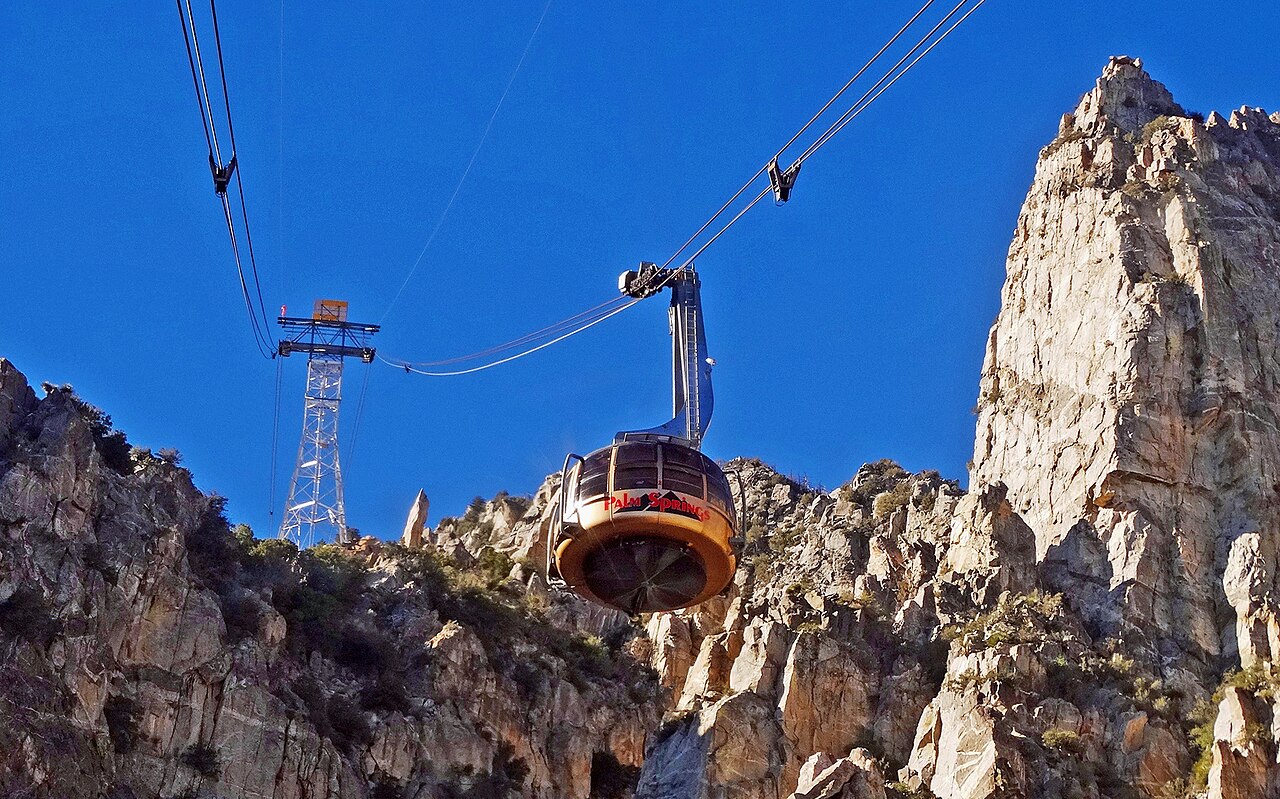
- The Agua Caliente Cultural Museum downtown, or a late-afternoon tram ride.
- Time needed
- A morning.
Good questions
How much does Indian Canyons cost?+
Adult admission is $12, with reduced prices for seniors 62 and over, students and children 6 to 12. U.S. military with ID enter free. Prices are set by the tribe and may change.
When is Indian Canyons open?+
Daily from 8am to 5pm between October 1 and July 4, with the last vehicle entering at 4pm. From July 5 to September 30 it opens only Friday, Saturday and Sunday.
Which canyon should I visit first?+
Palm Canyon for the grandest palm oasis and the Trading Post; Andreas Canyon for the easy one-mile creekside loop. Both fit comfortably into a morning.
Are there guided hikes?+
Yes. From October through June, ranger-led hikes of about 90 minutes run Friday to Sunday, and short talks run Monday to Thursday. They are free with admission.
Is Tahquitz Canyon part of Indian Canyons?+
Tahquitz Canyon is also Agua Caliente tribal land but is a separate site with its own entrance and ticket, known for its trail to a waterfall.