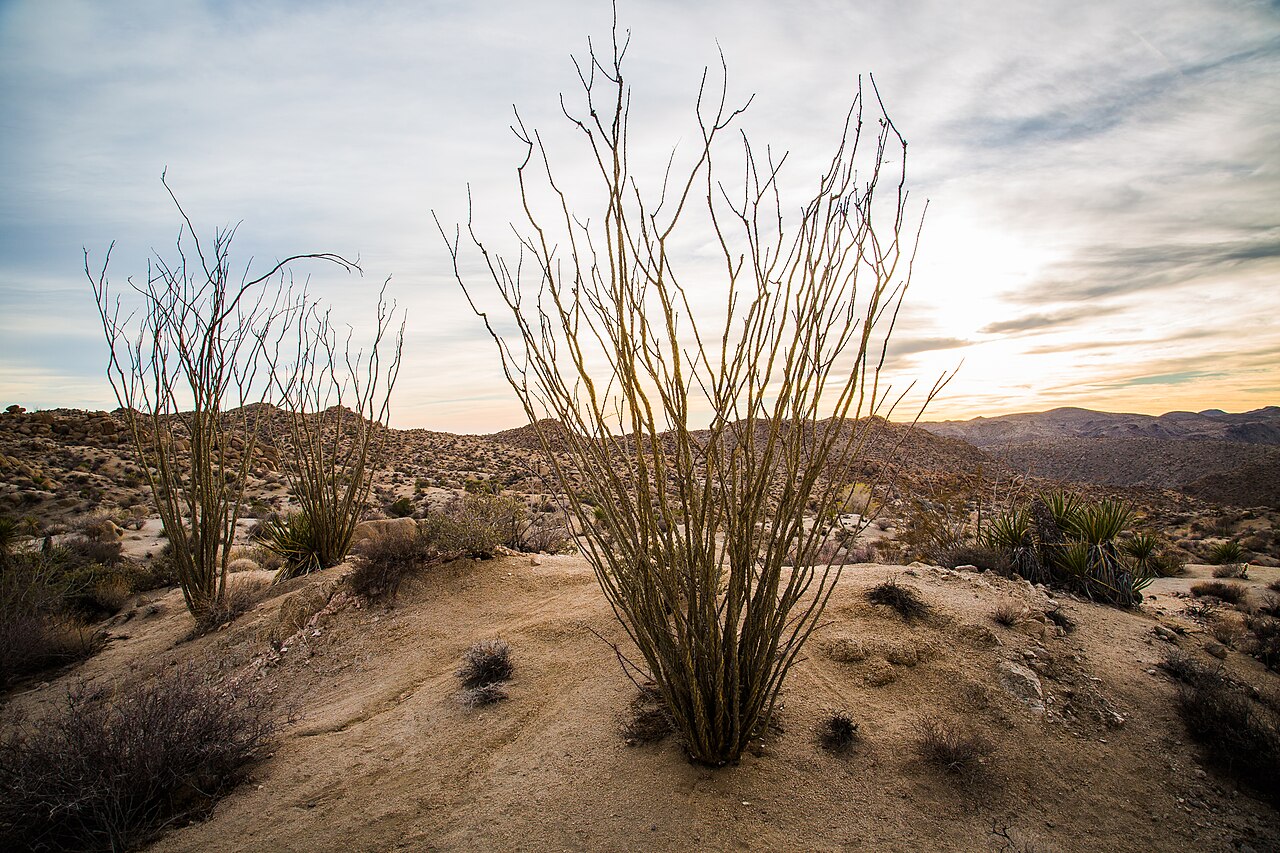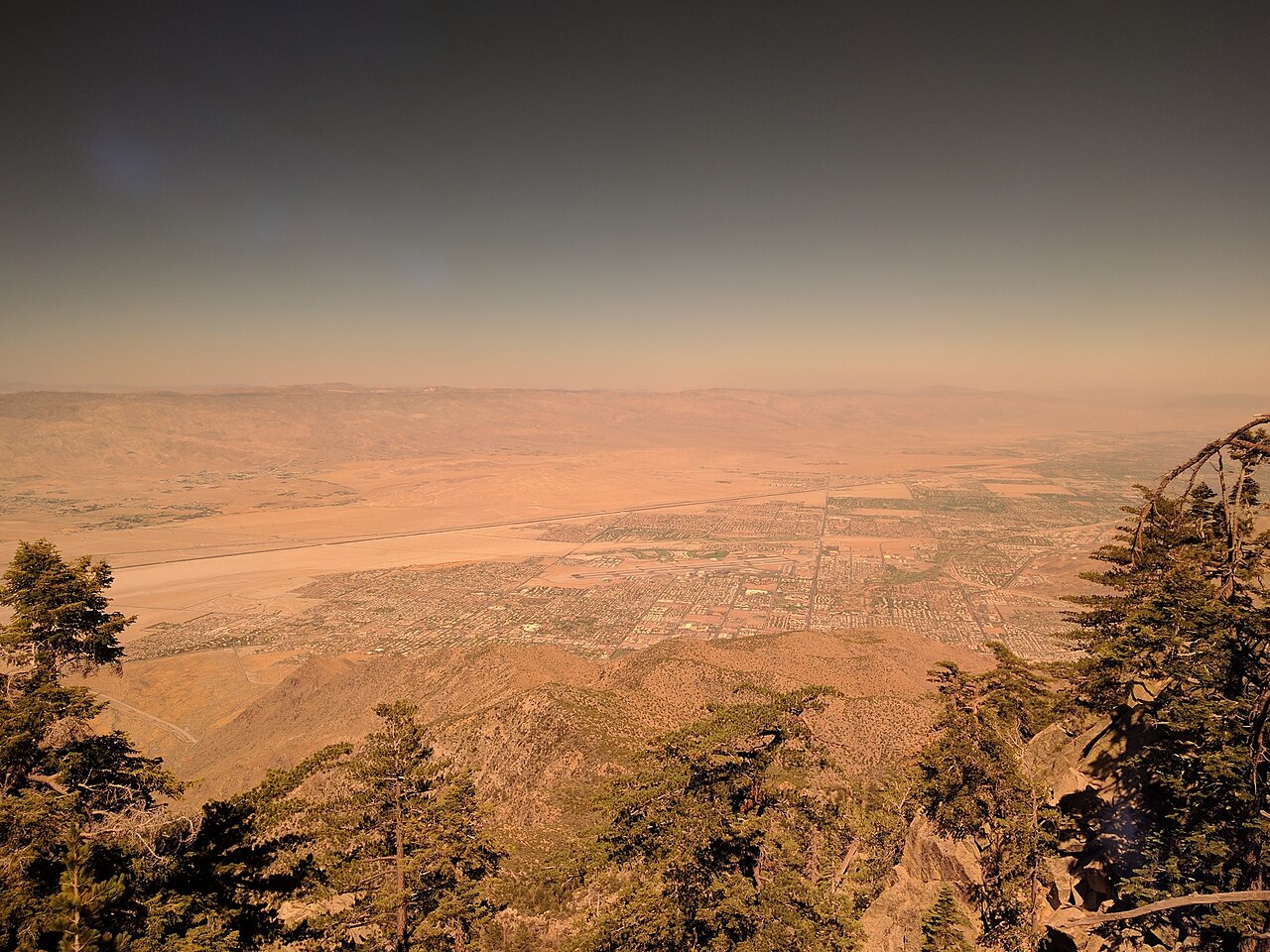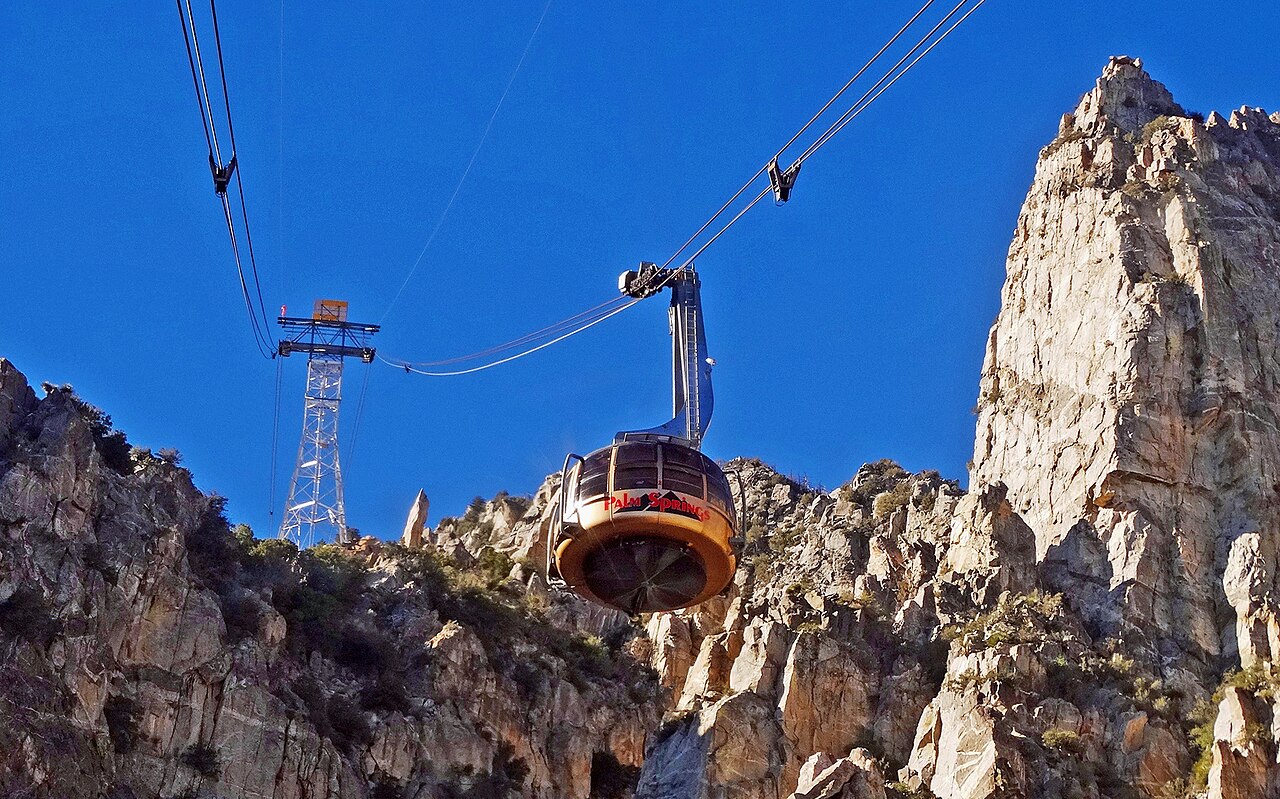
The Palm Springs Aerial Tramway is the one experience that rearranges how you understand the desert. From the Valley Station at the mouth of Chino Canyon, just north of town, the cars glide up one of the steepest rock faces in North America, and the floor of each cabin slowly rotates as you climb, so every rider gets the full panorama without jostling for a window. The ride lasts about ten minutes. In that time you pass through five distinct climate zones — Sonoran Desert scrub, chaparral, oak and then pine — and step out at the Mountain Station at 8,516 feet, where the air is typically 30 to 40 degrees cooler than on Palm Canyon Drive. On a hot day that difference is the whole point; in winter the top can be under snow while the valley floor sits in the seventies. The Mountain Station has viewing decks looking straight down onto the Coachella Valley and the Salton Sea haze beyond, a short nature trail, a sit-down restaurant and casual food, exhibits and a gift shop. Behind it lies Mt. San Jacinto State Park, a wilderness of granite, pines and meadows threaded with more than fifty miles of trail, from the easy loop around Long Valley to the full summit climb of San Jacinto Peak, at 10,834 feet the second-highest point in Southern California. The tram runs daily except during its annual maintenance closure, which in 2026 ran from early September to its reopening on October 5. Winter hours (to late May 2027) put the first car up at 10am on weekdays and 8am on weekends and holidays, with the last car up at 8pm and the last car down at 9:30pm. Tickets include the round trip; the Tiqets entry plus round-trip ticket linked here is the simplest way to lock in your visit.
The tramway is a piece of 1960s engineering bravado that still astonishes. Conceived in the 1930s by a local electrical engineer who dreamed of escaping the summer heat, it took decades of politics and funding before construction began, and the towers were built largely by helicopter because the canyon was too steep for roads. It opened in 1963, and the Swiss-built rotating cars that run today replaced the originals in 2000. Each holds about 80 passengers, and the gentle rotation — two full turns on the way up — is smooth enough that most people forget it is happening until the view swings from cliff face to valley. The Valley Station sits at about 2,600 feet, so the vertical climb is close to 6,000 feet, and the steepest section near the first tower is the moment that makes everyone go quiet.
Planning the visit is about timing and layers. Go early on weekends to avoid the midday queue for parking and cars, or go late afternoon to catch sunset from the top and ride down after dark with the valley lights spread out below — one of the best free light shows in California. Bring a jacket in every season: when it is 100 degrees in town it can be in the sixties at the top, and in winter it is often below freezing with snow on the trails. Altitude is real at 8,500 feet; take it slowly if you are coming straight from sea level. Hikers who head beyond the Mountain Station's immediate loop into the state wilderness need a free day-use wilderness permit from the ranger station at the bottom of the paved walkway, and anyone tackling San Jacinto Peak should start early, carry plenty of water, and turn around if weather turns. In snowy winters the park becomes a snowshoe and cross-country playground, and families come simply to throw snowballs a few miles from the palm trees.
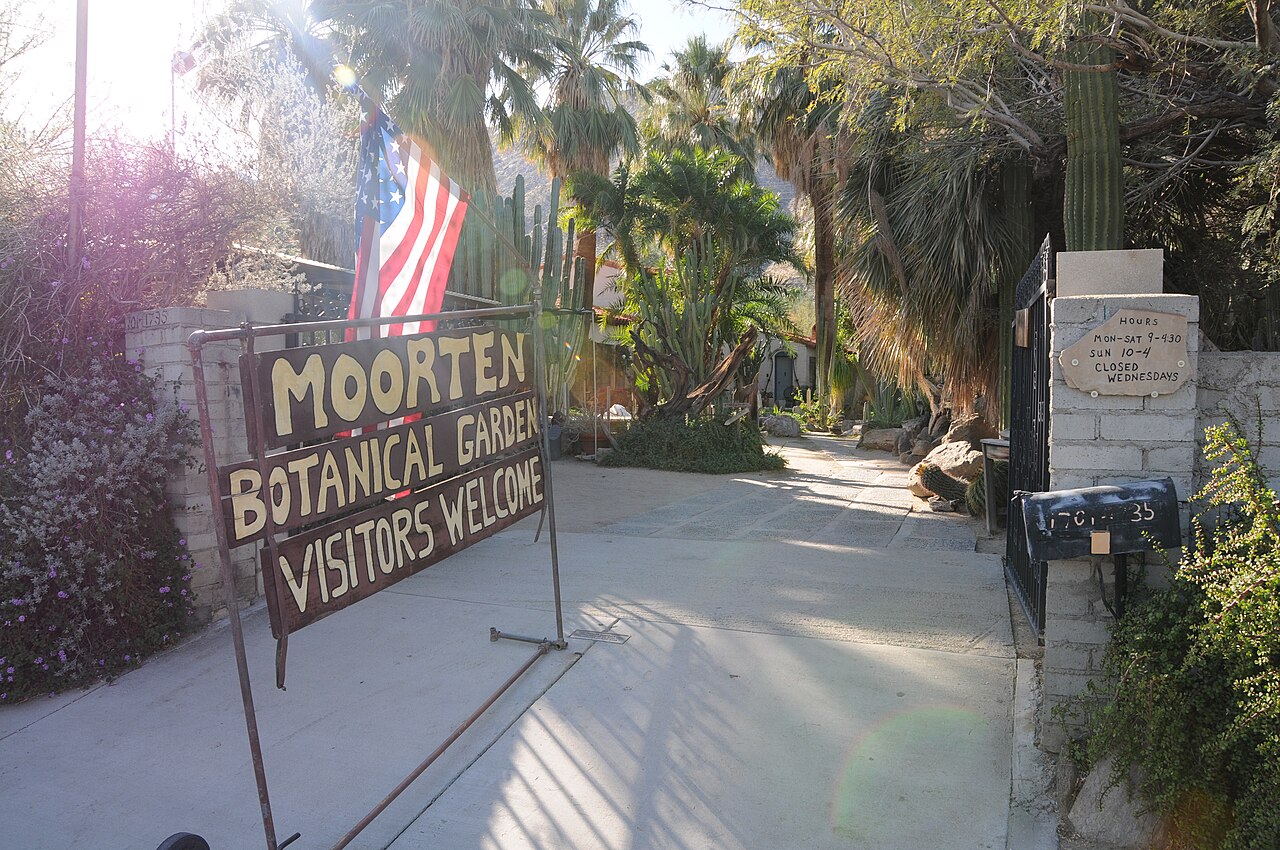
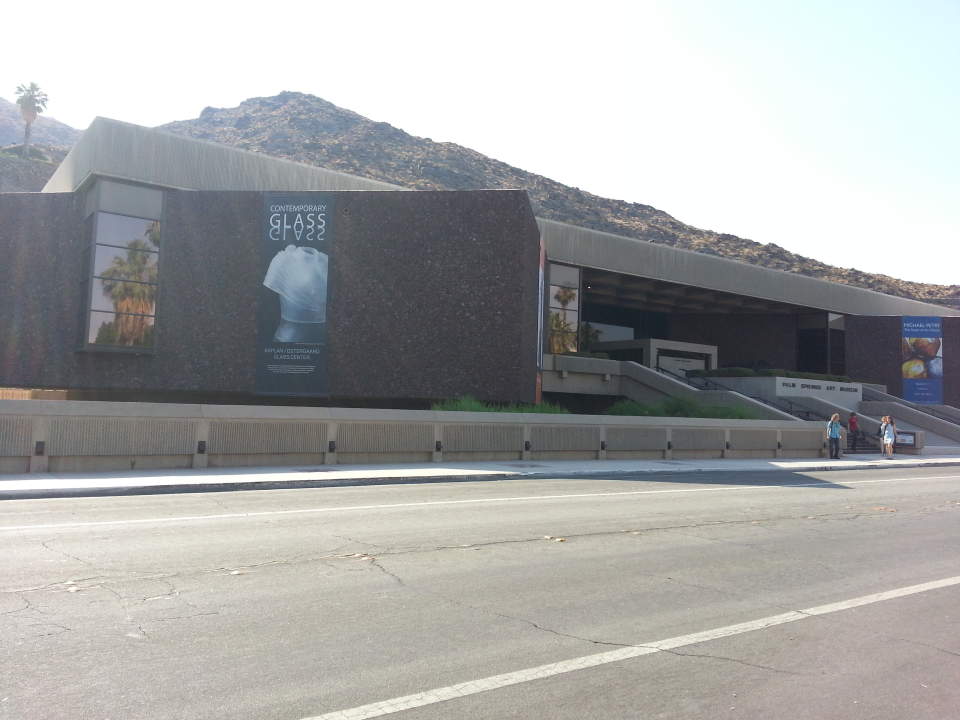
For most visitors, two to four hours covers the ride, the viewing decks and a short walk. Pair it with Moorten Botanical Garden or Indian Canyons on the same day for a full lesson in how dramatically the desert changes with altitude, or make it the sunset finale after an afternoon at the Palm Springs Art Museum. Children under 16 must ride with an adult 21 or older, pets are not allowed, and the tram can pause briefly in high winds. Check the operating schedule before you go, especially in late summer when the annual maintenance closure falls; outside that window, this is the attraction every first-timer should book, and the one most returning visitors quietly repeat.
What to expect
The experience
A ten-minute ride in a rotating tram car from the Valley Station in Chino Canyon to the Mountain Station at 8,516 feet, with decks, dining and trails into Mt. San Jacinto State Park at the top.
Best time
Early on weekend mornings to beat the queues, or late afternoon for sunset at the top and the valley lights on the ride down. Spring and fall are the most comfortable for hiking up top.
How long
Two to four hours including the ride, the viewing decks and a short walk; a full day if you hike to San Jacinto Peak.
Tips
Bring a warm layer in every season. Day hikers going beyond the station loops need a free wilderness permit from the ranger station. Children under 16 ride with an adult 21 or older. No pets.
Quick picks
- Best for
- Everyone — it is the single most memorable thing to do in Palm Springs and the best escape from summer heat.
- Families
- Kids love the rotating floor and, in winter, the snow; keep little ones close on the steep paths near the decks.
- Couples
- Ride up for golden hour, watch the sun drop behind the mountains, then glide down over the twinkling valley.
- Pair with
- Moorten Botanical Garden for the desert floor, or the Palm Springs Art Museum before a sunset ride.
- Time needed
- Half a day, more if you plan to hike in the state park.
Good questions
How long is the Palm Springs Aerial Tramway ride?+
About ten minutes each way. The cars climb from the Valley Station in Chino Canyon to the Mountain Station at 8,516 feet, rotating slowly so everyone sees the full view.
How much colder is it at the top?+
Typically 30 to 40 degrees cooler than the valley floor. In winter there is often snow and freezing temperatures, so pack a jacket even when it is warm in town.
Is the tramway ever closed?+
Yes. It closes for annual preventative maintenance in late summer — in 2026 from early September until October 5 — and can pause briefly in high winds. Check the schedule before visiting.
Can I hike at the top?+
Yes. Mt. San Jacinto State Park has more than fifty miles of trail, from short nature loops to the summit of San Jacinto Peak. Hikers going into the wilderness need a free day-use permit from the ranger station.
What are the hours?+
Under the winter schedule (October 5, 2026 to May 27, 2027) the first car goes up at 10am on weekdays and 8am on weekends and holidays; the last car up is at 8pm and the last car down at 9:30pm.