Panama City is one of the few capitals where you can watch ocean-going ships climb a staircase of water in the morning, drink coffee in a colonial plaza at lunch and be in rainforest by mid-afternoon. It is also a city of long distances and hot weather, so a little planning goes a long way. This guide covers what to book, how to move around and how to fit the headline sights together.
What to book ahead
Three things reward early booking. First, the Panama Canal partial transit, a roughly six-hour boat trip through part of the canal that runs on limited dates and sells out in busy months, so reserve it before you fly. Second, the San Blas islands day trip, a long day that leaves before dawn, with a few operators running most days and others only on certain days. Third, a Gatun Lake wildlife cruise or an Embera village tour, both of which are easy to book a few days ahead but benefit from morning slots. Everything else, including Miraflores Locks, the Biomuseo and Casco Viejo, can be handled on arrival.
Getting around
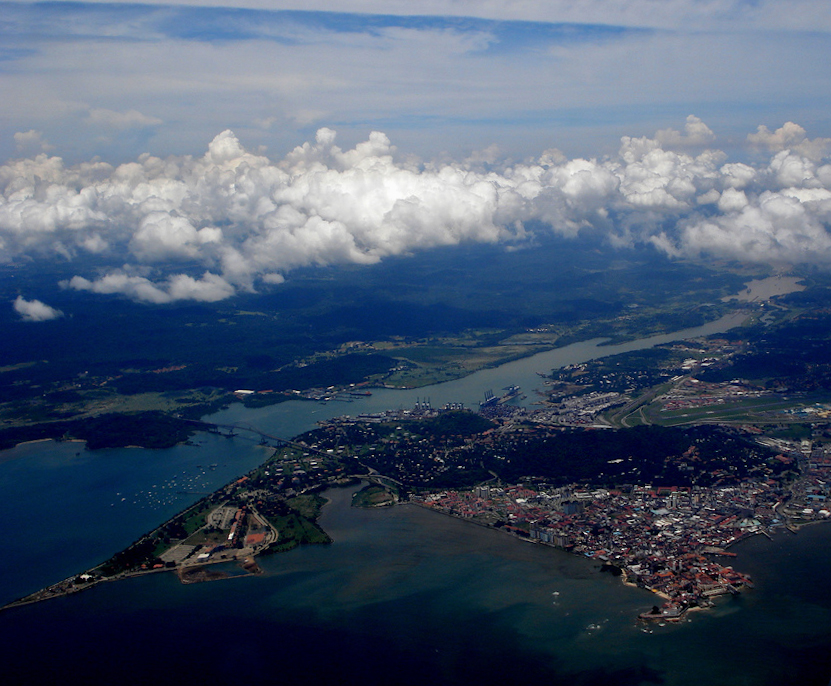
Taxis and ride-hailing cars are the practical way to travel between districts, because the sights are spread out: Casco Viejo on its peninsula, the financial district to the east, the Amador Causeway and Biomuseo to the southwest, Miraflores beyond. Agree a fare or use the app, and carry small bills. The city has a metro line and buses, which are cheap but do not reach most attractions. Tour operators pick up from most hotels, which solves the logistics for day trips. Casco Viejo itself is best explored on foot.
How many days
Three full days is the sweet spot. Day one: Miraflores Locks in the morning, then a late lunch and an evening Casco Viejo food walk. Day two: a Gatun Lake wildlife cruise or an Embera village tour in the morning, then the Biomuseo and a sunset on the Amador Causeway. Day three: San Blas, or the canal partial transit if you prefer. With a fourth day, add Panama Viejo and the Metropolitan Natural Park, or the Agua Clara locks and Fort San Lorenzo on the Caribbean side. With only two days, do Miraflores, Casco Viejo and one nature trip.
Where the headline sights fit
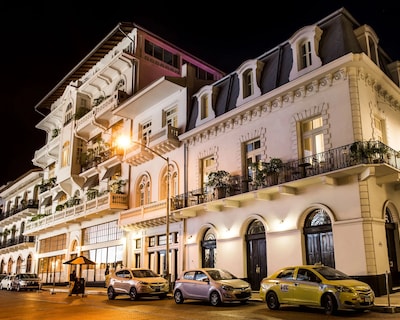
The canal is the reason most people come, and there are three ways to meet it: watch from Miraflores, ride the partial transit, or see the new Atlantic-side locks at Agua Clara. You do not need all three; Miraflores plus the transit is a great pair. Casco Viejo is the city's atmospheric heart and the best place to stay, eat and wander in the evening. Panama Viejo, the ruins of the first city, explains why Casco Viejo exists. For nature, the Metropolitan Natural Park is a quick, cheap option, and Gatun Lake and Embera trips are the full-day versions.
Practical tips
The climate is hot and humid all year, with a drier season roughly from December to April and rains most afternoons in the wet months, so plan outdoor sights for the morning and carry water, sun protection and insect repellent. The US dollar circulates alongside the balboa, so you do not need to exchange currency. Keep valuables out of sight, stay on busy streets at night and ask your hotel which neighbourhoods to avoid. Check opening hours before you go, because several museums and sites close early in the afternoon and on Mondays.
Booking the right level of tour
For the San Blas, Gatun Lake and Embera trips, read recent reviews and choose operators who explain their animal-welfare and community policies. Small groups cost more but make wildlife and cultural visits better. If you are travelling with children, the Gatun Lake monkey cruise, Miraflores and the Biomuseo are the best fits, while San Blas and the canal transit suit older kids who handle long days.
A note on the weather
Panama's seasons shape the trip. In the dry months, canal and island days are at their most reliable, and prices are higher. In the wet season, mornings are still usually clear, rivers are fuller and the forests greener, and you can find better rates. Pack a light rain jacket either way, and keep one flexible day in the plan for weather changes.