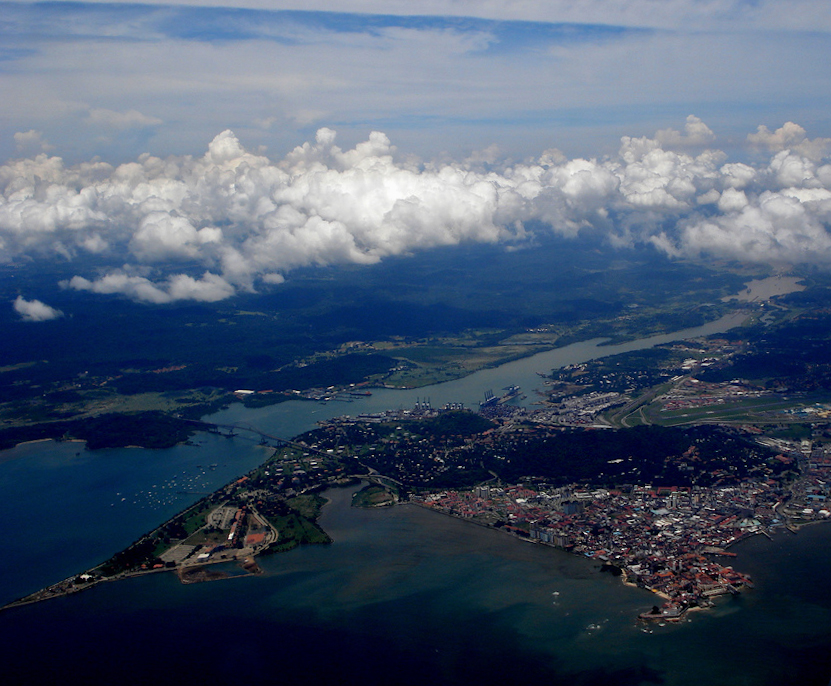
The easiest place on earth to watch a ship climb a staircase of water. The Miraflores Visitor Center sits beside the Pacific-side locks of the Panama Canal, with viewing terraces, a 3D film and canal exhibits, about twenty minutes from the city centre. It is the single most important half day in Panama City.
Panama City's UNESCO-listed old quarter is best met on foot with a local guide and a plate in hand. This two-hour evening walk through Casco Viejo threads colonial plazas, restored mansions and street corners with samples of coffee, chocolate, ceviche, beer and rum.
White-sand cays, turquoise water and a Guna-run island culture, reached on a long but rewarding day from Panama City. A typical trip drives to the coast, boards a small boat and hops between palm-fringed islands for swimming, snorkelling and lunch.
Full day (12-14 hours)$$Book on Viator → Panama's rainforest is a short drive from the city, and Gatun Lake is where to meet it. Small boats cruise among forested islands in the canal's great artificial lake to spot monkeys, sloths, birds and passing ocean-going ships.
Do not just watch the canal, go through it. A partial transit puts you on a boat that travels through a set of locks and part of the waterway, with lunch and commentary, then returns you to the city by road. It is the closest most visitors get to a full crossing.
About 6 hours$$$Book on Viator → A day of river, rainforest and culture. You travel upriver by canoe in Chagres National Park to an Embera community for a welcome, music, a traditional lunch and stories of life in the forest, a half-day journey from Panama City.
The canal's Caribbean side in a single day. This tour pairs the vast Agua Clara locks of the 2016 expansion with Spanish Fort San Lorenzo, a UNESCO-listed ruin on a cliff above the Chagres River mouth, plus a rainforest safari.
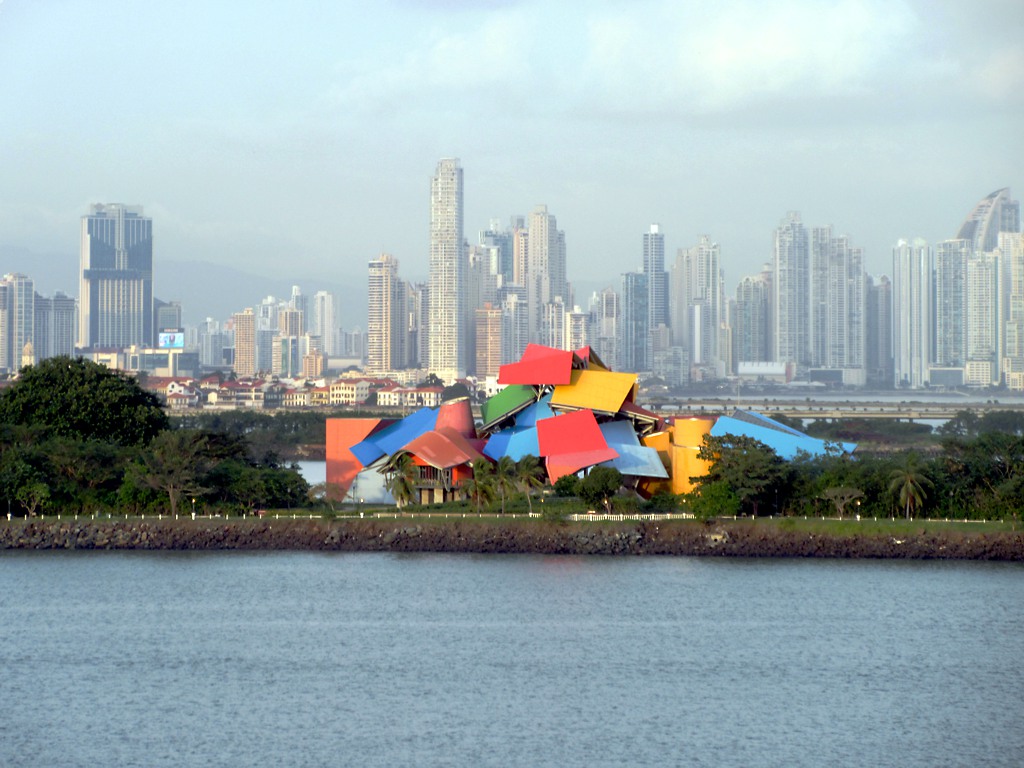
Frank Gehry's colourful, jagged landmark at the start of the Amador Causeway tells the story of how Panama's rise from the sea joined two continents and reshaped life on Earth. Bright, hands-on and visually stunning, it is the city's most photographed museum.
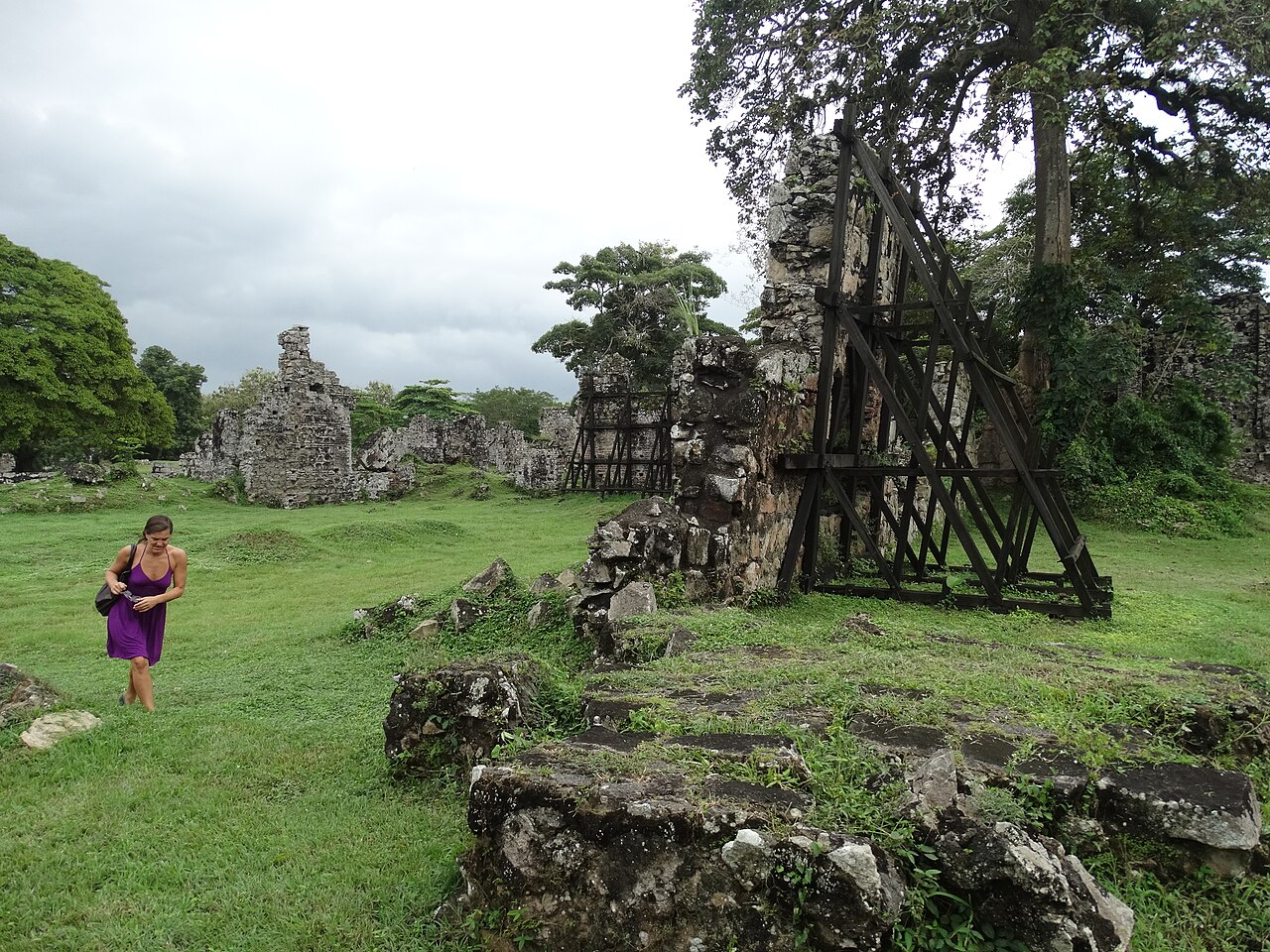
The ruins of the first Spanish city on the Pacific, founded in 1519 and burned in 1671, sit on the eastern edge of Panama City. Walk among cathedral walls, convent ruins and the old bell tower, then climb it for a skyline view that links 500 years.
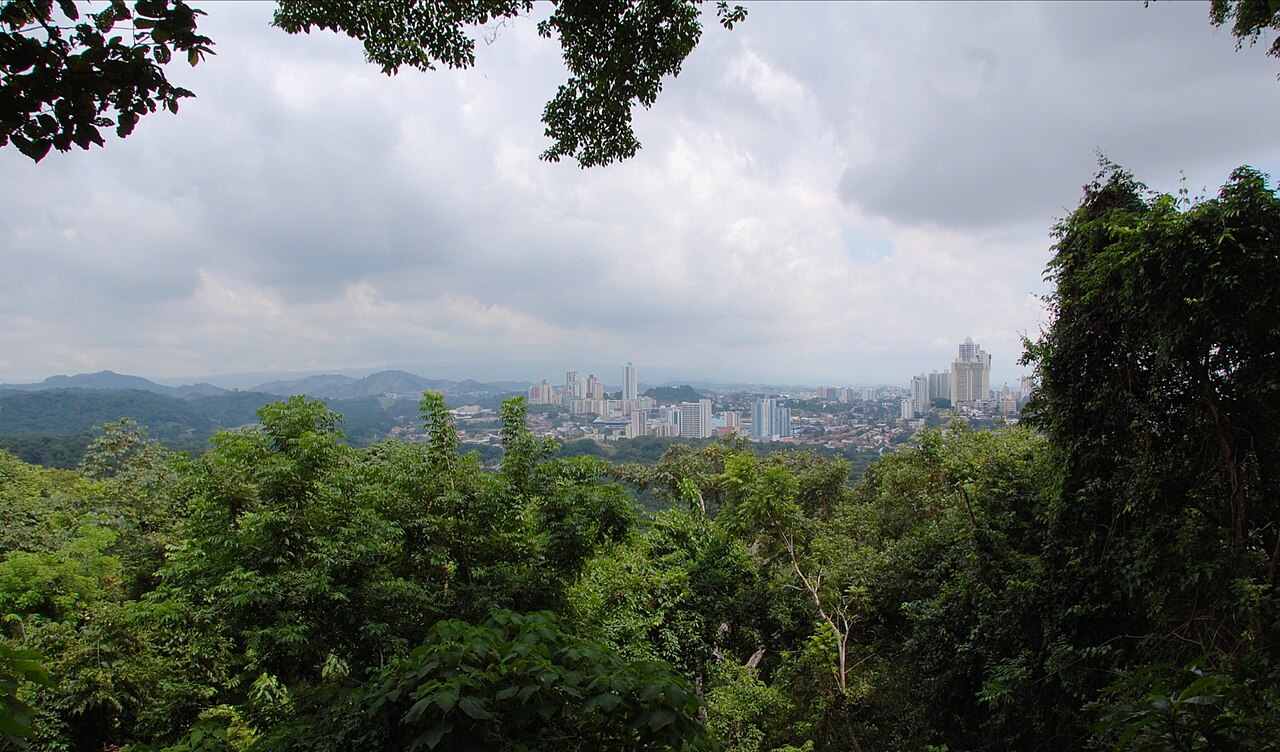
A tropical forest inside a capital city. This 230-hectare park has seven marked trails, a lookout over the skyline and the canal, and wildlife from squirrel monkeys to hundreds of bird species, all a short ride from downtown.