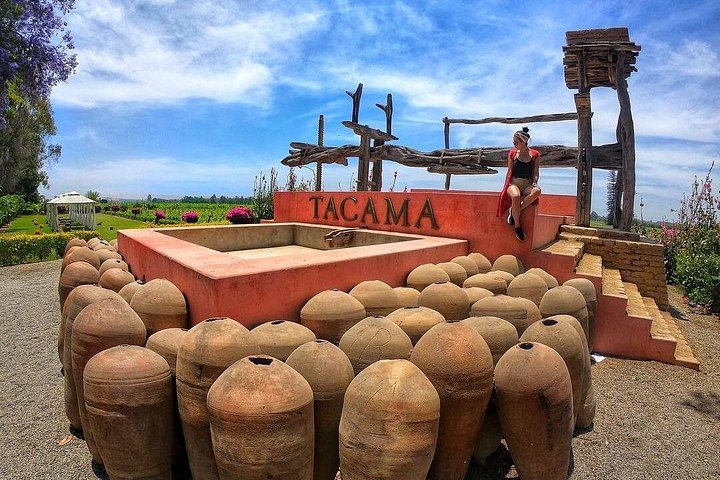
Tacama is one of the best-known wineries in Peru, and a visit shows the country's wine heritage. The estate, set in the Ica valley with the Andean foothills behind, has vineyards, a historic hacienda and cellars where wine is aged. A guided tour walks through the vines, explains the production process and ends with a tasting of several wines. The experience is paired with a visit to a small artisan bodega that offers a more traditional view of pisco and wine making.
The mix of big and small gives a rounded picture. At Tacama you see the modern side, with stainless tanks, barrel rooms and a polished tasting area, while the artisan stop shows the older methods, with simple presses and clay vessels. The guide explains the grape varieties grown in the valley, how the dry climate and irrigation shape the harvest, and how Peruvian wine has developed.
Practical tips
Tours often run in the morning or afternoon, and group sizes are small. Wear comfortable shoes for walking in the vineyards and a hat for sun. Tastings are generous, so eat first, and do not drive afterwards. The harvest season in late summer is a special time to visit, when activity in the vineyards is at its peak. Wines can be bought on site, and shipping options may be available. The winery is outside the city, so transport is usually included with a guided tour.
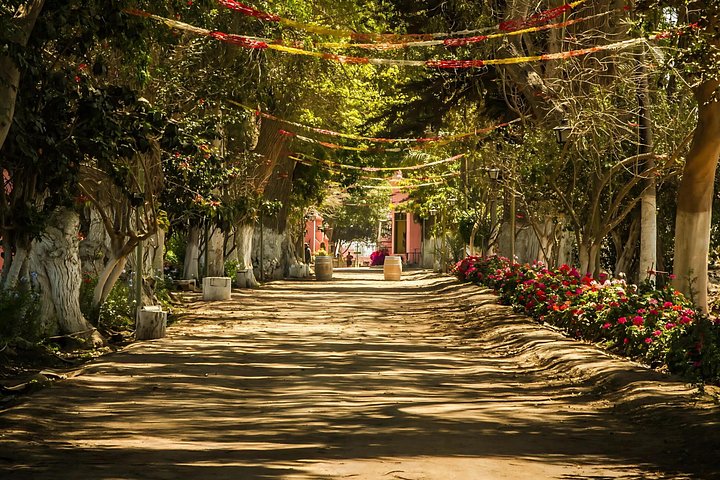
The winery visit follows the journey of the grape. You usually begin among the vines, where the guide explains how the vineyards are irrigated, trained and harvested in the desert climate. Inside, you see the presses, fermentation tanks and barrel halls, and learn how reds, whites and sparkling wines are made. The tasting room offers an opportunity to compare vintages and to learn how to pair wine with local food. The setting is attractive, with historic buildings, gardens and a view toward the Andean foothills.
The second stop at an artisan bodega adds contrast. Here the scale is smaller, the equipment simpler, and the drinks often sweeter. You may taste pisco, fortified wine and fruit-flavoured spirits, and see traditional methods in action. Together the two stops give a balanced idea of the winemaking culture of Ica.
Expect a relaxed pace, with time for questions. Wear comfortable shoes for walking on gravel paths, and bring a hat. If you want lunch, ask whether it is part of the tour or whether you should plan to eat in town. Do not drive after tasting, and use the tour transport provided.
Think about the best season and time for your visit. Late summer brings the harvest, with picking crews, trucks and the smell of crushed grapes, while the rest of the year offers calmer vineyards and quieter cellars. Mornings are cooler for walking, while afternoon tastings suit those who prefer a slower start.
Ask about food pairings, which may include cheese, bread or local sweets, and whether vegetarian options are available. If you wish to buy, compare the prices of different bottles and ask about gift packaging. Children are sometimes welcome, though the programme is aimed at adults, so confirm the policy when you book.
What to expect
The experience
A guided visit to the Tacama estate and an artisan bodega with tastings of wine and pisco.
Best time
Morning or afternoon; harvest season in late summer is lively.
How long
3 to 4 hours.
Tips
Comfortable shoes, hat, and food before tasting. Do not drive afterwards.
Quick picks
- Best for
- Wine lovers.
- Families
- Not aimed at young children.
- Couples
- Couples enjoy the cellar and tasting.
- Pair with
- Pisco route, oasis or canyon.
- Time needed
- Three to four hours.
Good questions
Is Tacama old?+
It is one of the longest-established wineries in Peru and is often described as among the oldest in the Americas.
What grapes are grown?+
A range of varieties suited to the dry valley. Guides explain the details.
Is a tasting included?+
Yes, usually several wines.
Can I buy wine?+
Yes, on site.
When is harvest?+
Typically late summer. Ask about timing.