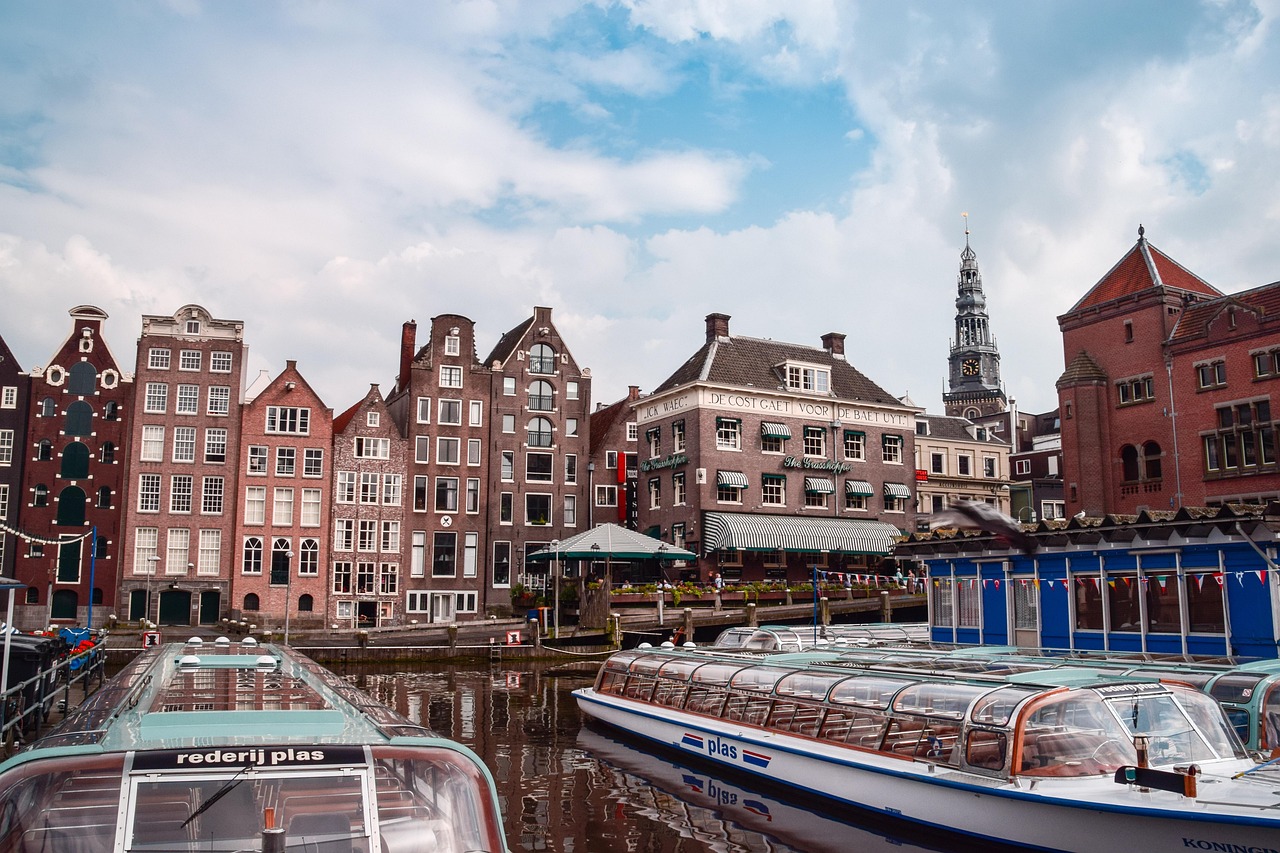
The Canal Saint-Martin is Paris being effortlessly itself: Napoleon's 1825 freshwater canal through the 10th arrondissement — 4.5 kilometers of green water stepping down nine locks from the Bassin de la Villette to the Seine — reborn as the city's favorite unofficial promenade: the iron footbridges arching the water (the two-at-a-time hump bridges that every French film borrows — Amélie skipped her stones here, and Hôtel du Nord's facade still stands mid-canal from the 1938 classic), the lock theater (barges and canal cruises stepping through the chambers while the quays watch — the swing bridge's traffic-stopping rotation is the bonus act), the plane-tree quays where the picnic culture peaks (Sunday afternoons the banks fill shoulder to shoulder — rosé, baguettes and the city's best people-watching; weekday evenings run gentler), and the bank streets' tier: the Quai de Valmy-and-Jemmapes boutique row (Antoine et Lili's pink facades the landmark), the café-brunch corners (Ten Belles and the coffee generation), Du Pain et des Idées's century-old bakery two streets off (the escargot pastries justify the detour alone), and the evening apéro turn as the bars spill out. The craft: Sundays the quays pedestrianize (Paris Respire — the full promenade mode), the covered stretch south (the canal runs under the Boulevard Richard-Lenoir vault toward Bastille — the overhead gardens and the mystery of the water disappearing are their own charm), canal cruises run the lock sequence for the sit-down version (Canauxrama and Paris Canal between Villette and the Port de l'Arsenal — the two-hour lock-by-lock ride is the engineering lover's Seine alternative), and the район pairing north: the Villette basin's MK2 twin cinemas and summer urban beach. Free as a walk forever; the canal is the Paris the Parisians keep.
The canal's history is infrastructure into romance: Napoleon ordered it to bring drinking water (and barge freight) into a city that cholera kept visiting — the Ourcq's water still feeds it — and the working decades (the mills, warehouses and barge trade of the 10th's industrial age) gave way mid-century to the near-miss that defines it: 1970s plans to fill the canal for an expressway died with the era, and the quarter's bohemian turn (the warehouses becoming studios, the 1990s café colonization, Amélie's 2001 consecration) made the banks the capital of young Paris. Hôtel du Nord's survival tells the arc — the 1938 film's hotel, saved by cinephile protest, now runs as the canal's bistro landmark.
The connoisseur's walk
Start at République's edge and take the east bank north — the Valmy boutiques, the footbridge summits (the René Fallet and the Grange-aux-Belles swing bridge), the lock pairs at Récollets and the Dead Man's Lock lore, Du Pain et des Idées's detour at Marseille street, the Jemmapes bank back for the café stops — then decide: north to the Villette basin (the wide-water mode, MK2's facing cinemas, Paname Brewing's terrace) or south under the vaults toward Bastille. Sunday craft: Paris Respire closes the quays to cars (the promenade at full theater), picnic supply runs through the Marché Saint-Martin or the bank fromageries, and golden hour on a hump bridge is the photograph.
Practicals and fit
Métro République, Jacques Bonsergent or Jaurès bracket it; free always; cruises book ahead summer weekends; the banks run livelier with every season warmer. Fit: couples (the bridges at dusk wrote the cliché honestly), the foodie chip (bakery-café-apéro in one bank walk), picnic-culture students, and every repeat visitor ready for the Paris beyond the monuments.
What to expect
The experience
Napoleon's nine-lock canal as the city's coolest promenade — hump footbridges, lock-and-swing-bridge theater, picnic quays and the 10th's bakery-café-boutique tier along the banks.
Best time
Sundays pedestrianize the quays (peak promenade, peak crowds); weekday golden hour runs gentler; summer evenings are the apéro season.
How long
Two to three hours bank to bank, longer with a lock cruise.
Tips
Detour two streets for Du Pain et des Idées's escargot pastries. Watch one full lock cycle — the swing bridge rotation is the bonus act. Amélie's stone-skipping bridge is the one by the Récollets locks.
Quick picks
- Best for
- Couples and repeat visitors — the Paris that Parisians keep, bridges at dusk included.
- Families
- Lock theater is free engineering class; the Villette basin north adds cinemas and the summer beach.
- Couples
- A hump bridge at golden hour, picnic on the quay, apéro as the bars spill out.
- Pair with
- République south toward the Marais; the Villette basin north for wide water and terraces.
- Time needed
- One bank-walking afternoon into the apéro hour.
Good questions
Why is the canal famous?+
Napoleon built it for drinking water in 1825; cinema made it myth — Hôtel du Nord in 1938, Amélie's skipped stones in 2001 — and the iron footbridges and lock theater made it the young city's favorite promenade.
When do the quays close to cars?+
Sundays and holidays under Paris Respire — the full pedestrian promenade mode, with the picnic culture at maximum; weekday evenings run the gentler version.
Can we cruise it?+
Canauxrama and Paris Canal run the two-hour lock-by-lock ride between the Villette basin and the Arsenal port — the engineering lover's alternative to a Seine cruise; book ahead on summer weekends.
Where does the canal go underground?+
South of République it runs beneath the Boulevard Richard-Lenoir's garden vaults to Bastille — the water vanishing under the city is half the charm of the southern walk.
What should we eat along it?+
Du Pain et des Idées's escargot pastries (two streets off, century-old), the Ten Belles coffee tier, bank fromagerie picnic supplies, and the apéro terraces as the evening turns.