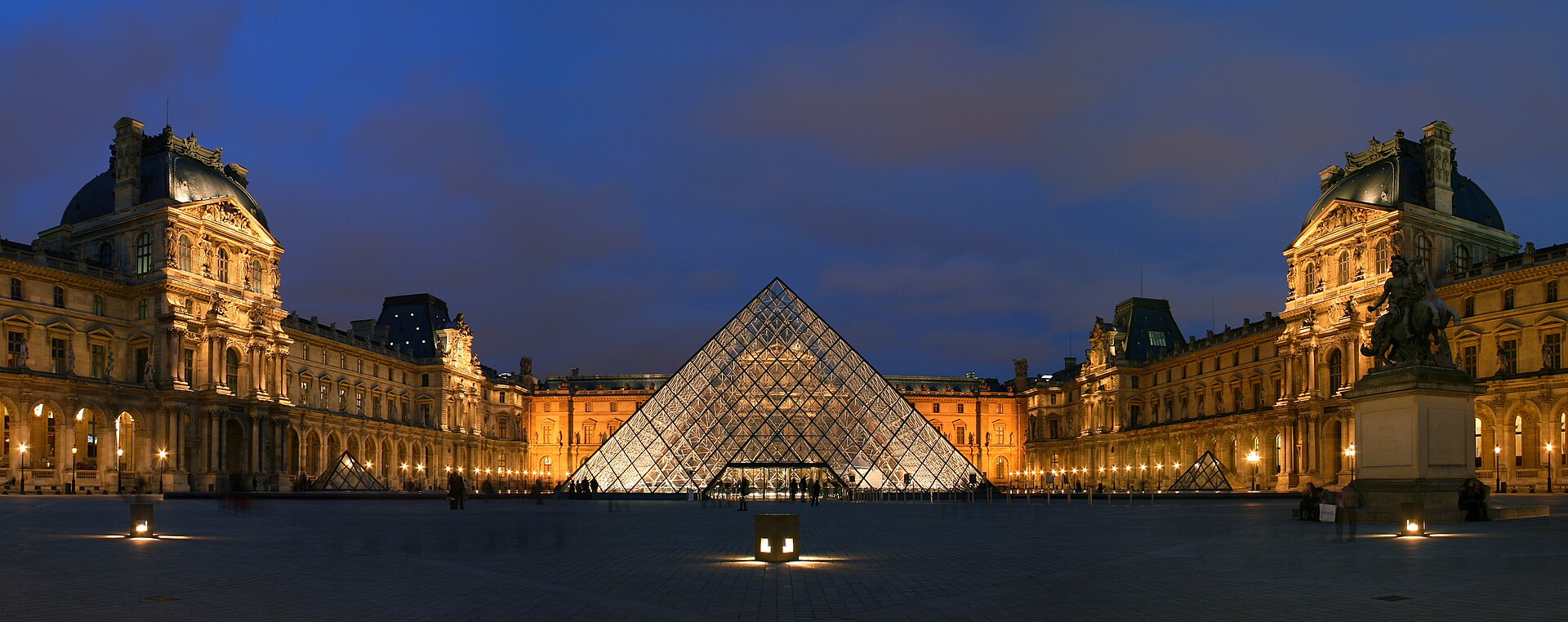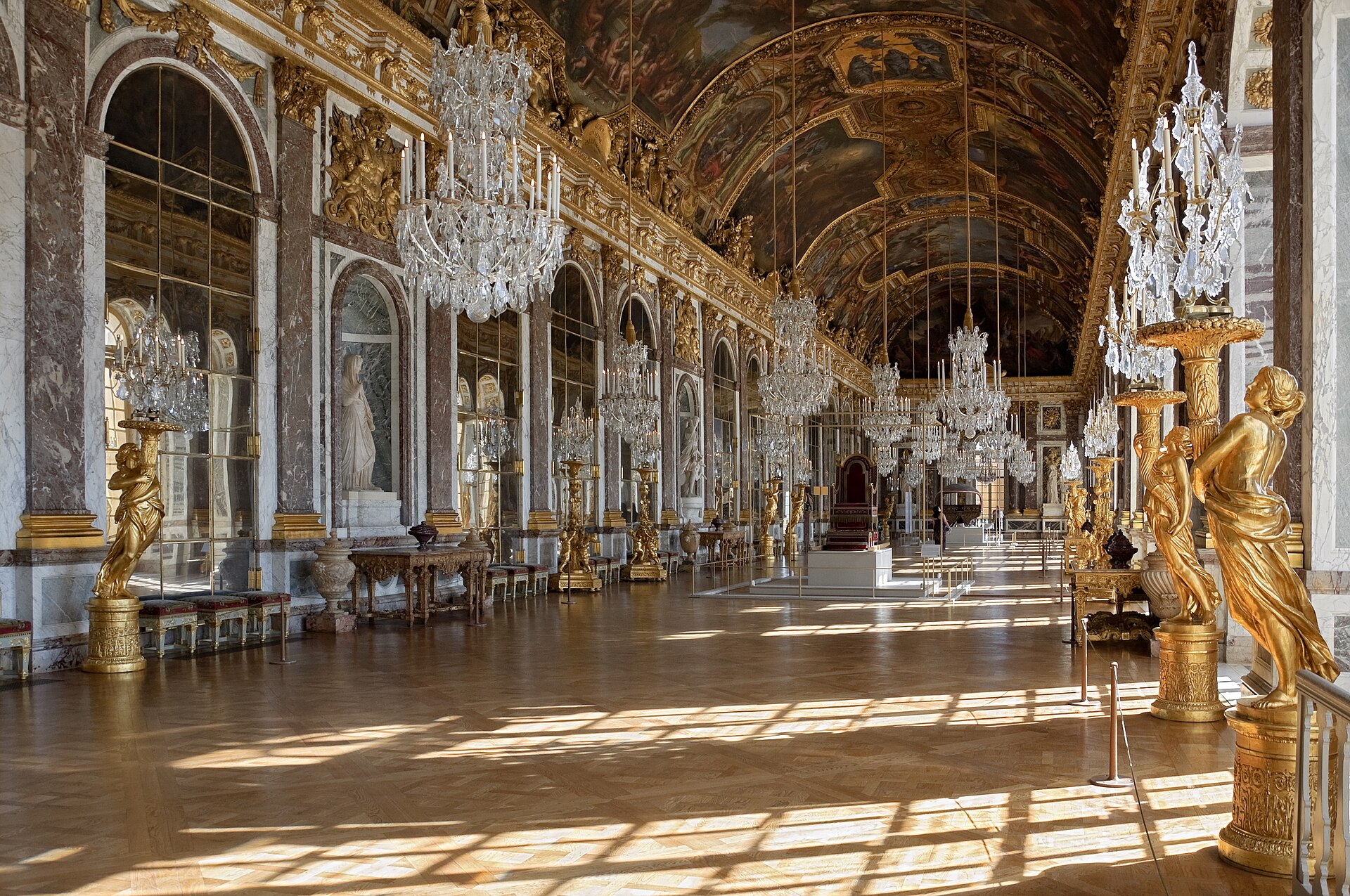
The Paris Museum Pass is a single pass that opens the doors to around fifty museums and monuments in and around the city for two, four or six consecutive days. It covers major names such as the Louvre, the Musée d'Orsay, the Orangerie, the Sainte-Chapelle, the Arc de Triomphe, the Panthéon, the Army Museum and the Palace of Versailles. For travelers who plan to see several sights in a short time, it simplifies ticketing and can save both money and time.
The Paris Museum Pass is an old favorite with museum-heavy itineraries. You buy it for a fixed period, two, four or six consecutive days, and it starts when you first use it. During that window you can enter the participating sites without buying a separate ticket at each, as often as you wish. The list includes around fifty museums and monuments in Paris and the surrounding region, making it one of the best-value ways to cover a lot of ground.
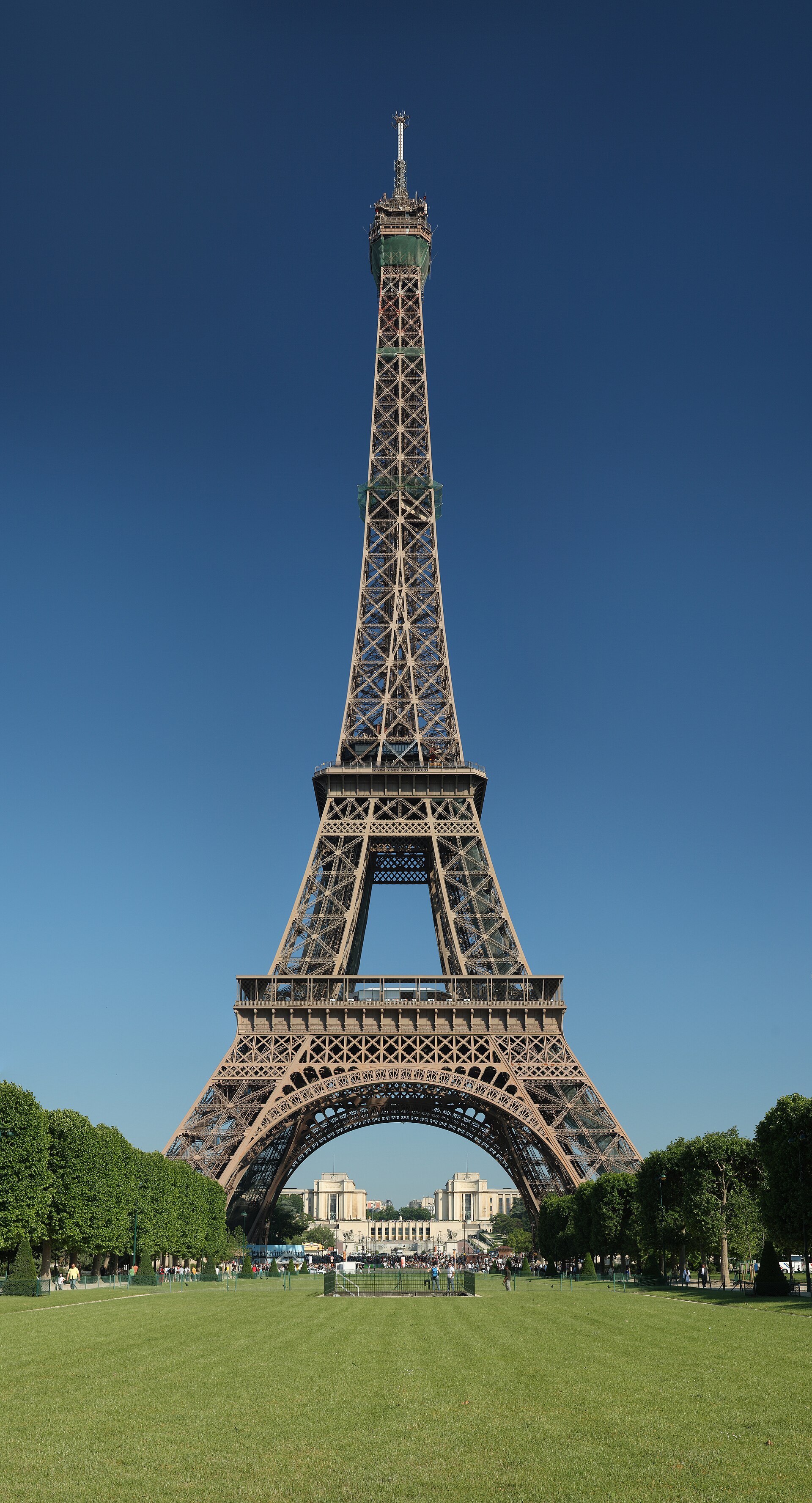
The sites that matter most are all on it: the Louvre, the Musée d'Orsay, the Orangerie, the Musée Rodin, the Musée Picasso, the Army Museum at Les Invalides, the Panthéon, the Conciergerie, the Sainte-Chapelle, the Arc de Triomphe and the Cluny museum, as well as the Palace of Versailles and other sites outside the city. The Eiffel Tower and the Catacombs are not included, so book those separately. The pass is also not a replacement for timed reservations where they are required.
Planning is the key to getting value. Several of the biggest museums now ask for a reserved time slot even for pass holders, so book your slots for the Louvre, the Orsay and any other busy sites as soon as you decide your dates. Museums close on different days, with Monday and Tuesday closures being common, so map your days around the schedule and put the big names on days when they are open.
A pass makes the most sense if you intend to visit at least three or four paid sites in each two-day period.
Compared with buying tickets one by one, the pass offers flexibility: you can drop into a smaller museum on impulse, pop back to a favorite gallery or add a palace on a day trip without a separate purchase. For travelers with only one or two major museums on their list, individual tickets may be cheaper, so count what you actually plan to visit. Combined with timed reservations and a plan for closing days, the pass is a stress-free way to see more of the museum capital.
A simple way to use the pass is to build your itinerary around clusters. Put the Louvre, the Orangerie and the Sainte-Chapelle on one or two days in the center, the Orsay, the Rodin Museum and Les Invalides on a Left Bank day, and the Panthéon and the Cluny museum in the Latin Quarter.
Add Versailles on a day with fewer other plans, since it takes several hours. Start early on each day to finish your must-sees before the crowds arrive, and keep a spare half day for the unexpected, whether that is an extra gallery or simply a long lunch.
What to expect
The experience
A pass valid for two, four or six consecutive days, giving entry to participating museums and monuments. Some sites still require a booked time slot.
Best time
Choose the pass length that matches your museum days. Plan consecutive days to maximize value, and avoid closing days.
How long
Valid for two, four or six consecutive days from first use.
Tips
Book time slots for the Louvre, the Orsay and other busy sites before you arrive. Check weekly closing days. The Eiffel Tower and the Catacombs are not covered. Count your planned visits to decide whether the pass beats individual tickets.
Quick picks
- Best for
- Museum lovers and first-timers planning to see many sites in a few days.
- Families
- Good value if children are keen on museums and you plan several visits; check age-based free entry too.
- Couples
- Flexible for slow, wandering days of art and history.
- Pair with
- A hop-on hop-off bus, a Seine cruise, or the Palace of Versailles day trip.
- Time needed
- Two, four or six days.
Good questions
What does the Paris Museum Pass include?+
Entry to around fifty museums and monuments, including the Louvre, Musée d'Orsay, Orangerie, Sainte-Chapelle, Arc de Triomphe, Panthéon and Versailles.
Is the Eiffel Tower included?+
No. The Eiffel Tower and the Catacombs need separate tickets.
Do I still need to book time slots?+
For the busiest sites, yes. Reserve your slots as early as you can once you know your dates.
How long is the pass valid?+
Two, four or six consecutive days, starting from your first visit.
Is it worth it?+
If you plan at least three or four paid sites in each two-day period, usually yes. For one or two big museums, individual tickets may be better.