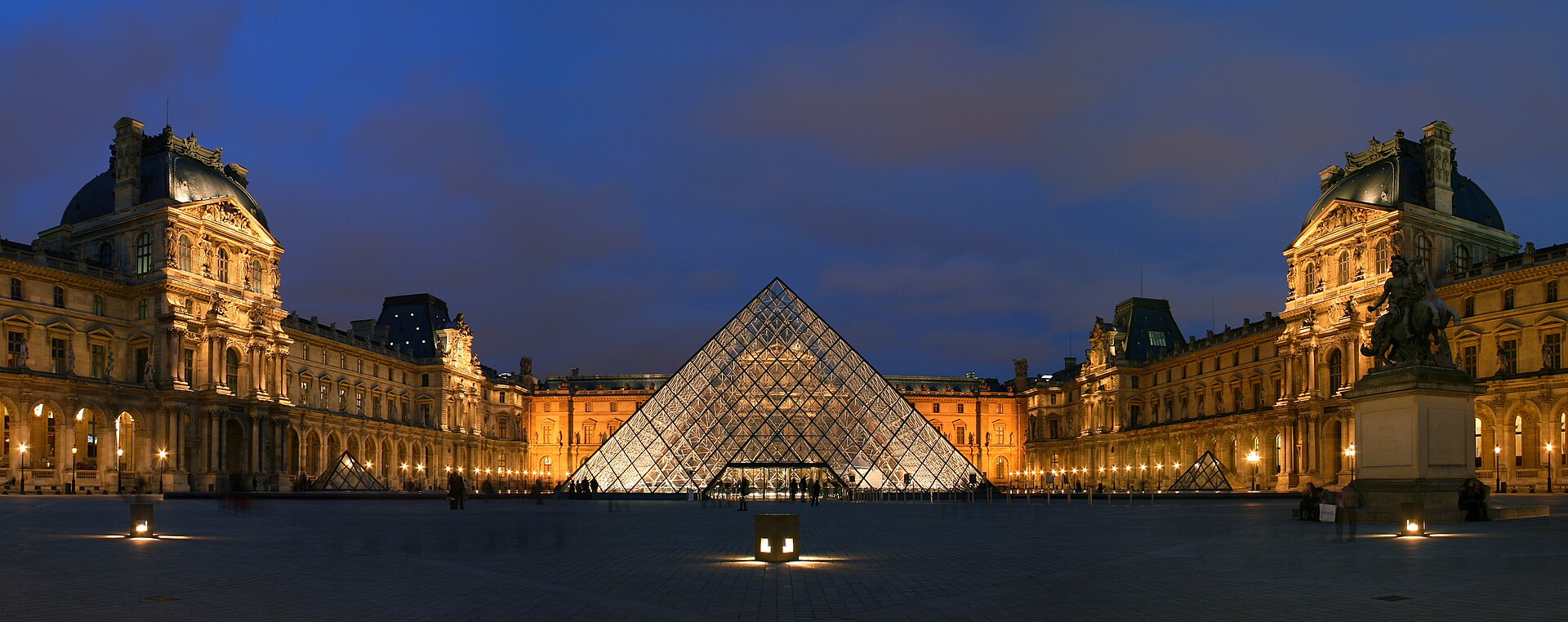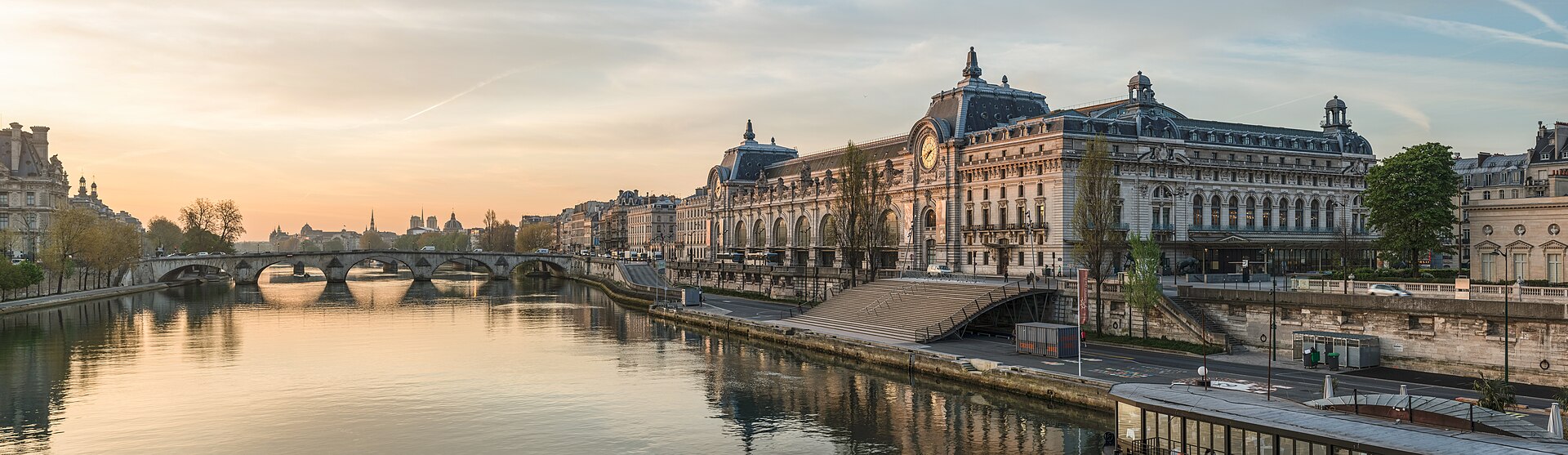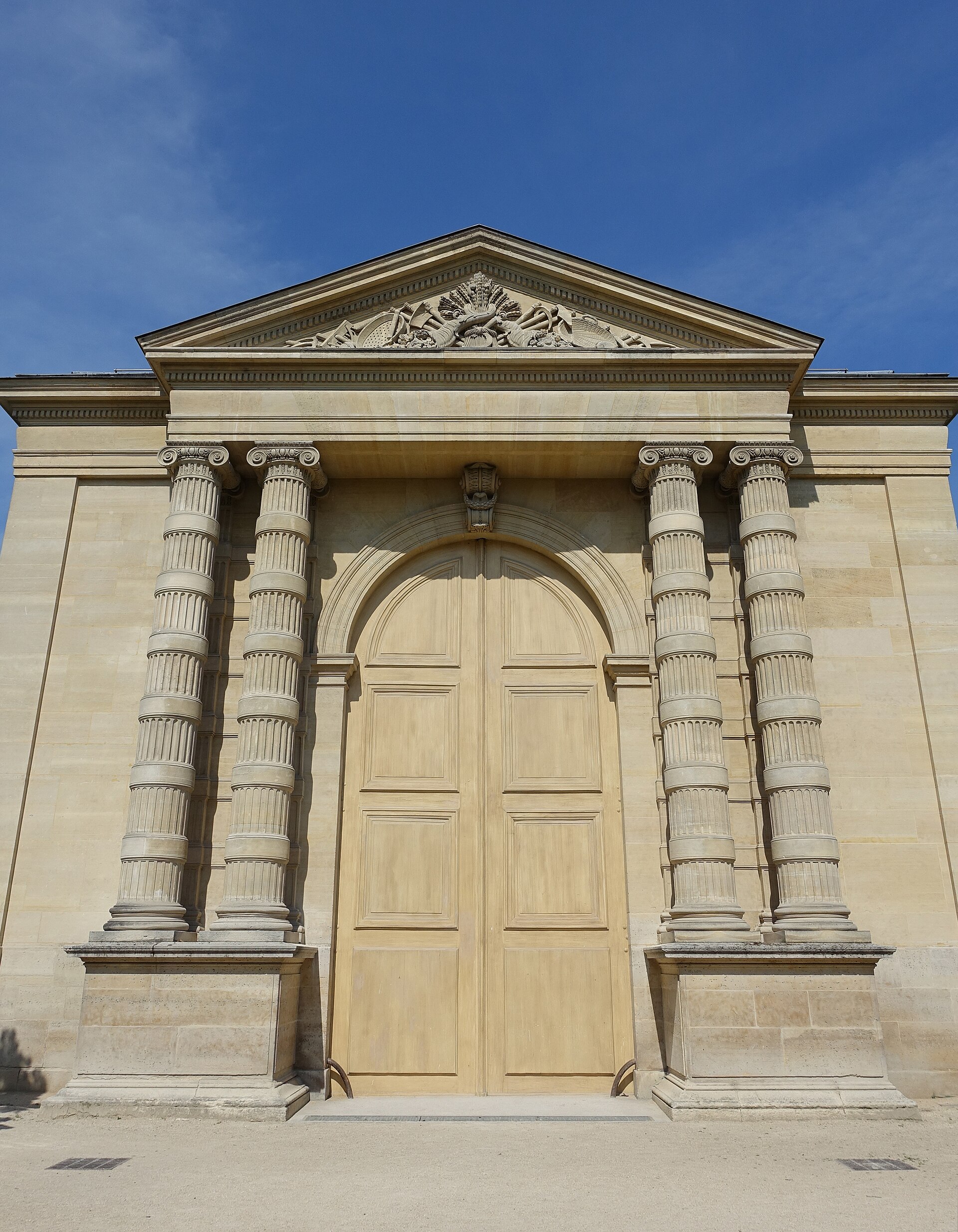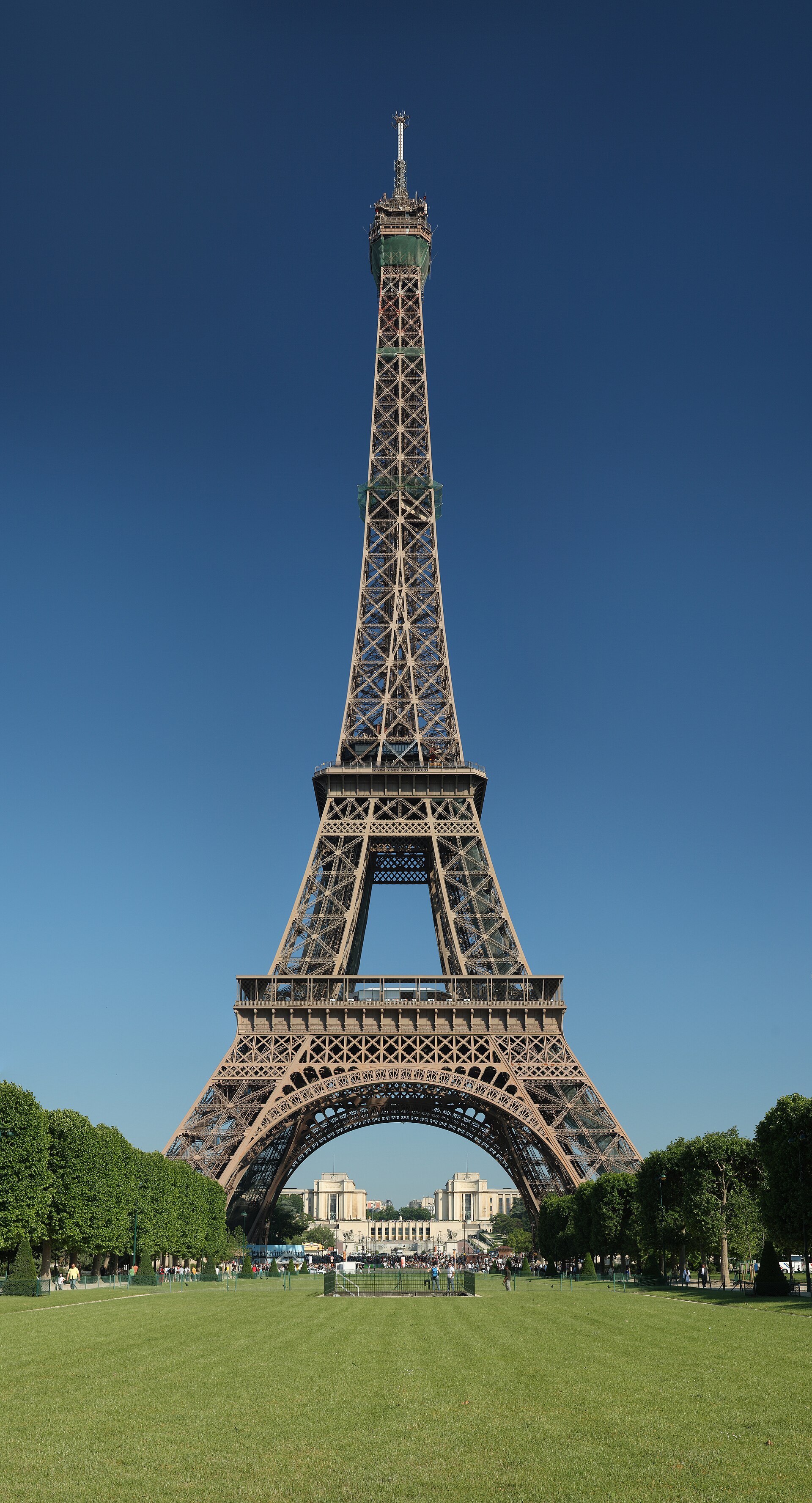
The Tuileries is the garden every Paris trip crosses and the one worth slowing down for: the 23-hectare formal masterpiece between the Louvre and Place de la Concorde — André Le Nôtre's 1664 proof-of-concept for Versailles (he grew up in a gardener's cottage on these grounds; the central allée he drew became the Axe Historique running Louvre-Concorde-Champs-Élysées-Arc de Triomphe-La Défense: stand at the round pond's west rim and the whole imperial perspective fires in one line) — now the Louvre's garden wing and the city's grandest free promenade: the two round ponds ringed by the green chairs (the Luxembourg's sage cousins — claim one, tip it back, and join the oldest leisure ritual in Paris), the grand allée's crushed-stone sweep under double chestnut ranks, the sculpture collection scattered museum-dense (Maillol's bronzes in the Carrousel hedges, Rodin and Giacometti casts along the terraces, contemporary commissions rotating through), the elevated terraces along the Seine and Rivoli (the river terrace walk is the connoisseur's route — Seine on one side, garden below the other), and the two museum pavilions bookending the west: the Orangerie (Monet's Water Lilies in their oval rooms — the garden's own masterpiece annex) and the Jeu de Paume's photography. The seasonal layer: the summer Fête des Tuileries' Ferris wheel and fair (June-August, the big wheel's garden views), November's FIAC-era art drops, the autumn chestnut gold, and the Christmas market spillover from the Concorde end. The craft: morning light down the axis for photographers, the chairs at the octagonal pond for the Concorde-and-tower sightline, the Rivoli terrace for the rain-adjacent arcade bailout, and the pairing logic built in — Louvre before, Orangerie after, Concorde's obelisk closing the walk. Free always, dawn-to-dusk.
The garden's history carries the missing palace: the Tuileries Palace — the Louvre's royal twin, begun 1564 for Catherine de Médicis on old tile-works (tuileries) ground — ran along the garden's east edge until the Commune burned it in 1871 (the Republic demolished the ruin; the Louvre's open western arms still reach for it), leaving Le Nôtre's garden as the palace's survivor: the Revolution played out across it (the royal family's forced 1789 move here, the 1792 storming's massacre of the Swiss Guard on these parterres), Napoleon ruled from it, and the garden absorbed it all into leisure. Le Nôtre's design lesson rewards the look: the central axis's false-flat perspective (the ponds sized differently to read equal), the terraces' theater-box geometry, and the apprenticeship it served — the Tuileries was his Versailles rehearsal, and reading one explains the other.
The inventory for the slow crosser
The Grand Bassin Rond's chair culture (west end — the Concorde, obelisk and tower align), Maillol's eighteen bronzes in the Carrousel garden's hedge rooms (the single best free sculpture visit in Paris), the Arc du Carrousel's pink marble (Napoleon's Venice-horses arch, the axis's first monument), the river terrace's bouquinistes-adjacent calm, the north terrace's Rivoli arcades bailout, and the west terrace's twin pavilions — the Orangerie's Water Lilies ovals (Monet designed the rooms himself; the garden-to-lilies sequence is the correct order) and the Jeu de Paume's photo shows. The seasonal craft: the summer fair's wheel earns its ticket at dusk, autumn gold peaks early November, and the garden's café kiosks under the chestnuts beat the Rivoli tourist rows.
Practicals and fit
Métro Tuileries or Concorde, free dawn-to-dusk, chairs free, 45 minutes crossing or a half day lingering. Fit: every first trip (the axis IS the orientation), families (chairs, ponds, the fair in season, toy boats some summers), couples (the west pond at dusk), and museum-day engineers — Louvre, garden exhale, Orangerie is the city's best-paced art day.
What to expect
The experience
Le Nôtre's 23-hectare axis from Louvre to Concorde — round-pond chair culture, chestnut allées, museum-dense sculpture and the Orangerie's Water Lilies at the far corner — free, dawn to dusk.
Best time
Morning light fires down the axis for photographers; dusk at the west pond aligns obelisk and tower; the summer fair adds the Ferris wheel June-August.
How long
Forty-five crossing minutes or the lingering half day.
Tips
Stand at the round pond's west rim — the Louvre-to-Arc perspective fires in one line. Find Maillol's bronzes in the Carrousel hedges. Louvre, garden, Orangerie is the correct museum-day order.
Quick picks
- Best for
- First trips — the axis IS the orientation lesson, and every route crosses it anyway.
- Families
- Chairs, ponds, the summer fair's wheel, and sculpture hide-and-seek in the hedge rooms.
- Couples
- The west pond at dusk — obelisk, tower and fountain spray in one tipped-back chair.
- Pair with
- The Louvre before, the Orangerie's Water Lilies after, Concorde's obelisk closing the walk.
- Time needed
- One golden crossing, or the paced museum day around it.
Good questions
What is the Axe Historique?+
The imperial sightline Le Nôtre drew from this garden — Louvre, Concorde obelisk, Champs-Élysées, Arc de Triomphe, La Défense in one straight fire — best read from the round pond's west rim.
Where did the palace go?+
The Tuileries Palace ran along the garden's Louvre end until the 1871 Commune burned it — the Republic cleared the ruin, and the Louvre's open arms still reach for its ghost.
What sculpture should we find?+
Maillol's eighteen bronzes in the Carrousel garden's hedge rooms — the best free sculpture visit in Paris — plus Rodin and Giacometti casts along the terraces and rotating contemporary drops.
Is the Orangerie part of it?+
It bookends the garden's west terrace — Monet designed its oval Water Lilies rooms himself, and walking garden-then-lilies is the sequence he intended.
When is the Ferris wheel up?+
The Fête des Tuileries runs roughly June through August — the big wheel's garden-and-axis views earn the ticket at dusk.