Paris is compact, walkable and beautifully connected, but getting the logistics right makes a big difference to how much you enjoy it. This guide covers the main ways to get around, when a pass pays for itself and how to combine transport and ticketing into a smooth plan.
Walking is the default
The core of Paris, from the Louvre to the Marais and across to the Left Bank, is best explored on foot, and many of the best moments are unplanned: a hidden square, a bakery, a bridge at dusk. Distances in the center are shorter than they look on a map, and the river gives you a natural guide to orient yourself. Comfortable shoes are the most useful thing you will pack, since cobblestones and long museum days add up.
The metro
The Paris metro is dense, fast and cheap compared with most capitals, with stations every few hundred meters in the center. Lines are numbered and named by their end stations, and signs make it easy to follow once you have the pattern. Buy tickets or a travel pass at the station machines, and keep your ticket until you leave in case of checks. Rush hours are busy, and it is wise to guard your belongings, as in any big transit system. The RER, the regional express network, connects the center with Versailles, Disneyland and the airports.
Buses and boats
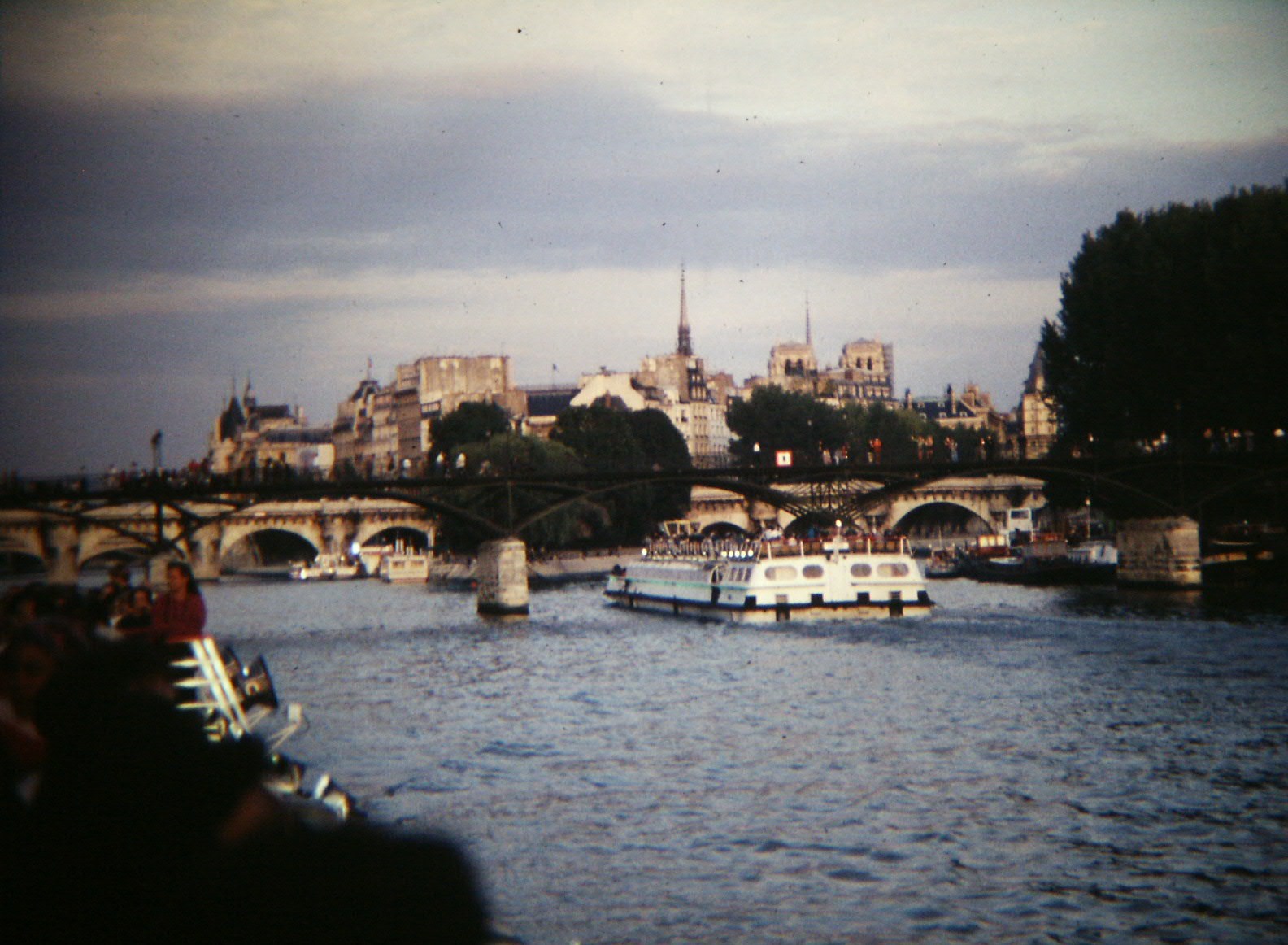
Regular city buses are an underused way to see the streets above ground, and some routes pass major sights at a fraction of the cost of a tour. On the water, river shuttles and cruises give a very different view. A Seine cruise is more of an experience than a transport option, but it is a relaxing way to cover the main landmarks in an hour, and it works well on the first or last evening.
Hop-on hop-off buses
An open-top bus with a pass for one or two days can be a smart way to orient yourself on the first day. The loop links the Eiffel Tower, the Champs-Élysées, the Opéra, the Louvre, Notre-Dame and the Musée d'Orsay, with commentary in many languages. Ride the full circuit first, then hop off at the places you want to explore. It suits first-time visitors, families with tired children and anyone with limited time. Traffic can slow it down, so do not rely on it for tight timed entries.
The Museum Pass
If you plan to visit several museums and monuments, a Paris Museum Pass for two, four or six consecutive days covers around fifty sites, including the Louvre, the Orsay, the Orangerie, the Sainte-Chapelle, the Arc de Triomphe and Versailles. The Eiffel Tower and the Catacombs are not included. Count your intended visits before you buy, and remember that the busiest museums may still require a reserved time slot even for pass holders. The pass is excellent value for museum lovers, and unnecessary for someone seeing only one or two big sights.
Booking timed entry
Many of Paris's most popular attractions, the Eiffel Tower, the Louvre, the Orsay, the Sainte-Chapelle and the Catacombs among them, use timed entry, so planning ahead pays off. Book the tower and the Catacombs as soon as your dates are fixed, then fit the more flexible sights around them. Weekly closing days differ by museum, with Monday and Tuesday being common, so build your days around them.
Day trips and airports
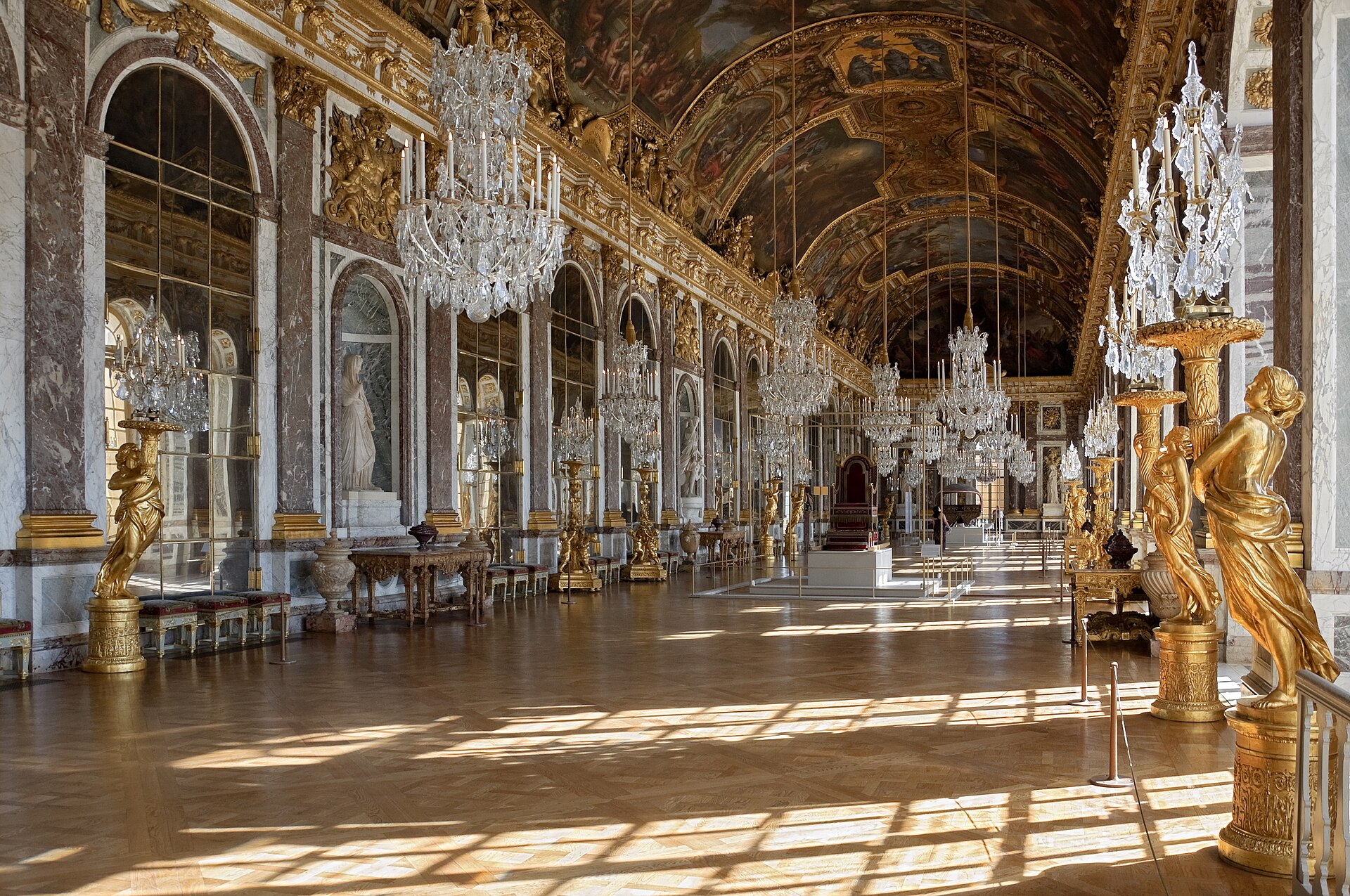
Versailles, Giverny and Disneyland are all easy day trips by train or organized tour. Guided options handle transport and entry in one step, which is helpful when you are short on time. For airport transfers, the RER B connects Charles de Gaulle with the center, and taxis and ride-hailing use fixed or metered fares. Allow generous time on departure days, since traffic and security can add delays.
Putting it together
For a first visit of four days, a simple plan works well. Day one: orient yourself with a hop-on hop-off loop or a river cruise and see the Eiffel Tower. Day two: a Museum Pass day with the Louvre and the Orangerie. Day three: the Orsay, Rodin and Les Invalides on the Left Bank, mostly on foot. Day four: a day trip or Montmartre and an evening show. Keep a half day free for the unplanned, and you will see the best of Paris without rushing.