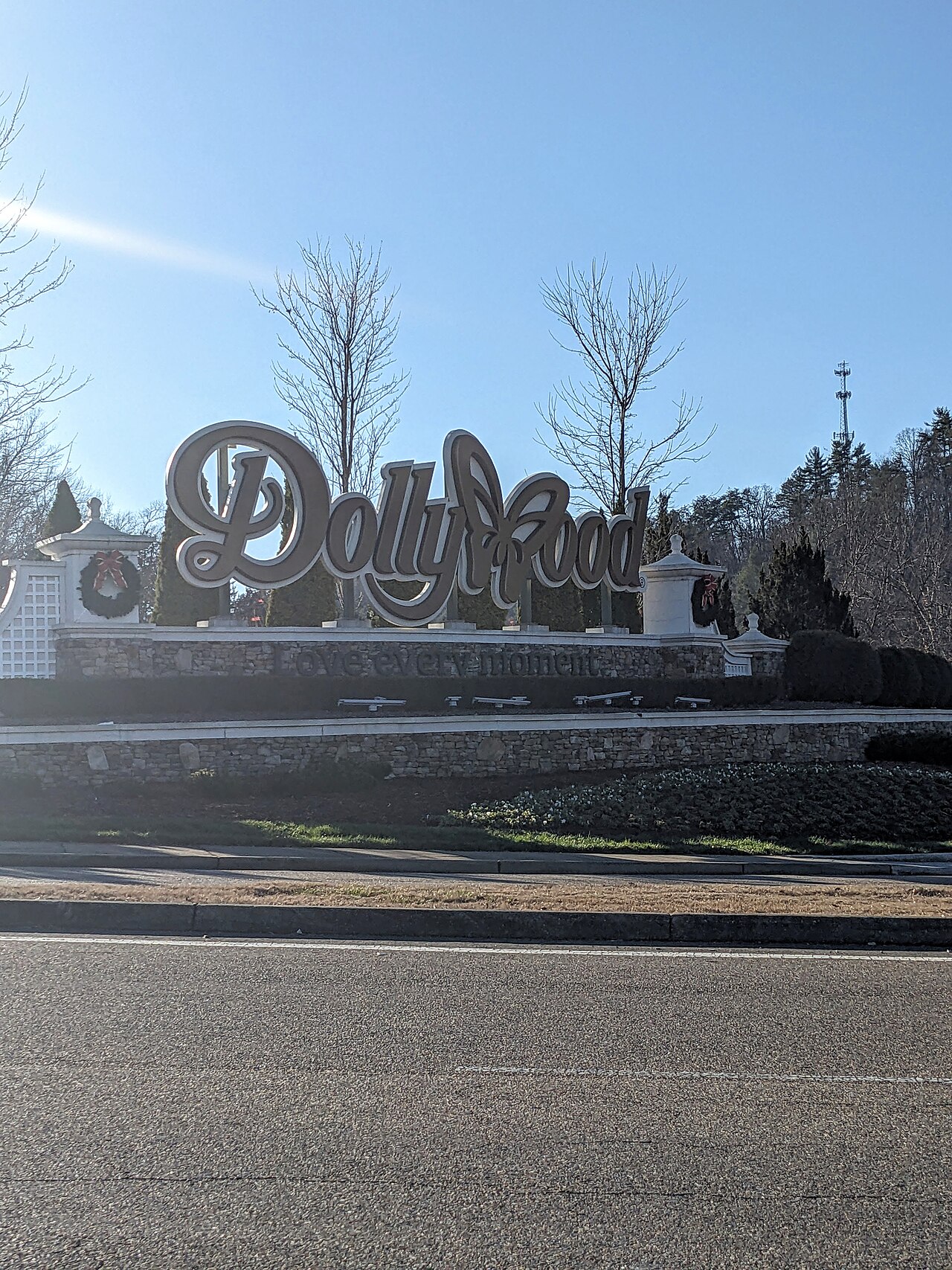
Pigeon Forge confuses first-timers because it's three destinations wearing one traffic jam: a theme-park town (Dollywood's), a mountain village (Gatlinburg, ten minutes up the road), and America's most-visited national park rising free behind both. Sequence them right and the corridor is one of the easiest great trips in the country. Here's the foundation.
The geography
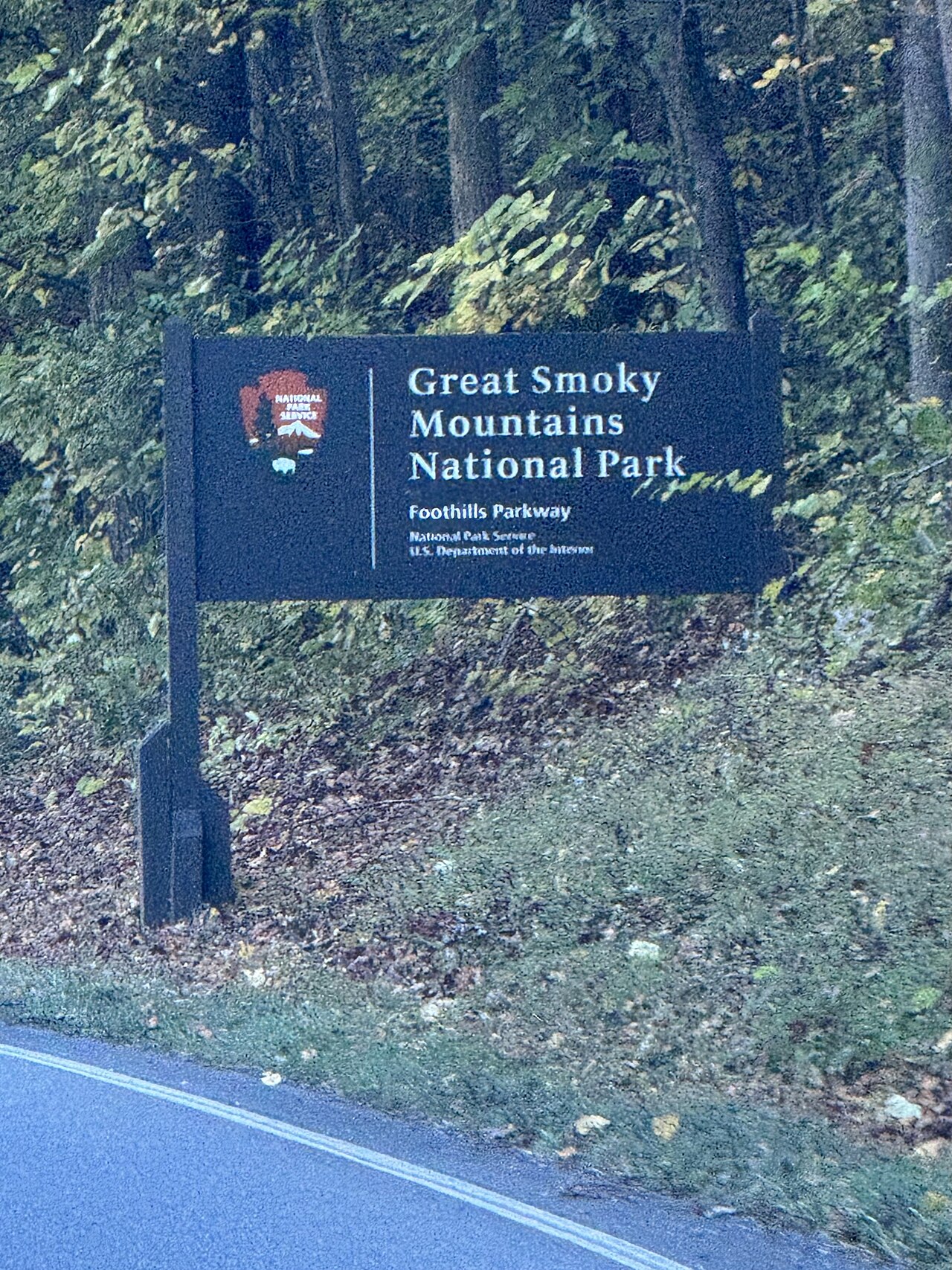
Everything hangs off one spine. Pigeon Forge's Parkway runs five miles of theaters, museums, and neon — addresses given by numbered traffic lights (the Island is at light #3, the Old Mill #7, Alcatraz East #8). Dollywood sits in the hills ten minutes east of it. Continue south and the Parkway becomes the Spur, a wooded five-mile connector to Gatlinburg — smaller, walkable, pressed against the park boundary, home of the aquarium, SkyLift, and Anakeesta. Past Gatlinburg's last light is Sugarlands Visitor Center and half a million free acres of Smokies. Wears Valley Road is the quiet back way (and the alpine coaster's address); Sevierville, north, is outlets and the airportward approach.
The traffic truth
The corridor's one real tax is Parkway traffic — summer Saturdays and October weekends crawl. Locals' tools, now yours: the parallel Teaster Lane and Veterans Boulevard bypasses in Pigeon Forge, the Gatlinburg Bypass around downtown, dawn starts for the park, and the excellent trolley systems in both towns (park once, ride all day). Build days geographically — a Pigeon Forge day, a Gatlinburg day, a park day — rather than ping-ponging the Spur.
What to book ahead
Dollywood dated tickets (online beats the gate; festival weekends sell out), the Stampede and Hatfield & McCoy dinner shows (days-to-weeks ahead; months for the November-December Christmas editions), Anakeesta timed entry in peak season, cabins and the Dollywood resorts for summer, October, and Winterfest. Walk-up friendly: the national park (buy the $5 parking tag online), the Island, the Old Mill, the alpine coaster, the SkyLift outside peak evenings, and the museums midweek.
When to come
The corridor is genuinely year-round. March-May brings Dollywood's Flower & Food Festival and waterfalls at full flow; summer is peak family season (book everything, embrace the pool hours); September-October is the sweet spot of festivals and fall color (and the crowds that come for it — go midweek); and November-February is Winterfest, when millions of lights string both towns, the Christmas shows run, and lodging deals appear between the holiday weekends. January-February is the quiet bargain window — Dollywood sleeps, but the park, lights, and indoor bench carry a cheap cozy trip.
The budget shape
Lodging and food run reasonable; tickets are where the money goes (a family doing Dollywood, a dinner show, and two attractions spends real money — see the budget guide for the counterweights). The park itself, the corridor's best thing, costs five dollars a day in parking.
A first three days
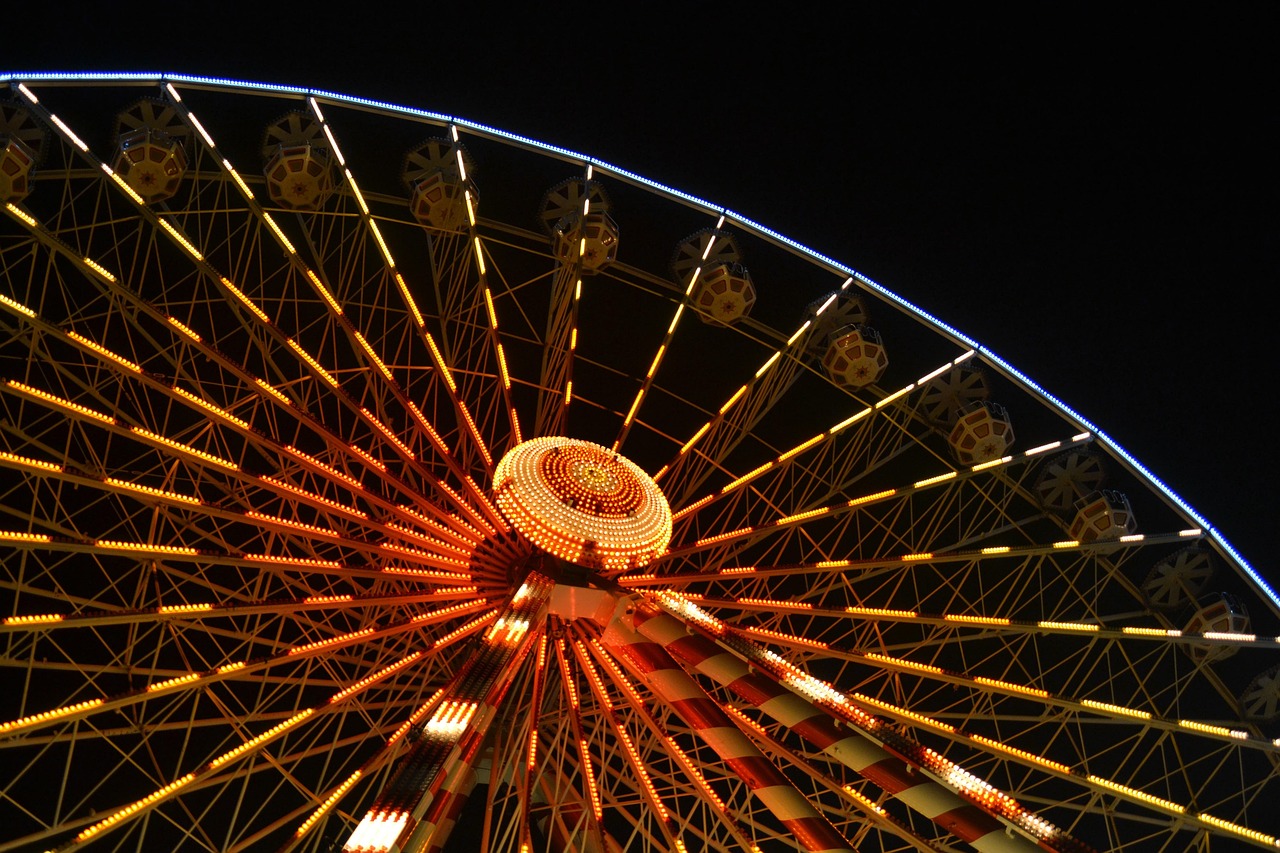
Day 1 — Dollywood at rope drop (full day), then collapse at the Island: wheel at dusk, fountain show, late dinner. Day 2 — the park: Cades Cove at dawn or Laurel Falls mid-morning, picnic, then Gatlinburg afternoon — aquarium or Anakeesta — and the SkyBridge lit after dark. Day 3 — Old Mill pancakes, a Parkway museum morning (Titanic or Alcatraz East), alpine coaster afternoon, dinner show finale (Stampede for spectacle, Hatfield & McCoy for comedy). Swap freely — only the dinner shows and Dollywood dates punish improvisation.