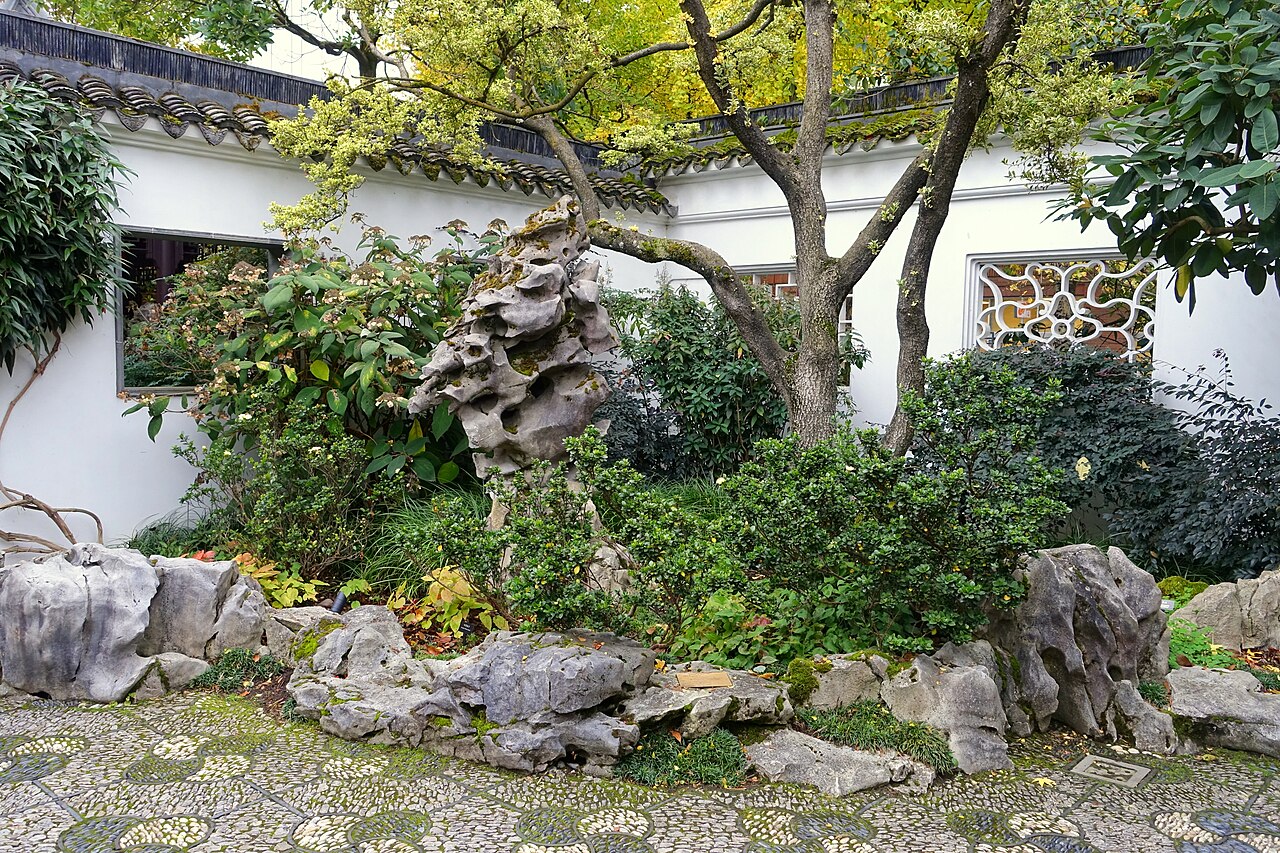
The Portland Japanese Garden is the single experience that most often turns a casual Portland visit into a memorable one, and it earns its reputation slowly, at walking pace. Founded in 1963 as a gesture of healing between Japan and the United States less than two decades after the Second World War, it occupies twelve acres of steep, forested hillside in Washington Park, above the International Rose Test Garden, and it was designed from the start as a sequence of distinct garden types rather than one big landscape. The classic five are all here: the Flat Garden, an open composition of raked gravel and clipped shrubs best seen from the pavilion veranda; the Strolling Pond Garden, with its zigzag bridge, koi, waterfall and the moon bridge that photographers queue for in October; the Tea Garden, with a rustic tea house reached along a dewy path meant to shed the everyday world; the Natural Garden, a quiet, shaded hillside of streams, ferns and moss; and the Sand and Stone Garden, a dry landscape of raked gravel and set stones in the karesansui tradition. In 2017 the Cultural Village expansion, designed by the Japanese architect Kengo Kuma, added a gallery pavilion, a learning center, a library, the Umami Café overlooking the hillside, and a castle-style stone wall built by a master stonemason from Japan, so that the arrival now feels like entering a small hill town. Admission covers the gardens, the Pavilion Gallery and its rotating art exhibitions, and the café; entry is by timed ticket, best bought online up to ten days ahead, and free guided tours are included but booked separately. The garden is closed on Tuesdays and keeps shorter hours in winter, so check the current schedule before you go.
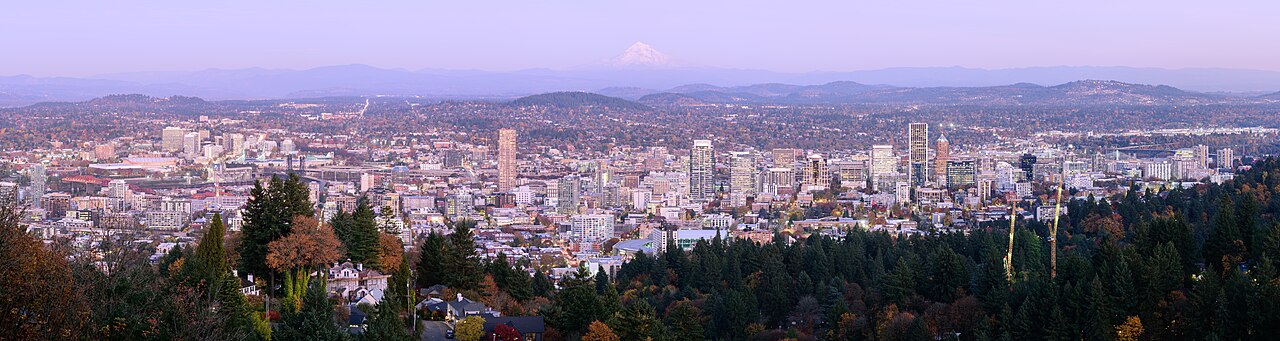
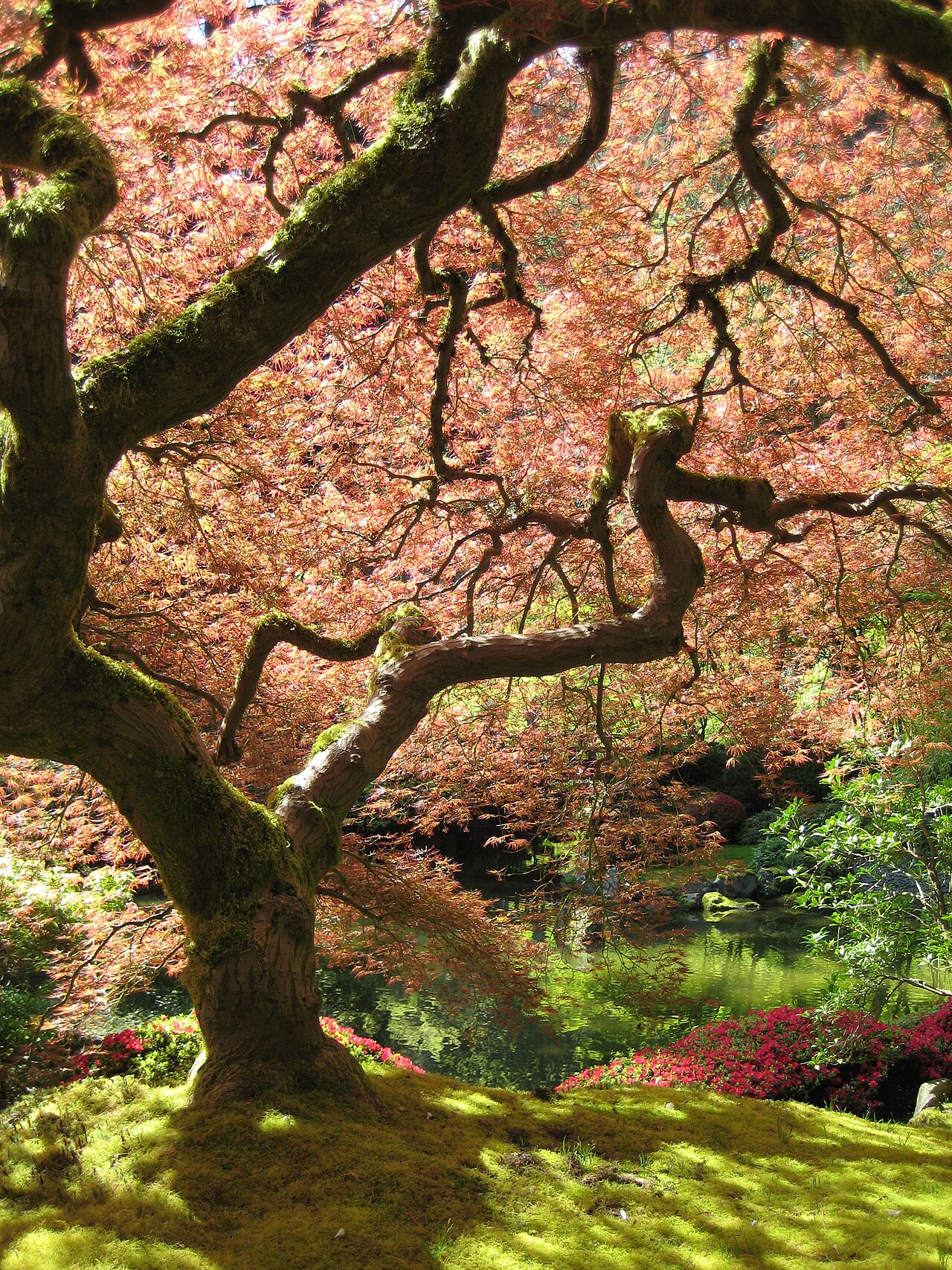
Why it is worth the ticket: Japanese gardens are usually described in superlatives, but this one is genuinely different because of its setting. The hillside forces you to climb and descend, which turns the visit into a series of reveals — a waterfall heard before it is seen, a framed glimpse of the city, a sudden open terrace — and the Pacific Northwest climate does the rest. Moss thrives in the damp, maples flare red and gold from mid-October into November, azaleas and irises bloom in spring, and winter brings a stark, quiet beauty that many regulars prefer. On a clear day, the view east from the pavilion terrace takes in downtown Portland with Mount Hood floating behind it, one of the defining images of the city.
How to see it well: book the earliest timed entry you can, because the paths are narrow and the garden's whole point is stillness, which is harder to find at midday on a sunny weekend. Start at the Flat Garden and pavilion for orientation, drop down through the Strolling Pond Garden while it is quiet, then circle back through the Tea Garden, Natural Garden and Sand and Stone Garden before finishing at the Cultural Village with tea at the Umami Café. Join one of the free guided tours if you can; docents explain how stones, water and plants are arranged to suggest larger landscapes, and the garden suddenly reads like a text. Allow at least ninety minutes, and two hours if you plan to linger. Paths include steps and slopes, so wear comfortable shoes; visitors using wheelchairs or strollers will find the Flat Garden, Pavilion Gallery and Cultural Village the most accessible areas, and the garden offers a discount for guests who cannot see the whole site.
Getting there and fitting it into a day: Washington Park parking fills quickly and costs money, so many visitors take the MAX Red or Blue Line to Washington Park station and ride the free Explore Washington Park shuttle to the garden entrance. The International Rose Test Garden is directly below, across the road, making the two a natural pair; the Oregon Zoo, Hoyt Arboretum and the Wildwood Trail are elsewhere in the same park. The garden is not cheap, photography with tripods carries a fee, and tickets are non-refundable, but few attractions in Portland offer so much calm per dollar. Come in the rain if you have to: the moss glows, the crowds thin, and the garden looks exactly as it was designed to look.
What to expect
The experience
A ticketed hillside garden of distinct Japanese garden styles, a Kengo Kuma-designed Cultural Village with gallery and café, and free docent tours included with admission.
Best time
First entry of the day for stillness; mid-October to early November for the maples; a soft rainy weekday for moss and solitude.
How long
Ninety minutes at a steady pace; two hours with a tour and tea.
Tips
Buy a timed ticket online in advance. The garden is closed Tuesdays and keeps shorter winter hours. Use MAX and the free Washington Park shuttle rather than fighting for parking. Wear shoes for steps and slopes.
Quick picks
- Best for
- Anyone who wants the most beautiful, contemplative hour in Portland.
- Families
- Fine for calm older children who enjoy koi and bridges; toddlers and strollers will find the steps limiting.
- Couples
- Excellent — an early slot, the moon bridge, and tea overlooking the hillside.
- Pair with
- The International Rose Test Garden directly below, then lunch on NW 23rd Avenue.
- Time needed
- A half day with the rose garden.
Good questions
Do I need to book tickets in advance?+
It is strongly recommended. Entry is by timed ticket, slots can sell out on busy days, and tickets can be booked up to ten days ahead. They are non-refundable but can be exchanged up to a day before.
What days is the Portland Japanese Garden closed?+
It is closed on Tuesdays and on a few major holidays such as Thanksgiving, Christmas and New Year's Day. Hours are shorter in winter, so check the official schedule.
When is the best time of year to visit?+
Autumn, from mid-October into November, is the most famous season for the maples, but spring azaleas and irises, summer green and quiet winter rain all have devoted fans.
How do I get there without a car?+
Take the MAX Red or Blue Line to Washington Park station, then the free Explore Washington Park shuttle, which stops near the garden entrance and at the rose garden.
Is the garden accessible for wheelchairs and strollers?+
Partly. The hillside has steps and steep paths, but the Flat Garden, Pavilion Gallery and Cultural Village are more accessible, and the garden publishes a pathways map and offers a discount for guests who cannot see the whole site.