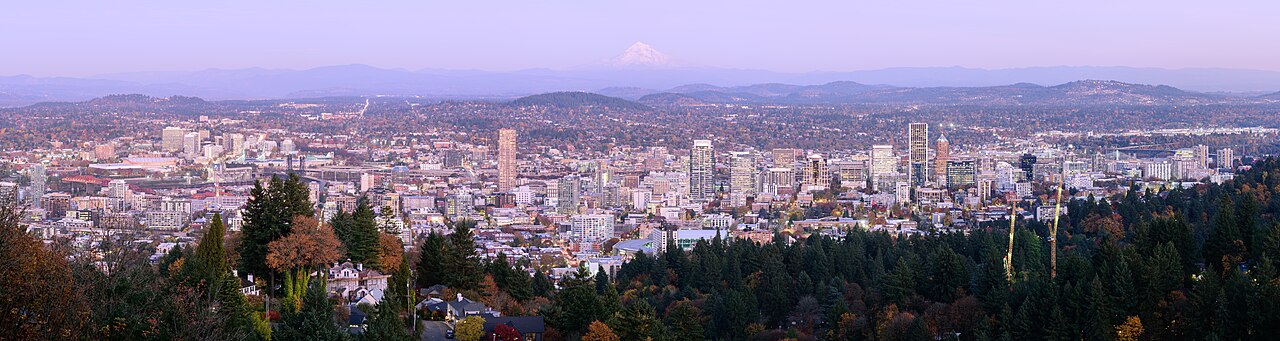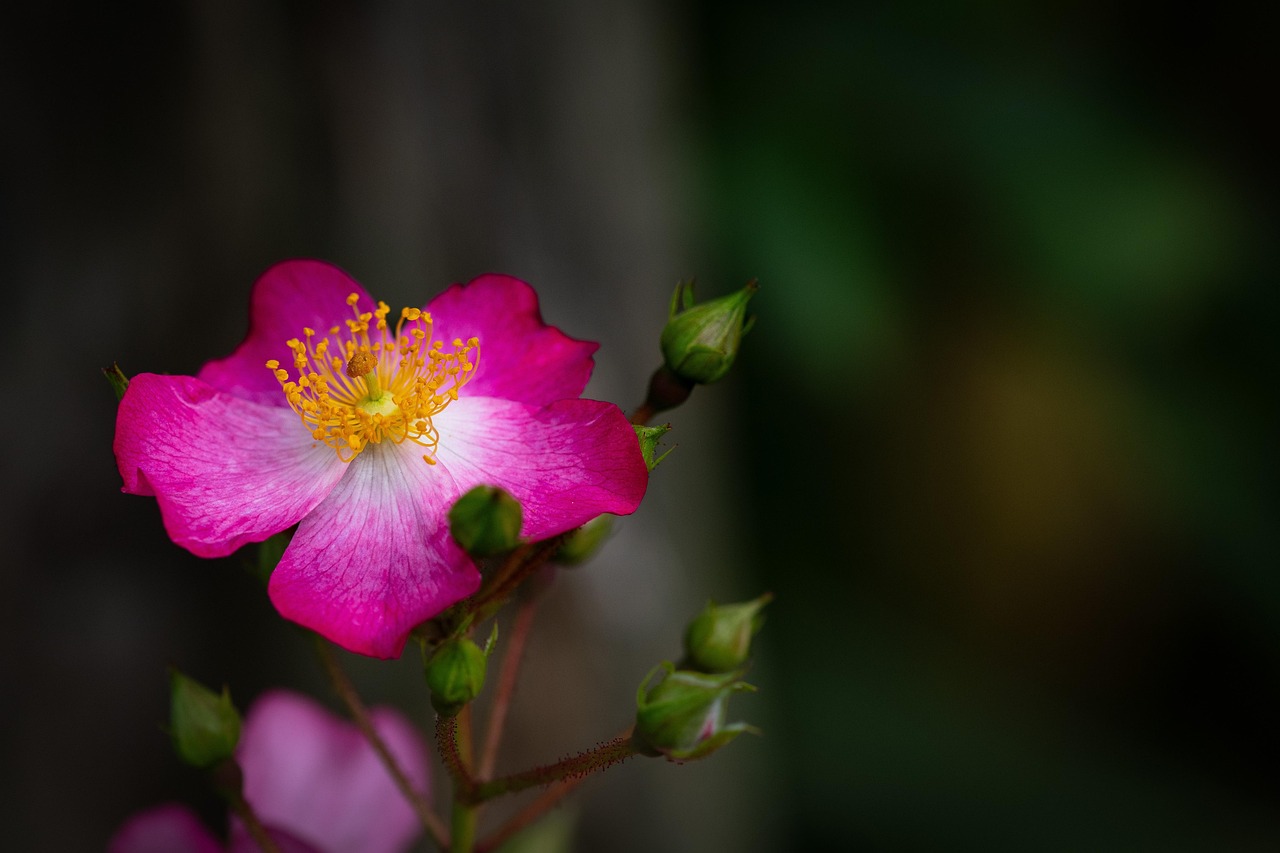
The International Rose Test Garden is Portland's signature free attraction and the most cheerful place in the city from late May through early autumn. Founded in 1917, it is the oldest continuously operating public rose test garden in the United States, and it was created for a practical reason: during the First World War, rose growers in Europe feared that bombing would wipe out their hybrid varieties, and Portland offered its mild, damp climate as a safe testing ground. Today the terraces in Washington Park hold more than 10,000 rose bushes in hundreds of varieties, including new cultivars sent by breeders from around the world for trial before they reach the market. The layout rewards a slow circuit. The Gold Medal Garden displays the winners of Portland's annual Gold Award, given since 1919; the Shakespeare Garden, dedicated in 1945, grows roses named after characters from the plays and has a quiet, enclosed feel; the Royal Rosarian Garden honors the city's ceremonial rose ambassadors with roses named for their past prime ministers; and the long main terraces step down the hillside with views across downtown to Mount Hood when the weather cooperates. There is also a small amphitheater used for summer concerts and events. Entry is free every day, with paid and free guided tours offered by the city and the Friends of the garden. The roses peak in late May and June, which coincides with the Portland Rose Festival, but a second strong flush often arrives in late summer, and blooms continue into October. In winter the bushes are pruned back hard, so the garden is a pleasant walk with a view rather than a floral spectacle.
The test garden is more than a pretty hillside. Breeders send unreleased roses here to be grown and judged over two years for qualities such as disease resistance, fragrance, flower form and overall vigor, and the results inform the Portland Gold Award. Look for the small labels on the test beds: many of the roses you see in the trial sections have numbers rather than names because they are not yet on the market. Rose lovers can spend hours comparing fragrance and color, while everyone else can simply enjoy the scent drifting across the terraces on a warm June evening. The garden is a centerpiece of the annual Portland Rose Festival, a citywide celebration with parades and events in late spring and early summer, and the festival period is when the hillside is busiest and most photogenic.
Practicalities matter here because the garden's popularity outstrips its parking. Paid street parking runs along SW Rose Garden Way and the nearby lots, payment is required everywhere, and spaces fill quickly on sunny weekends and during events. The easiest approach is the MAX Red or Blue Line to Washington Park station, then the free Explore Washington Park shuttle, which stops at the garden; fit walkers can also climb up from Goose Hollow, about a mile away. The garden is open daily, though it closes for early-morning maintenance on some Wednesdays in summer, and there is little shade, so bring water and sun protection on hot days. Restrooms and a gift shop are nearby.
How to make the most of it: come early in the morning for soft light, dew on the petals and empty paths, or in the hour before sunset when the terraces glow and the city lights begin to appear below. Pair it with the Portland Japanese Garden just uphill — the contrast between the riot of roses and the restraint of the Japanese garden is one of the best half-days in the city — and if you still have energy, follow the Wildwood Trail toward Pittock Mansion or descend to NW 23rd Avenue for lunch. Families will find plenty of space for children to roam, and couples will find few better places in Portland for a free, fragrant walk.
What to expect
The experience
A free, open-air terraced garden of more than 10,000 rose bushes, with themed sections, test beds of unreleased varieties, and city and mountain views.
Best time
Late May through June for peak bloom; early morning or the hour before sunset for light and space. Winter is a view-only visit.
How long
Forty-five minutes for a circuit; longer for serious rose lovers.
Tips
Take MAX to Washington Park and the free shuttle — parking is paid and scarce. Bring water and sunscreen; there is little shade. Combine with the Japanese Garden uphill.
Quick picks
- Best for
- Everyone visiting between late May and early October, and anyone wanting a free highlight.
- Families
- Very good: open lawns, paths and space to explore, though children should stay out of the beds.
- Couples
- A classic sunset stroll among the roses with the city below.
- Pair with
- The Portland Japanese Garden directly uphill.
- Time needed
- An hour, or a half day with the Japanese Garden.
Good questions
Is the International Rose Test Garden free?+
Yes. Entry is free every day. Parking in Washington Park is paid, and some guided tours carry a fee, while volunteer-led tours are free.
When are the roses in bloom?+
Bloom runs from late May through October, with the strongest display in late May and June. A second flush often arrives in late summer.
Why is it called a test garden?+
Breeders send new, unreleased roses to be grown and judged for qualities like disease resistance and fragrance. It has operated continuously since 1917, the oldest such public garden in the United States.
How do I get there by public transport?+
Take MAX Red or Blue Line to Washington Park station and ride the free Explore Washington Park shuttle, which stops at the garden. Goose Hollow is about a mile's walk uphill.
Is it worth visiting in winter?+
Only for the view and a walk. The bushes are pruned back in winter, so plan a winter visit around the Japanese Garden or Pittock Mansion instead.