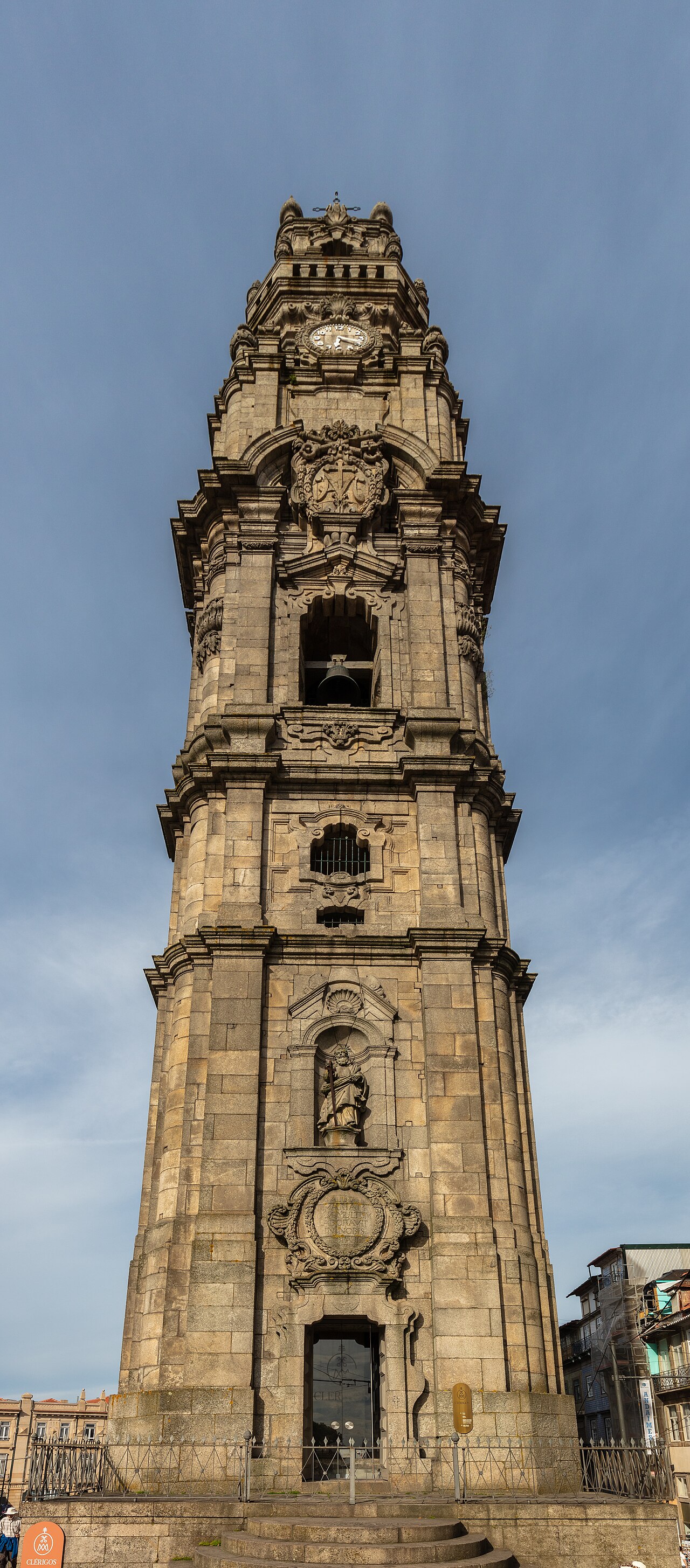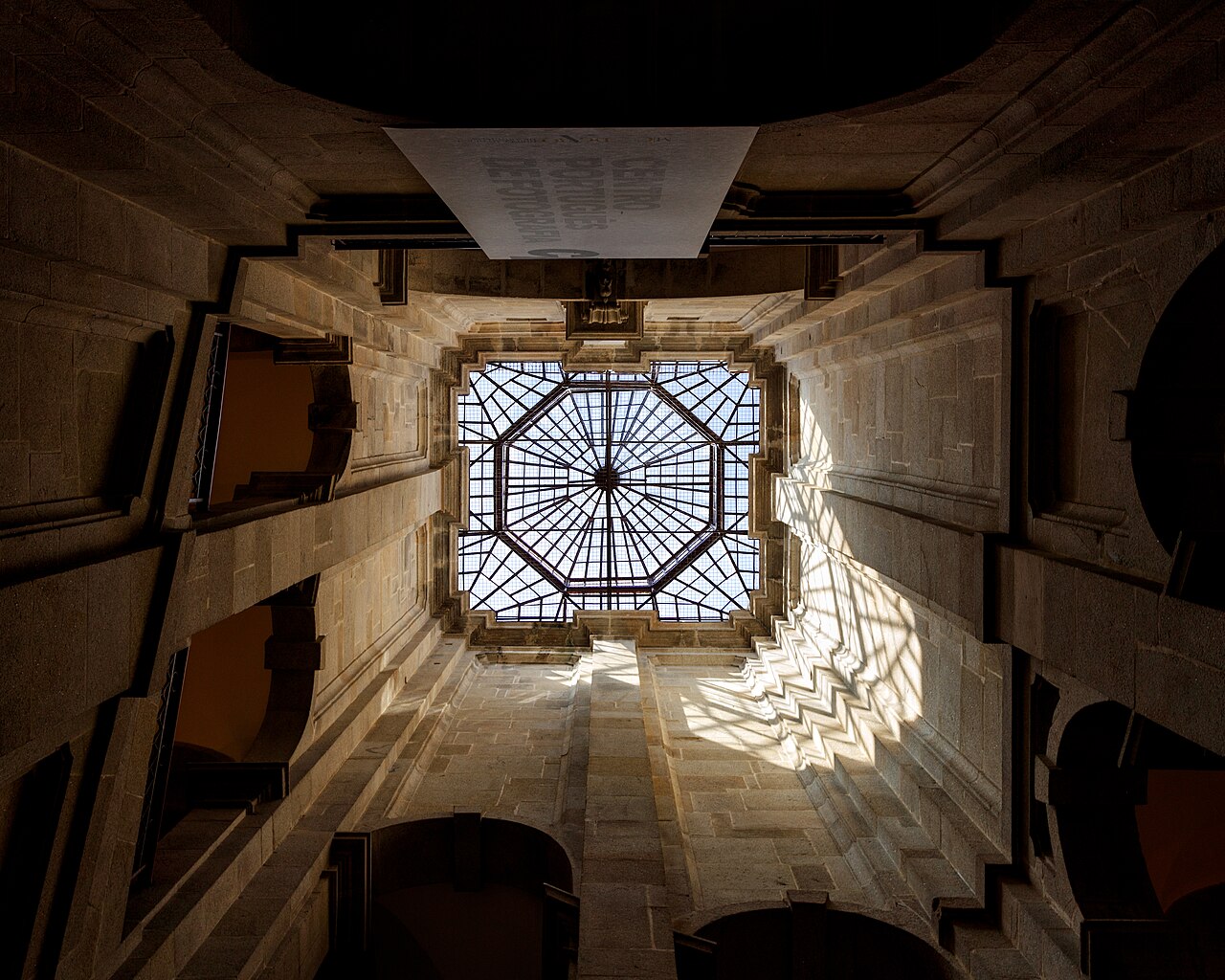
The Centro Português de Fotografia is one of those places that visitors stumble into by accident and leave raving about. It occupies the former Cadeia e Tribunal da Relação, a massive granite building that served for two centuries as Porto's court of appeal and prison, standing on a square just below the Clérigos Tower and a short walk from the Crystal Palace Gardens. The Portuguese state turned it into the national centre for photography in the late 1990s, and today it houses temporary exhibitions of Portuguese and international photography alongside a permanent display of rare and historic cameras. Entry is free. The building is half the experience. You walk through thick-walled rooms that were once cells, past heavy iron grilles, worn stone stairs and the small windows through which prisoners once spoke to visitors in the street, and the photography exhibitions are hung in spaces that still carry the weight of their past. The most famous inmate was the nineteenth-century novelist Camilo Castelo Branco, imprisoned here for adultery, who wrote his celebrated romantic novel Amor de Perdição during or soon after his stay; the square outside is named after it. The camera collection is a treat for anyone with an interest in photography, ranging from early wooden plate cameras to spy cameras and classic twentieth-century models. Exhibitions change through the year, so every visit is different, and the quality is generally high. The centre is open daily, with shorter afternoon hours at weekends, and it closes on a few major holidays. Allow an hour, or longer if an exhibition grabs you. It is a superb rainy-day option, a quiet counterpoint to the crowds at Lello and Clérigos, and one of the most atmospheric buildings you can enter in Porto without paying anything at all.
The building's story: the Relação was built in the second half of the eighteenth century, combining the court of appeal on the upper floors with the prison below, so that justice was dispensed above those awaiting it. Conditions for prisoners varied enormously with their wealth and status, and the building's layout reflects that, with more comfortable quarters for those who could pay and grim cells for those who could not. The prison remained in use until the 1970s. After restoration, it reopened as the home of the national photography collection, and the conversion respects the architecture, leaving the grilles, cell doors and stone in place.
What to see: start with the current temporary exhibitions, which occupy the main floors and range from historic Portuguese photography to contemporary work. Then find the permanent camera collection, which traces the history of photographic technology through hundreds of devices. Look out for the windows where prisoners would lower baskets to passers-by, and for the cells associated with Camilo Castelo Branco and his lover, Ana Plácido, who was also imprisoned here. Signage is bilingual in many areas, though not everywhere.
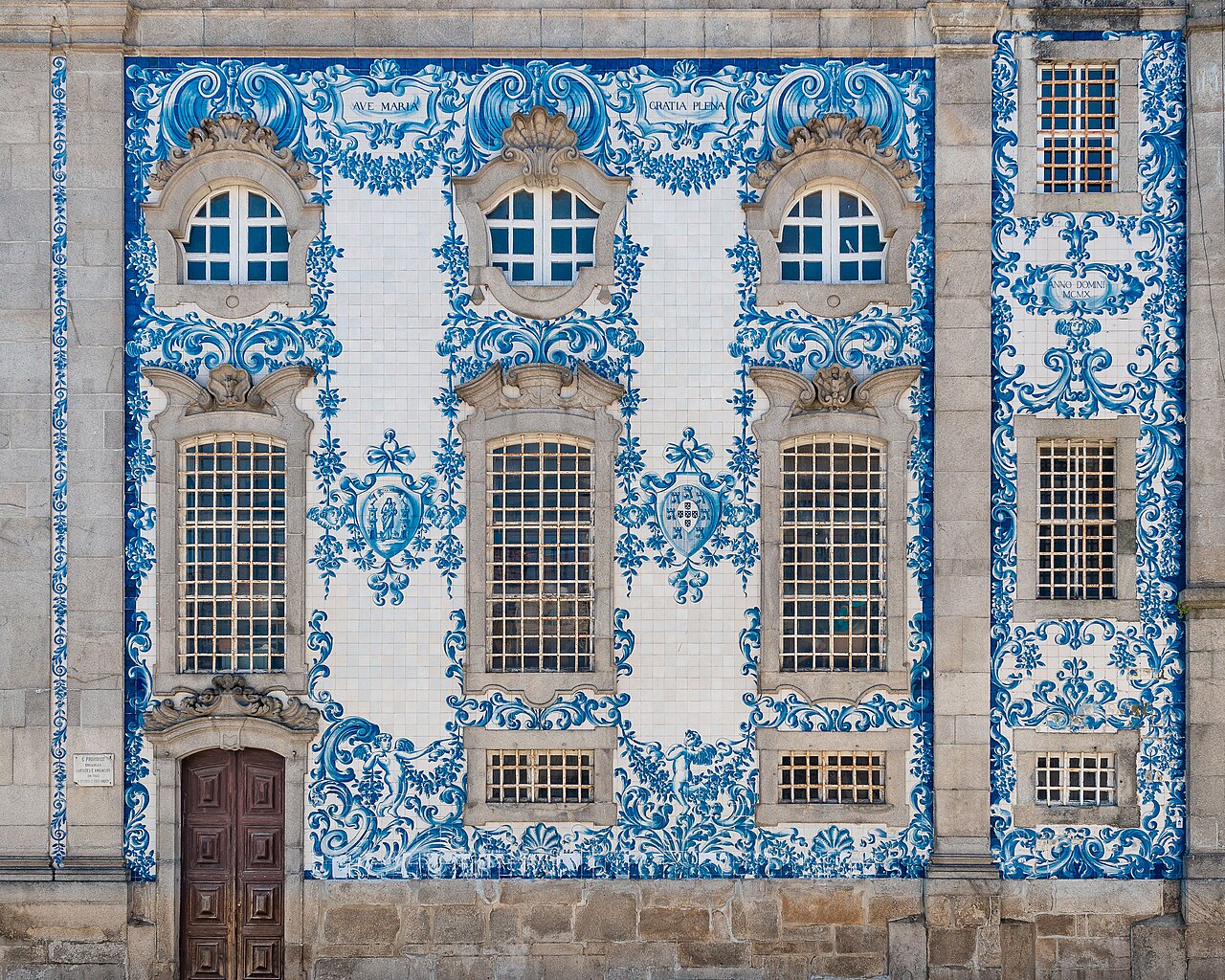
Fitting it in: the centre is perfectly placed for an old-town loop. Clérigos is two minutes uphill, Lello and the Igreja do Carmo are a short walk, and the Crystal Palace Gardens lie just beyond. Weekday hours are longer, while weekends open only in the afternoon. Fit: photography lovers, history buffs, families looking for a free indoor stop, and anyone wanting a break from the queues of the old-town headliners.
What to expect
The experience
A free national photography centre inside an eighteenth-century court and prison, with changing exhibitions, a permanent collection of historic cameras, and preserved cells and grilles.
Best time
Weekdays, when hours are longer; weekend opening is afternoons only. A dependable rainy-day plan.
How long
About an hour.
Tips
Check what exhibitions are on before you go. Find the camera collection and the windows where prisoners lowered baskets to the street. Combine with Clérigos, two minutes away.
Quick picks
- Best for
- A free, atmospheric museum in a former prison, right by the Clérigos Tower.
- Families
- Free, indoor and intriguing; older children enjoy the cells and the spy cameras.
- Couples
- A quiet hour away from the old-town crowds, then a walk to the Crystal Palace Gardens.
- Pair with
- The Clérigos Tower, Livraria Lello and the Igreja do Carmo nearby.
- Time needed
- About an hour.
Good questions
Is the Centro Português de Fotografia free?+
Yes. Admission is free for the exhibitions and the camera collection.
What are the opening hours?+
It is open on weekdays from morning until early evening and on weekend afternoons, closing on a few major holidays such as New Year's Day, Easter Sunday, 1 May and Christmas Day.
What was the building originally?+
The Cadeia e Tribunal da Relação, Porto's eighteenth-century court of appeal and prison, which remained a prison until the 1970s.
Who was imprisoned there?+
The most famous inmate was the novelist Camilo Castelo Branco, held on charges of adultery in the nineteenth century, together with his lover Ana Plácido. The square outside is named after his novel Amor de Perdição.
Is it worth visiting if I am not into photography?+
Yes. The building itself, with its cells, grilles and stone halls, is fascinating, and the visit is free and short.