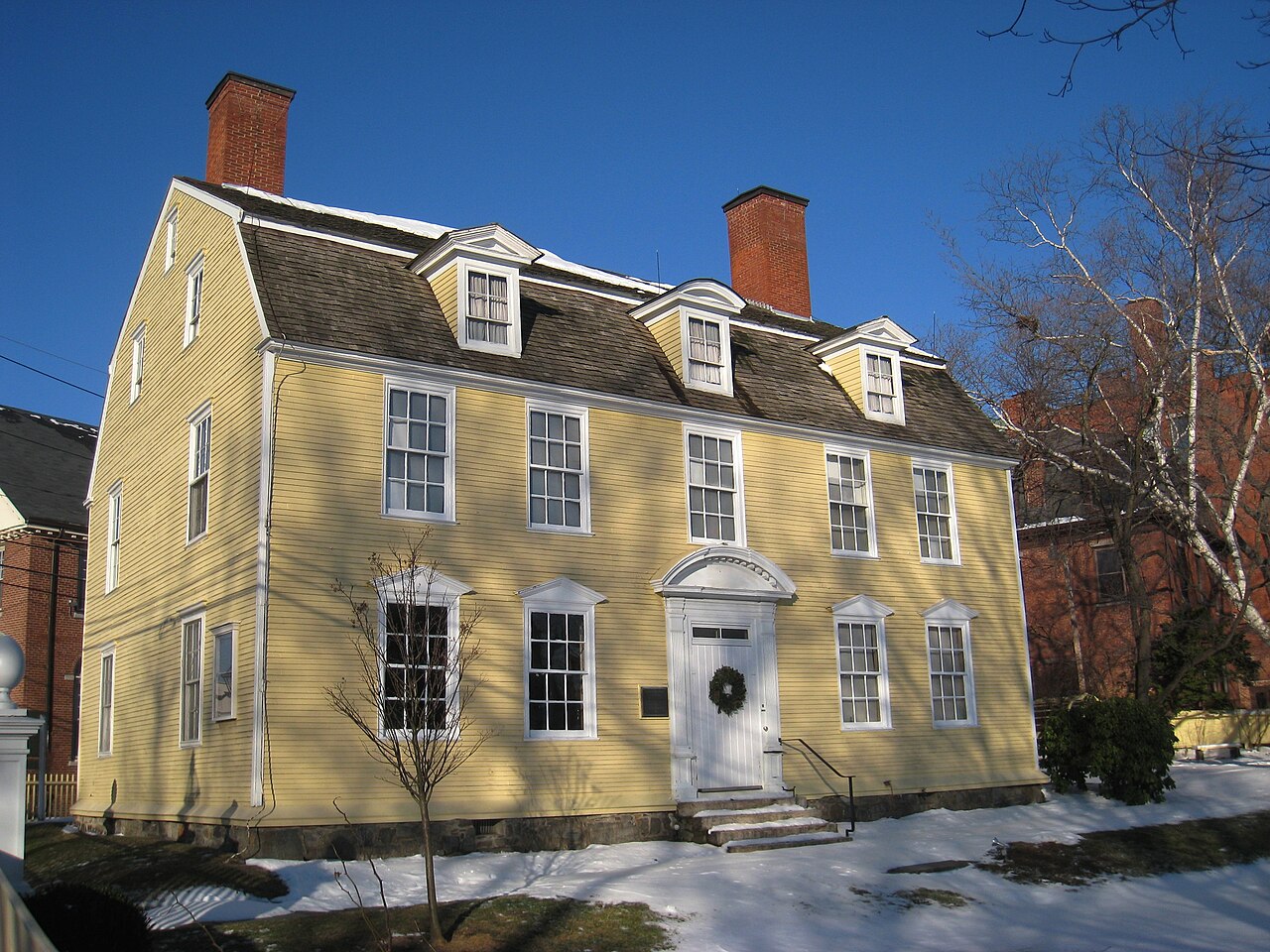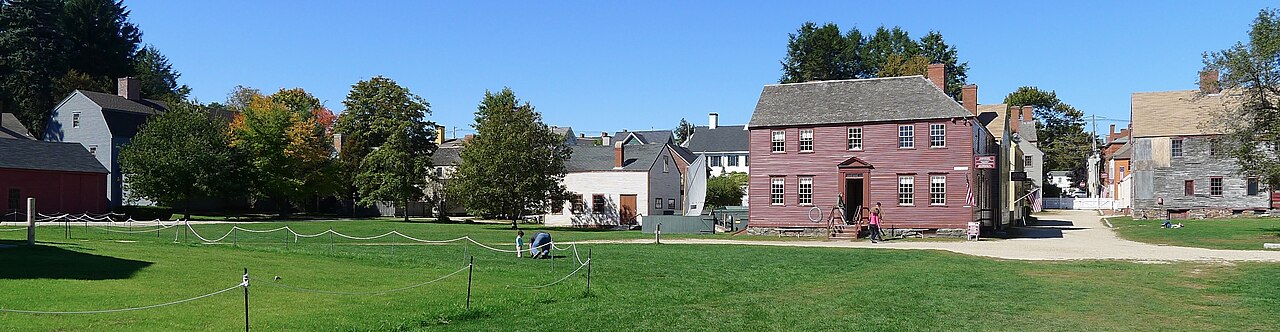
Strawbery Banke is not a house museum so much as a neighborhood preserved on purpose. The Puddle Dock district on the edge of the Piscataqua River was settled in the 1650s, named for the wild strawberries that grew on the riverbank, and lived in continuously for three centuries by sea captains, shopkeepers, immigrants and wartime families. When urban renewal planners prepared to bulldoze the whole district in the 1950s, local preservationists stopped them, and the museum opened in 1958 to protect what was left. Today more than thirty buildings stand on roughly ten acres, and the great trick of the place is range: one house is furnished as a colonial merchant's home, the next as a 1940s family kitchen, with a Russian-Jewish immigrant household and a World War II corner store in between. Role players in period dress work the paths and gardens in season, craftspeople demonstrate trades, and heritage gardens grow the vegetables and herbs each era would have planted. It rewards a slow, unscheduled wander as much as a guided one, and the grounds sit a short walk from Market Square, which makes it the natural anchor for a first day in town. Allow half a day if you read the interpretive signs, and plan around the seasonal schedule, because the full interior experience runs through the warmer months while the winter calendar leans on special events.
The founding idea matters for how you visit. Strawbery Banke did not move buildings in from elsewhere to build a quaint village; almost every structure stands where it was built, so the street plan, the cellar holes and even the slope toward the old tidal inlet are original. That is why the neighborhood feels lived in rather than staged, and why the interpretation can tell a layered story.
Colonial-era houses are interpreted alongside later chapters, including the arrival of immigrant families in the twentieth century and the wartime years when residents kept shops running out of their front rooms. The museum also leans into the harder parts of Portsmouth's past, including the enslaved and free Black residents who lived and worked in the port, so the visit adds up to a more honest portrait than a postcard colonial town.
Practical rhythm
Arrive when the doors open for the quietest paths and the best light in the gardens, pick two or three houses that interest you most rather than trying all of them, and spend the rest of your time in the open spaces and workshops, where the staff are usually happiest to talk. Pitt Tavern, the Goodwin Mansion and the Sherburne House are the ones most visitors single out, but the smaller houses are often the best conversations.
Families do well here because there is room to roam, hands-on activities run on many days, and the whole site is outdoors between buildings. Wear comfortable shoes, since the paths include brick and gravel and a few modest slopes.
The calendar is a reason to come back. Spring and fall bring garden and craft programming, summer adds longer days and more demonstrations, and the Candlelight Stroll in December turns the neighborhood into a lantern-lit evening walk through decorated houses, one of the best holiday traditions in New England and a good reason to see Portsmouth in winter.
Pair a Strawbery Banke morning with the Prescott Park gardens next door, lunch along Market Street, and an afternoon harbor cruise, and you have the classic Portsmouth day. Check the current season, hours and event dates with the museum before you plan around a specific house or program.
What to expect
The experience
A self-guided walk through a ten-acre neighborhood of thirty-plus historic buildings, with costumed role players, craft demonstrations and heritage gardens in season.
Best time
Spring through fall for full interiors and garden color; the December Candlelight Stroll for a lantern-lit winter evening. Mornings are quietest.
How long
Two to four hours, longer if you stop to talk with the interpreters.
Tips
Pick two or three houses rather than all of them, wear shoes for brick and gravel paths, and combine the visit with Prescott Park next door. Confirm seasonal hours before you go.
Quick picks
- Best for
- First-timers and history lovers who want Portsmouth's story in one place.
- Families
- Strong for kids: open paths, hands-on activities and costumed characters make it easy to keep young visitors engaged.
- Couples
- A garden stroll at golden hour followed by a waterfront dinner is an easy, low-key date.
- Pair with
- Prescott Park, Market Square, the Moffatt-Ladd House and a harbor cruise.
- Time needed
- Half a day.
Good questions
What makes Strawbery Banke different from other historic villages?+
The buildings stand where they were built, so the neighborhood is original rather than assembled. Houses are interpreted across several eras, from colonial merchants to twentieth-century immigrant families.
Is it open year-round?+
The full interior schedule is seasonal and runs through the warmer months, while winter is built around events such as the Candlelight Stroll. Check the museum's current calendar before planning.
Is it good for children?+
Yes. The grounds are open and walkable, role players and craft demonstrations hold attention, and many days include hands-on activities.
How long should I allow?+
Two to four hours covers the highlights; a half day lets you linger in the gardens and workshops.
Is there a good winter reason to go?+
The Candlelight Stroll in December lights the neighborhood with lanterns and decorates the houses, and it is one of the most popular evenings of the Portsmouth year. Tickets for special events are best arranged in advance.