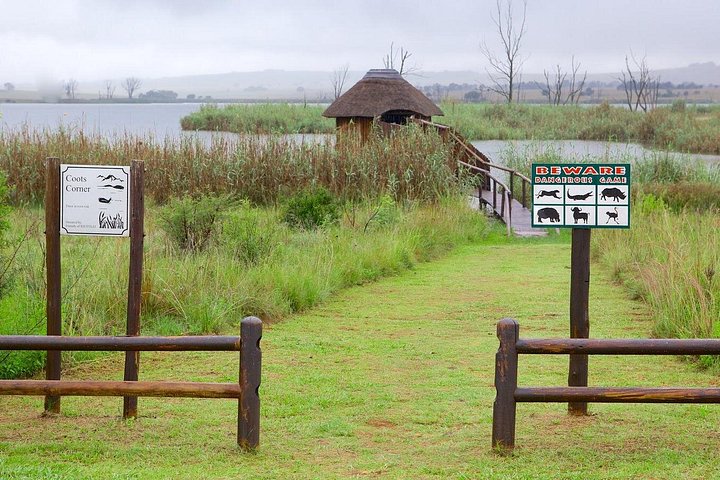
The Pretoria National Botanical Garden is part of the national network of gardens run by the South African National Biodiversity Institute, and it is dedicated to the plants of the Highveld and the surrounding grassland and savanna biomes. Located on the eastern side of the city, it covers around eighty hectares, with a cultivated area of lawns, themed beds and a small stream, and a section of natural rocky ridge and bushveld that supports a diversity of wildlife. The garden is a place for gentle walks, picnics and birdwatching, and it is popular with local families and groups on weekends. For visitors, it offers a calm contrast to the monuments and museums, and a chance to see indigenous plants in a cultivated setting.
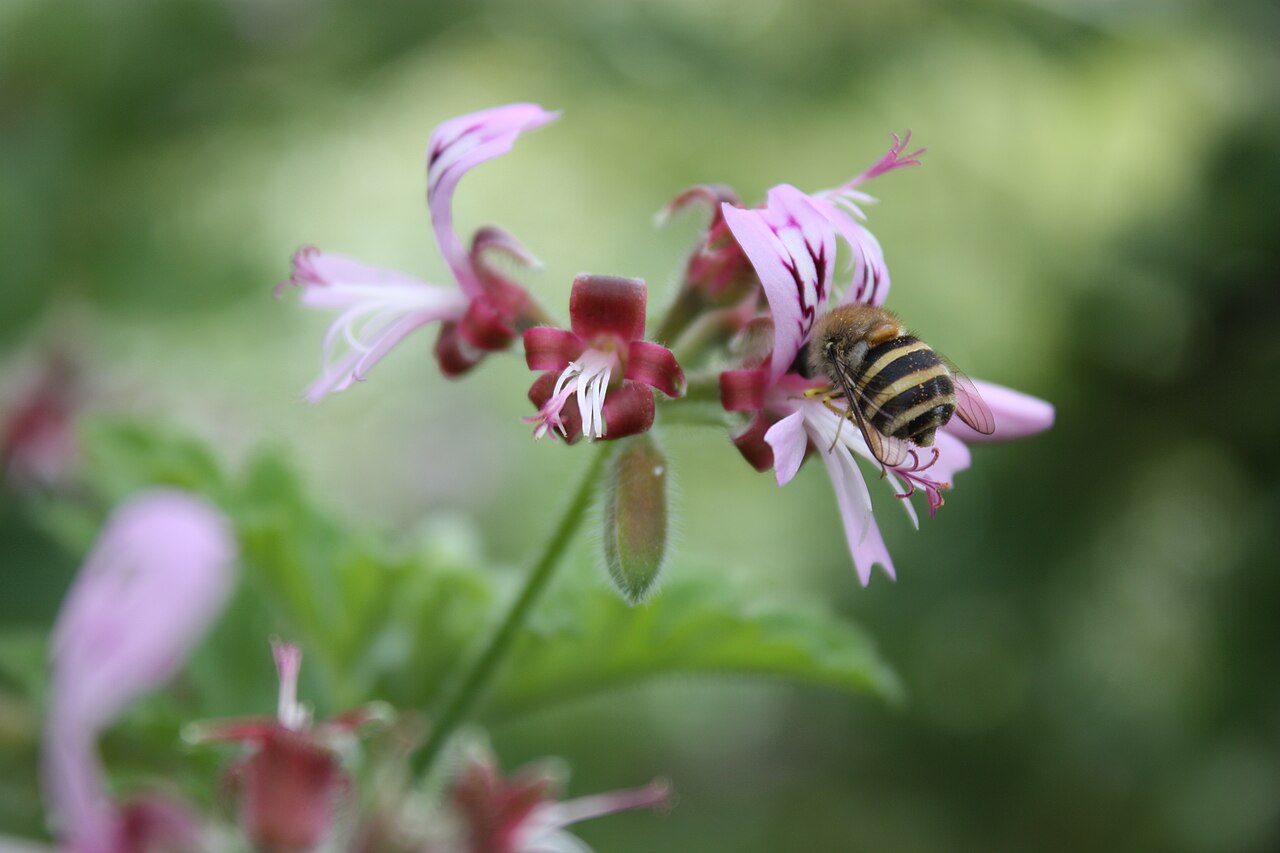
The layout is easy to follow, with paved paths in the main area and dirt trails in the natural section. Beds show plant groups such as aloes, cycads, succulents and grassland flowers, and signs identify species. Spring brings wildflowers and a burst of colour, and in summer the garden is green with afternoon thunderstorms. Autumn and winter turn the grass golden, and the aloes flower in winter, attracting sunbirds. The garden is also known for its birdlife, with several hundred species recorded in the area.
Other features include a nursery that sells indigenous plants, a restaurant with garden seating and occasional events such as concerts and plant fairs. A hill trail offers views over the city and is good for exercise. Dogs are generally not allowed, and visitors should follow the rules about picking plants and staying on paths. Take a hat, water and sunscreen, as shade is patchy.
The garden suits all ages and is easy for strollers and wheelchairs on the main paths. It also appeals to photographers, who enjoy the light and the plant detail. Entry fees are low, and hours are limited to daylight, so plan a morning visit and have lunch at the restaurant. Because it lies away from the main historic sights, it is best reached by car or rideshare.
Combine a visit with the Rietvlei Nature Reserve or the Sammy Marks Museum for a day on the east side of the city. For travellers interested in plants and gardening, it is a worthwhile stop, and the nursery gives a chance to take home a souvenir that has a link to the region's flora. The garden is also a good choice for a quiet morning after busier days of sightseeing.
Planning note
Weekends bring weddings and group picnics, so a weekday visit is quieter. If you are keen on birding, bring a compact pair of binoculars and walk the quiet paths near the stream. A short stay for tea in the restaurant rounds out the visit.
The garden also hosts talks, plant sales and children's activities at certain times of year, so check the events programme if you are planning a family visit.
What to expect
The experience
Self-guided walk through cultivated beds and a natural ridge section, with a nursery and restaurant.
Best time
Spring for wildflowers; winter for flowering aloes and sunbirds.
How long
One to two hours.
Tips
Bring a hat and water, wear walking shoes and arrive in the morning.
Quick picks
- Best for
- Garden lovers, birders and anyone wanting a calm morning.
- Families
- Easy paths and space to run.
- Couples
- A picnic or lunch at the restaurant.
- Pair with
- Rietvlei Nature Reserve or Sammy Marks Museum.
- Time needed
- A morning.
Good questions
What does the garden feature?+
Indigenous plants of the Highveld, a stream, a natural ridge and a nursery.
Is it good for birdwatching?+
Yes, several hundred species have been recorded in the area.
Can I picnic?+
Yes, there are picnic areas, and a restaurant is on site.
When do the aloes flower?+
In winter, which also brings sunbirds.
Is it suitable for strollers?+
Yes on the main paved paths.