The Voortrekker Monument is the structure most people picture when they think of Pretoria's skyline: a vast, cube-like block of granite on a ridge south of the city, visible from many kilometres away. It was designed by the architect Gerard Moerdijk and inaugurated in 1949 to commemorate the Voortrekkers, the Afrikaner pioneers who left the Cape Colony in the 1830s and 1840s. The building sits inside a nature reserve, ringed by a stone wall carved to represent a circle of sixty-four ox wagons, the laager that the Voortrekkers formed for defence. Inside, the Hall of Heroes holds a marble frieze of twenty-seven panels that tells the story of the Great Trek in relief, and below it the cenotaph in the lower hall is the focus of the whole design. Visitors today come for the architecture and the views, but also because the monument is one of the clearest windows into how a particular community remembered itself, and into how South Africa now chooses to present that memory alongside other histories.
The cenotaph is lit by an opening in the dome, so that at noon on 16 December a ray of sunlight falls on the inscription cut into it. That date was long marked as the Day of the Vow and is now the Day of Reconciliation, and the design makes the symbolism hard to miss. At other times of year the cenotaph is still striking, a quiet space beneath the great hall with the frieze visible from above through the central opening.
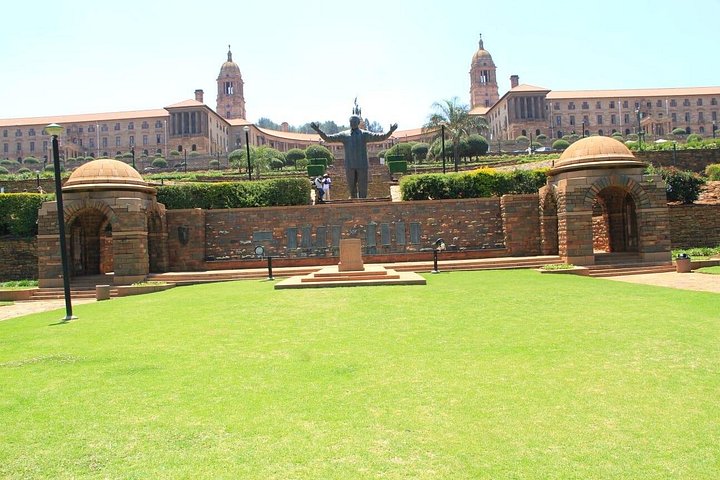
A lift and a short climb take you to the roof, where the views reach across Pretoria to the Union Buildings and the hills beyond, which makes this one of the best places in the city to understand the layout of the capital.
The heritage centre and museum add depth. Exhibits cover the Great Trek, the wars and treaties of the nineteenth century, the later rise of Afrikaner nationalism and the changes since 1994. The tone is more reflective than in earlier decades, and visitors with little prior knowledge will find that the panels and guides give enough context to follow the story.
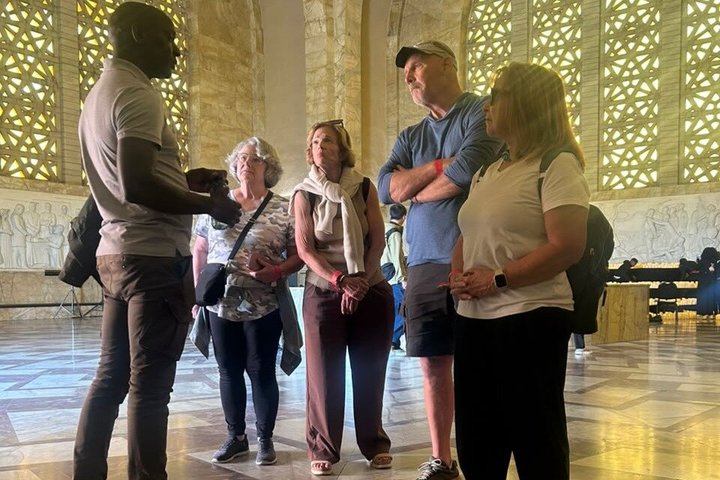
Guided tours are worth considering because the symbolism of the frieze, the wagons and the dome is dense, and a good guide explains it without assuming expertise. The grounds include walking and cycling routes through grassland where antelope graze, a picnic area, and a restaurant, so a visit can easily stretch beyond two hours.
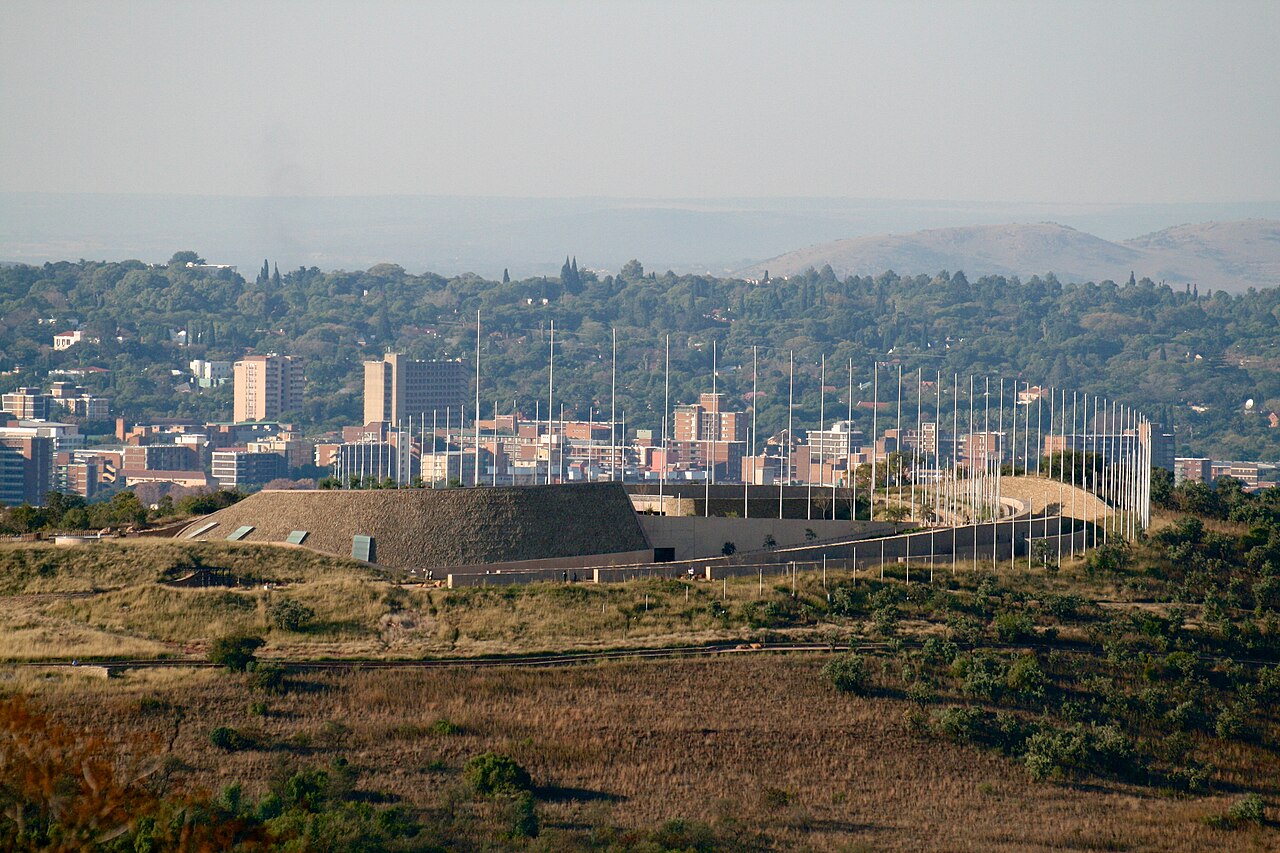
The neighbouring Freedom Park sits on the next hill and is usually visited on the same day. Seen together they give two very different readings of South African history, which is exactly why a combined visit is so rewarding. Many half-day city tours include the monument, and a private tour is a comfortable way to cover it with the Union Buildings and Church Square if you do not want to organise transport yourself. Dress is casual, but sun protection matters because the stone terraces have little shade.
What to expect
The experience
Self-guided or guided visit of the Hall of Heroes, cenotaph, frieze, heritage centre and rooftop viewing platform, plus nature reserve trails outside.
Best time
Morning for softer light and cooler stone; clear winter days give the longest views across the city.
How long
Two to three hours, longer with the nature trails.
Tips
Take the lift or stairs to the roof for the views, ask about guided tours, bring a hat, and pair it with Freedom Park next door.
Quick picks
- Best for
- History readers and anyone wanting the best single overview of Pretoria from above.
- Families
- Children enjoy the wagon wall and the climb to the roof, and the reserve has space to run around.
- Couples
- Good for a late-afternoon visit when the granite warms and the city lights come on below.
- Pair with
- Freedom Park on the neighbouring hill, then the Union Buildings.
- Time needed
- A half day with a lunch stop works well.
Good questions
Who built the monument and why?+
It was designed by Gerard Moerdijk and inaugurated in 1949 to commemorate the Voortrekkers of the Great Trek.
What is the ray of sunlight?+
An opening in the dome lets sunlight fall on the cenotaph inscription at noon on 16 December each year, a date once called the Day of the Vow and now the Day of Reconciliation.
Can I go to the top?+
Yes, a lift and stairs take visitors to the roof, which has some of the best views of Pretoria.
Is it suitable for children?+
Yes. Younger children enjoy the climb and the open grounds, and older ones can follow the frieze with a guide.
How does it relate to Freedom Park?+
Freedom Park occupies the next hill and presents a different perspective on the national story, so the two are often visited together.