Pretoria is the executive capital of South Africa, a city of roughly three million people in the wider Tshwane area, set in a valley ringed by low ridges about an hour north of Johannesburg. It is calmer, greener and more formal than its larger neighbour, with government buildings, embassies, universities and tree-lined avenues. For a first visit, the best approach is to treat it as a city of three layers: the historic and political core, the ridgetop memorials, and the green and wild areas on its edges. Together they make a very rewarding long weekend, and a day trip from Johannesburg can cover the highlights if time is short.
The core sights
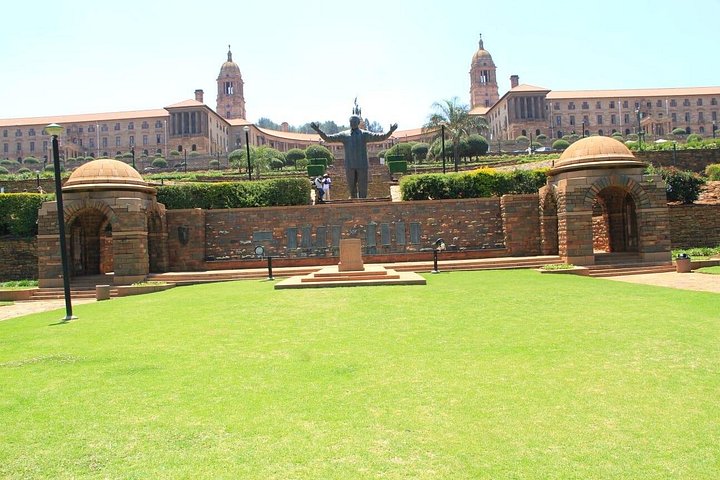
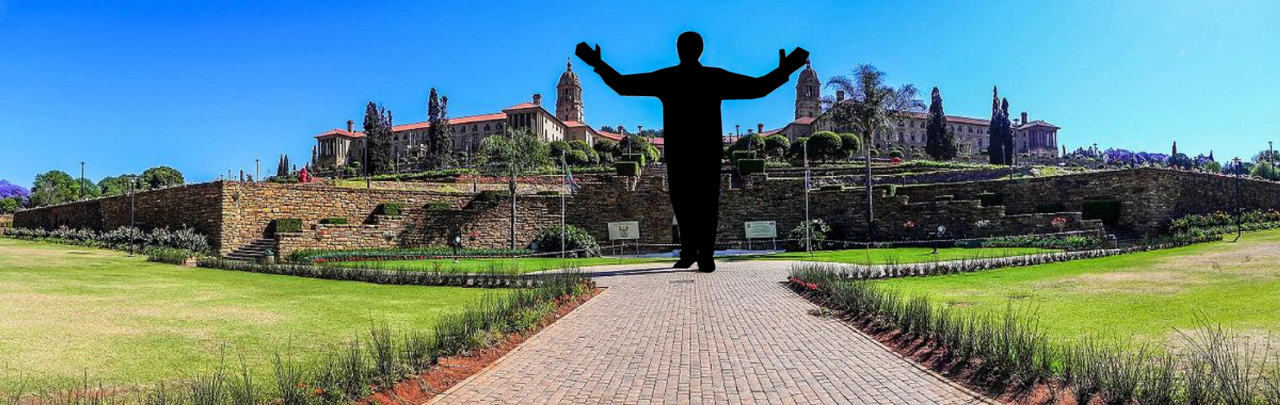
Start with the Union Buildings, the Herbert Baker sandstone complex where the president works, and walk the terraced gardens to the Mandela statue. From there, Church Square gives the old civic heart, with the Old Raadsaal, the Palace of Justice and the statue of Paul Kruger. Melrose House, in Arcadia, adds the story of the treaty that ended the Anglo-Boer War in 1902. These sights are free or low cost and sit close together, so they work well in a morning.
The ridgetop memorials
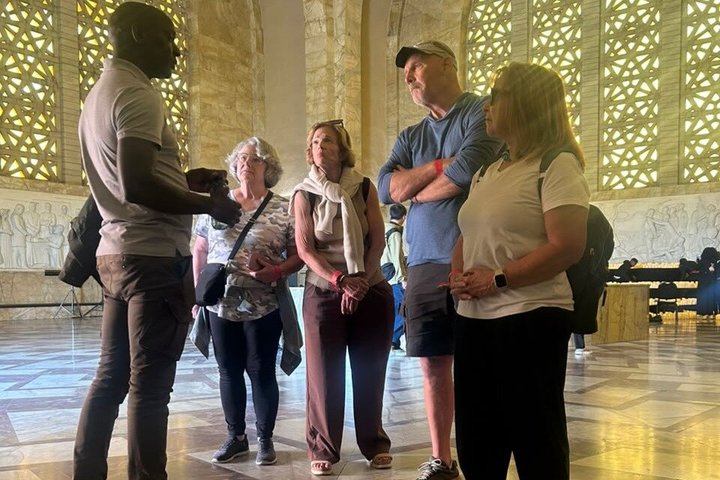
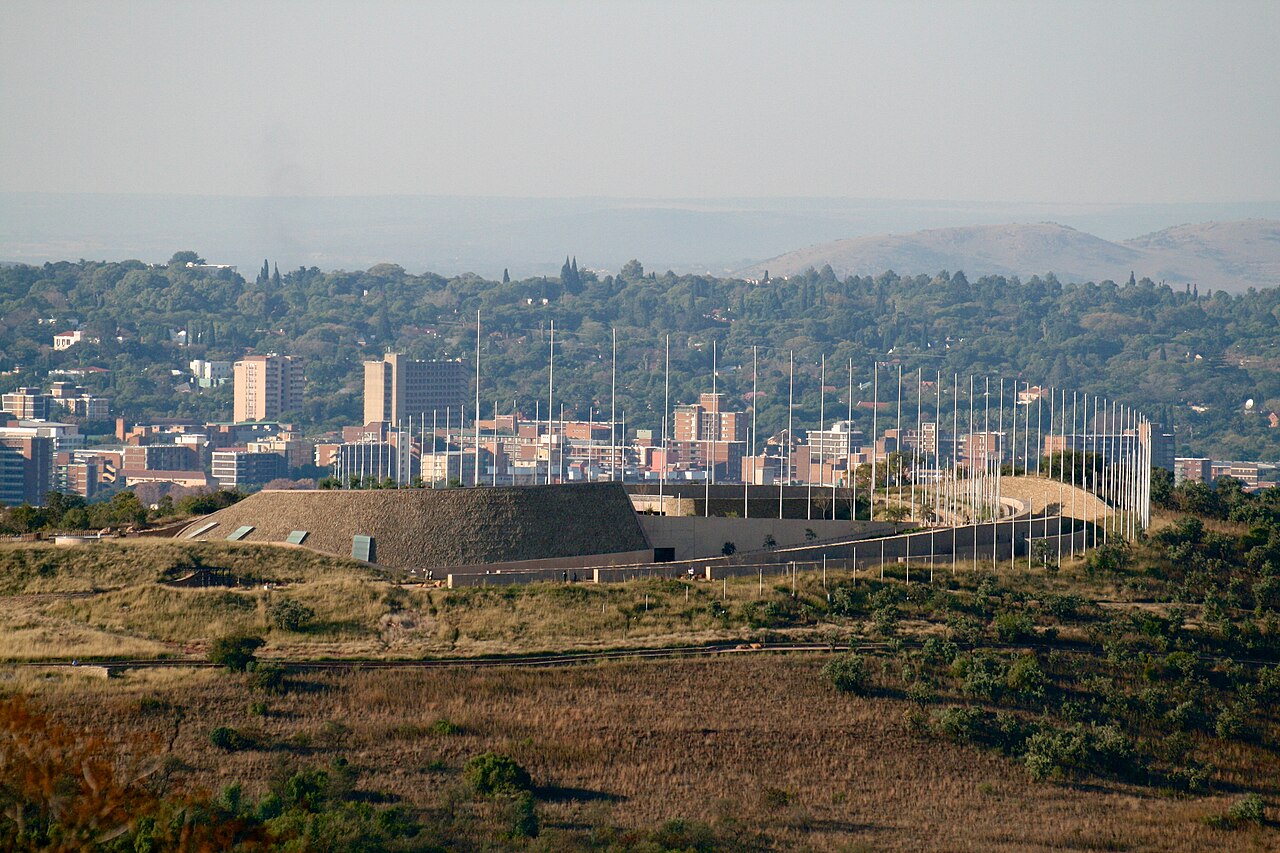
The Voortrekker Monument and Freedom Park stand on neighbouring hills and give two very different perspectives on South African history. The monument's granite hall and rooftop views are the classic Pretoria image, while Freedom Park is a landscape of memorial spaces and a museum telling the story from earliest times. Seeing both in a single afternoon gives a well-rounded picture, and a guide helps you decode the symbolism.
Wild and green Pretoria
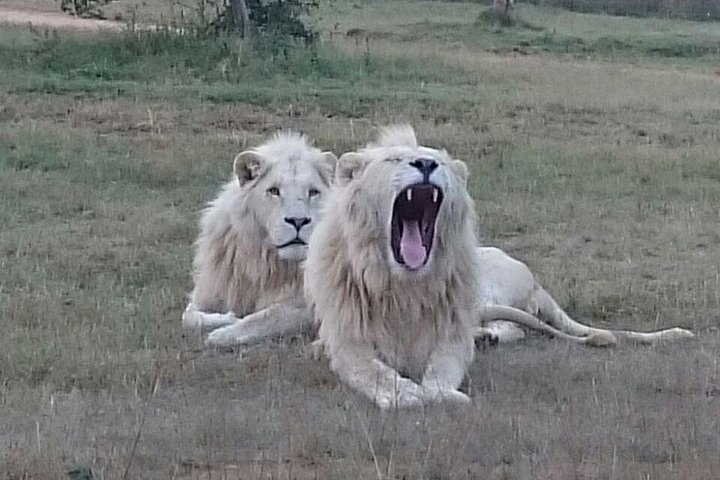
One of the city's surprises is how quickly you reach nature. Rietvlei Nature Reserve has rhino and giraffe on the city edge, the National Botanical Garden offers Highveld plants and birdsong, and the National Zoological Garden is one of the largest in the world. A little further out, Dinokeng Game Reserve provides the Big Five in under an hour, and Pilanesberg offers a full-day safari in an ancient volcano. If safari is on your list, you can do it from Pretoria without leaving the region.
Getting around
Pretoria is spread out and public transport is limited, so rideshares, hired cars and organised tours are the practical options. The Gautrain connects the airport, Johannesburg and Pretoria quickly, and the Hatfield station is useful for the east-side hotels. Distances between sights are short, but traffic can be heavy at peak times, so plan for an early start. If you drive, expect to use toll roads and keep to main routes, and leave nothing visible in parked vehicles.
Staying safe and comfortable
Like any large city, Pretoria rewards sensible habits. Use rideshares or hotel transport after dark, keep valuables out of sight, and check local advice on areas to avoid. Carry water and sun protection because the Highveld sun is strong, and pack layers for winter mornings, which can be cold. Tap water is generally safe in the city, but many visitors prefer bottled water. Entry to some government sites involves security checks, so carry photo identification.
What to book first
Safari days, Cullinan tours and any guided city circuit are worth reserving a few days ahead, especially in the dry season and over school holidays. Cheetah centre slots and balloon flights sell out sooner. For the rest, flexibility is fine. If you have only one day, take a half-day city tour in the morning and spend the afternoon at Freedom Park and the Voortrekker Monument. With three days, add Cullinan and a safari, and with a week you can link Pretoria with Johannesburg, the Cradle of Humankind and Kruger.
Culture, markets and shopping
Pretoria is a good place to pick up local crafts and food. Weekend markets in the eastern suburbs sell fresh produce, baked goods and handmade goods, and craft stalls in villages such as Cullinan offer ceramics, beadwork and carvings. Shopping malls in Menlyn, Brooklyn and Hatfield are comfortable and air-conditioned, with international brands and South African designers. Ask for authentic, locally made items and be prepared to bargain gently at informal markets, where a friendly approach usually works better than hard haggling.
Money, language and etiquette
The currency is the rand, cards are widely accepted in hotels, restaurants and shops, and cash is useful for tips and small purchases. English is the language of tourism, but you will hear Afrikaans, Sepedi, Setswana, Zulu and many others in daily life. A friendly greeting goes a long way. Tipping around ten percent in restaurants and a small amount to guides and drivers is normal. Dress is casual, though government buildings and some venues expect neat clothing. Respect memorial sites, ask before photographing people and listen to the stories your guides share, because they are an important part of the experience.