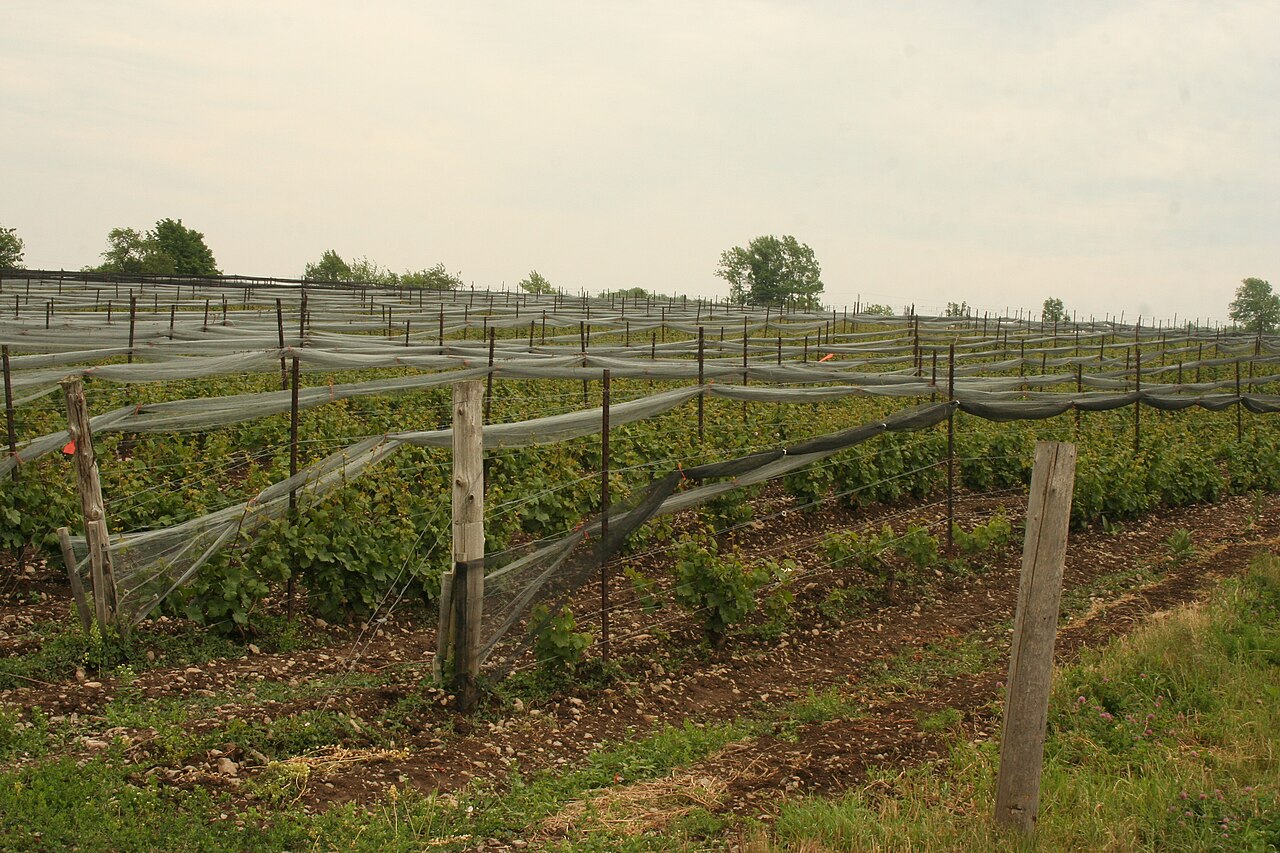
Prince Edward Point National Wildlife Area is where the county runs out of land. The 546-hectare protected area was established in 1978 and lies about twenty kilometres southeast of Picton, at the eastern end of the Long Point peninsula on Lake Ontario. It is one of the most important places in the region for migrating birds. Songbirds pile up at the tip of the peninsula, where they wait for good weather to cross the lake, and large numbers of hawks and other raptors pass through in spring and fall. About three hundred species of birds have been recorded here. The land itself is a mix of forest, grassland, wetland, shrubland, cobble and sand beaches and limestone cliffs, much of it slowly returning from old pasture to woodland. A non-profit bird observatory has run a migration monitoring station on the site since 1995 and bands songbirds, raptors and owls as part of its research.
What to do
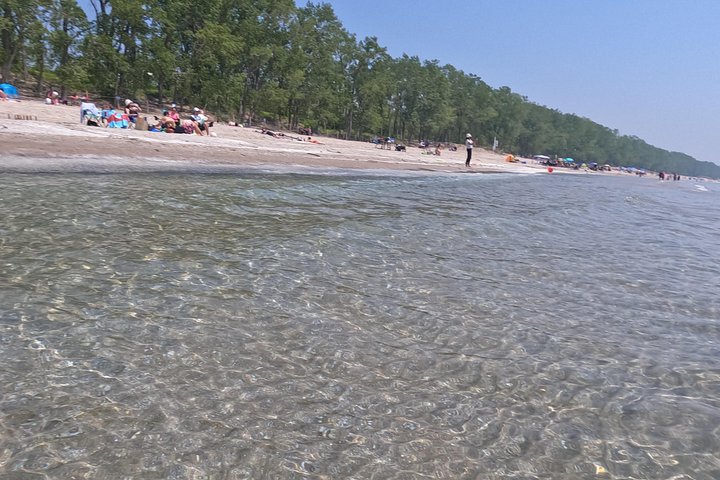
Walk the trails, watch for birds and enjoy the lake. Spring and autumn are the best seasons for migration, when the point can be full of warblers and other songbirds, and raptors pass overhead. Bring binoculars and a field guide, and go early in the day, when the birds are most active. The area also has designated shoreline for swimming, a boat launch, washrooms and parking for day use, and people use the trails for hiking in summer and for cross-country skiing and snowshoeing in winter.
Sport fishing from the shoreline is permitted with the necessary federal and Ontario licences. The site is also a staging area for monarch butterflies and bats during migration, so it rewards slow, patient walking. Even a casual visitor with no birding experience will enjoy the quiet, the long views over the lake and the sense of standing at the very edge of the peninsula, far from the busier wine routes.
Seasons and planning
The area is open for day use only, and some trails near the bird observatory are seasonally restricted, with certain areas closed during spring and fall migration to protect the birds. Staff are not always on site, so you should be prepared and self-reliant, carrying water, bug repellent and layers. Campfires and barbecues are not allowed.
Because the wildlife area is a protected site, you must stay on designated roads and trails, and activities that are not specifically authorised are prohibited. Check the county tourism site or the federal wildlife area page before you go for current access notes, and consult the bird observatory's visitor information if you want to see banding.
Fitting it in
The point is a long drive from Picton, around twenty kilometres on county roads, and the roads at the end are rural, so allow forty minutes each way and pick up food before you go, since there is little nearby. Plan on two to three hours for a good walk and some birdwatching, or a half day if you are a keen birder.
It pairs naturally with a stop at the cideries and wineries near Waupoos on the way back, or with a quiet afternoon in Picton. Dress for wind off the lake, wear sturdy shoes for cobble and uneven ground, and respect signs and closures, which exist to protect the wildlife that makes the place special.
What to expect
The experience
A federal wildlife area with trails, shoreline and a bird observatory at the southeastern tip of the county, open for day use.
Best time
Spring and autumn for migration, early in the day; winter for quiet walks, skiing and snowshoeing.
How long
Two to three hours for a walk and birdwatching, or a half day for keen birders.
Tips
Stay on designated trails, bring binoculars, water and layers, expect no campfires or barbecues and respect seasonal closures.
Quick picks
- Best for
- Birdwatchers and nature walkers who want a wild corner of the county far from the wine routes.
- Families
- Easy walking and a beach make it suitable for older children who enjoy nature; bring water and snacks.
- Couples
- Walk the shore at sunrise or late afternoon, then stop for a drink near Waupoos on the way back.
- Pair with
- The cideries and wineries near Waupoos, or a late lunch in Picton.
- Time needed
- Two to three hours on site plus forty minutes each way from Picton.
Good questions
What is Prince Edward Point National Wildlife Area?+
A 546-hectare protected area at the eastern end of the Long Point peninsula, known for bird migration, trails and shoreline, about twenty kilometres southeast of Picton.
When is the best time for birds?+
Spring and autumn migration, when songbirds gather at the tip of the peninsula and raptors pass through. Go early in the day.
Can I camp or have a campfire?+
No. The area is open for day use only, and campfires and barbecues are prohibited.
Are there facilities?+
Trails, washrooms, a boat launch and parking are provided for day use. Staff are not always on site, so bring supplies.
Can I go in winter?+
Yes. Cross-country skiing and snowshoeing on designated routes are among the permitted activities, though conditions vary and some areas have seasonal restrictions.