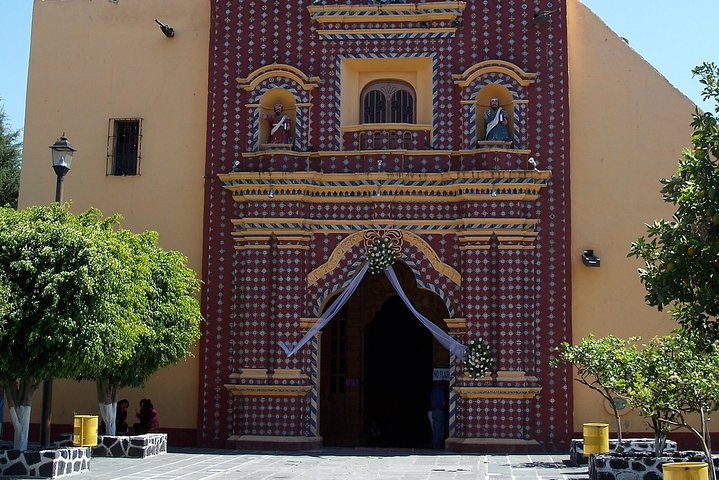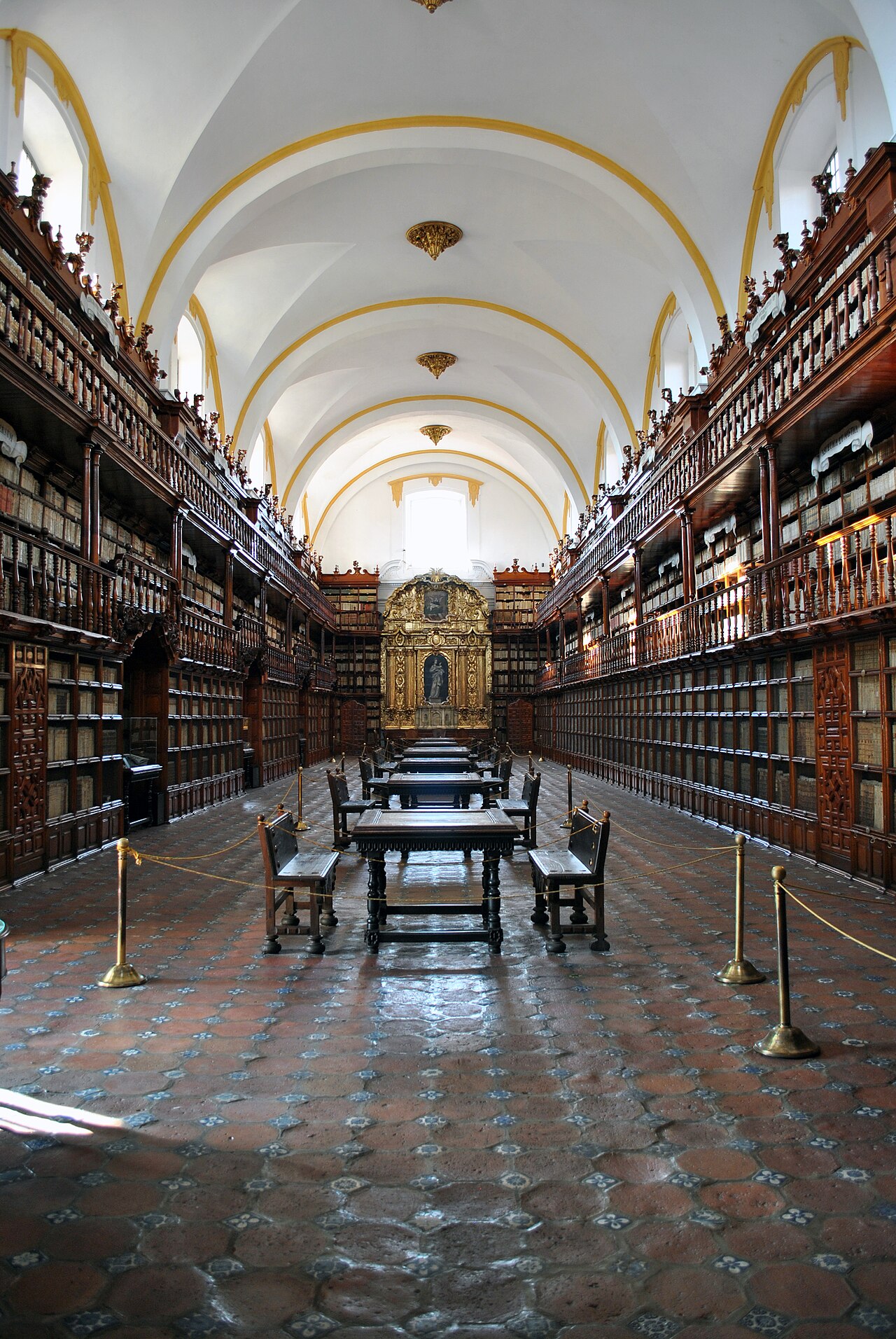
The Museo Internacional del Barroco is one of Puebla's most visually arresting buildings, designed by the Japanese architect Toyo Ito and set in the modern part of the city rather than the colonial grid. Its curving white walls, water features and bright, flowing interior spaces are a deliberate contrast with the dense ornament of the style the museum celebrates. Inside, the displays explore the Baroque as a global phenomenon, using art, objects, models and audiovisual installations to show how the style spread from Europe to the Americas and Asia and how it was reinterpreted in places such as Puebla. The approach is unusually visual and interactive for a Mexican museum, which makes the subject accessible to visitors with no art-history background and to children. It gives context to the churches you will see elsewhere in the region, from the Capilla del Rosario to the village churches near Cholula, and works well as a modern counterpoint to a long run of colonial sights. The Amparo foundation, which runs the Museo Amparo, describes it among Puebla's museums.
What to see
The museum is arranged around themes rather than a strict chronology, with rooms that show how Baroque ideas of drama, light, movement and emotion were expressed in painting, sculpture, architecture and everyday objects. Expect multimedia displays, large-scale models and rooms designed to be experienced rather than simply looked at. The building is as much a part of the visit as the collection, so leave time to look at the structure, the courtyards and the reflections.
How to plan
The museum is outside the historic centre, so go by taxi or ride-hailing car and combine it with other sights in the modern district, such as the observation wheel. Allow about two hours for a relaxed visit, longer if you like to read every panel. Exhibition rooms change from time to time, and displays are mostly in Spanish with some English support, so check ahead if language is important to you.
Practical notes
Museums in Mexico commonly close one day each week, so confirm opening days and admission before you go. Admission is modest by international standards, and some groups may qualify for reductions. Bring a light layer, since air conditioning can be cool, and expect security checks at the entrance. The museum is a good choice for a rainy afternoon, when outdoor sights are less appealing, and its design makes it comfortable for families.
Allow time for the gift shop and any temporary exhibition, which can be a highlight, and consider joining a guided visit if one is offered, since explanations of how Baroque ideas travelled between continents add real depth. If you have already seen the Capilla del Rosario and the village churches, the museum will make their ornament easier to read, and if you have not, it is a good primer to visit first.
What to expect
The experience
A self-guided visit through themed rooms with art, models and audiovisual displays inside a striking modern building.
Best time
Weekday mornings for fewer visitors, or a rainy afternoon when outdoor sights are less appealing.
How long
About two hours.
Tips
Confirm the weekly closing day and admission, and take a taxi because it lies outside the historic centre.
Quick picks
- Best for
- Design lovers and families who like interactive, visual museums.
- Families
- Interactive displays and open spaces make it more engaging for children than a traditional museum.
- Couples
- A calm, air-conditioned afternoon of art and architecture.
- Pair with
- Estrella de Puebla and a meal in the modern district, or Museo Amparo in the centre for contrast.
- Time needed
- Two hours.
Good questions
Who designed the building?+
The Japanese architect Toyo Ito, whose curving white walls and water features are a deliberate contrast to the ornate Baroque subject.
Is it in the historic centre?+
No, it is in the modern part of Puebla, so take a taxi or ride-hailing car from the centre.
Is it good for children?+
Yes, the interactive and audiovisual displays and open spaces tend to appeal to families.
Is there English information?+
Displays are mostly in Spanish, with some English support. Check ahead if language matters to you.
Which day is it closed?+
Museums in Mexico often close one day a week, so confirm opening days before you visit.