Wildlife days make you hungry, and Puerto Madryn is well set up to feed you. The town sits on the sea, in a region of sheep farming and with a Welsh tradition, so the menu mixes seafood, lamb and cake. This guide covers what to look for and how to eat well on a tour-heavy schedule.
Meal times
Argentines eat late. Lunch is often at about one or two in the afternoon, and dinner rarely starts before nine. Tourist restaurants open earlier, but the best atmosphere is later in the evening. On tour days, you will often eat lunch on the road and a late dinner on your return. Breakfast is light, usually coffee and pastries, so ask your hotel about early or packed options.
Seafood
The bay and the Atlantic provide fish, shellfish and squid, and many restaurants on or near the seafront specialise in them. Look for grilled or fried fish, seafood stews and platters, and ask what is fresh. Prices vary, and portions can be generous, so sharing is common. If you have food allergies, say so clearly.
Patagonian lamb and the asado
Lamb cooked slowly over an open fire is a regional speciality, and the asado, or barbecue, is a social ritual. You may meet it on a tour with a ranch lunch, or in a restaurant with a grill. Beef is also excellent. Vegetarians can find salads, pasta, pizza and empanadas, but should ask in advance on tours.
Welsh tea
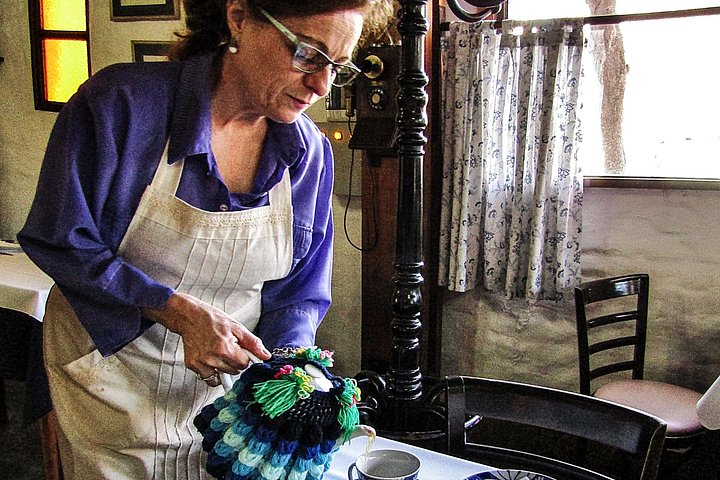
In Gaiman and Trelew, tea rooms serve a traditional Welsh tea with black tea, cakes, scones, bread and jam, and sometimes a large fruit cake. It is a meal in itself, served in the afternoon, so skip a heavy lunch. Some tours include it, others charge extra.
Snacks and sweets
Empanadas, filled pastries, are the classic snack, easy to take on tours. Medialunas, small croissants, go with coffee. Alfajores, sandwich cookies filled with dulce de leche, make good gifts. Ice cream is a local passion, and shops along the seafront stay open late. Mate, the herbal tea shared from a gourd, is a social drink you may be offered by guides.
Drinks
Argentine wine, especially Malbec, is widely available, and local craft beer has become popular. Tap water is usually safe in the town, but many travellers prefer bottled water on tours. Coffee is good and usually served in small cups.
Tipping and paying
A tip of about ten percent is normal in restaurants if service is not included. Cash is useful, and card acceptance varies. Argentina has had changing exchange rules, so check current guidance on cards, cash and ATMs before you travel.
Eating on tours
Long tours rarely have many food stops. Bring snacks, fruit and water, and ask whether lunch is included. A packed lunch from your hotel can be a good option. For snorkel and kayak trips, eat lightly beforehand and bring a warm drink for afterwards.
A simple plan
Have a seafood dinner on your first night, an asado or lamb meal after the peninsula day, a Welsh tea if you visit Gaiman and ice cream every evening on the seafront. Ask your hotel for current recommendations, as restaurants open and close. Take your time, and enjoy the unhurried evenings that follow the early mornings.
Special diets and local habits
Vegetarian, vegan and gluten-free diets are easier in a town like this than they once were, but menus lean heavily on meat, bread and pastry, so plan ahead and tell restaurants and tour operators early. Pharmacies and supermarkets are good for snacks and allergy supplies. Kitchens may close between lunch and dinner, so check opening hours. Many places are cash-friendly, and shared plates are common. If you are unsure what to order, ask the staff for the dish of the day, which is often the best value and the freshest.
Where to look
The seafront and the streets around the centre have the highest concentration of restaurants, cafes and ice cream shops, and supermarkets stock picnic supplies for tour days. Bakeries open early and sell pastries and sandwiches for the road. If you have a kitchen in your apartment, a market visit can be a pleasant way to meet local producers and sample regional cheeses and cured meats.