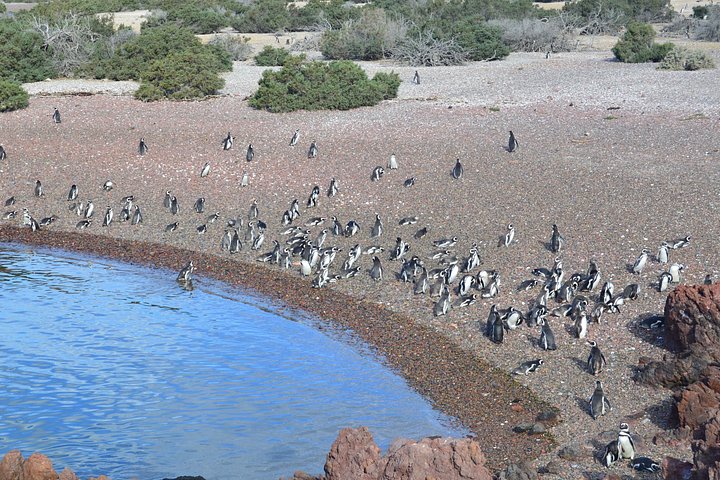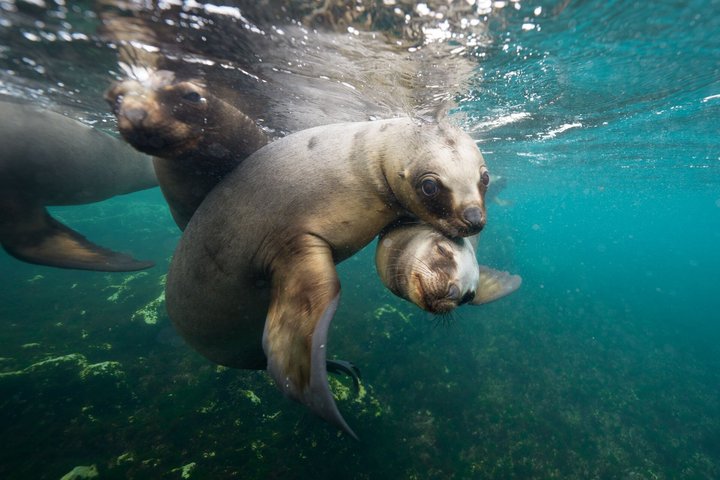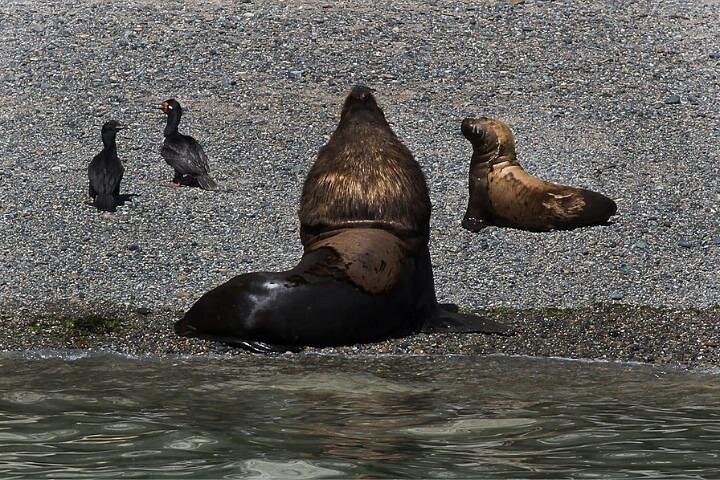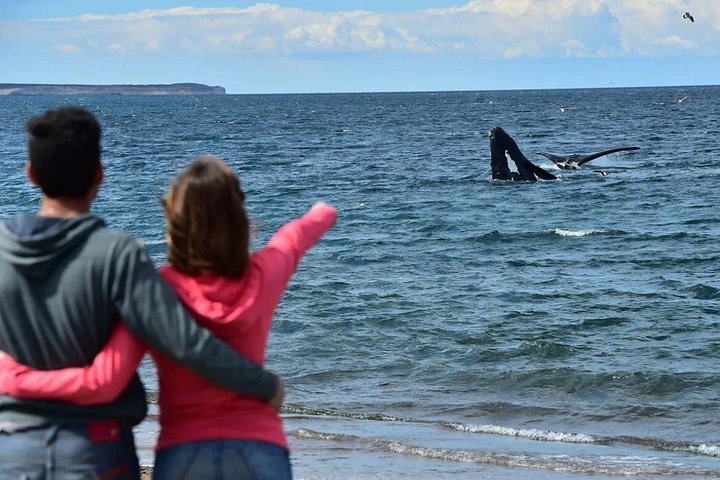
Puerto Madryn is a relaxed seaside town on the Golfo Nuevo in Chubut, and it is the gateway to some of the best wildlife viewing in South America. Almost nobody comes for the town itself. They come for southern right whales, Magellanic penguins, sea lions, elephant seals and dolphins, and for the wide, empty landscapes in between. This guide explains how to plan a first visit so that you see the most for the least stress.
Understand the geography
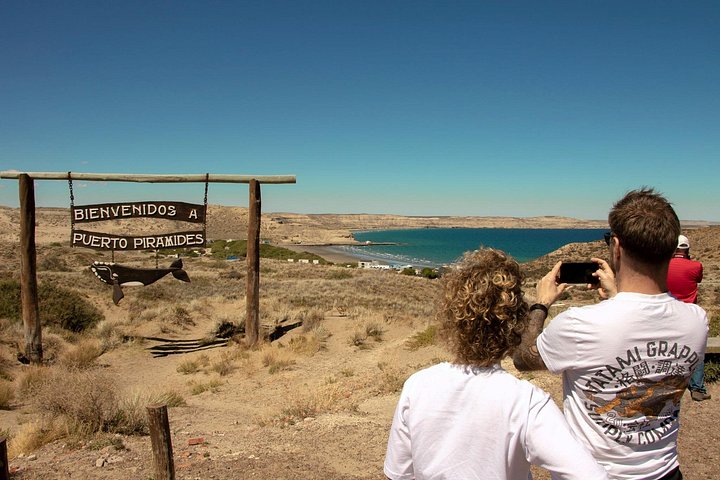
The town sits on a sheltered bay with a long seafront and beach. Peninsula Valdes, a UNESCO World Heritage Site since 1999, lies to the north, with the village of Puerto Piramides about 100 kilometres away. Punta Tombo, the huge penguin reserve, is about 180 kilometres to the south. Punta Loma and Playa El Doradillo are close to town. Trelew and Gaiman, the Welsh towns of the Chubut Valley, are an hour or so away. Distances are long, so most excursions are full-day trips with early starts.
Know the seasons
Whales visit roughly from June to December, with the busiest period in the middle. Penguins nest at Punta Tombo and on the peninsula from about September to March or April, and the colonies are empty the rest of the year. Sea lions and elephant seals are present for much of the year. Orcas patrol the northern shore in late summer and early autumn, although the famous beach hunting is rare. Choose your dates around the animals you most want to see. Spring, from September to the end of the year, offers the best mix.
Book the big three ahead
First, a full-day Peninsula Valdes tour, ideally with the whale boat in season. Second, a Punta Tombo penguin day, which is only possible in the breeding season. Third, a sea lion experience, either the snorkel trip, a kayak paddle or the Punta Loma viewpoint. These sell out in the busy months, so reserve a few days ahead, and schedule the most weather-dependent activities, such as boat trips, early in your stay so there is room for a second attempt.
Get around
In town, you can walk or take an inexpensive taxi. Tour operators collect guests from their hotels, so you do not need a car for the main excursions. A rental car gives freedom for Playa El Doradillo and Punta Loma, but long gravel roads and wind require care. Buses connect the town with Trelew, the airport and long-distance routes across Argentina.
How many days
Three full days is a minimum: one for the peninsula, one for Punta Tombo and one for water activities and local sights. Four or five days let you add a Welsh valley day, the Playa El Doradillo whale beach and slow time on the seafront. If you love photography, add more days to wait for weather and light.
Practical tips
The wind is a constant, so bring a windproof jacket whatever the season. Sun protection is essential, as the light is intense. Carry some Argentine pesos for reserve entrance fees and small purchases, because card acceptance varies. Argentina has had changing exchange arrangements, so check current guidance before you travel. Follow the wildlife rules: stay on trails, never touch animals, keep a distance and do not use drones. Tours often start before dawn, so arrange breakfast the evening before.
What to pack
Layers are the key. Bring a fleece, a windproof shell, a warm hat and gloves for winter and spring mornings, sunglasses with a strap, a hat, sun cream, sturdy shoes, a swimsuit for snorkelling and a small day pack. Binoculars and a camera with a zoom lens will repay their weight. A refillable bottle and snacks help on long drives where food stops are limited.
Make it comfortable
Choose a hotel that offers early breakfast and luggage storage, and pace your days so you are not exhausted. Mix one demanding excursion with one easy one, such as a seafront bike ride. Evenings in Puerto Madryn are pleasant, with seafood restaurants, ice cream and a bay that glows at sunset. With a little planning, a first visit to this part of Patagonia is simple, and it often turns out to be the highlight of a trip to Argentina.
Safety and respect
Wildlife here is wild. Keep a safe distance from sea lions, which can be fast and defensive, never feed animals, and follow the guide's instructions at cliffs and beaches. Sea conditions can change quickly, so listen to the crew on boats. Carry a basic first-aid kit, any medication you need and travel insurance that covers outdoor activities. Phone coverage can be patchy on the peninsula and along the southern roads, so agree meeting points with your group. Finally, be patient: the best wildlife moments often arrive after a wait.