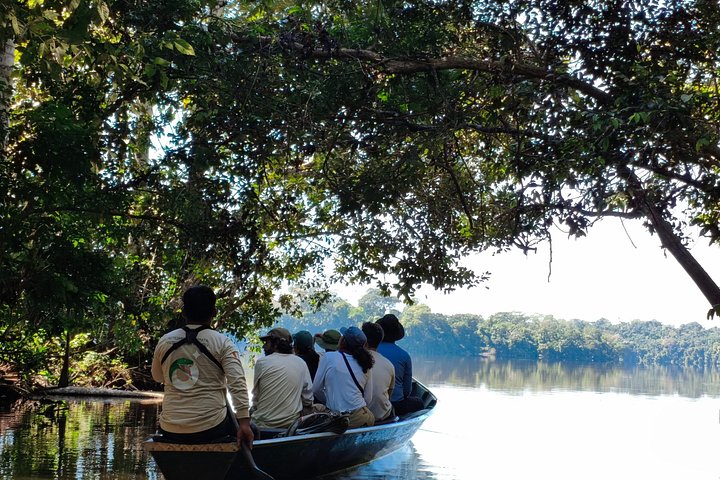
A three-day trip is the most popular length for a first Amazon stay, and it is easy to see why. Two nights in the forest give you time to settle into the rhythm, see the same places at different times of day and avoid feeling that you are racing through a checklist. You can expect a mix of guided walks, a river journey, a lake visit and evening excursions, with enough slack in the schedule for the unexpected. Typical itineraries start with a transfer by road and boat to a lodge, followed by an orientation walk and dinner. The second day is the main exploring day, often including a longer hike, a visit to a lake such as Sandoval or Valencia, a canoe paddle and a night walk or caiman search. The third day offers a dawn bird outing and a leisurely return to town. Details vary by operator, so read the tour page and confirm what is included.
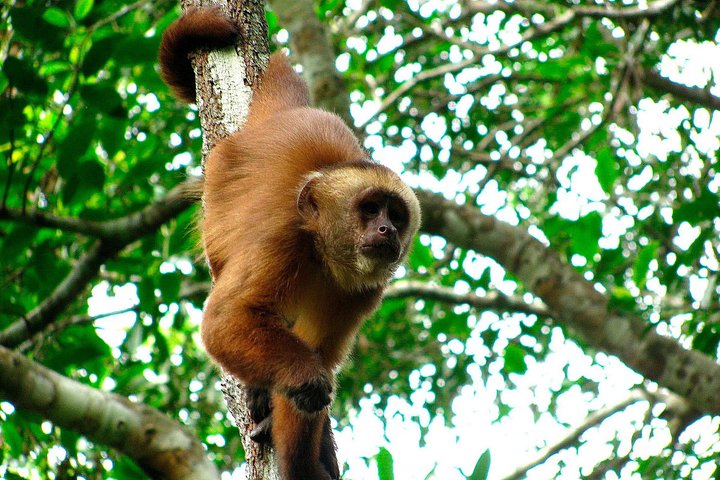
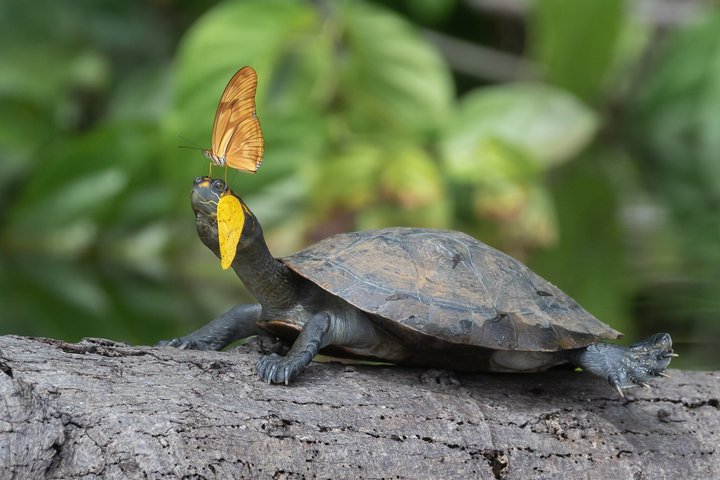
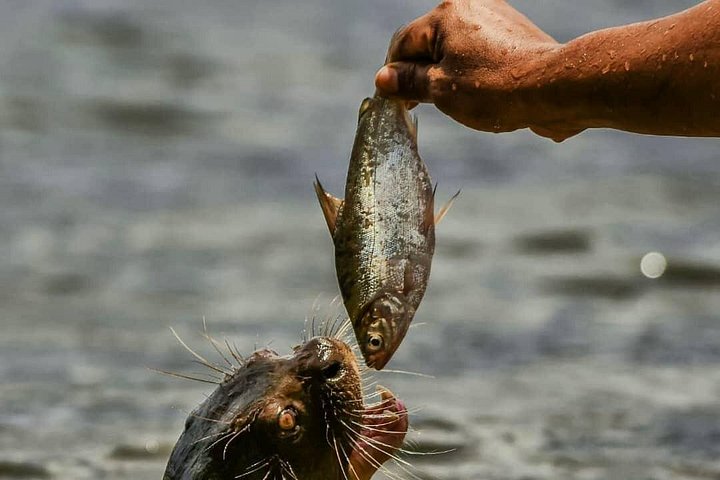
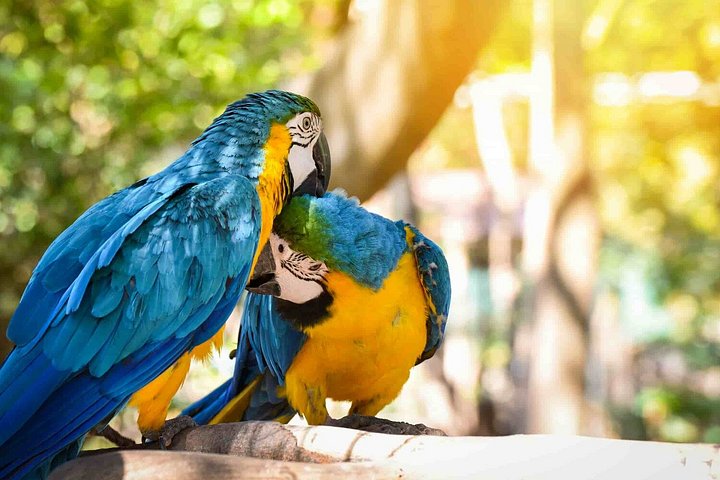
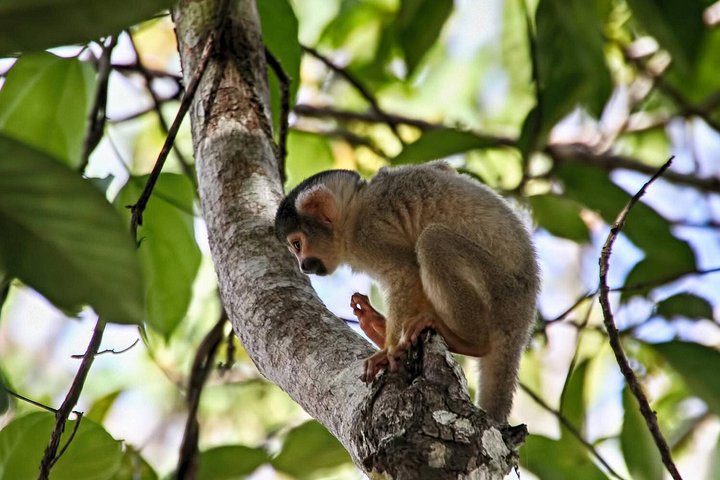
The extra day allows more varied wildlife. You are likelier to see monkeys, birds, caimans and perhaps giant otters, and you have more than one chance at each if the first attempt fails. The pace also lets the guide explain how the forest works, from the role of the canopy to the medicinal plants used by local communities. Many travelers say the second morning is when the jungle starts to feel familiar.
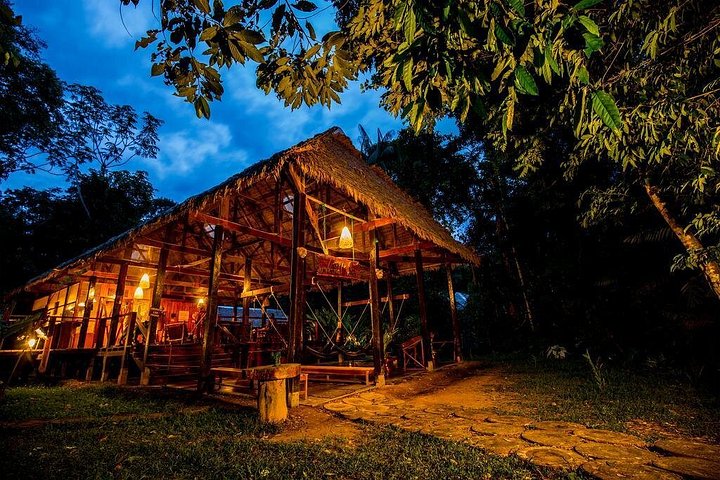
Lodges at this price level are typically comfortable but simple, with fans rather than air conditioning, limited electricity and shared spaces for meals. Expect mosquito nets, humidity and the sounds of the forest all night. If you are a light sleeper, earplugs may be useful. Higher-end lodges also exist for travelers who want more comfort, and several are covered in our hotel section.
Pack clothing that dries quickly, plus long sleeves and trousers for evenings, a rain jacket, closed shoes, sandals for the lodge, a hat, repellent and sun protection. Bring binoculars and a head lamp. Keep valuables secure and leave non-essentials in town. Weather and water levels affect routes, and guides may adjust the plan, which is a normal part of rainforest travel.
Planning notes. Compare operators on the details rather than the headline price. Look for the number of guided activities, the group size, the quality of the guides, how much of the trip is spent traveling and whether lake visits and night walks are included. Ask about the lodge, since location affects how much time you spend in transit. Check if the price includes park or reserve fees, transfers and drinks, and whether lunch on the first day is provided.
Late bookings are usually possible in town, but in the dry months the best-run operations fill up. If you are traveling in the wetter months, expect more rain, higher water and a lively chorus of frogs. Pack accordingly, and bring a waterproof bag liner. A flexible attitude is the best tool for jungle travel. Let the guide know your interests and fitness level, and keep your valuables in a dry bag. You can often arrange for extra nights in town before and after.
Many guests also like to compare notes on the guide choices and the lodge setting, which is a good way to decide between several operators. Reading recent traveler feedback on the tour page can help you see how groups of your type have fared and what the typical day looks like.
What to expect
The experience
A three-day, two-night lodge program with guided walks, a lake or river outing and night activities in the Tambopata area.
Best time
The drier months from May to October are the most comfortable, though the forest can be wonderful in any season.
How long
Three days and two nights, with transfers at either end.
Tips
Bring quick-drying clothes, binoculars and a head lamp, and expect the guide to adjust the plan to the weather.
Quick picks
- Best for
- First-time Amazon visitors who want a balanced mix of wildlife and comfort.
- Families
- A good choice for families with older children who enjoy nature.
- Couples
- A romantic and adventurous stay with time to slow down.
- Pair with
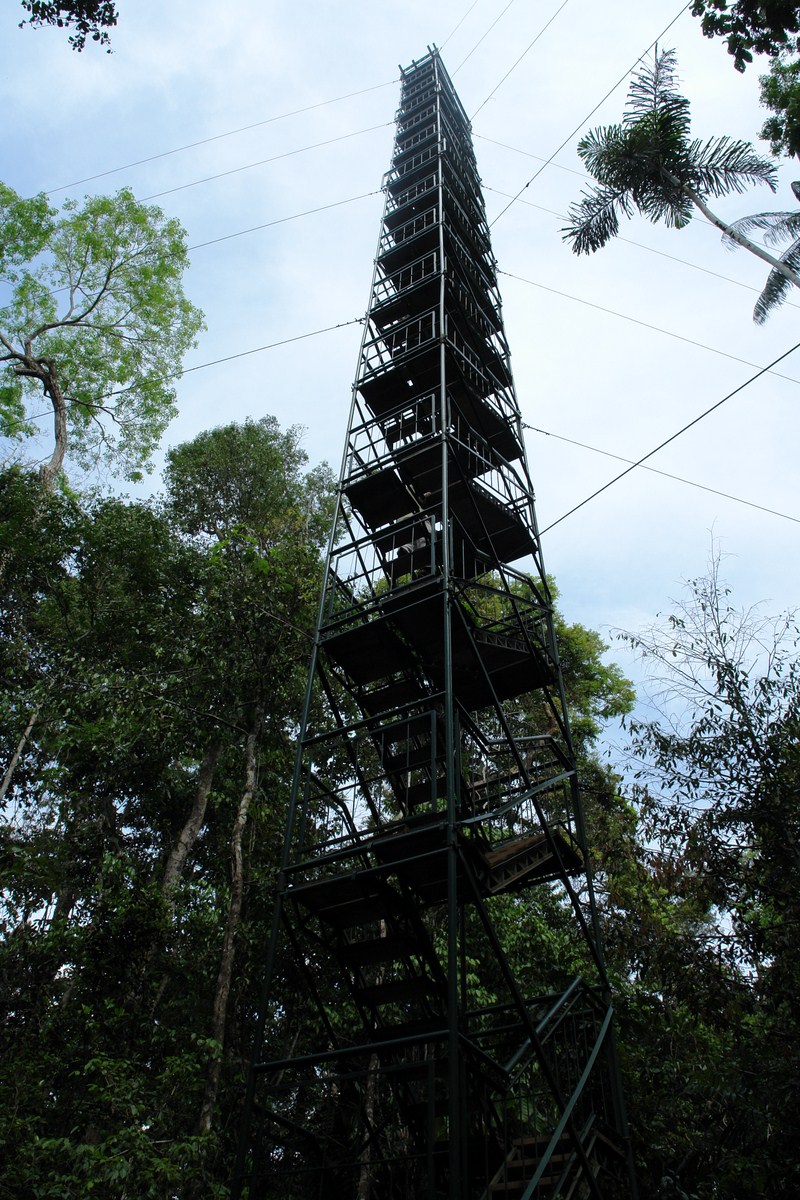
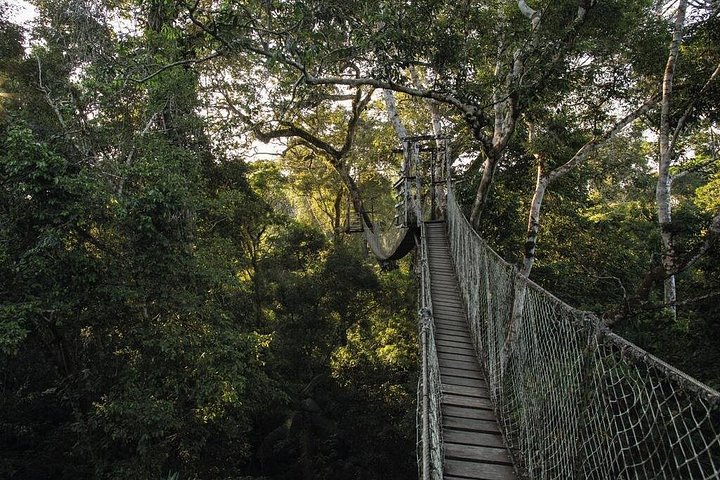
- A clay lick day, a farm visit or the canopy walkway.
- Time needed
- Three days.
Good questions
Is three days better than two?+
For most travelers, yes. The extra day adds wildlife chances and a calmer pace.
What is the accommodation like?+
Typically simple lodges with fans, nets and shared meals. Confirm details when you book.
What wildlife might I see?+
Monkeys, caimans, many birds and sometimes giant otters, though nothing is guaranteed.
Should I bring cash?+
A small amount for tips and extras is useful.
Does the plan change?+
Guides may adjust the schedule to the weather and the wildlife.