Punta Cana is warm all year, with sea temperatures that never turn cold and sunshine on most days, so there is no bad time to be on the beach. But the seasons do differ in the things that matter to a trip: how calm the sea is, how likely a rain shower is, how busy the resorts feel and which excursions are running. Here is how to choose your dates.
December to April: the dry, busy season
This is the classic time to visit, with the driest weather, the calmest seas and warm, comfortable days. It is also the most popular period, particularly around Christmas, New Year and the school holidays in February and March, so expect fuller resorts, higher prices and a stronger need to book the popular excursions in advance. The small-group Saona Island trip and the catamaran cruise are often reserved a few weeks ahead at these times. If you want the best chance of clear water for snorkeling and a smooth boat crossing, this is the window.
January to March: whale season
Humpback whales gather in Samaná Bay each winter, and the viewing season generally runs from about the middle of January to the middle of March, with February usually the best month. The whale watching day trip is long, with several hours on the road each way, but it is one of the most memorable things you can do from Punta Cana, and it only runs in that window. If whales are on your wish list, build your dates around them and book early.
May and June: the shoulder season
As the dry season ends, the weather gets hotter and more humid, with a higher chance of afternoon showers, which usually pass quickly. Crowds thin out, resort prices often drop and the beaches feel more relaxed. This is a good time for travelers who want value and do not mind a little rain, and most excursions run normally.
July and August: hot and lively
Summer brings heat, humidity and a mix of international visitors and Dominican families on vacation. The sea is warm and usually calm, and the days are long. Showers are common but short. It is a good time for families, with school holidays in many countries, though prices can rise at the height of the holidays.
September to November: the quiet, wet season
This is the low season, and it overlaps with the Atlantic hurricane season, which runs from June to November and typically peaks from late summer into autumn. The risk of a direct hit on any one place is low, but storms can cause cancellations and rough seas, so travel insurance and flexible bookings are wise. Resorts are quieter and cheaper, and the landscape is green. If you travel then, keep an eye on forecasts, choose a refundable rate and prepare for a few rainy days.
Sargassum
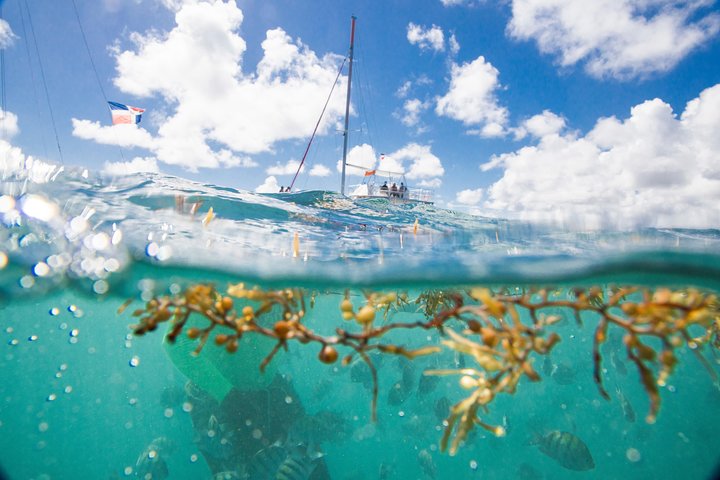
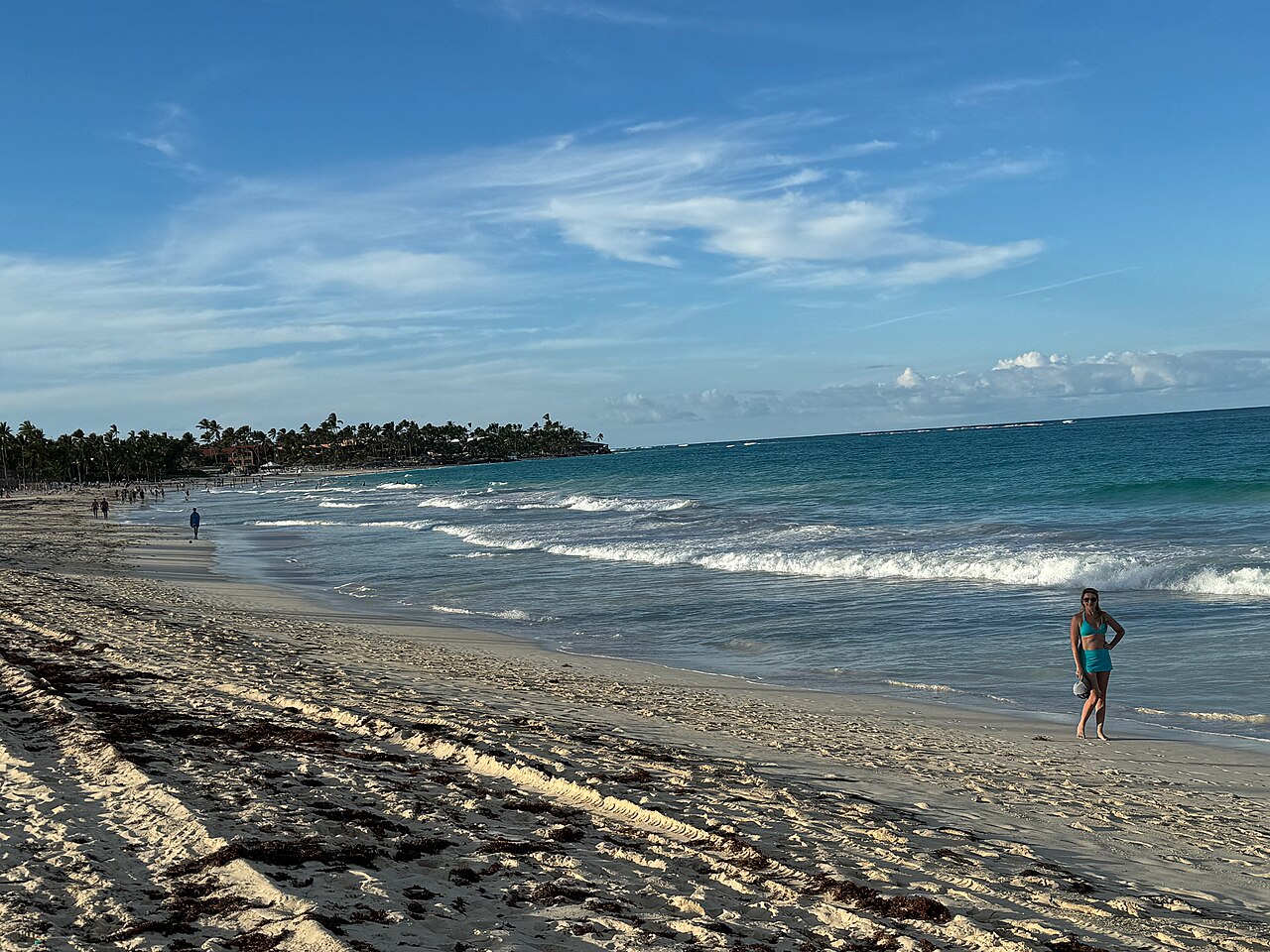
Seaweed called sargassum can wash up on parts of the Caribbean coast in some months, usually in spring and summer, depending on currents and winds. Resorts clear their beaches early each day, and the amount varies a great deal from year to year. If it is a concern, choose a resort on a sheltered beach and check recent traveler reports before you book.
Sea conditions
The reef-sheltered beaches at Bávaro are calm most of the year, while the Uvero Alto and Macao coasts face the open Atlantic and can have bigger waves, especially in windy periods. Check the flags before swimming, and ask the staff about the day’s conditions.
How to choose
For the most dependable weather and the best chance of clear snorkeling water, book December to April. For whales, go from the middle of January to the middle of March. For value and fewer crowds with a little risk of rain, aim for May, June or the shoulder weeks around the holidays. For the lowest prices, travel from September to November, with insurance and flexibility. Whenever you go, pack reef-safe sunscreen, a light rain jacket and insect repellent, and keep your plans loose enough to move an excursion by a day if the weather turns. If you are unsure, the first half of December and the weeks in late April and early May are a good compromise, with dry weather and thinner crowds than the peak holiday weeks.