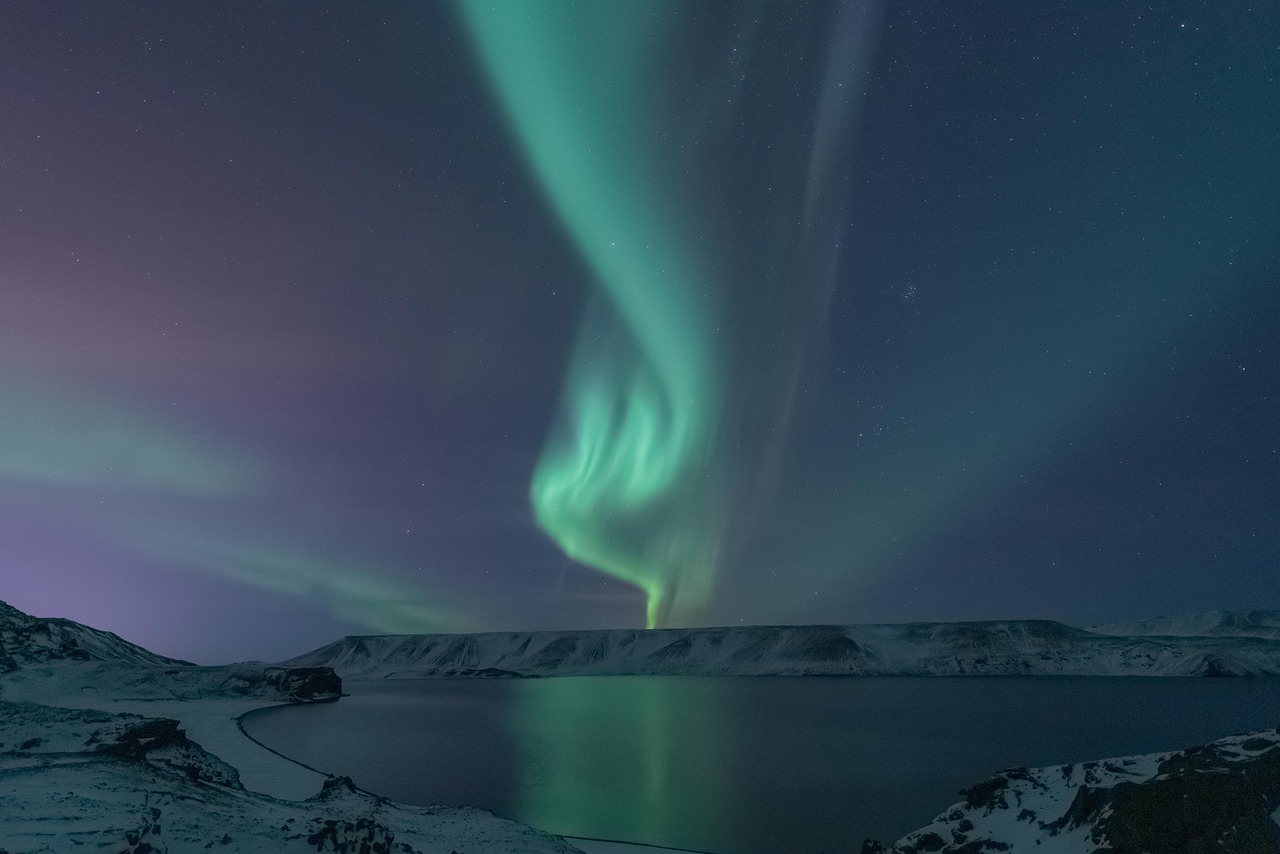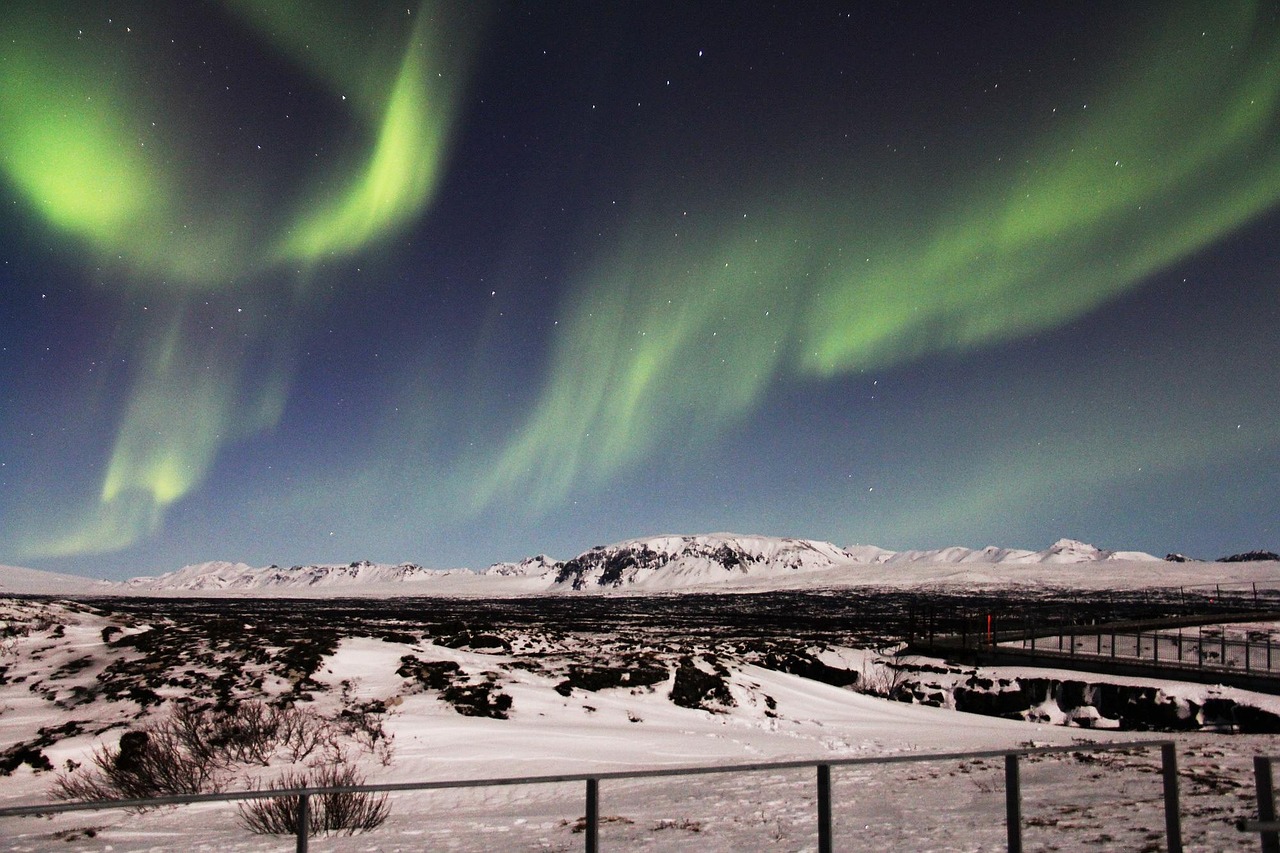
Grótta is Reykjavík's secret edge and the aurora hunter's in-city answer: the lighthouse islet off Seltjarnarnes — the peninsula tip 20 minutes' walk past the capital's westernmost streets, where the city simply stops and the North Atlantic takes over — a protected nature reserve (established 1974 for the birdlife) whose geography does all the work: the tidal causeway (Grótta is an island twice a day — the black-sand spit to the 1897-founded lighthouse walks only at low tide, and the tide tables are the visit's one piece of homework: the stranded-tourist rescue is a local genre), the darkness (the point sits beyond the streetlights with the open ocean north — on active clear nights this is THE in-town northern lights venue: locals drive out, kill their headlights and watch the sky dance over the lighthouse silhouette, no tour bus required — the roster's northern-lights-tours entry runs the full chase, but Grótta is the free local version), the small famous extra (Kvika, the sculpted stone footbath by the shore path, runs geothermally warm — the tiny toe-dip pool against the ocean view is the capital's most charming five minutes: bring a towel), the seabird theater (May-July closes parts of the reserve for nesting — arctic terns dive-bomb trespassers with full commitment, eiders raft offshore, and the birders' season is the reserve's founding purpose), and the everyday register: the sunset-walk-and-sea-air circuit along the shore path is where Reykjavík's joggers, dog walkers and golden-hour photographers actually go. The honest notes: it is weather-exposed and unstaffed (dress for wind always), the lighthouse interior is not generally open (the walk and the setting are the attraction), and the aurora crowds on strong forecast nights are their own small scene. Fit: the aurora chip's free wing, couples (the sunset-and-footbath circuit), families (tide-pool and tern season drama), and every itinerary's last-evening walk.
The point's texture rewards the full loop: the Seltjarnarnes shore path rounds the peninsula past the golf course and the old fish-drying grounds, Kvika's footbath (artist Ólöf Nordal's geothermal basin, big enough for four sets of feet) sits mid-path with the mountain panorama — Esja across the bay, Snæfellsjökull's glacier cone a hundred kilometers west on clear days (the glacier-at-sunset sighting is the walk's jackpot) — and the lighthouse islet closes the composition: the current tower (1947) over the black spit, the tern colonies' ground nests, and the wrack-line beachcombing of a working coast. The tide homework restated seriously: the causeway floods fast and fully — check the tide tables, start the crossing on a falling tide, and treat the posted closure signs (and the nesting-season roping, May-July) as law: the reserve's protections are real, and so is the stranding.
The aurora craft
Grótta works because the city's glow sits behind you and the sea's darkness ahead — on Kp-active clear nights arrive late (the displays favor the hours around midnight), park at the reserve lot, let the eyes adapt (phone screens down), and shoot from the shore path with the lighthouse as foreground (the roster's aurora-reykjavik entry teaches the camera settings — ten minutes there upgrades the night here). The practical frame: buses and the shore path reach the point (the walk from downtown runs a flat half-hour-plus; driving is the winter norm), there are no services (the charm — bring the thermos), and the all-season registers differ honestly: summer's midnight-sun walks and tern theater, autumn-through-spring's aurora watch, winter's storm drama for the suitably dressed.
Practicals and fit
Seltjarnarnes point (shore path or bus; parking at the reserve), free always, tide tables mandatory for the causeway, nesting closures May-July. Fit: the aurora chip's free in-city venue, couples at sunset with the footbath, families for tide pools and terns — the capital's edge, kept wild.
What to expect
The experience
The lighthouse islet at the city's western edge — a tidal causeway, protected seabird reserve, the geothermal Kvika footbath on the shore path, and the capital's best free northern-lights darkness.
Best time
Low tide for the causeway (check the tables — it floods fast); clear active winter nights for aurora; May-July brings tern-season closures and the birding register; sunset year-round.
How long
An hour's walk to a whole aurora evening.
Tips
Bring a towel for the Kvika footbath — warm feet against the ocean view is the capital's best five minutes. On aurora nights, kill the phone screen and let your eyes adapt. Respect the nesting ropes; the terns enforce them anyway.
Quick picks
- Best for
- The free aurora venue — the city's glow behind you, the dancing sky ahead.
- Families
- Tide pools, dive-bombing tern drama in summer and the lighthouse-island walk at low tide.
- Couples
- Sunset from the shore path, feet in the warm footbath, Snæfellsjökull on the horizon.
- Pair with
- The Aurora Reykjavik center's camera coaching first; the northern-lights tours for the full chase beyond the city.
- Time needed
- One golden-hour circuit, or the midnight aurora watch.
Good questions
Can you really see northern lights here?+
On clear, solar-active nights, yes — Grótta is the capital's best in-town venue: beyond the streetlights with open ocean north, free and bus-reachable, with the lighthouse as the photographers' foreground; strong forecasts draw a local crowd.
What is the tide situation?+
Grótta is an island twice a day — the causeway walks only at low tide and floods fast and fully: check the tide tables, cross on a falling tide, and treat the closure signs as law.
What is the warm footbath?+
Kvika — a small sculpted geothermal basin on the shore path, warm year-round and big enough for four sets of feet: bring a towel, soak the toes against the mountain panorama, and thank the artist.
When is the bird season?+
May through July — the reserve closes its nesting zones, arctic terns dive-bomb anyone near the ropes with full commitment, and the birdlife (the reserve's founding purpose since 1974) runs peak theater.
How do we get there?+
A flat half-hour-plus walk or bus along the Seltjarnarnes shore path from the city's west end — driving is the winter norm, with parking at the reserve; no services, which is the charm.