Icelandic horses are small, sturdy and famously friendly, a breed that has lived in the country for over a thousand years without mixing with outside bloodlines. A horse riding tour near Reykjavik puts a visitor in the saddle for an hour or two, following a guide through lava fields, grassland and river valleys with views of mountains and sometimes the sea. The horses are known for the tolt, a smooth fourth gait that feels like gliding and is easier to ride than a trot, which makes the experience comfortable even for beginners. Stables sit within thirty to fifty minutes of the capital, and many tours include pickup. Groups are small, riders are matched with horses based on size and experience, and helmets and waterproof overalls are provided when needed. Some tours add a volcano or geysir viewpoint, a visit to a farm cafe or a combination with a buggy safari for the active crowd. Riders do not need prior experience, though they should be comfortable around animals and able to follow instructions. It is a calm, scenic outing that works in almost any weather and gives a close look at rural Iceland.
The Icelandic horse is protected by strict laws: no other horse can be imported, and any horse exported cannot return. That isolation has kept the breed pure and given it a distinct personality, curious, hardy and often affectionate. The five gaits include walk, trot, canter, the tolt and the flying pace, and the tolt is the star for visitors because it is smooth and quick without the bouncing of a trot. Guides often explain these details on the ride, along with the role horses have played in farm life, sheep roundups and winter travel.
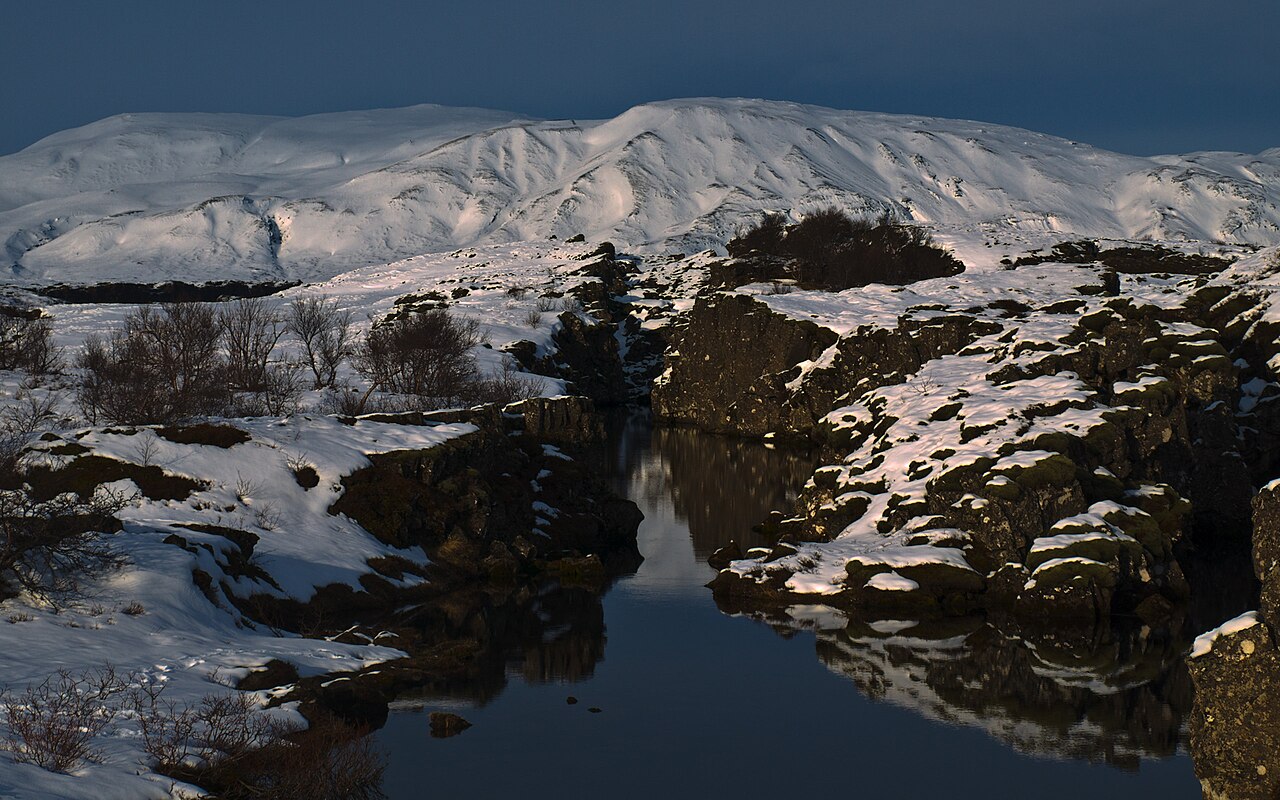
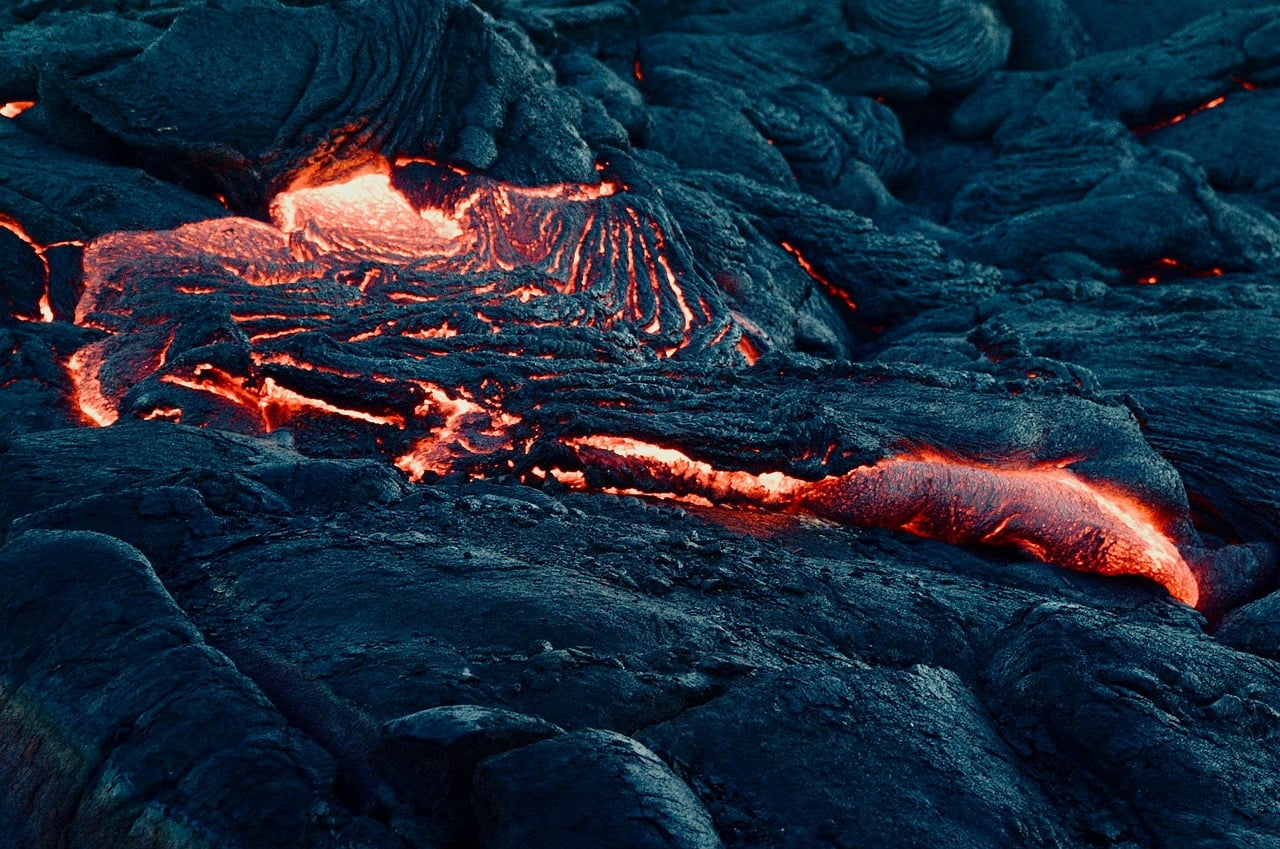
A typical tour starts at the stable with a safety briefing, equipment fitting and horse assignment. The ride then follows tracks through the surrounding landscape. Depending on the stable, the route could cross lava fields, skirt a lake, climb a gentle hill with views to the Hengill volcanic system or wander through farm pastures with sheep and other horses.
Pace is relaxed, mostly walking with some tolt sections for those who want them, and photo stops are frequent. After the ride there may be a warm drink or snack in the stable cafe, and it is common to spend time stroking the horses and learning their names.
Planning is straightforward. Choose a duration that fits your day: an hour is enough for a first experience, while two hours allows more variety and a longer tolt. Wear long trousers, closed shoes or boots, and layers under the waterproofs offered by the stable. Weight limits apply and are set for the horses' wellbeing, so check them when booking. Children are welcome on shorter family rides, often with a guide leading the horse. In winter, rides are still offered when the weather is safe, and the snowy setting adds to the charm.
Pair the outing with a lagoon visit or a Golden Circle stop for a relaxed day, or book a morning ride before an afternoon flight. The result is a quiet, memorable encounter with one of the country's most beloved animals. After the ride, take a moment to thank your horse, as many riders form a quick bond with their mount. Ask your guide about the horse's name and age, and you will hear charming details about the herd, from the foals born each summer to the autumn roundup when horses return from highland pastures.
What to expect
The experience
A guided ride on Icelandic horses through nearby lava fields and farmland, with equipment, a safety briefing and small-group pacing suited to beginners.
Best time
Year-round. Summer is easiest, while autumn colors and winter snow make the scenery dramatic.
How long
1-2 hours.
Tips
Wear long trousers and closed shoes. Layers under waterproofs help, and gloves keep your hands warm.
Quick picks
- Best for
- Animal lovers and first-time riders who want a gentle outdoor experience.
- Families
- Good for children from about six or seven on shorter rides; check stable age rules.
- Couples
- A scenic, unhurried date with views and plenty of photo stops.
- Pair with
- The Golden Circle, a lagoon soak or a Reykjanes lava tour.
- Time needed
- One to two hours plus travel.
Good questions
Do I need riding experience?+
No. Icelandic horses are gentle and guides match riders to horses by experience. Beginners are welcome on most tours.
What is the tolt?+
A smooth four-beat gait unique to Icelandic horses. It feels like gliding and is much easier to ride than a trot.
What should I wear?+
Long trousers, closed shoes and warm layers. Waterproof overalls and helmets are usually provided.
Are there weight limits?+
Yes. Stables set limits to protect the horses, so check the details before booking.
Can I ride in winter?+
Yes, when conditions are safe. Winter rides are often shorter but offer snowy scenery and clear air.