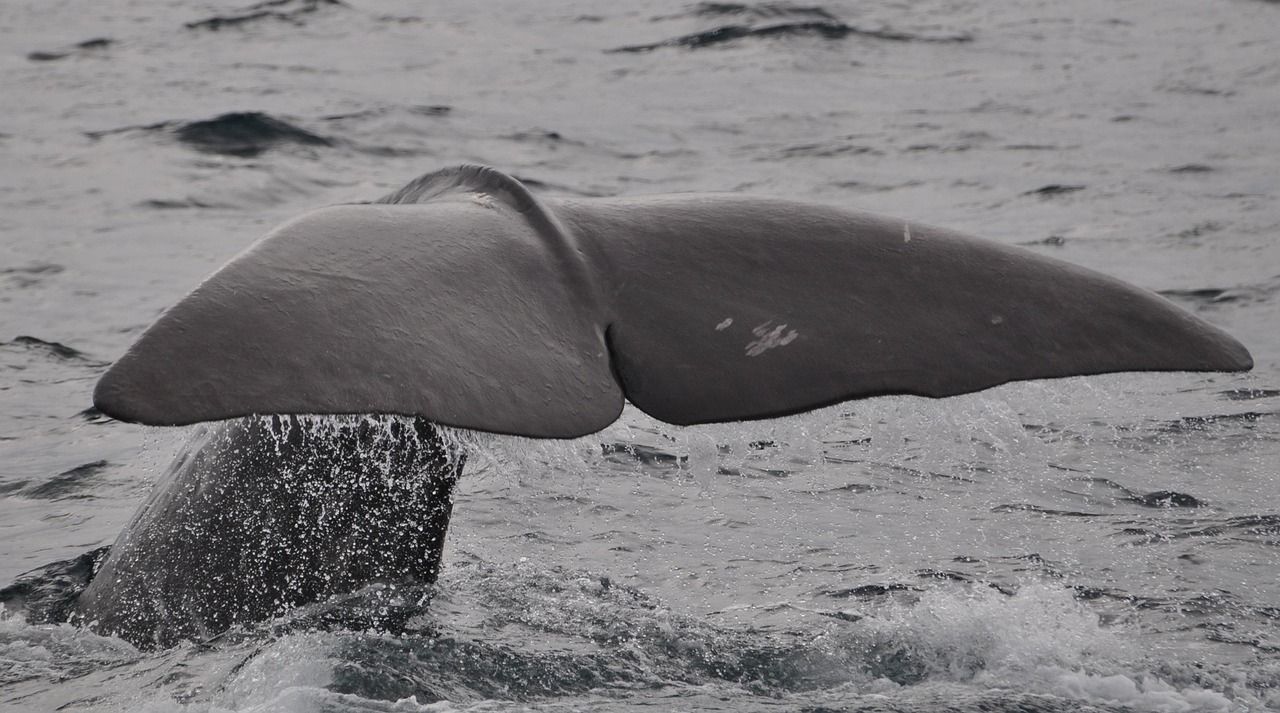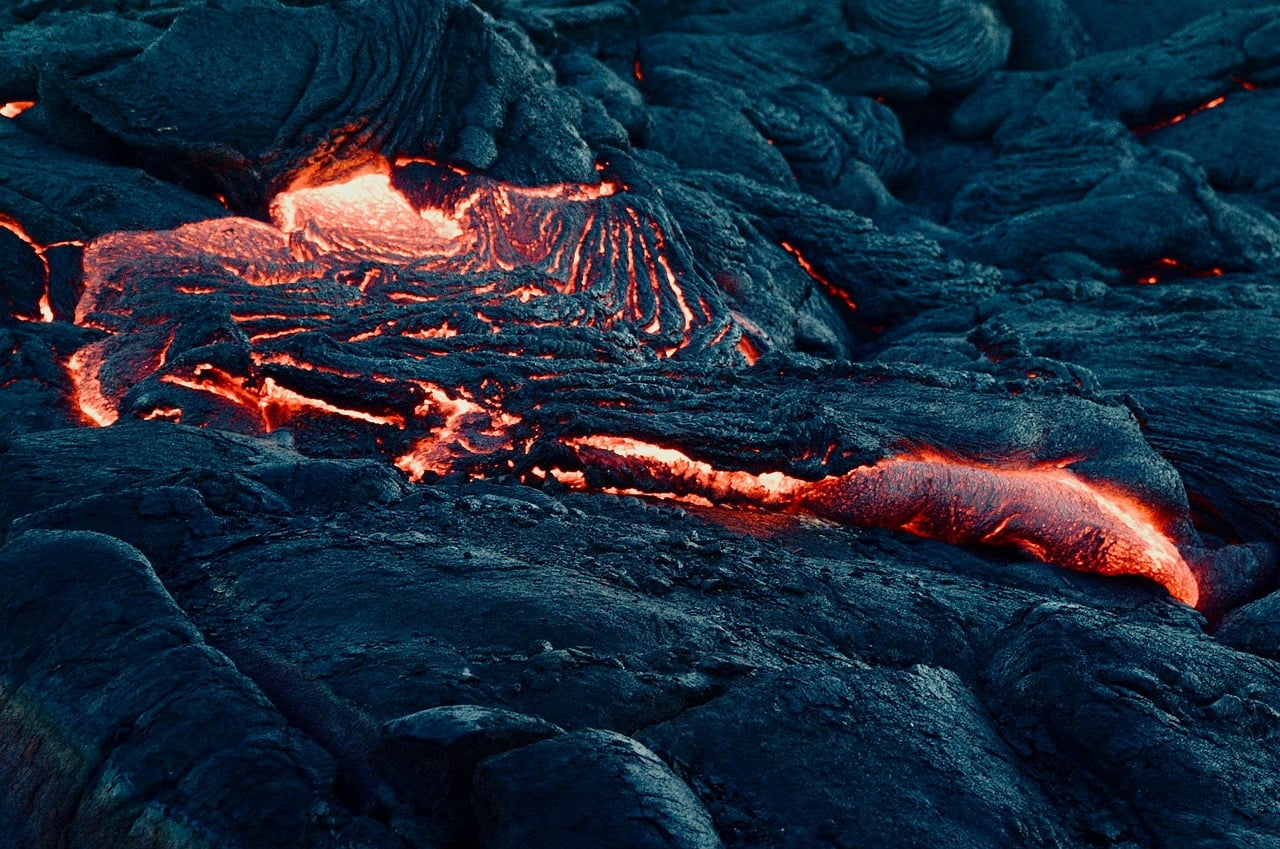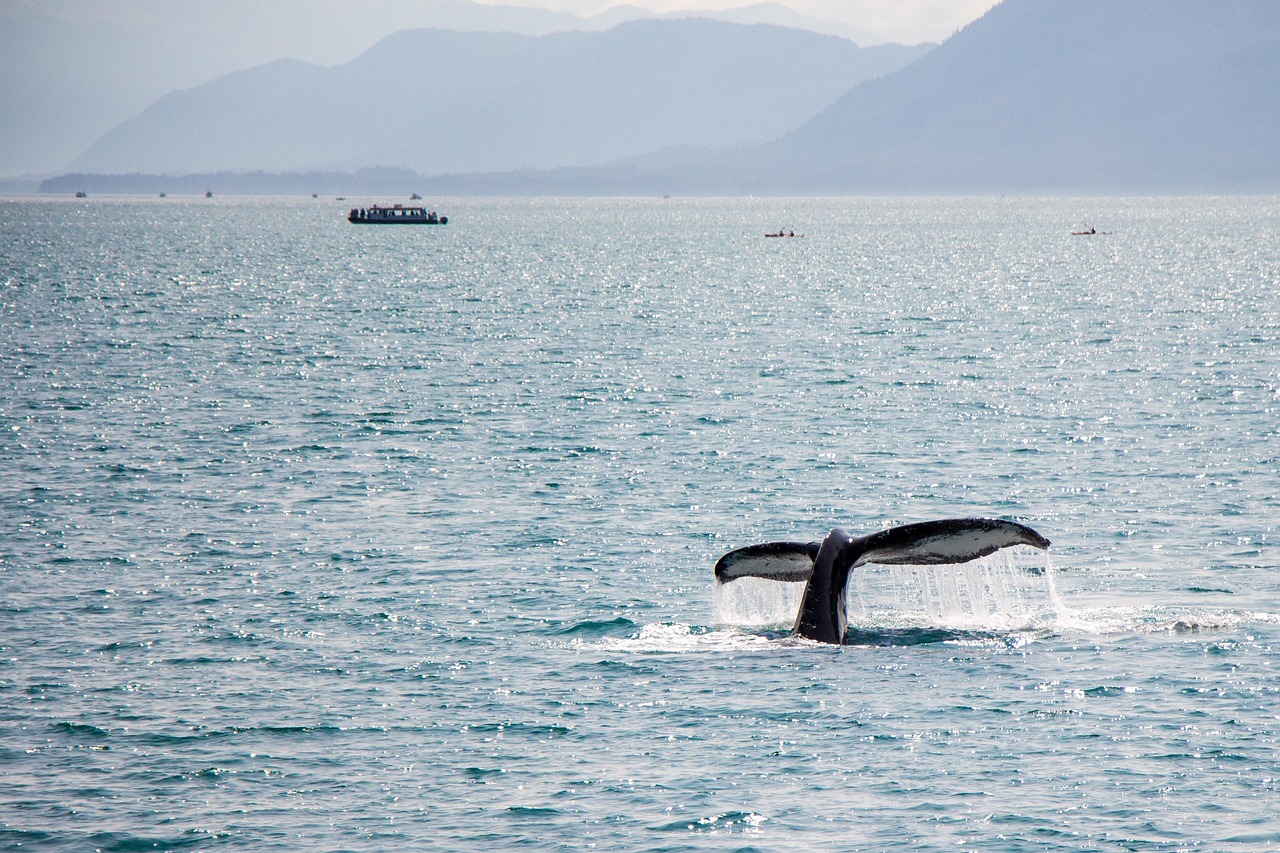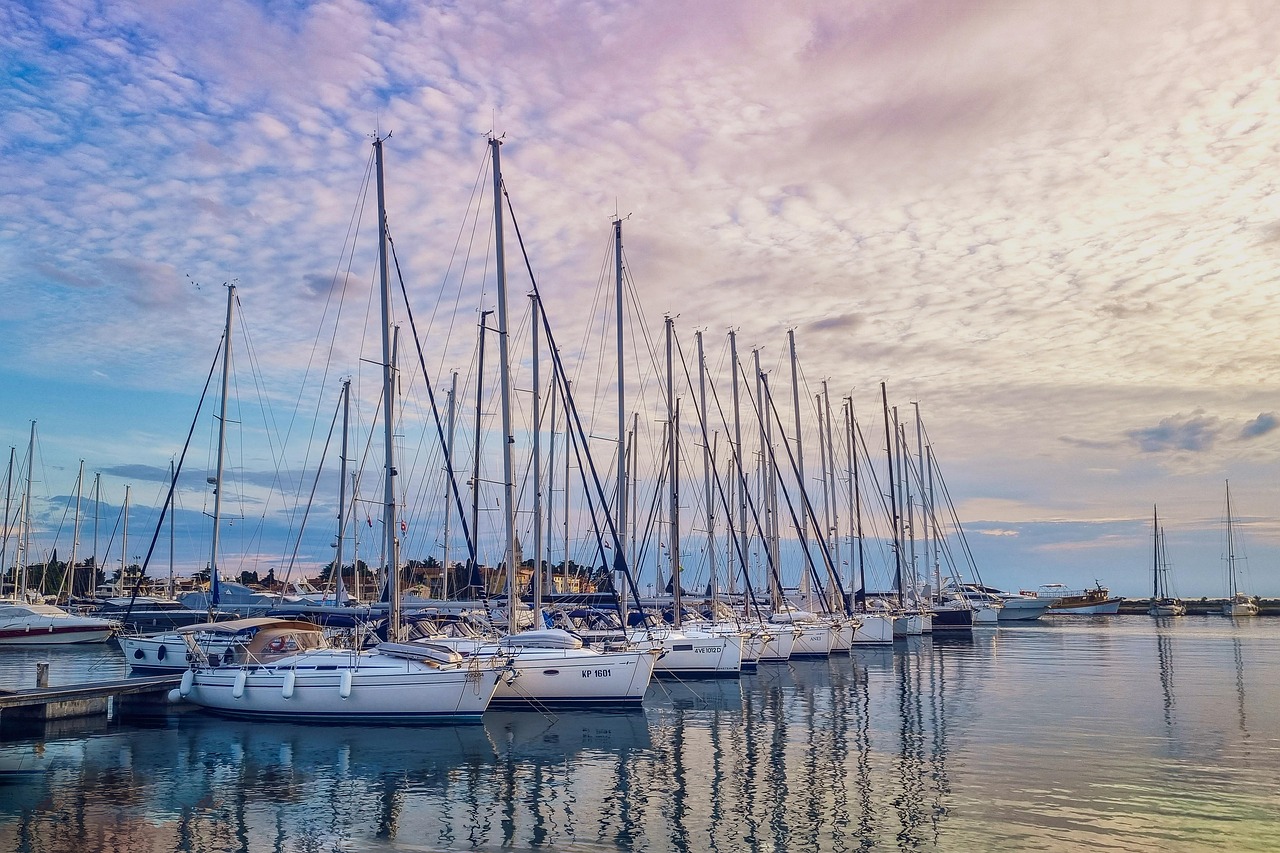
The Old Harbour and Grandi are Reykjavík's waterfront second act and the city's best afternoon-by-accretion: the working harbor — still real: the whale-watching fleet and sea-angling boats share water with fishing trawlers, the slipway's hull-painting theater runs in full view, and the harbor mouth frames Esja — whose old fish sheds and net stores the past fifteen years turned into the Grandi district's genuinely good cluster without killing the salt: the museum run (Whales of Iceland's blue-lit giants, the Icelandic Lava Show's molten pour and FlyOver Iceland's flight ride — the roster's entries cluster within three blocks, making Grandi the weather-proof day's anchor; the Maritime Museum's cod-wars-and-trawlers story and the Marshall House's art floors fill the gaps), the eating register (the fish-shed food culture is the draw: the famous fish-and-chips counters, the harbor-side seafood-soup institutions, Grandi Mathöll's street-food hall in an old fish factory, the ice-cream queue that defies every blizzard — Icelanders eat ice cream meteorologically unmoved — and the bakery-and-coffee tier for the stroll), the walk itself (the harbor loop from the whale piers out the Grandi spit — working boats, the orange Þúfa mound's spiral path at the point (the art-walk landmark with the harbor panorama), and the sea air doing its work), and the departure function: the whale-watching and puffin boats (the roster's whale-watching-reykjavik entry) sail from these piers, making the district every boat day's bookend. The register is the charm: Grandi gentrified into usefulness rather than preciousness — the chandlers and net lofts still work between the galleries, the harbor smells correctly of sea, and the afternoon assembles itself: museum, fish and chips, harbor loop, ice cream regardless of weather. Fit: families definitionally (the museum-and-ice-cream circuit), first trips (the boat departures and the cluster), couples (the harbor dusk), and every weather-rearranged day's answer.
The harbor's history is the city's
Reykjavík grew on this waterfront (the old harbor's 1913-17 construction made the modern town — the trawler fleet it sheltered built Iceland's 20th-century leap from poverty), the cod wars' coast guard cutters tied up here between confrontations (the Maritime Museum's Óðinn — the preserved patrol ship — tells the gunboat-diplomacy story Iceland won), and the fleet's partial move to newer docks left the old basins to the whale boats and the second act. Grandi's conversion ran shed by shed: the fish factories' bones kept (Mathöll's hall still reads as the factory it was), the Marshall House's herring-plant floors now holding serious galleries (the Kling & Bang and studio floors — the art stop between museums), Þúfa's grass spiral (Ólöf Nordal again — the fish-drying hut at the summit is the joke and the point) crowning the spit, and the ice-cream, chocolate-factory and craft-beer tier filling the gaps between working chandlers.
The day's assembly craft
Cluster the indoor anchors by weather (Whales of Iceland, Lava Show and FlyOver within three blocks — the roster's entries carry the booking strategies), eat the register in order (seafood soup or fish-and-chips lunch, the ice-cream queue's defiant dessert, Mathöll when the group can't agree), walk the loop (whale piers to Þúfa — 30-40 minutes of working-harbor theater), and time the boats (the whale and puffin departures make Grandi the embarkation bookend — arrive early, eat after). The honest notes: the district runs spread-out-industrial between the clusters (the walk has warehouse stretches — part of the honesty), winter wind off the harbor mouth bites (dress for it), and weekend afternoons peak the food halls.
Practicals and fit
The Old Harbour and Grandi spit, ten minutes' walk from the center, free as a district (museums ticketed separately), food halls daily. Fit: families' museum-and-ice-cream day, every whale-boat morning's bookend, couples at harbor dusk — the city's salt-air second act.
What to expect
The experience
The working harbor and its converted fish-shed district — whale-boat piers, the Whales of Iceland/Lava Show/FlyOver museum cluster, fish-and-chips and food-hall eating, and the harbor loop out to Þúfa's grass spiral.
Best time
Museum cluster on bad-weather days; boat mornings bookend here; the ice-cream queue runs in all conditions — join it on principle.
How long
A half day assembles itself; the museum anchors can fill a full one.
Tips
Cluster the indoor anchors when the weather turns — three of the roster's best sit within three blocks. Eat fish and chips from the shed counters, not the tourist-row clones. Climb Þúfa's spiral for the harbor panorama.
Quick picks
- Best for
- The weather-proof day — museums, salt air and the city's best casual seafood in one district.
- Families
- Blue whales, molten lava, a flight ride and ice cream regardless of blizzard — the kids' perfect circuit.
- Couples
- The harbor loop at dusk, soup counter after — the working-waterfront romance.
- Pair with
- The whale boats sail from these piers; the Sun Voyager and Harpa start the shore walk here.
- Time needed
- One salt-and-snacks half day.
Good questions
What is in the museum cluster?+
Within three blocks: Whales of Iceland's life-size giants, the Icelandic Lava Show's real molten pour and FlyOver Iceland's flight ride — plus the Maritime Museum's cod-wars patrol ship and the Marshall House's gallery floors: the capital's weather-proof anchor.
Where should we eat?+
The fish-shed register — the famous fish-and-chips counters, harbor-side seafood soup, Grandi Mathöll's food hall in an old fish factory, and the ice-cream queue Icelanders join meteorologically unmoved.
Is it still a working harbor?+
Properly — trawlers and the whale fleet share the basins, the slipway paints hulls in public view, and chandlers work between the galleries: the district gentrified into usefulness without losing the salt.
What is Þúfa?+
The grass-covered spiral mound at the Grandi point — Ólöf Nordal's artwork with a fish-drying hut at the summit: the ten-minute climb pays the harbor-and-Esja panorama.
Do the whale boats leave from here?+
Yes — the whale-watching and puffin fleets sail from the Old Harbour's piers, making the district every boat day's natural bookend: arrive early, eat afterward.