The Lava Tunnel is the easiest great adventure in Iceland and the underground hour every volcano-curious itinerary deserves: Raufarhólshellir — one of the country's longest and best-known lava tubes, a 1360-meter tunnel bored by a river of molten rock during the Leitahraun eruption about 5200 years ago — sits barely 30 minutes southeast of Reykjavík, and the operation makes the deep-earth accessible without diluting it: the standard tour (the hour-long guided walk on lit walkways and stairs through the tube's first stretch — the scale surprises everyone: the main gallery runs wide-and-tall as a metro tunnel, the ceiling's lava stalactites and the walls' flow-lines read like the rock remembers being liquid, the collapsed skylights pour daylight shafts (and winter snow-cones) into the darkness, and the mineral palette — the reds, sulfur-yellows and purples of the cooling chemistry — glows under the lighting), the guides' volcanology running expert and plain (how tubes form when a flow's surface crusts while the river runs on, how the drained tunnel survives, how Iceland's rift keeps writing new ones), the winter bonus (the entrance chambers grow ice sculptures — the stalagmite forests of the cold months are the photographers' season), and the Extreme tour for the committed (the 3-4 hour full-length scramble past the lit section — helmets, headlamps and raw cave to the tunnel's end). The practical frame: the standard tour is genuinely all-comers (walkways, no scrambling, kids welcome; dress warm — the tube holds a steady cold), the location pairs with the South Coast or Golden Circle drives (the tunnel sits at the Þrengsli pass on the southbound way), and transfers from Reykjavík run for the carless. Fit: the adventure chip's accessible wing, families (the real-cave thrill at walkway safety), first trips (the volcano-country lesson underground), and the Lava Show pairing that completes fire-and-rock.
The geology is the tour's spine
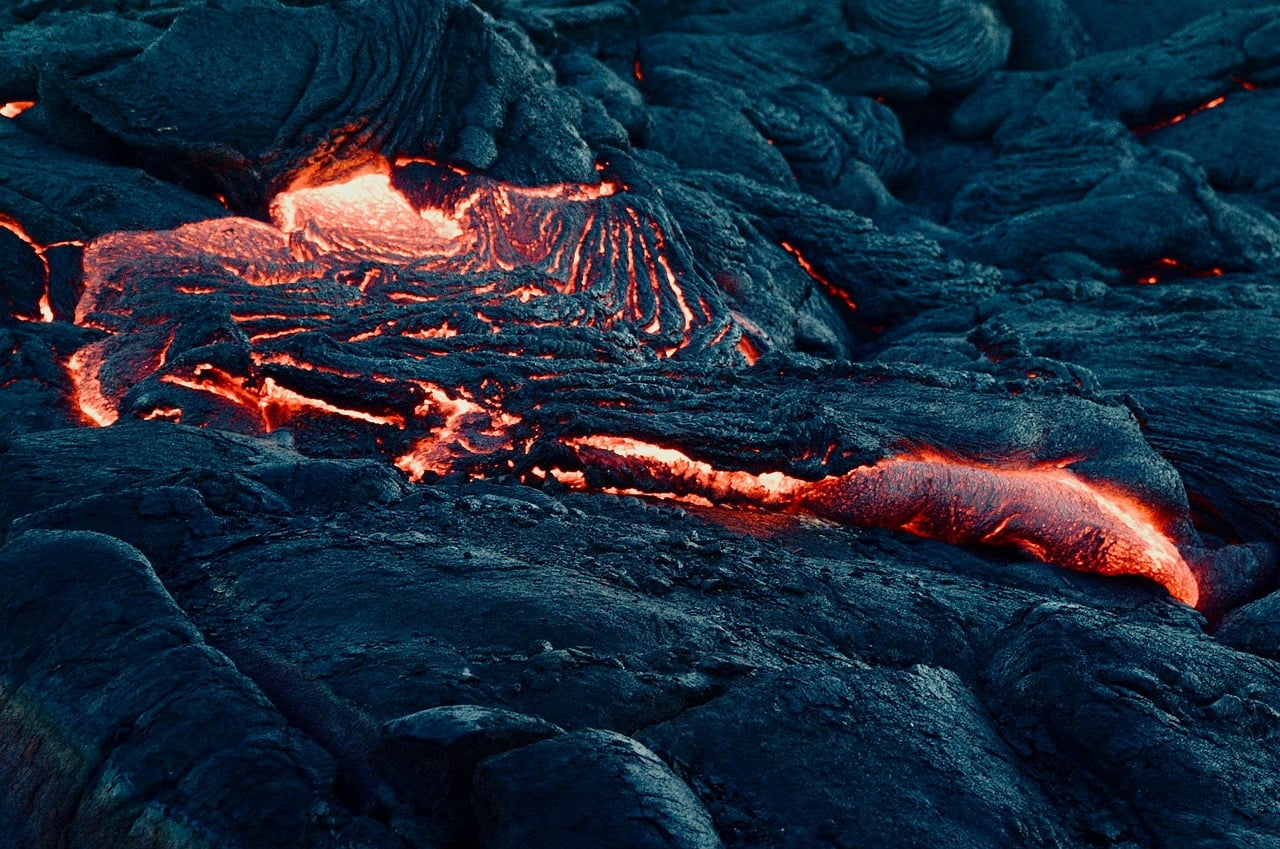
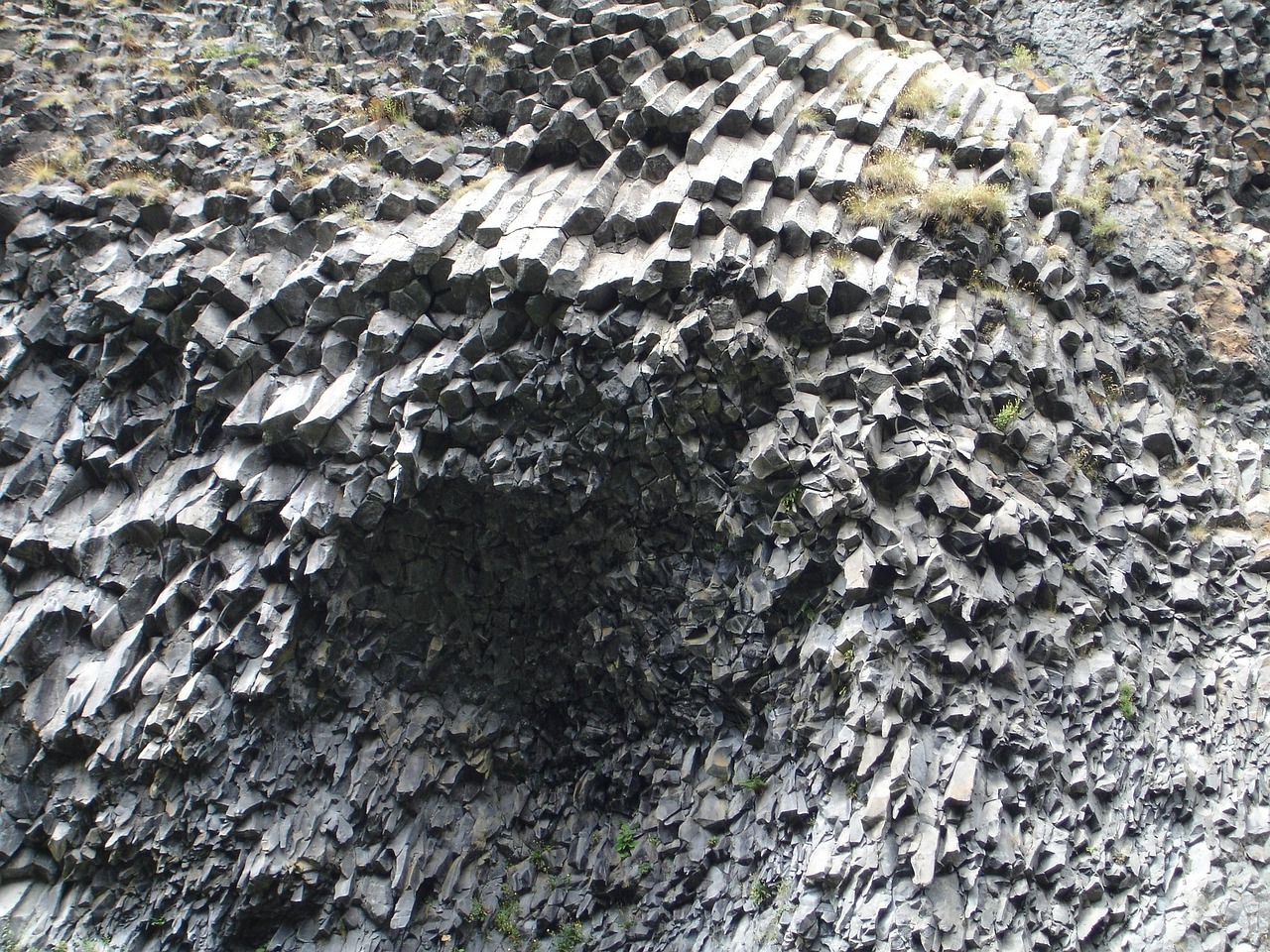
Lava tubes form when a basalt flow's surface cools to crust while the molten river beneath keeps running — when the eruption ends the river drains out, leaving its pipe: Raufarhólshellir's bore ran during the Leitahraun event (~5200 years ago), and the tunnel preserves the flow's whole anatomy — the flow-lines ringing the walls like bathtub marks, the lava stalactites dripped from the re-melting ceiling, the benches where the river's level paused, and the rubble floors where sections of crust fell in. The three skylights (the collapsed-ceiling windows near the entrance) are the tube's signature: daylight shafts in the dark, snow-cones and ice falls in winter, and the reason the first chambers freeze into the sculpture garden the cold months are famous for. The tunnel's modern story is a conservation save: decades of unregulated visits stripped formations and left damage, and the walkway-and-guide operation (opened 2017) stabilized it — the lit path protects the floor, and the guides' no-touching discipline is the lesson in how Iceland now manages its fragile underground.
The choosing craft
The standard hour suits nearly everyone (walkways and stairs, steady 0-4C cold — layers and grippy shoes; kids do fine), the Extreme tour (3-4 hours, small groups, helmets-and-headlamps past the lit section to the tunnel's end) rewards the fit-and-curious with the raw cave, and winter beats summer for photographs (the ice sculptures) while summer wins on the skylights' green light. The logistics: 30 minutes from the city on Route 39 (the Þrengsli pass), tours run year-round on the hour-ish, transfers bookable, and the South Coast pairing is the natural geometry — the tunnel is the southbound drive's first stop. The Lava Show note: the pairing is the full curriculum — the show melts the rock, the tunnel shows what the rivers of it built.
What to expect
The experience
A guided hour inside Raufarhólshellir's metro-scale lava tube — lit walkways through flow-lined galleries, collapsed skylights pouring daylight, winter ice sculptures, and volcanology told where it happened.
Best time
Winter for the entrance chambers' ice-sculpture forests; summer for the skylights' green light; year-round tours run on the hour-ish, 30 minutes from the city.
How long
About an hour underground on the standard tour; the Extreme runs 3-4 raw-cave hours.
Tips
Dress for a steady 0-4C whatever the surface says — layers and grippy shoes. The standard tour is genuinely all-comers; book Extreme only for the scramble-fit. Pair it as the South Coast drive's first stop.
Quick picks
- Best for
- The adventure chip's easiest win — real deep-earth at walkway accessibility.
- Families
- A genuine cave thrill with handrails — kids leave fluent in lava tubes.
- Couples
- The winter ice chambers under lights run otherworldly — the photographs prove it.
- Pair with
- The Lava Show completes the fire-and-rock curriculum; the South Coast drive starts here.
- Time needed
- One underground hour plus the half-hour drive each way.
Good questions
How hard is the standard tour?+
Easy — lit walkways and stairs through the tube's first stretch, no scrambling, children welcome; the one demand is warmth: the tunnel holds 0-4C year-round, so layer regardless of season.
How did the tunnel form?+
A river of lava crusted over and kept flowing beneath during the Leitahraun eruption about 5200 years ago — when the eruption ended the river drained, leaving its 1360-meter pipe: the flow-lines on the walls are its bathtub marks.
What is the Extreme tour?+
The full-length version — three to four hours with helmets and headlamps past the lit walkways to the tunnel's end, scrambling included: small groups, real caving, for the fit and curious.
Winter or summer?+
Winter for the famous ice sculptures in the entrance chambers (the photographers' season); summer for green light down the skylights — the tube itself holds the same cold either way.
How far from Reykjavik?+
About 30 minutes southeast at the Þrengsli pass — self-drive easiest (it opens the South Coast beyond), with bookable transfers for the carless.