Riga is the largest city in the Baltics, but its sights are compact and walkable. Most first-timers spend all their time in the medieval Old Town, and that is half the story. The best trips pair the cobbled lanes and spires with the Art Nouveau boulevards of the Quiet Centre, the food halls of the Central Market and the museums that explain Latvia’s twentieth century. Here is how to plan a first visit.
How many days
Two full days cover the essentials; three let you add a slower museum day, an evening concert and perhaps a day trip. A long weekend is the classic Riga break, and it works well in any season.
What to book ahead
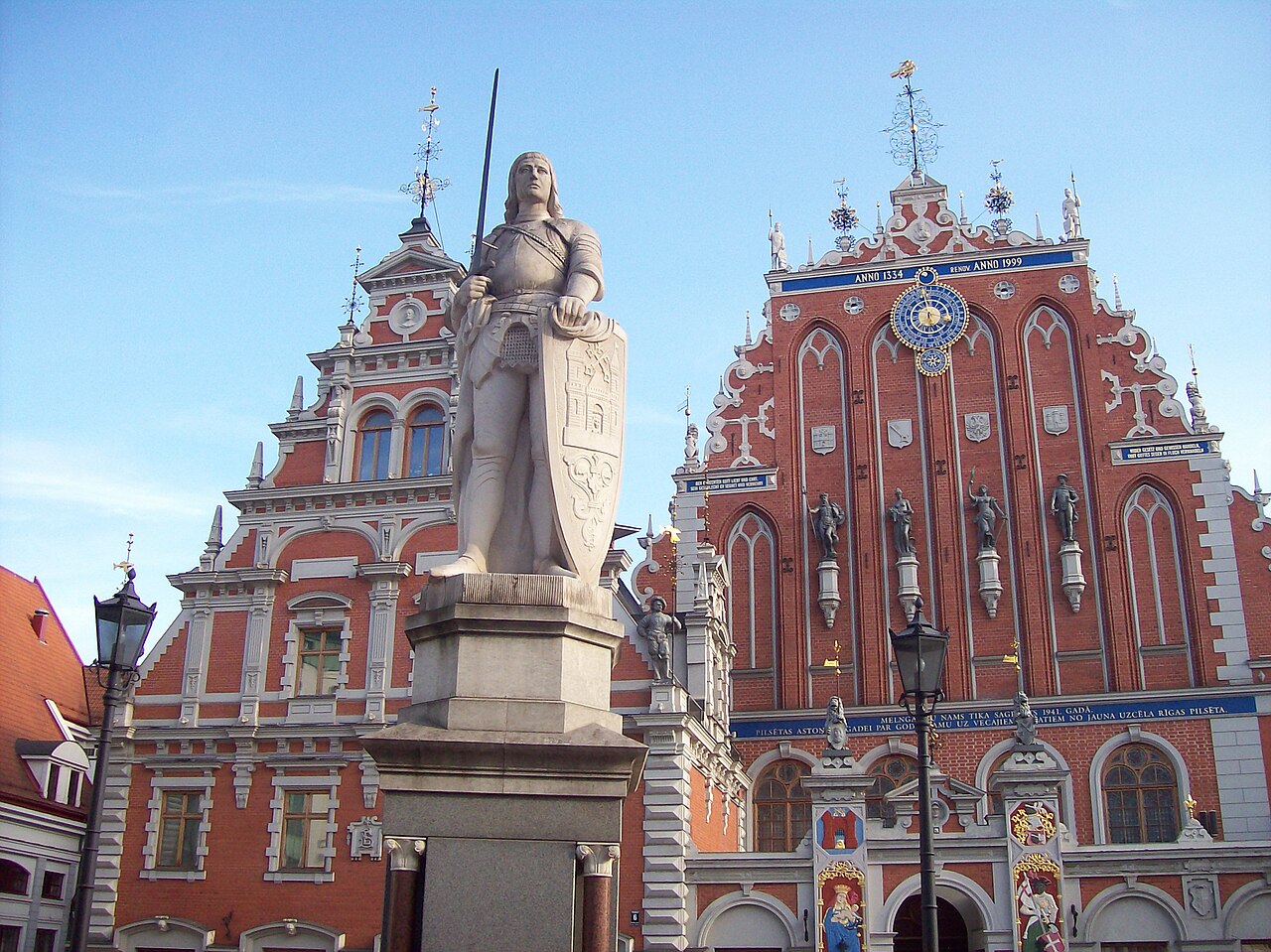
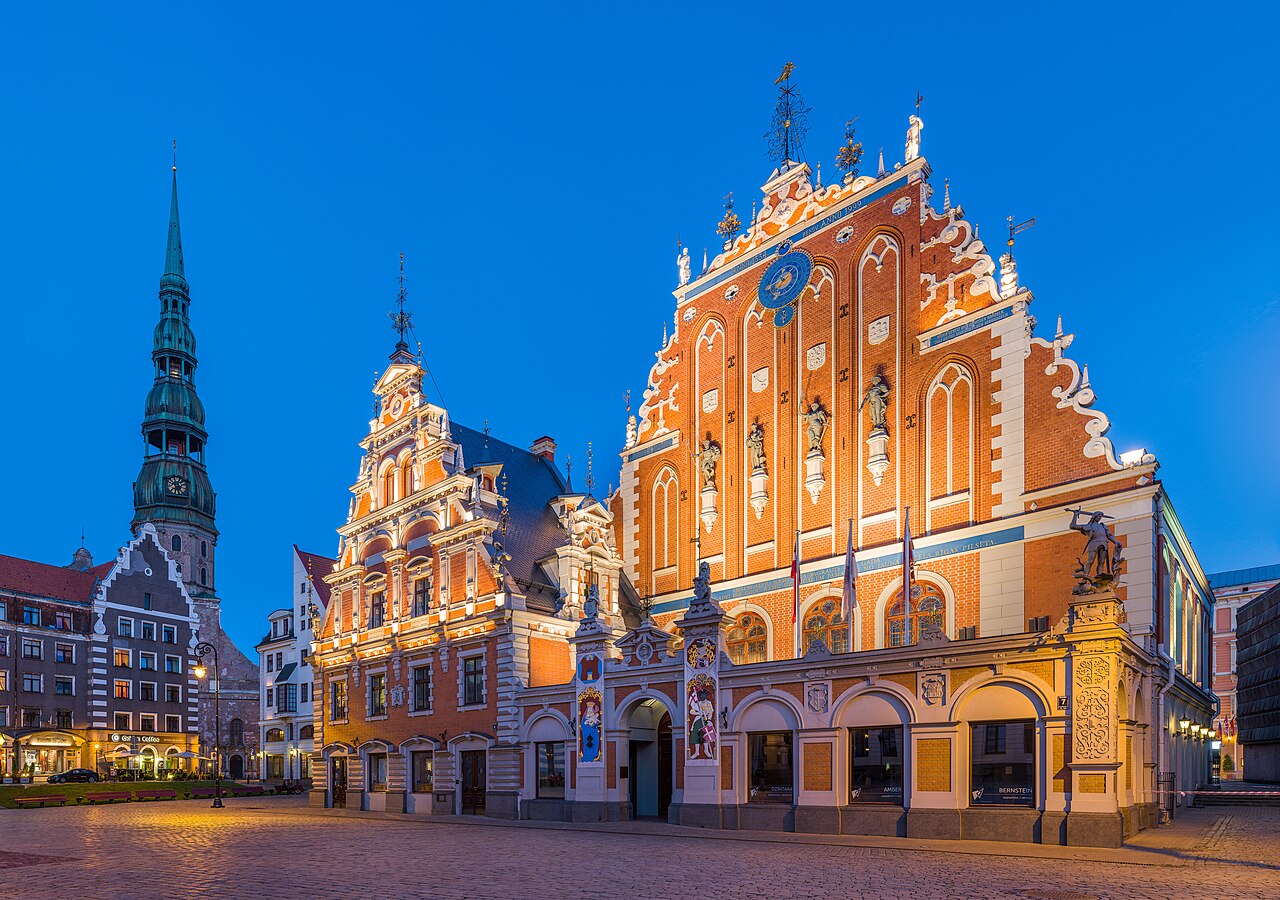
Very little sells out, but a few things are worth securing. Book the House of the Black Heads for a Thursday to Sunday slot, because it is closed the rest of the week; the Tiqets combination with the Cosmos Illusion Museum saves a little if you plan both. Reserve the noon Concerto Piccolo organ recital or a Friday evening concert at Riga Cathedral through the cathedral’s own concert page. For dinner on Friday and Saturday, book the popular Old Town and Quiet Centre restaurants. If you want the guided English tour at the Museum of the Occupation, check its daily tour times and arrive early.
Watch the closing days
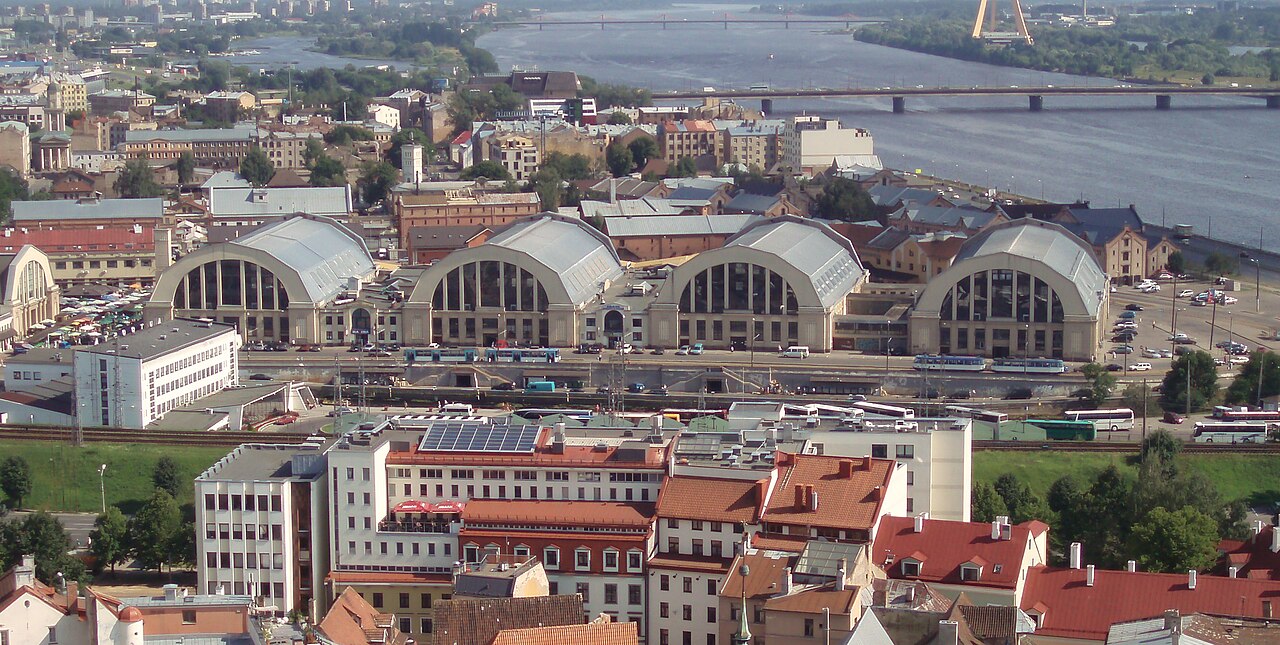
Mondays are the main trap: the Latvian National Museum of Art and the Riga Art Nouveau Museum both close on Mondays, and the House of the Black Heads is shut from Monday to Wednesday. The Central Market pavilions close on the first Monday of each month. Put the Old Town walk, St Peter’s tower and the Central Market on a Monday, and keep the art museums for other days. If you are in town on 18 November, Latvia’s Independence Day, expect ceremonies at the Freedom Monument, free entry at the Museum of the Occupation and the National Museum of Art closed.
Getting in
Riga International Airport is about ten kilometres from the centre. City bus 22 runs into town, and taxis and ride-hailing apps are inexpensive by western European standards; agree a fare or use an app rather than taking an unmarked cab. Trains and long-distance buses arrive beside the Central Market, a few minutes’ walk from the Old Town, and ferries from Stockholm dock just north of it.
Getting around
Walk. The Old Town, the Central Market and the Art Nouveau district are all within about twenty minutes of each other on foot. Trams and buses cover the rest, with tickets sold by app and at machines. Wear shoes with grip: the cobbles are slippery in rain and treacherous in ice.
Day one: the medieval city
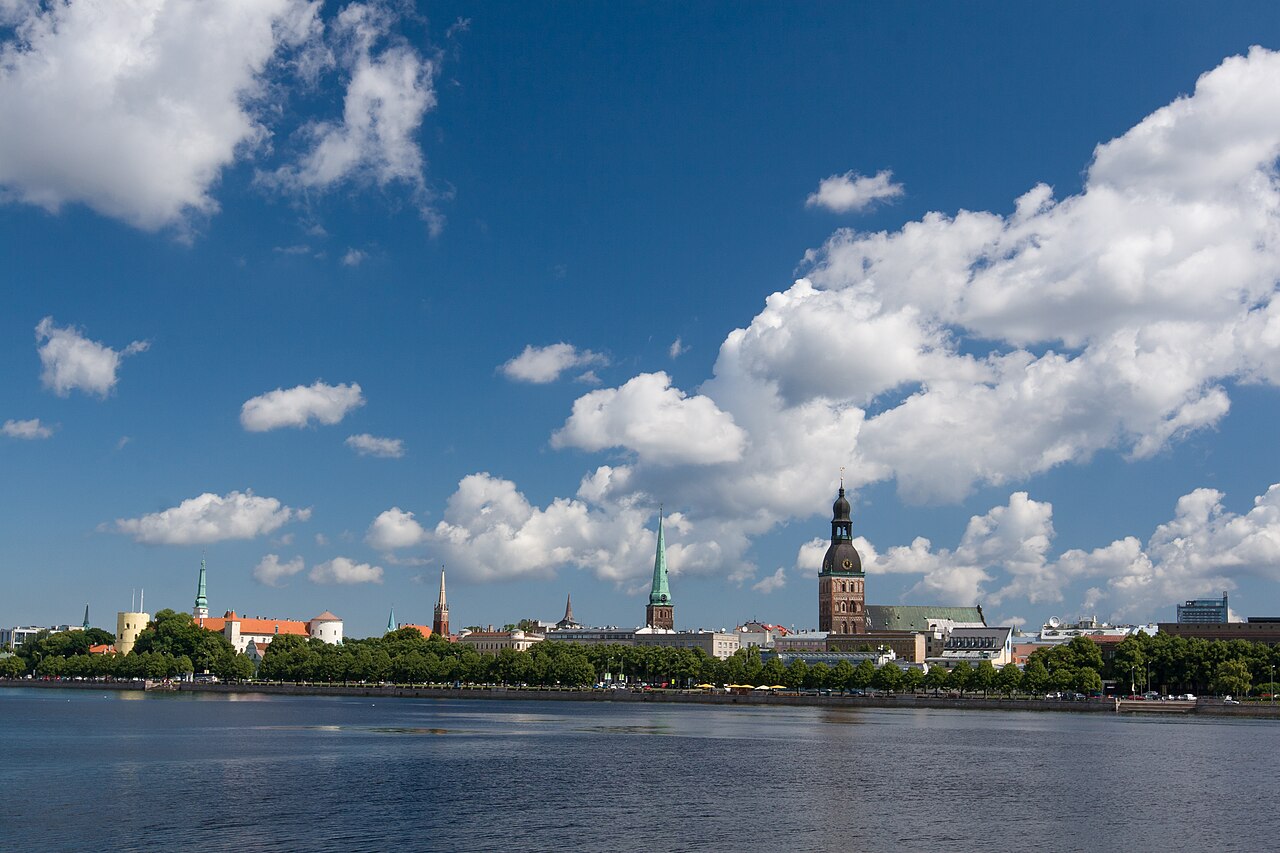
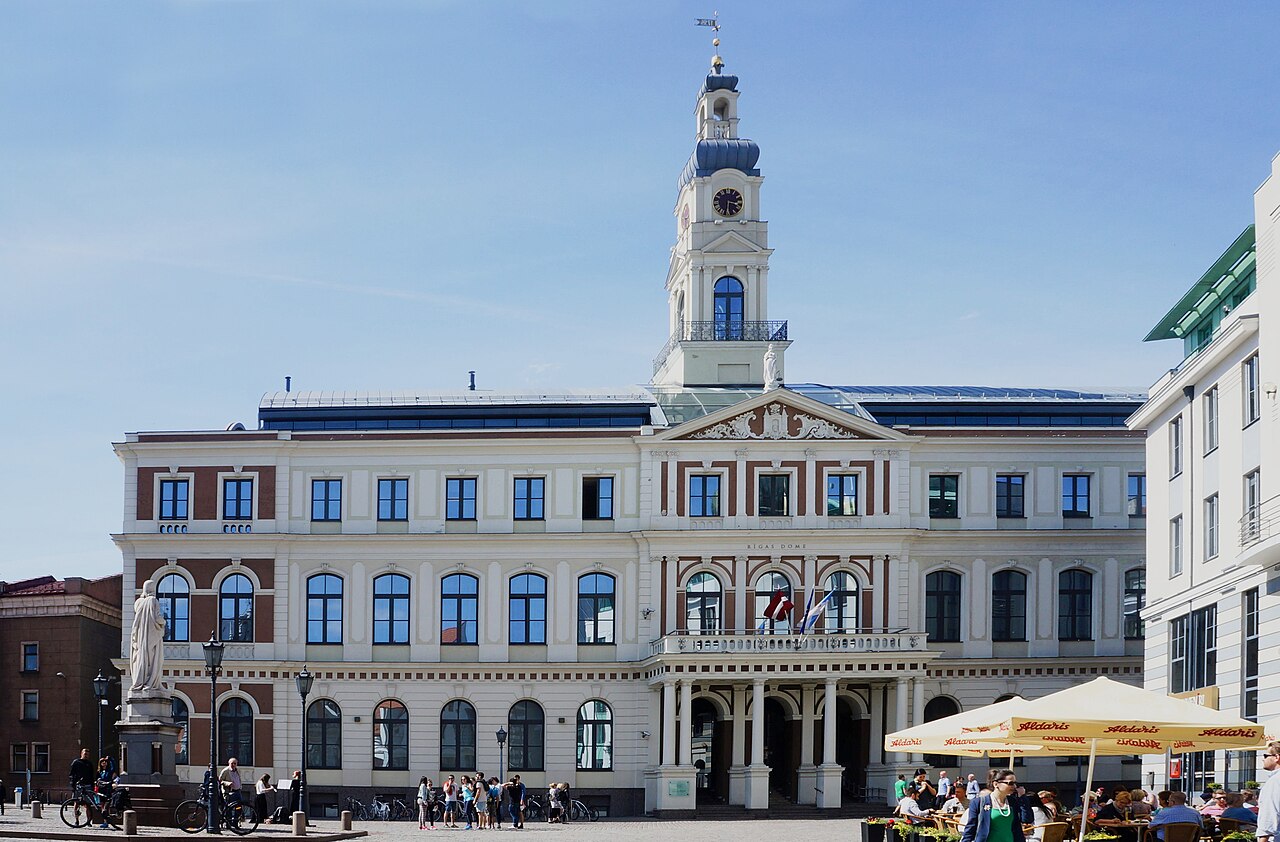
Start early at St Peter’s Church and head up to the viewing gallery to get your bearings over the roofs. Walk down to the Town Hall Square and the House of the Black Heads, then on to Riga Cathedral for the noon organ recital. After lunch, follow the lanes past the Three Brothers to Riga Castle, the Swedish Gate and the Powder Tower. Cross the canal to the Freedom Monument at dusk and finish with dinner in a vaulted Old Town cellar.
Day two: history, food and the boulevards
Begin at the Museum of the Occupation, ideally on an English guided tour. Walk ten minutes to the Central Market for smoked fish, rye bread and lunch in the food court. In the afternoon, head north through the canal-side parks to Alberta iela for the Art Nouveau facades and the apartment museum at number 12, then spend the evening in the Quiet Centre, or take in the view from the Skyline Bar.
Day three: art and something different
Spend the morning at the Latvian National Museum of Art, then choose between the Fashion Museum and the Cosmos Illusion Museum in the Old Town. With a full extra day, the beach resort of Jurmala is a short train ride west, and Rundāle Palace, a Baroque palace south of the city, makes a rewarding day trip by car or tour.
Seasons
Summer brings long, light evenings, outdoor terraces and the most visitors. Winter is cold and dark early, but the Old Town under snow, the Christmas market on Dome Square and the warm cellars are magical. Spring and autumn are quieter, cheaper and good for museums.
Money and manners
Latvia uses the euro, cards are accepted almost everywhere, and a tip of around ten percent is appreciated in restaurants where service is not included. English is widely spoken, especially by younger Latvians.