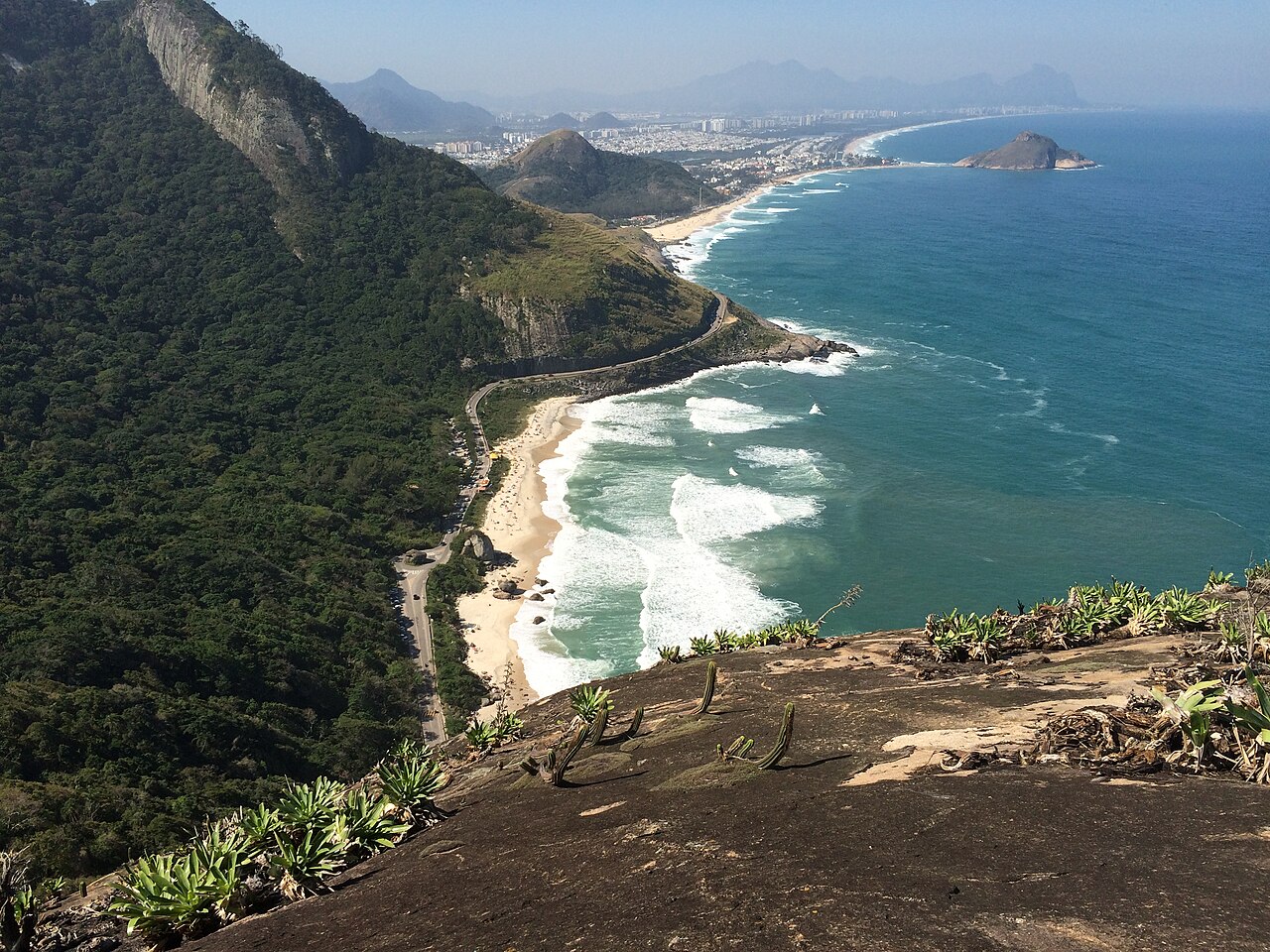
For travellers who think of Rio only as the city beaches of Copacabana and Ipanema, Prainha and Grumari come as a revelation. They lie at the far western edge of the city, beyond Barra da Tijuca and Recreio dos Bandeirantes, where the coast road runs out of apartment blocks and winds over green hills, and both are protected from development. Prainha, the little beach, is a short crescent of sand of around seven hundred metres according to Riotur, enclosed by steep hills covered in Atlantic Forest and protected as part of a municipal natural park. It is one of Rio's favourite surf beaches, with medium to big waves and consistent conditions, and on a good swell the line-up is full of local surfers. Just beyond, over a headland, Grumari is a longer, wilder beach set in an environmental protection area where building is forbidden, with a few kiosks on the sand and a backdrop of forested hills and the Guaratiba wetlands. Riotur notes that the big waves tend to break before reaching the shore, leaving shallow, cool water near the sand that suits swimmers. Both beaches hold the international Blue Flag certification, awarded annually by the Foundation for Environmental Education for water quality, cleanliness and environmental management; Riotur counts them among the twelve Blue Flag beaches in the state of Rio de Janeiro. The scenery is the main attraction: emerald water, empty-looking sand on weekdays and green hills all around, with none of the high-rise backdrop of the South Zone. Beyond Grumari the road climbs to viewpoints over the Guaratiba coast and descends to Barra de Guaratiba, a fishing village known for its seafood restaurants. Further west, the tiny wild beaches of Perigoso, Meio, Funda and Inferno can only be reached on foot or by boat; Riotur recommends a guide for these.
Getting there: access is almost exclusively by car, so take a ride-hailing car or hire a driver for the day; allow around an hour from Ipanema or Leblon without traffic, and more on weekends, when the road can be congested. Public transport is limited. Arrange your return in advance or confirm that ride-hailing cars are available, as phone signal and cars can be scarce late in the day. Arrive early: on summer weekends the small car parks fill up, and the sun drops behind the hills at Prainha in mid-afternoon, according to Riotur.
What to bring and safety: bring water, sunscreen, a hat and cash for the kiosks, which serve sandwiches, juices and acai at Prainha. Swim with care, as the surf can be powerful and rip currents occur; at Prainha, the waves are for surfers, and children should stay in the shallows. These beaches are quieter than the city beaches, so do not leave belongings unattended and leave before dark. A good plan is a morning at Prainha or Grumari followed by a seafood lunch in Barra de Guaratiba.
Who it suits: surfers, nature lovers, couples looking for a romantic beach day, and families with older children who want space and clean water. It is a day out rather than a quick visit, best on a weekday.
What to expect
The experience
Two undeveloped, Blue Flag beaches at the western edge of the city, ringed by forested hills, with surf at Prainha, calmer shallows at Grumari and simple kiosks on the sand.
Best time
A sunny weekday morning; weekends bring traffic and full car parks.
How long
A full day with travel, or longer with lunch in Barra de Guaratiba.
Tips
Go by car or ride-hailing and arrange the return, bring cash, water and sunscreen, swim with care, and leave before dark.
Quick picks
- Best for
- Wild, clean beaches without a building in sight, inside the city limits.
- Families
- Grumari's shallows suit older children; Prainha's waves are for surfers.
- Couples
- An escape from the crowds, with seafood in Barra de Guaratiba afterwards.
- Pair with
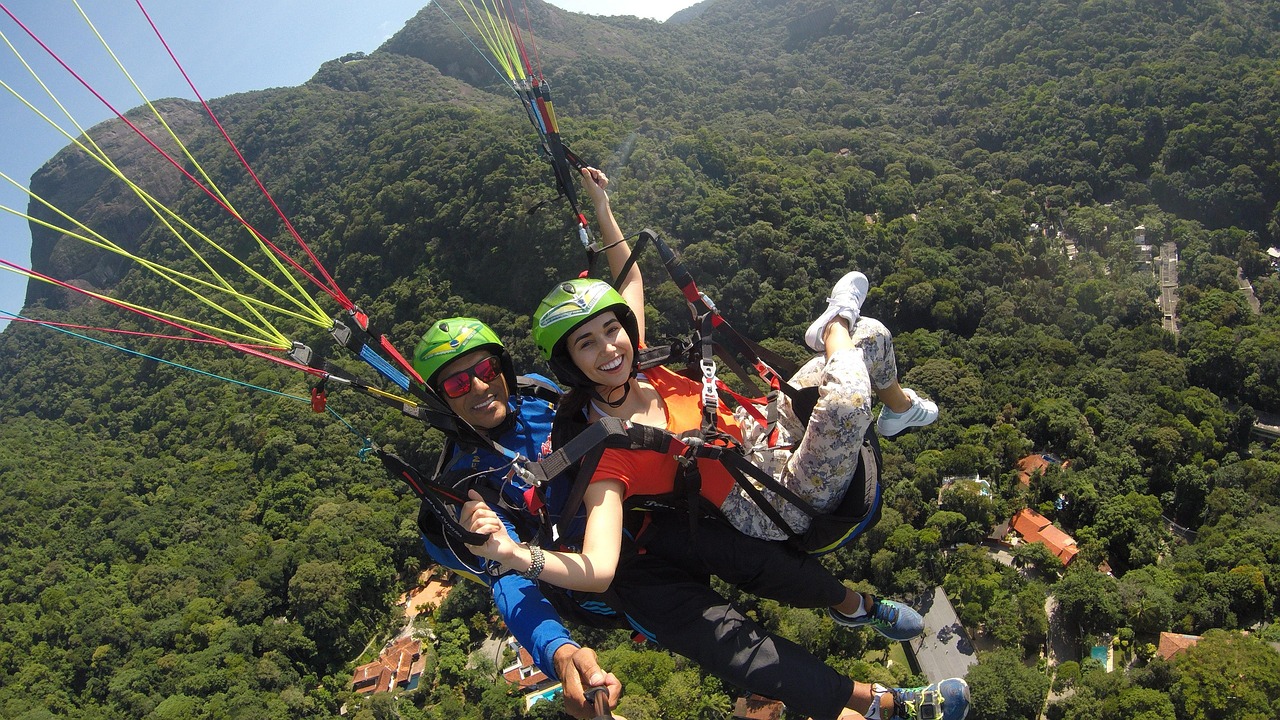
- Hang-gliding from Pedra Bonita or the Pedra da Gavea hike in the western zone.
- Time needed
- A full day.
Good questions
How do I get to Prainha and Grumari?+
By car or ride-hailing; access is almost exclusively by road and public transport is limited. Allow around an hour from Ipanema or Leblon without traffic.
Are Prainha and Grumari good for swimming?+
Grumari often has shallow, calmer water near the shore, according to Riotur. Prainha is known for strong surf and is better for surfers. Swim with care at both and watch for rip currents.
What does the Blue Flag mean?+
It is an international certification from the Foundation for Environmental Education, awarded each year for water quality, cleanliness, safety and environmental education. Both beaches hold it.
Are there facilities?+
Simple kiosks sell drinks and snacks, and Prainha's serve sandwiches, juices and acai, but there are no hotels or shops. Bring cash, water and sunscreen.
Is it safe to go?+
By day, with normal care, yes. The beaches are quieter than the city beaches, so keep belongings with you, arrange your return transport and leave before dark.