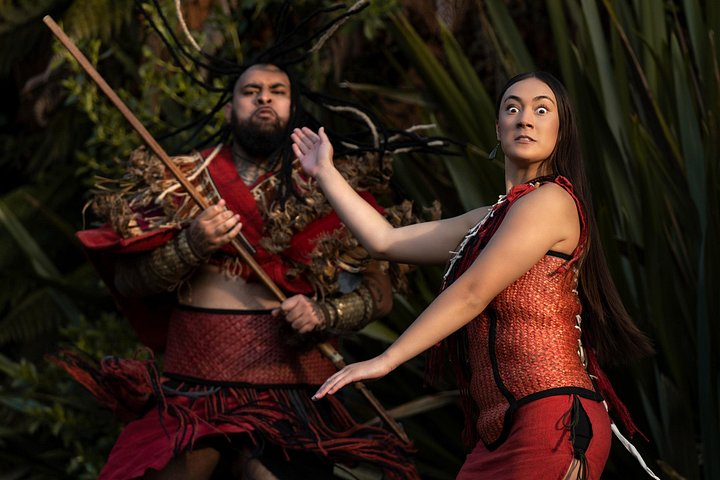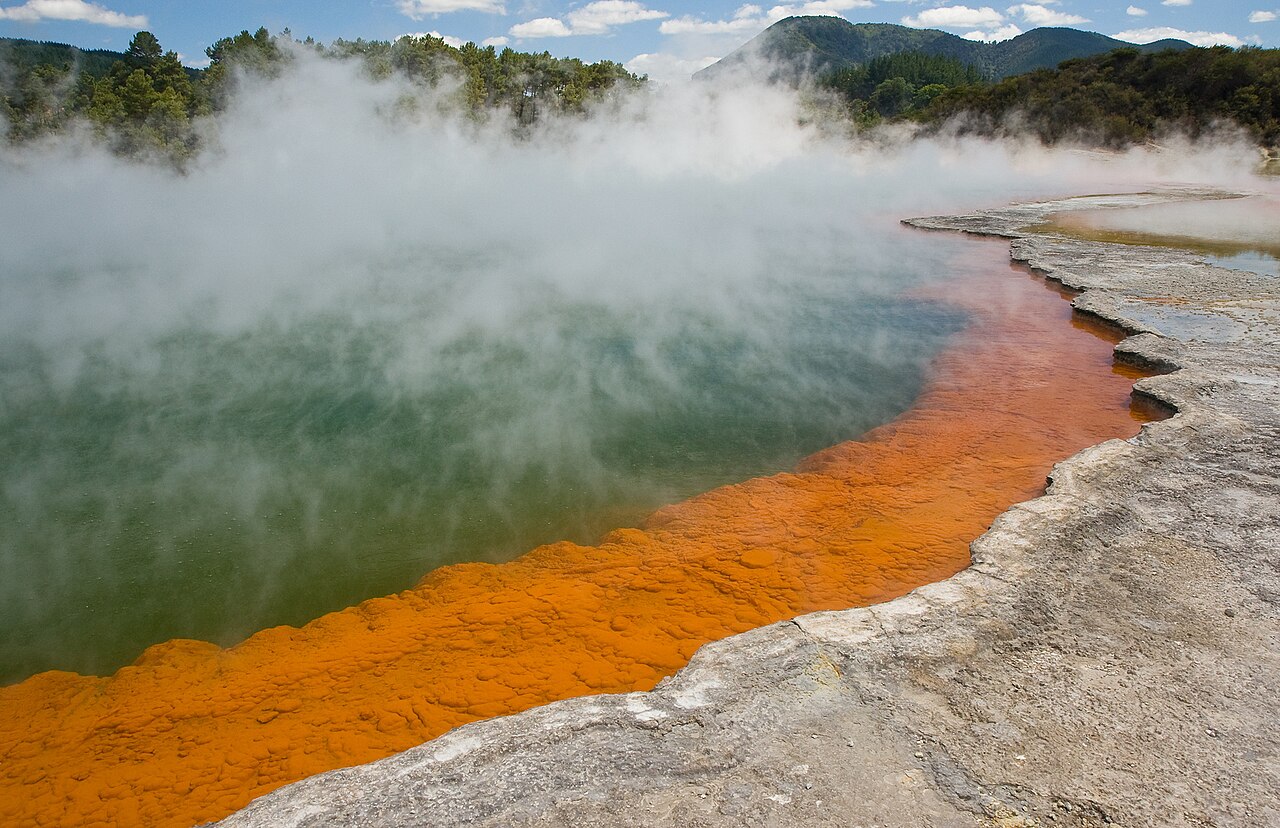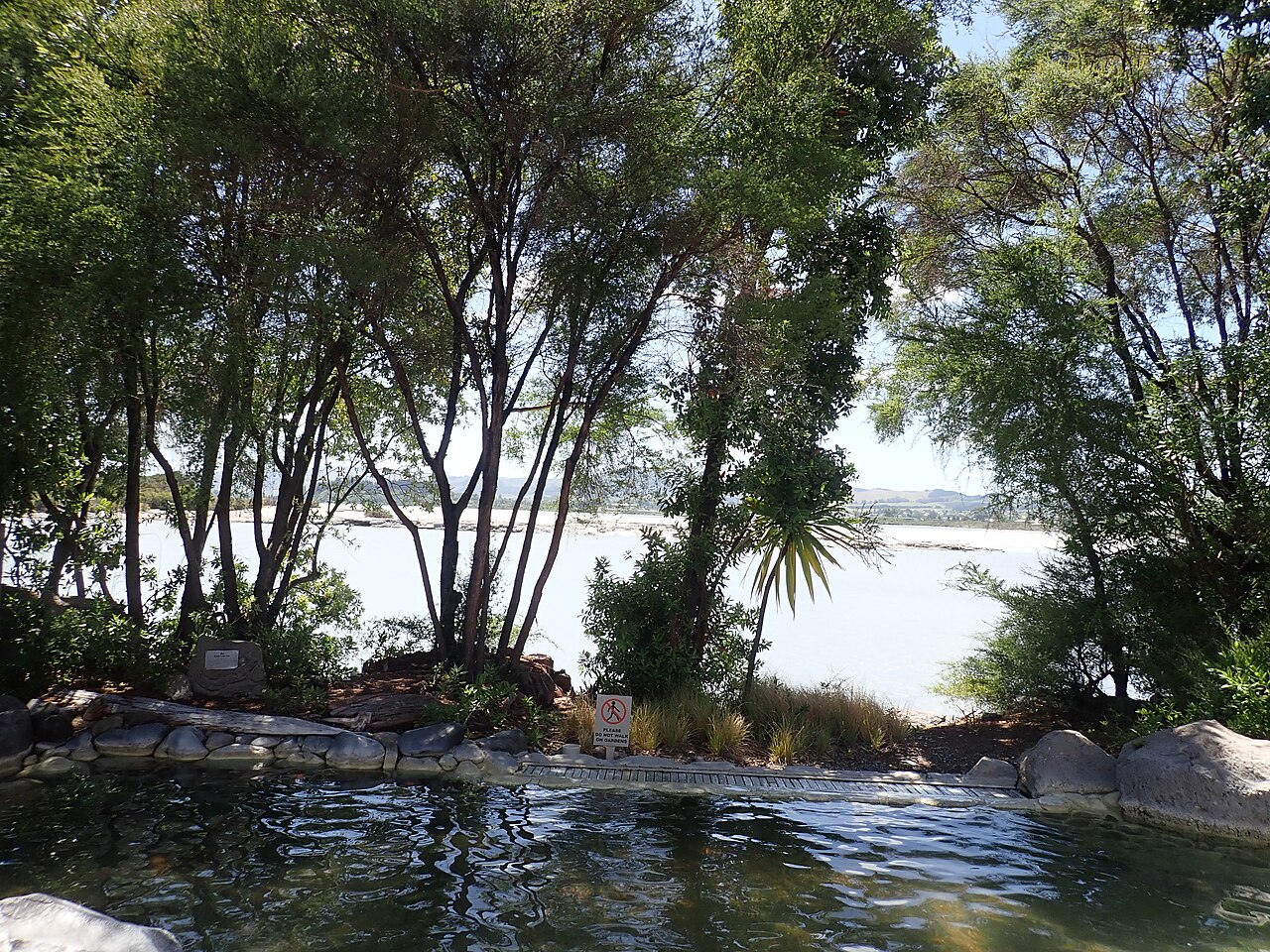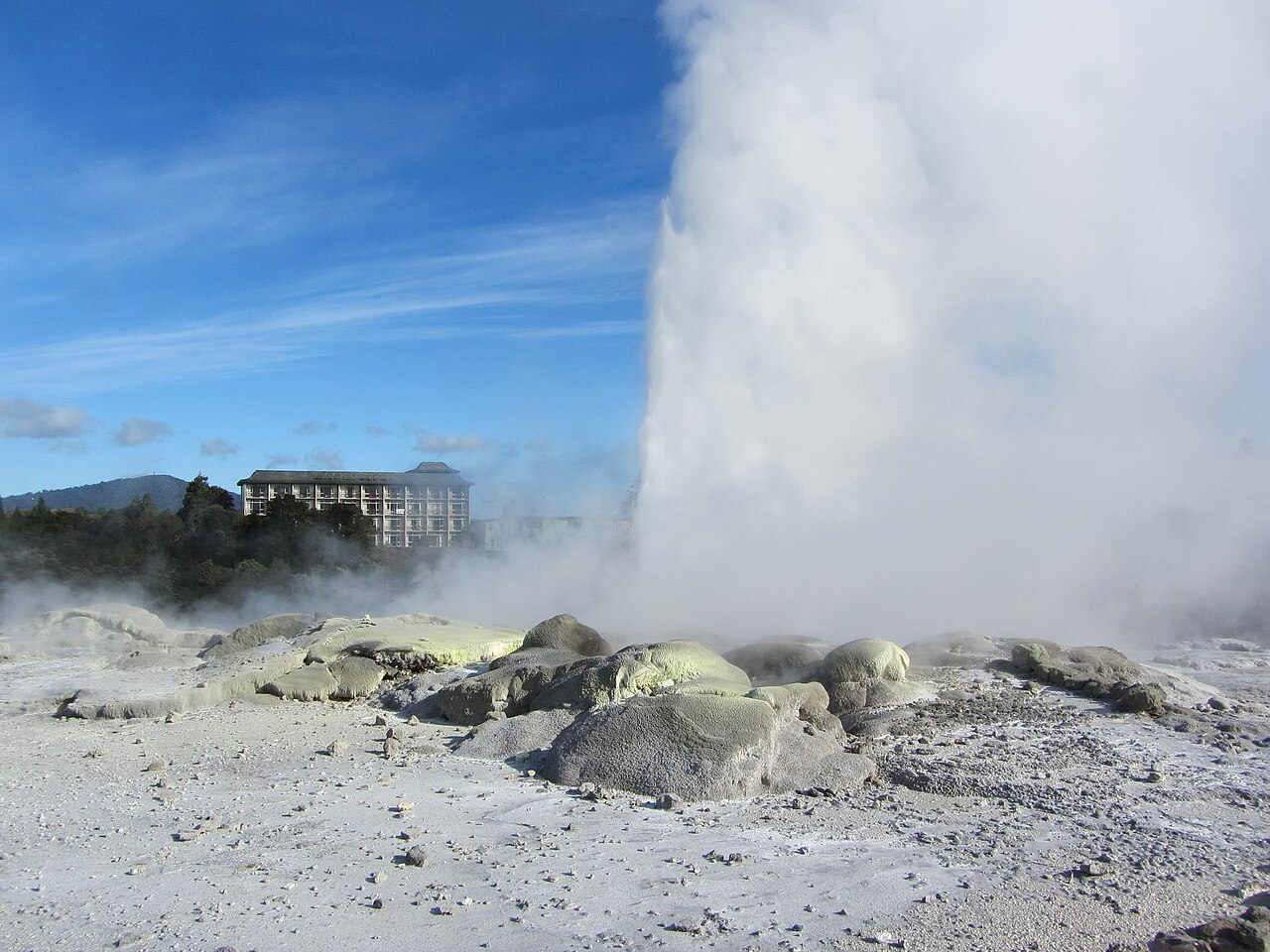
Whakarewarewa Village is where the geothermal valley meets daily life. Descendants of the Tūhourangi and Ngāti Wāhiao people have lived here for generations, using the natural heat for cooking, bathing and heating their homes, and they now welcome visitors on guided walks through the streets. Guides are members of the community, so the stories come from lived experience: how bread is baked in steam boxes, how the hāngī is cooked in the ground, how food goes into boiling pools in a net and comes out ready to eat, and how the community has coped with the volcanic environment over many generations. A short cultural performance of song and haka is usually part of the day, and the walk finishes close to the Pōhutu geyser viewing point. The village is in the same valley as Te Puia but is an entirely separate experience, and the two together give a rounded picture of the area. The guided tour is the best way in, because the guide turns an interesting-looking village into a living story.
A visit usually starts with a walk across the footbridge into the village, where you see houses, a small marae, carved meeting spaces and steam rising from between the buildings. Guides lead groups at set times, explaining the history of the place and answering questions. The humour and warmth of the guides is a big part of why this experience is so well liked. Because the people you meet live here, the tone is very different from that of a visitor attraction: respectful, personal and sometimes moving.
Food is a highlight. In the village you can usually see corn cooked in a natural boiling pool, and there is a cafe where you can taste food cooked using geothermal heat. Ask about the hāngī meals if you want to try the traditional style of cooking, and be prepared for the fact that menus and hours change. The village shop sells carvings and crafts made by local artists, so it is a good place to buy something with real meaning rather than a mass-produced souvenir.
The cultural performance is short but powerful. The songs and haka are performed by community members and the guide explains their meaning, so you understand the stories behind them. Visitors are invited to be respectful during the performance, to stand when asked and to ask permission before taking photographs of people.
Practical points
Whakarewarewa is a few minutes south of the city centre, and a taxi, rental car or tour coach all work. Wear comfortable shoes for the uneven paths and bring a light jacket, because the steam makes it feel cooler than the forecast suggests. Allow about two hours for the tour and some time for the cafe and shop.
Remember that this is a residential community, so stay on the visitor paths, keep voices down near homes and follow your guide's instructions. If you are weighing it against Te Puia, many travellers choose the village for the people and the stories, and Te Puia for the scale of the geysers and the arts school.
It helps to arrive with the right attitude. This is not a theme-park recreation but the everyday home of a community that has chosen to share part of its life with visitors, and the best experiences come from listening carefully and asking questions with real interest. Guides often talk about how younger generations are keeping language, carving and weaving alive, and about the way the geothermal landscape shapes daily routines from laundry to cooking.
Many guests say the conversations stay with them longer than the scenery, and that is a good reason to give the visit plenty of time.
What to expect
The experience
A guided walk through a working Māori village led by a community guide, usually with a short song and haka performance.
Best time
Morning or early afternoon, when guided tours run most often and the geyser views are clear.
How long
About two hours including the cultural performance.
Tips
Wear comfortable shoes, respect residents' privacy and ask before photographing people.
Quick picks
- Best for
- Travellers who want an authentic Māori experience led by people who live in the community.
- Families
- Children enjoy the steam, the pools and the performance, with a little supervision near the hot water.
- Couples
- A warm, personal cultural experience, best paired with a quiet dinner afterwards.
- Pair with
- Te Puia next door for the geysers and carving school.
- Time needed
- Allow two to three hours.
Good questions
Do people really live in Whakarewarewa?+
Yes, it is a residential community whose families have lived here for generations and use the geothermal heat in daily life.
How is it different from Te Puia?+
Te Puia is a larger cultural and geothermal attraction with an arts school, while Whakarewarewa is a village visit led by community guides. They are separate experiences in the same valley.
Is there a cultural performance?+
A short performance of song and haka is usually part of the visit. Times vary, so check the schedule when you book.
Can I buy food in the village?+
There is usually a cafe serving food cooked with geothermal heat, and corn is often cooked in a natural pool. Menus and hours change.
Is the village suitable for children?+
Yes, with supervision. The paths are uneven and the pools are hot, so keep children close to you.