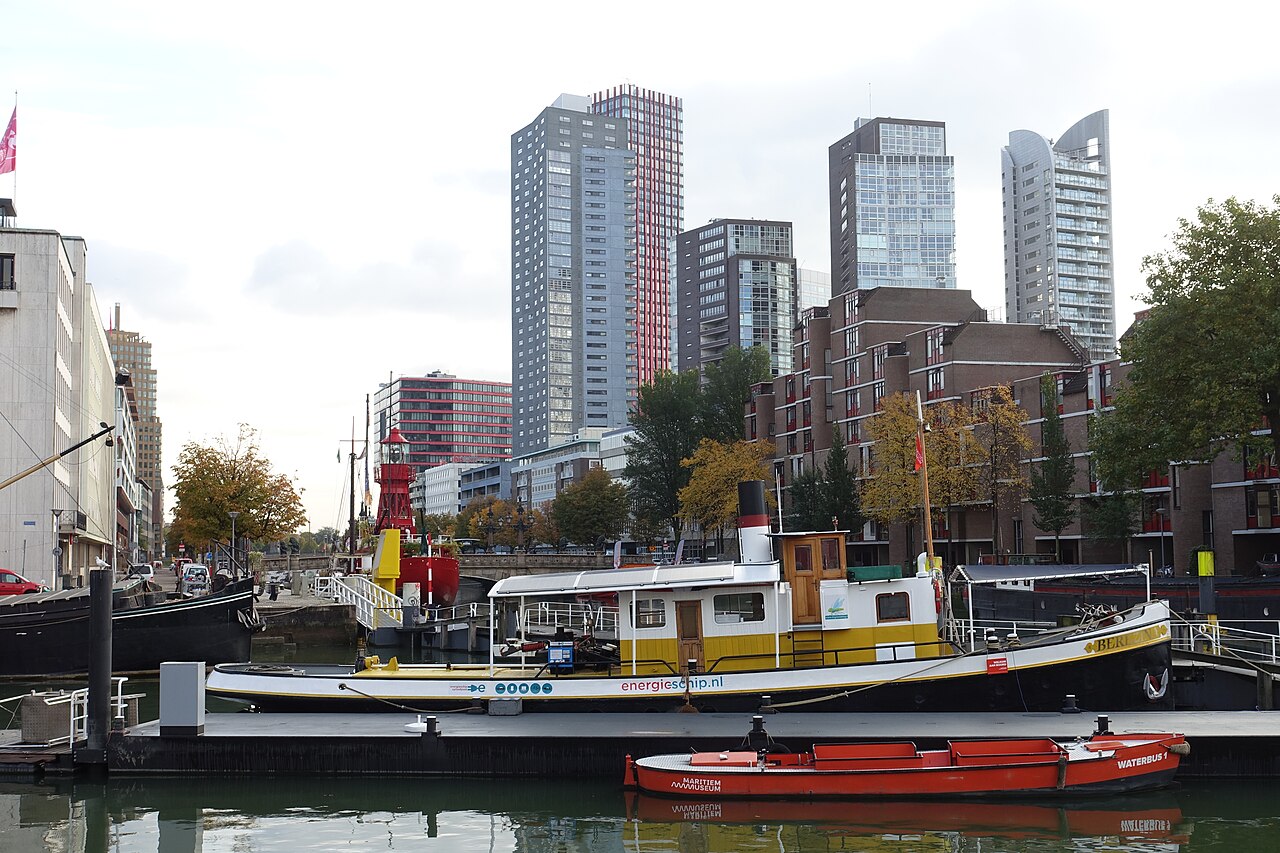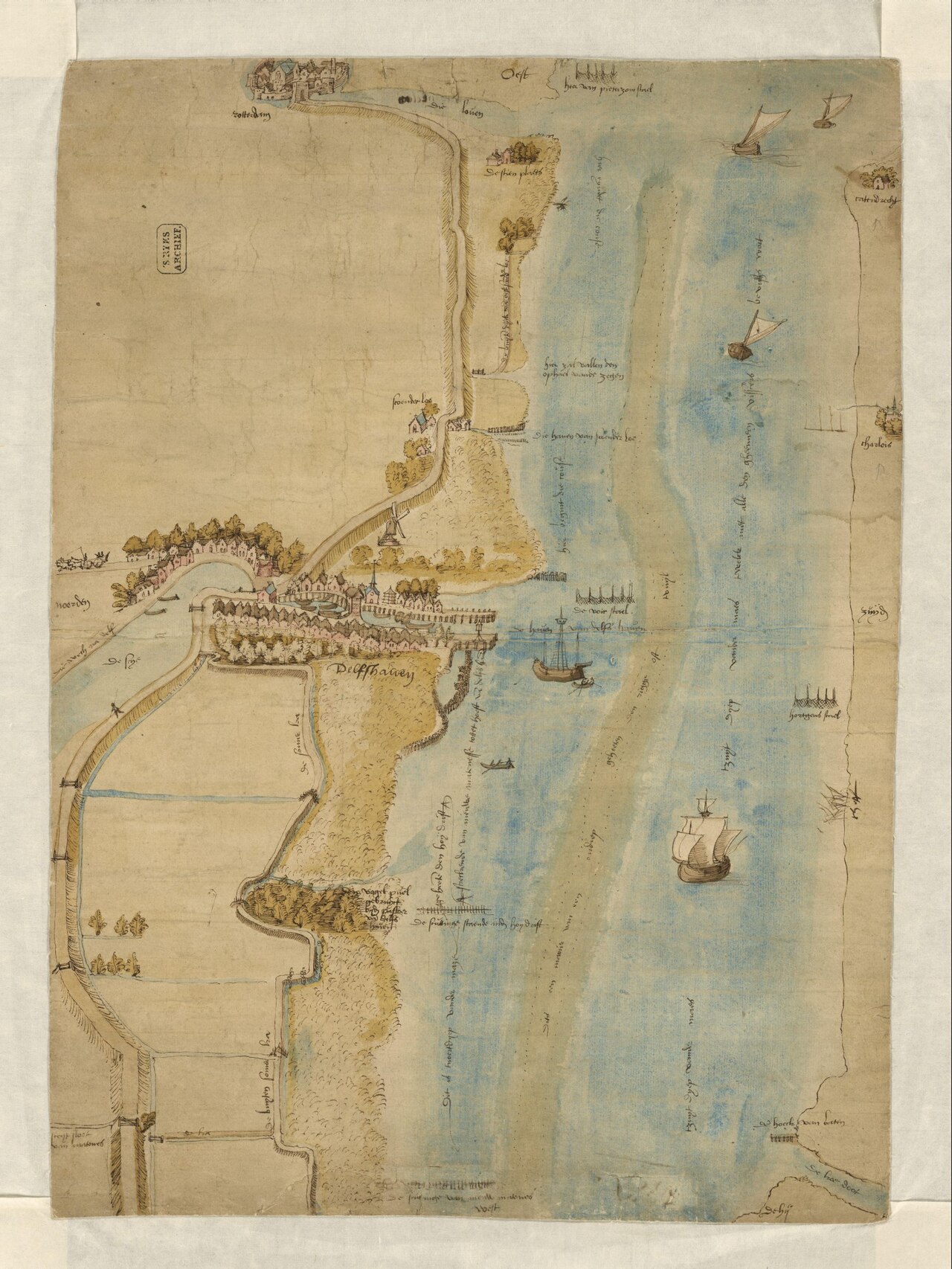
Most of Rotterdam looks new, so Delfshaven is a surprise. This old harbour district on the north bank of the Nieuwe Maas was spared in 1940, and today it gives you the Rotterdam that existed before the bombing: narrow canals, tall brick gabled houses, historic ships moored in the Voorhaven, a working windmill and cafes with terraces along the water. It was once the port of Delft, which is where the name comes from, and in 1620 the Pilgrim Fathers boarded their ship here on the first leg of the voyage to the New World. The Pilgrim Fathers Church, with its beautiful interior, is still there, and the area keeps strong links with the United States. Delfshaven is also the birthplace of the naval hero Piet Hein. Today the district has a lively mix of galleries, shops, restaurants and a small brewery, and a quiet village feel that is a real contrast to the city centre. It is free to wander at any time, and the tourism board has a visitor page, linked here.
How to visit
Delfshaven is about fifteen minutes from the centre by metro. Take line A, B or C to the Delfshaven station, and the old harbour is a five-minute walk away. You can also arrive by tram or by water taxi from the Erasmus Bridge, which is a pleasant way to approach. Allow two to three hours to walk the whole area, stop for a coffee and see the church and the windmill.
What to expect
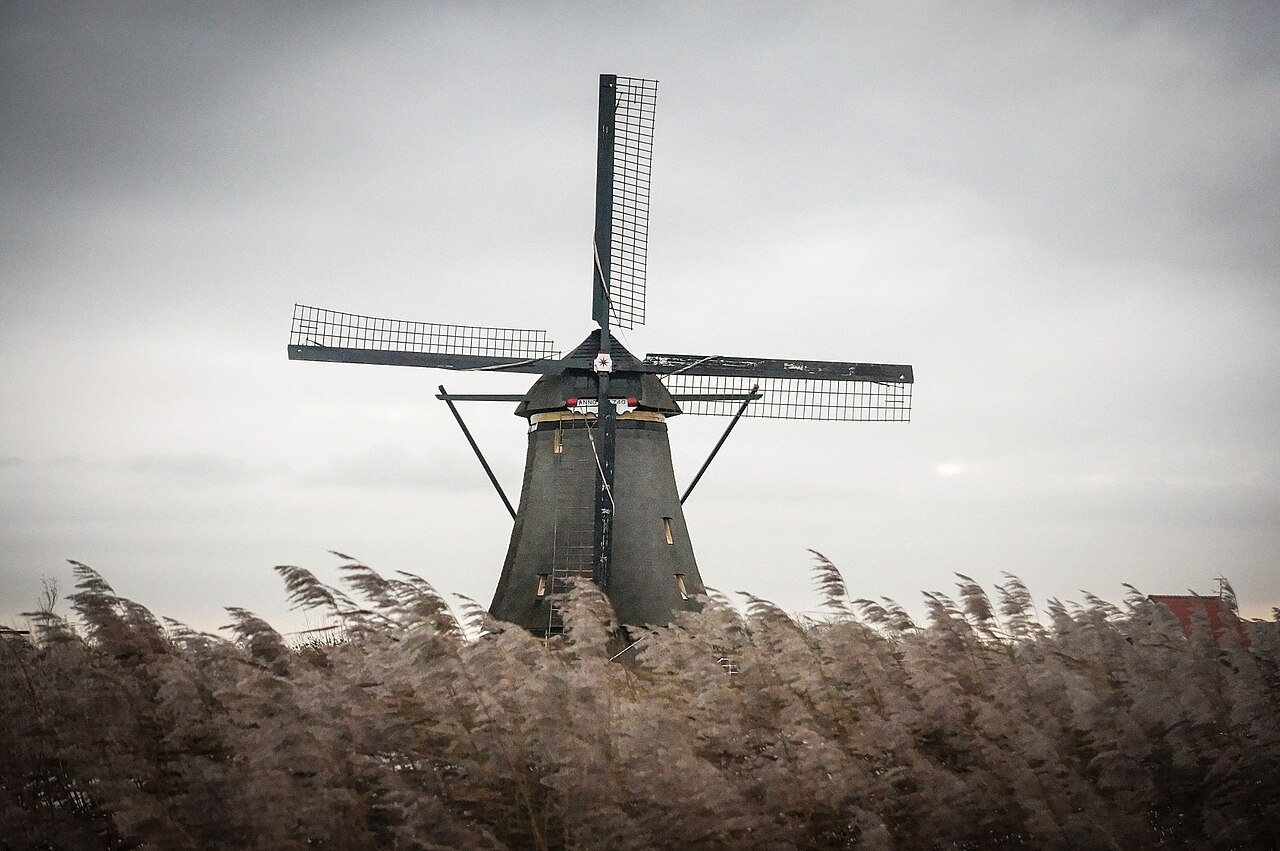
Start at the Voorhaven and the Achterhaven, the two old harbour basins, and walk along the quays reading the gable stones and looking at the historic boats. Look for the Pilgrim Fathers Church, known as the Oude Kerk, the old warehouses, the Zakkendragershuisje, a tiny house once used by the porters who carried sacks of grain, and the windmill that sits on the harbour front.
A small brewery operates in the district, and there are several cafes and restaurants where you can have a drink in the sun. The church opens for visitors at set times, so check before you go if you want to see the interior.
Making the most of it
Delfshaven works best as a slow half day. Walk the old harbour, have lunch by the water, visit the church if it is open, and explore the side streets for galleries and independent shops. In the evening, the quays are quiet and atmospheric. Photographers will find some of the best reflections in the city here, and in good weather the terraces fill early.
Why go
If you want to see what Rotterdam looked like before the war, this is the place. It also gives a more relaxed feel than the central districts, with fewer tourists and a village rhythm. It combines well with the Markthal or the museums of the Museumpark, which are only a short ride away.
Practical extras
The district is small and mostly flat, which makes it easy for families, older visitors and anyone with a pushchair, although the old quays have uneven stones and some steep bridges. Many cafes and small shops keep shorter hours on Mondays, and some close earlier in winter, so plan lunch with a little flexibility. In summer the terraces along the Voorhaven are popular at lunchtime and early evening, so arrive a little early if you want a table beside the water. Bring comfortable shoes and a camera.
What to expect
The experience
A free self-guided walk around two old harbour basins, with a historic church, a windmill, a small brewery and waterside cafes.
Best time
A sunny afternoon, when the terraces along the water are open and the light is good for photographs.
How long
Two to three hours at a relaxed pace, including a drink or lunch.
Tips
Take the metro to Delfshaven, check church opening times if you want to go inside, and leave time for a long lunch by the water.
Quick picks
- Best for
- Visitors who want to see old Rotterdam and escape the busier central streets.
- Families
- Children enjoy the boats and the windmill, and the quays are easy to walk, but keep a close eye on the water’s edge.
- Couples
- Have a slow lunch by the harbour, then walk the quays as the light turns golden.
- Pair with
- A morning at the Museumpark or an afternoon at the Markthal.
- Time needed
- Two to three hours.
Good questions
Why is Delfshaven different from the rest of Rotterdam?+
It was not destroyed in the May 1940 bombing, so its old canals, gabled houses and harbour basins survive, while most of the centre was rebuilt.
What is the link with the Pilgrim Fathers?+
In 1620 the Pilgrim Fathers boarded a ship in Delfshaven on the first stage of their journey to the New World. The church where they prayed still stands.
How do I get to Delfshaven?+
Take the metro to Delfshaven station, about fifteen minutes from the centre, and walk five minutes to the harbour. A water taxi from the Erasmus Bridge is another option.
Is Delfshaven free to visit?+
Yes, wandering the quays and streets costs nothing. Some individual sights, such as the church, may have their own opening times or small charges.
How long should I spend there?+
Allow two to three hours for a relaxed walk, with time for a coffee or lunch. It is a good half-day trip from the centre.