Rotterdam is the architecture capital of the Netherlands, and the reason is written in its history. In May 1940 German bombing flattened the medieval centre, and the city that rose in its place was built with a willingness to experiment that other Dutch cities never needed. The result is a skyline and a street scene unlike anywhere else in the country, and an easy city for anyone who enjoys buildings, whether or not they know anything about design.
Start at Blaak
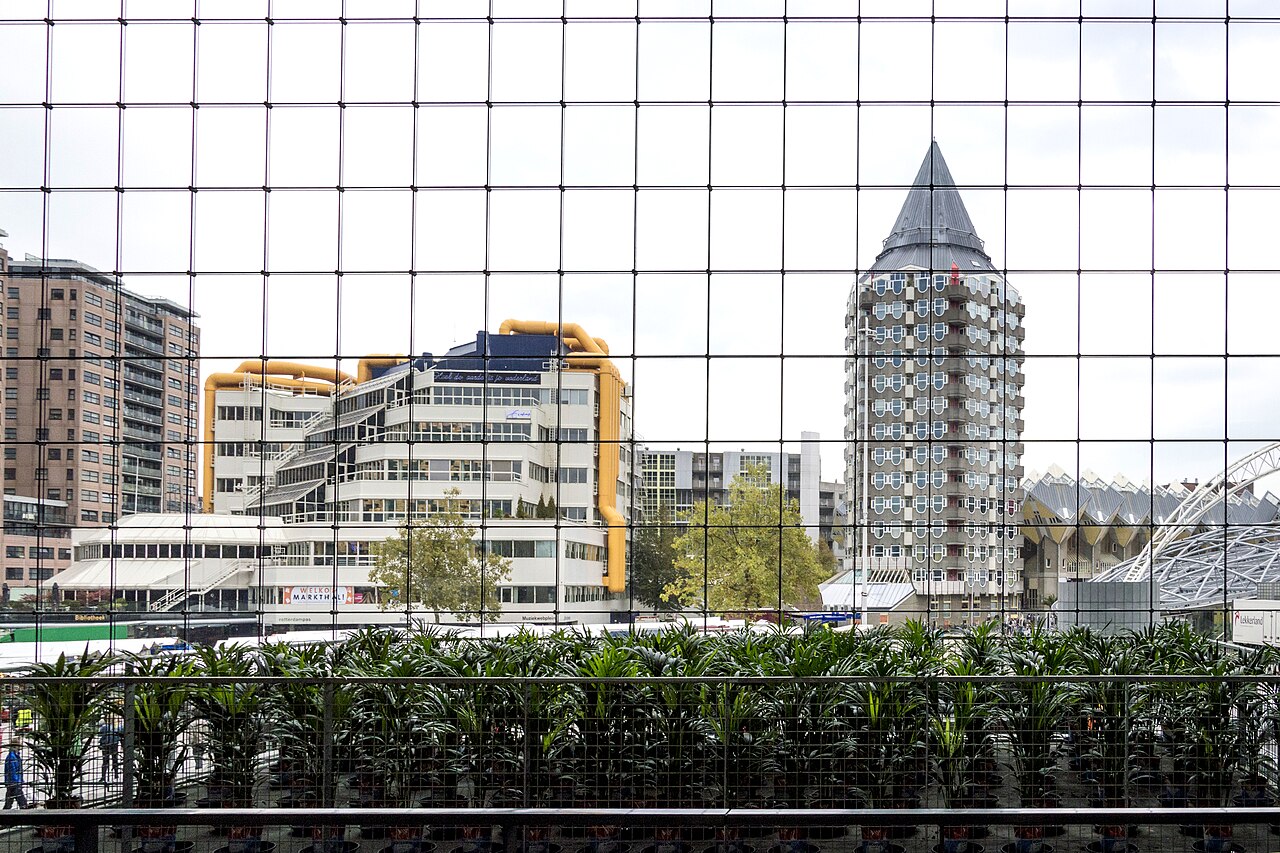
The most photographed corner of the city is the pairing of the Markthal and the Cube Houses. The Markthal is a covered food hall inside a horseshoe-shaped arch of apartments, with a vast painted ceiling called the Horn of Plenty. Across the pedestrian bridge, Piet Blom's Cube Houses tilt on their corners like trees, and one of them is open as a show home so you can see how people live with sloping walls. Spend an hour here, graze at the stalls, and look up from every angle.
Cross the river on the Erasmus Bridge
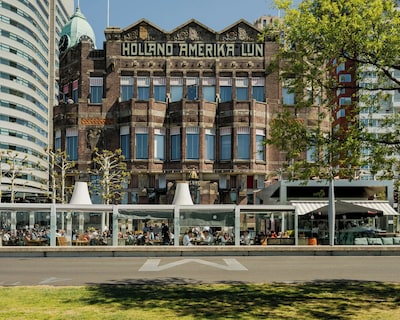
The white cable-stayed bridge known as De Zwaan, the Swan, links the centre with the Kop van Zuid, the former port district on the south bank. Walk across for the view of the skyline, and then explore the towers on the far side, including De Rotterdam, a vertical city of stacked blocks designed by OMA, and the old Hotel New York building, once the headquarters of the Holland America Line. The river front is at its best in the late afternoon, when the light picks out the steel and glass.
Walk the post-war centre
The Lijnbaan, opened in the 1950s, was one of the first pedestrian shopping streets in Europe, and it shows how planners imagined a modern city. Nearby, the tower of the Laurenskerk, one of the few medieval survivors, stands among the new buildings as a reminder of what was lost. A guided architecture or history walk makes sense here, because the stories behind the buildings turn a pleasant stroll into a clear picture of how the city was rebuilt.
Look at the old and the industrial
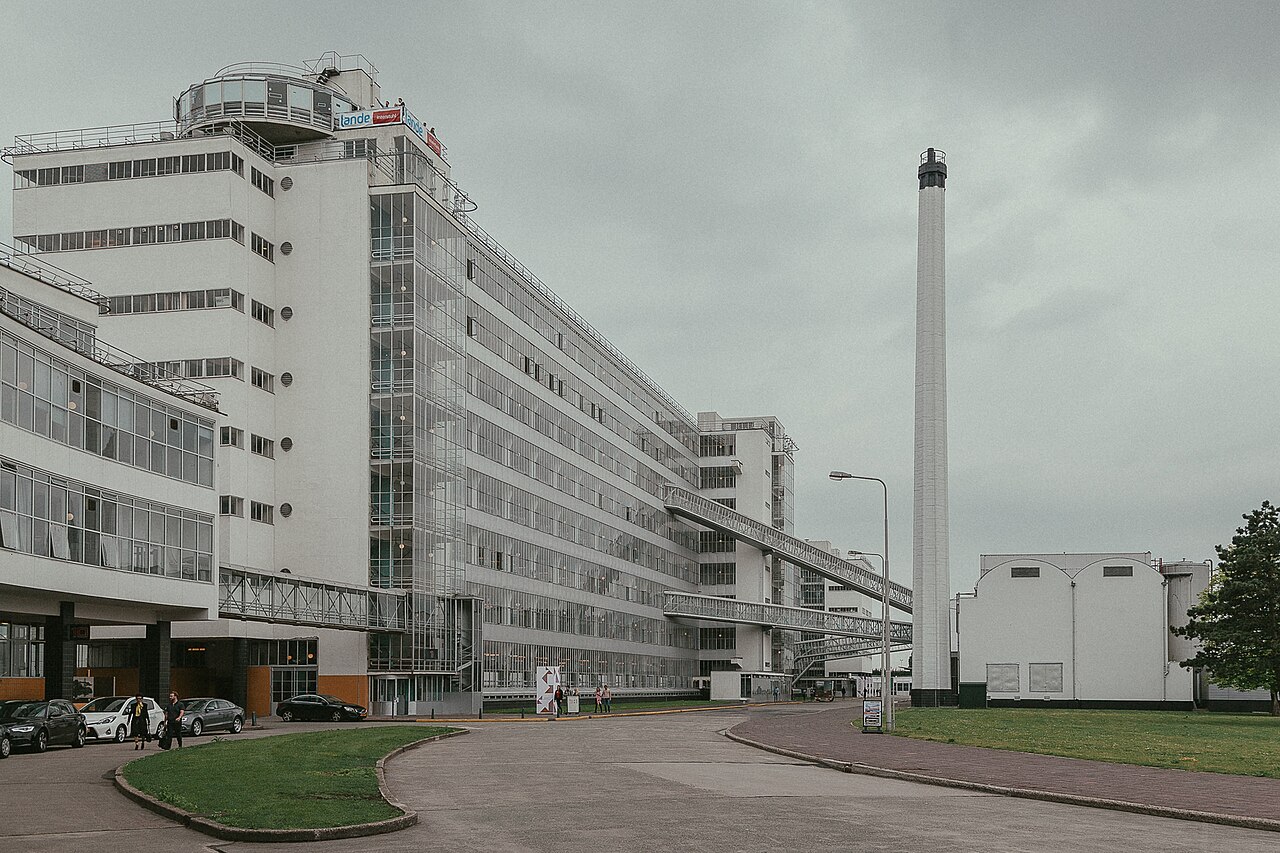
Not everything in Rotterdam is new. Delfshaven, the old harbour district, escaped the bombing and gives you canals, gables and a windmill. The Van Nelle Factory, a glass-and-steel factory finished in the late 1920s, is a masterpiece of the modern movement and a UNESCO World Heritage Site. Seeing these next to the post-war centre shows how far Dutch design travelled in a few decades.
Go inside
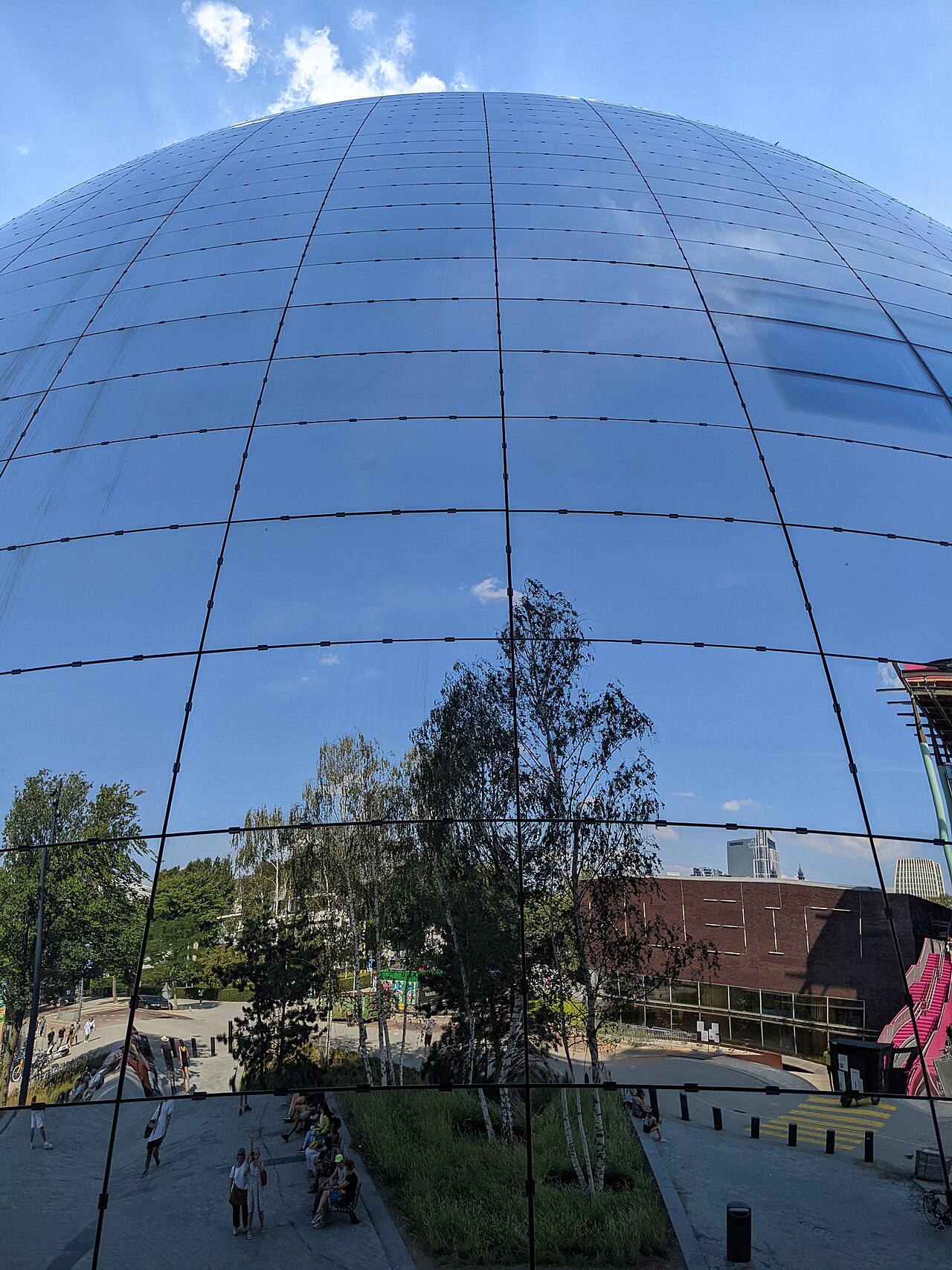
Several of the best buildings are also museums. Depot Boijmans Van Beuningen is a mirrored bowl in the Museumpark, the world's first publicly accessible art depot, and its roof garden has views over the city. The Kunsthal, designed by Rem Koolhaas, is nearby and hosts changing exhibitions. The Maritime Museum, the ss Rotterdam and the Fenix museum on Katendrecht add the harbour's industrial heritage. Book timed tickets for the Depot ahead of your visit, and check weekly closing days, since many museums close on Mondays.
Choose a tour
A guide adds enormous value on an architecture trip. A walking tour of the centre is the classic choice, a bike tour covers more ground, and a harbour cruise shows the skyline from the water, where its scale is clearest. Evening departures, where available, show the bridges and towers lit against the river. If you prefer to go alone, a self-guided audio tour gives you the same stories at your own speed.
See it from above
The Euromast gives the broadest view of the city's layout, with the Euroscoop lifting you to the top for a long look at the river, the port and the clusters of towers. Go on a clear day, and use the view to plan where to walk next. Seeing the city laid out below makes the rebuilding story easier to follow.
A two-day plan
On day one, begin at Blaak with the Markthal and the Cube Houses, walk along the Oude Haven, and take the Erasmus Bridge to the Kop van Zuid for the afternoon, finishing with a harbour cruise at golden hour. On day two, spend the morning at the Depot and the Kunsthal, lunch near the Museumpark, then visit Delfshaven or the Van Nelle Factory in the afternoon, and end with the view from the Euromast. If you have a third day, add the ss Rotterdam and Fenix on Katendrecht.
Practical tips
Weather matters for photography, so keep a flexible plan and swap indoor and outdoor days as needed. Wear comfortable shoes, since the best way to see the buildings is on foot, and use the metro and trams for longer hops. The light is usually best in the morning and late afternoon, and winter evenings come early, so plan indoor visits for the dark hours. Finally, look up, look inside courtyards and ask a local about their favourite building: Rotterdammers are proud of their city and happy to point you to places no guidebook lists.