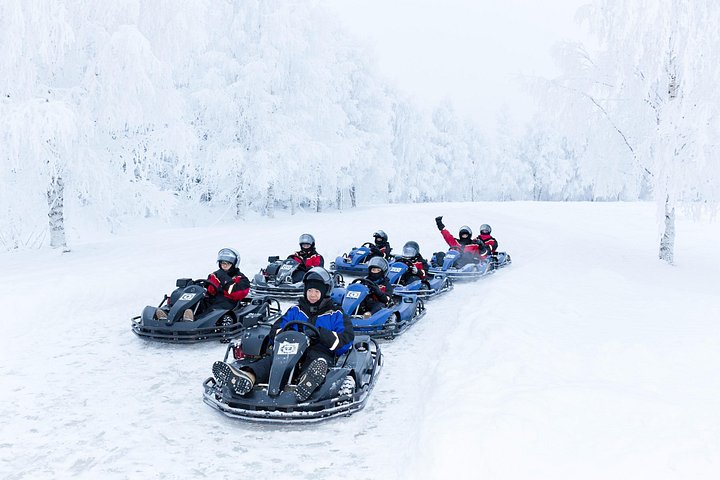
Ice karting turns an everyday motorsport into something looser and sillier. The karts run on studded tyres, the track is packed snow and ice, and the grip is just enough to keep you moving and just little enough to make every corner a small adventure. After a briefing, a helmet and a few practice laps, groups usually race against each other or the clock, and the best drivers are often those who relax and let the kart drift rather than fight it. It is a hit with teenagers, groups of friends and competitive couples, and it is one of the few Lapland activities where the emphasis is on laughing at yourself. Because it needs a prepared surface, it runs in the cold months, typically from early winter into spring, and operators will tell you how many laps and how much time you get. It is a good counterweight to the quiet sights of the trip.
Most sessions are short and structured, with a briefing about the controls, the flags and the rules, followed by timed laps. The karts are simple to drive and no licence is usually needed beyond the age and height requirements set by the operator, which vary, so check before you book. Drivers wear helmets, and many operators provide warm overalls and boots if you do not bring your own. Expect to spin out at least once, and expect everyone in the group to do the same.
What makes it work is the surface. Ice gives much less grip than asphalt, so the karts slide in long arcs and speeds feel higher than they are. Smooth, patient steering beats heavy braking, and the winners tend to be those who anticipate each corner early. If you are travelling with a group, ask whether the operator runs a timed race, a relay or a free session, because the formats differ. Spectators are often welcome and the sight of friends sliding sideways is half the fun.
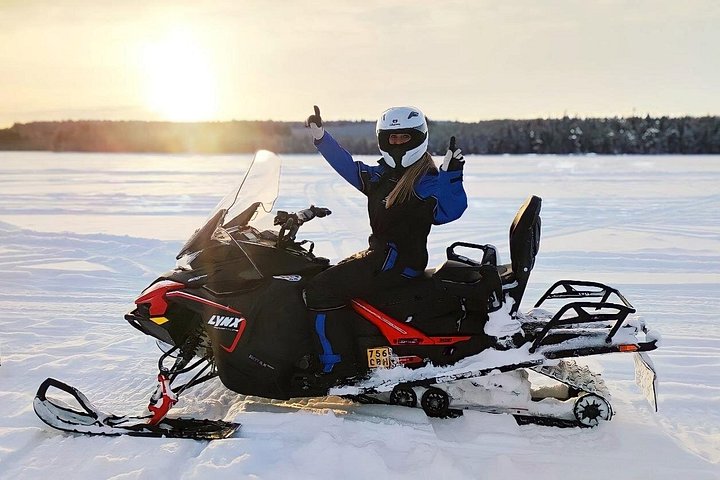
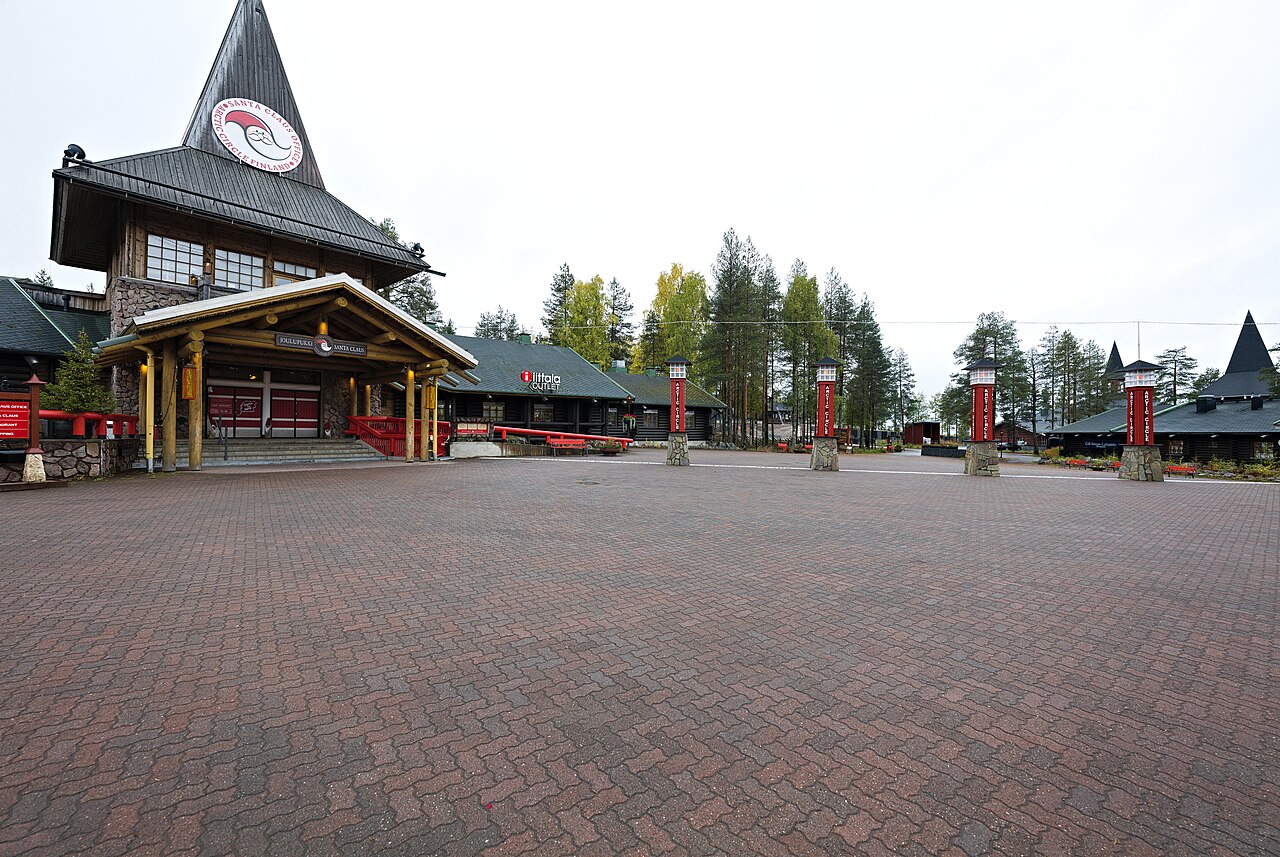
The activity is usually combined with other things. Some operators pair it with a snowmobile safari, and a morning of karting followed by a gentle afternoon at a reindeer farm or a visit to the Arctic Circle makes a balanced day. Wear warm layers but not bulky ones, because you want to move freely in the seat, and bring a neck warmer that fits under the helmet.
Check the exact opening dates and age rules for the version you choose, and book earlier for weekends and school holidays. It is not a good fit for anyone with back or neck problems, since the karts are low and the ride can be bumpy.
Safety and fairness are handled well by good operators. Karts are checked before each session, marshals watch the track and flags warn drivers of hazards, so listen carefully to the briefing and follow the signals. If your group has mixed ages or confidence levels, ask whether slower sessions are available, since some operators can adjust the speed or run separate heats.
Finish with a hot drink and a look at the lap times, and expect plenty of teasing. For anyone who enjoys engines, the combination of karting and a snowmobile safari gives a full day of motion, and for anyone who does not, it is easy to skip and enjoy the other experiences.
What to expect
The experience
A safety briefing, helmets and warm gear, then timed laps in studded-tyre karts on a packed ice and snow track.
Best time
Winter and early spring, when the track surface is reliably icy.
How long
One to two hours including the briefing and changing.
Tips
Wear warm but flexible layers, bring a neck warmer, and steer smoothly rather than braking hard.
Quick picks
- Best for
- Groups, teenagers and competitive friends who want a loud, slippery break from quiet sights.
- Families
- Age and height limits apply, so check before you book.
- Couples
- A playful contrast to the calmer experiences of the trip.
- Pair with
- A snowmobile safari, or a quiet afternoon at a reindeer farm.
- Time needed
- Half a day with transfers.
Good questions
Do I need a driving licence?+
Requirements vary by operator, and many accept drivers who meet the age and height limits. Check the details for the version you book.
When does ice karting run?+
It runs in the cold months, typically from early winter into spring, depending on the track surface.
Is it dangerous?+
Speeds feel higher than they are on ice, and helmets are required. Follow the briefing and the flags, and expect to spin out now and then.
What should I wear?+
Warm layers that allow free movement, plus a neck warmer and gloves. Many operators provide overalls and boots.
Can spectators come along?+
Often yes, but confirm with the operator. Watching friends slide sideways is part of the fun.