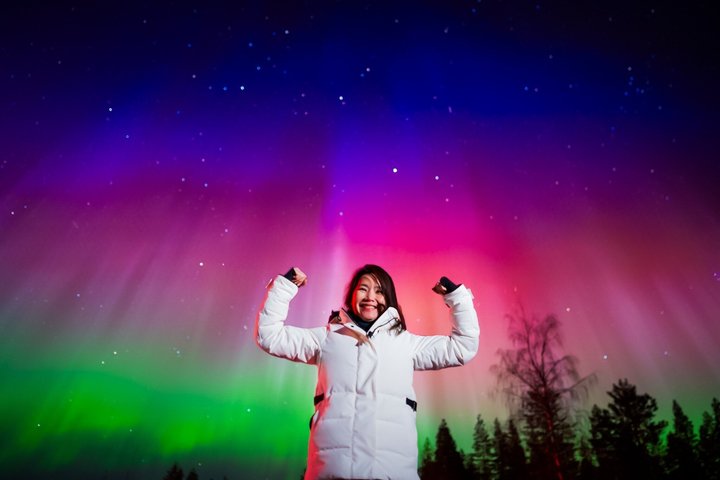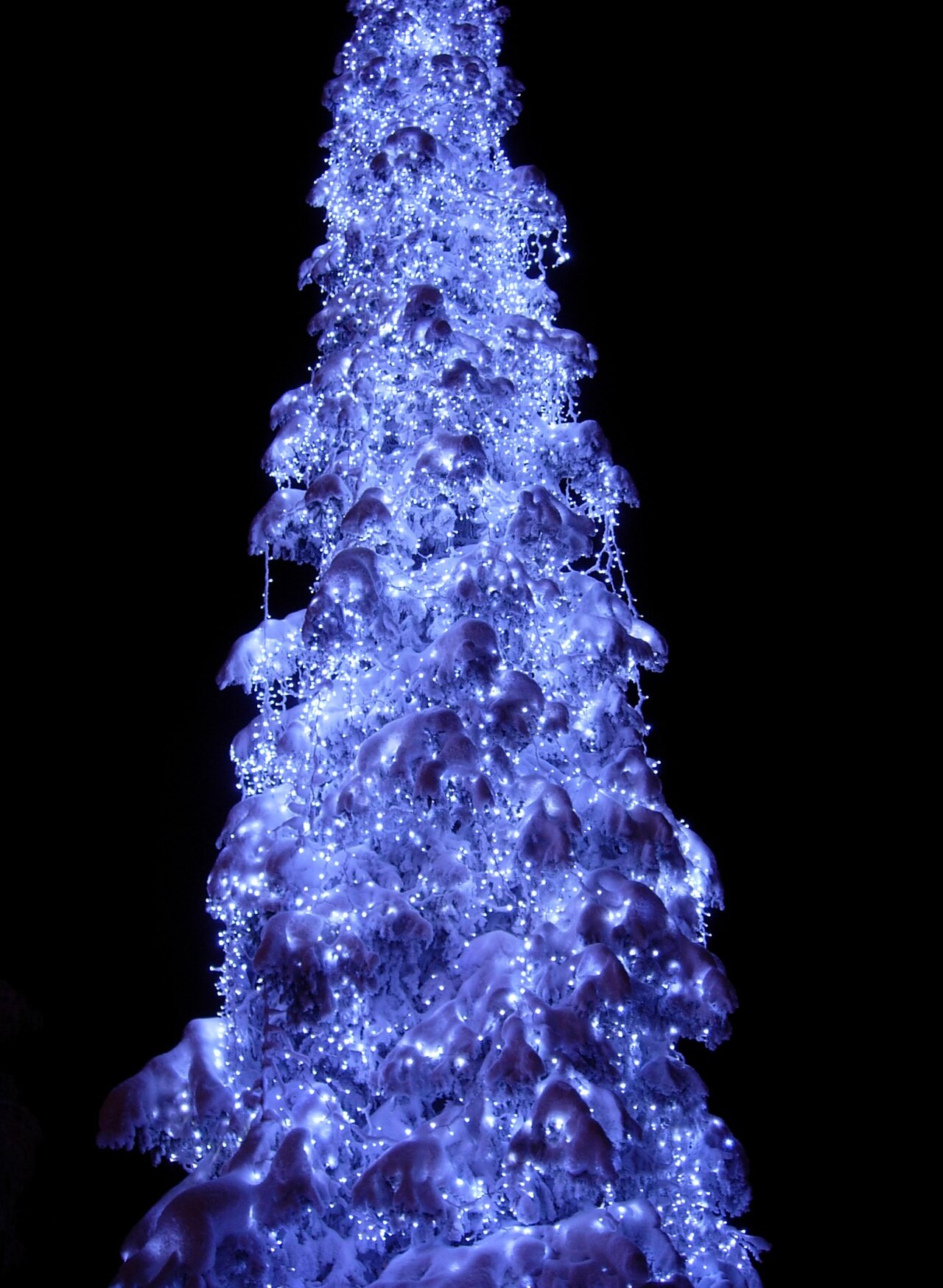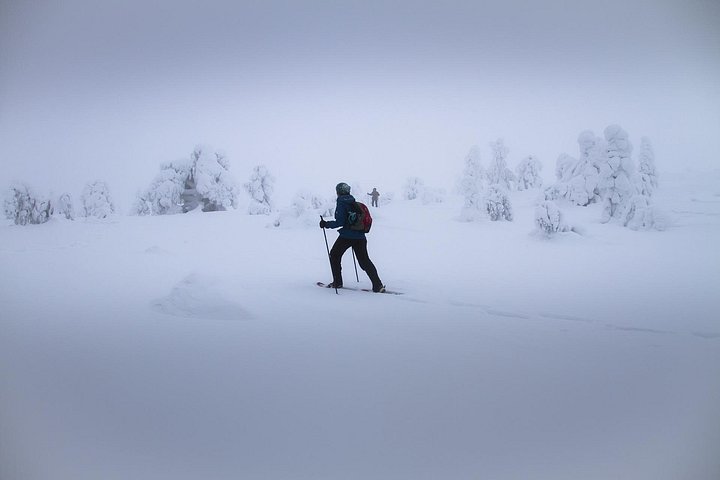
Snowshoeing is the simplest of the winter activities near Rovaniemi and, for many people, the most peaceful. Wide frames strapped to your boots spread your weight, so you walk on top of snow that would otherwise swallow you to the knee. A guide leads the way through forest and across frozen marsh or lake, explaining how to read animal tracks, what makes the snow on the spruce trees so heavy and how people in the north used snowshoes long before they became a holiday pastime. There is no engine, no waiting and almost no skill involved, so the walk suits a wide range of ages and fitness levels. It also gives you the thing that busy Lapland itineraries often lack, which is quiet. Stops for a hot drink and a snack by a fire are part of most outings. Some evening versions add the chance to see the Northern Lights if the sky is clear.
A typical outing lasts two to three hours, with a short briefing on fitting the snowshoes and a gentle pace that you can adjust. The terrain is usually flat or gently rolling, but deep snow makes it more tiring than a normal walk, so expect to feel it in your legs the next day. Guides stop often to explain the surroundings, point out tracks of hare, fox or reindeer and let the group simply listen. Few experiences make the winter forest feel so immediate.
Because it is slow, snowshoeing is a good match for families with older children and for travellers who want to move after long days in vehicles. Dress in layers, with a thermal base and a windproof outer shell, and bring waterproof boots with room for thick socks. Operators often supply the snowshoes, poles and sometimes overalls, so ask before buying gear. A small bag for water and a camera is enough.
The season depends on snow cover. It usually runs from late November or December through March, and the best conditions are in the middle of winter when the forest is heavily laden. Evening and night versions combine the walk with a campfire and aurora watching, which is a good alternative to a vehicle-based hunt for anyone who prefers a quieter approach.
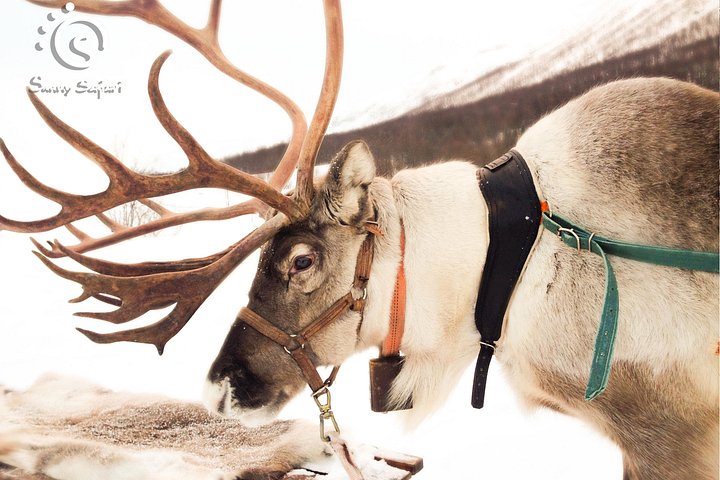
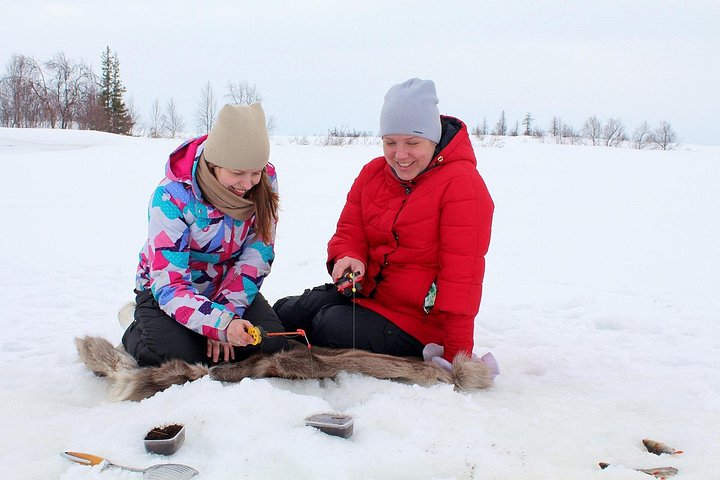
Cloud can spoil the lights, so treat them as a bonus. Snowshoeing also combines well with ice fishing or a visit to a reindeer farm on the same day. Confirm the pickup, the duration and the pace when you book, and tell the guide in advance about any mobility limits.
Photography is a good reason to choose snowshoeing over a faster activity. You can stop where you like, step off the path to find a better angle and wait for the light to change, which is harder on a snowmobile or a sled. The heavy snow on the spruce trees, often called tykky in Finnish, creates strange shapes that reward patient attention.
If you have time, ask the guide about the animals that live nearby and how they survive the winter. Combined with a campfire and a warm drink, the outing feels like a small expedition without any of the difficulty, and it is one of the best ways to understand why Finns love their forests.
What to expect
The experience
A guided walk on snowshoes through forest and over frozen ground, with stops to learn about tracks and nature and a hot drink by a fire.
Best time
December to March, when snow is deep; evening walks can add aurora chances.
How long
Two to three hours including fitting and stops.
Tips
Dress in layers, wear waterproof boots with room for thick socks and keep the pace steady.
Quick picks
- Best for
- Anyone who wants a quiet, low-skill way to explore the winter forest.
- Families
- Good for older children who can walk for a couple of hours.
- Couples
- A peaceful shared walk, especially in the evening.
- Pair with
- Ice fishing, a reindeer farm visit or an evening aurora hunt.
- Time needed
- A morning or an evening.
Good questions
Do I need experience to snowshoe?+
No. The walk is at an easy pace, and the guide shows you how to fit and use the snowshoes.
When does snowshoeing run?+
Usually from late November or December through March, depending on snow cover.
How tiring is it?+
Deep snow makes it more tiring than a normal walk, but the pace is gentle and you can stop when you need to.
Is equipment provided?+
Operators usually supply snowshoes and poles, and often overalls. Ask before buying anything.
Can I see the Northern Lights while snowshoeing?+
Evening versions give you a chance if the sky is clear, but cloud can spoil the view, so treat the aurora as a bonus.