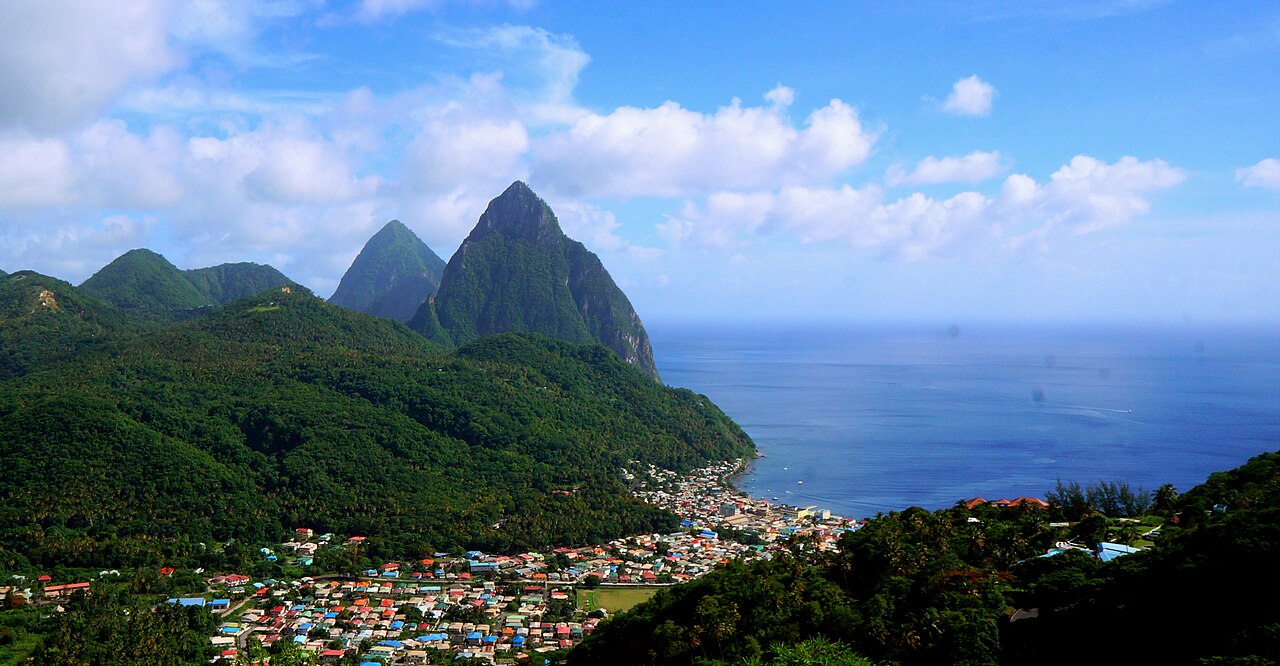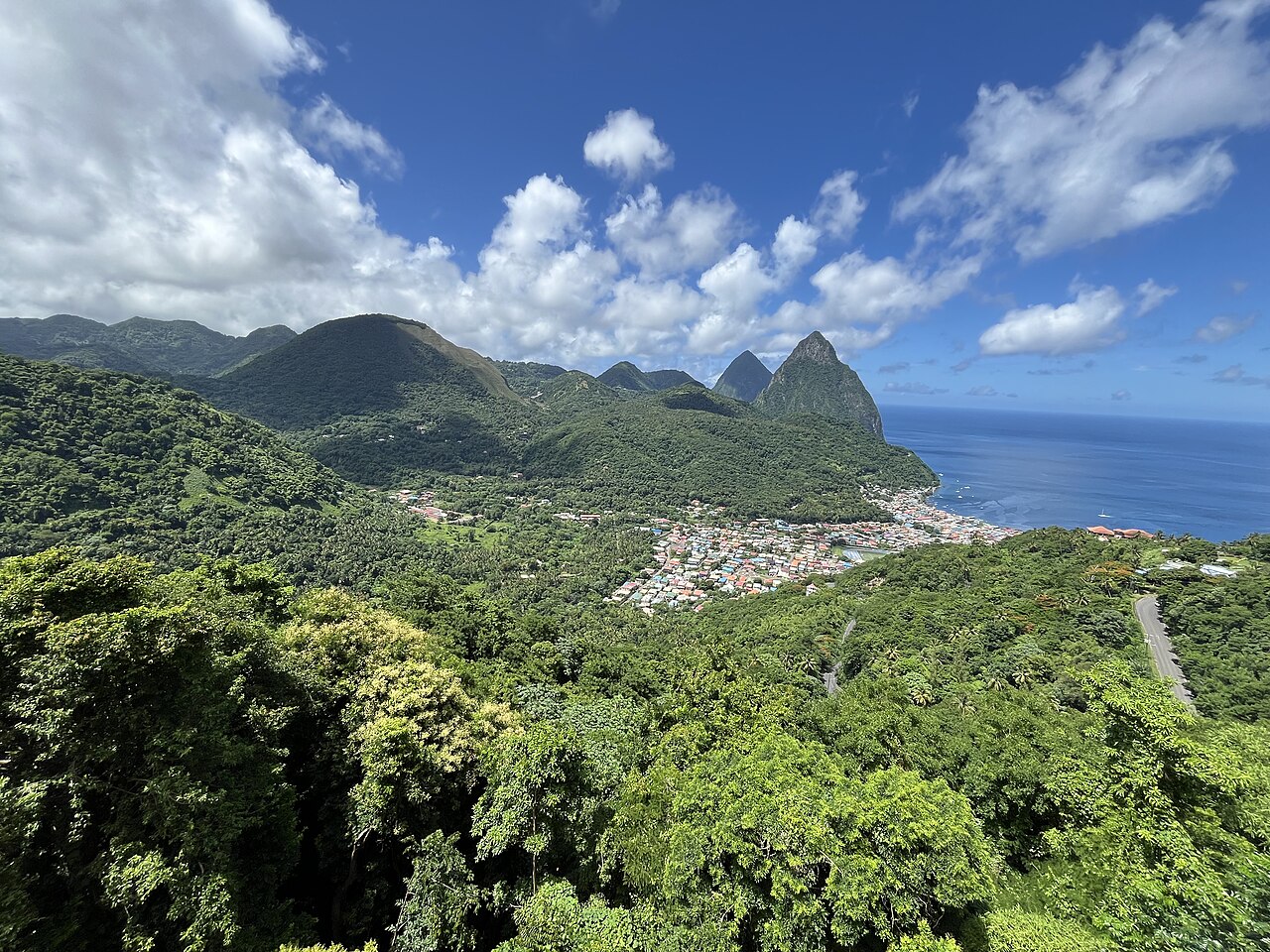
Saint Lucia is a small island with big mountains, and that shapes every plan you make. The headline sights cluster in two places, the Soufrière area in the southwest around the Pitons and the Rodney Bay and Castries area in the northwest, and the winding roads between them mean a transfer takes far longer than the map suggests. Plan your stay around that geography and the island is easy. Ignore it and you will spend your holiday in a minibus.
What to book ahead
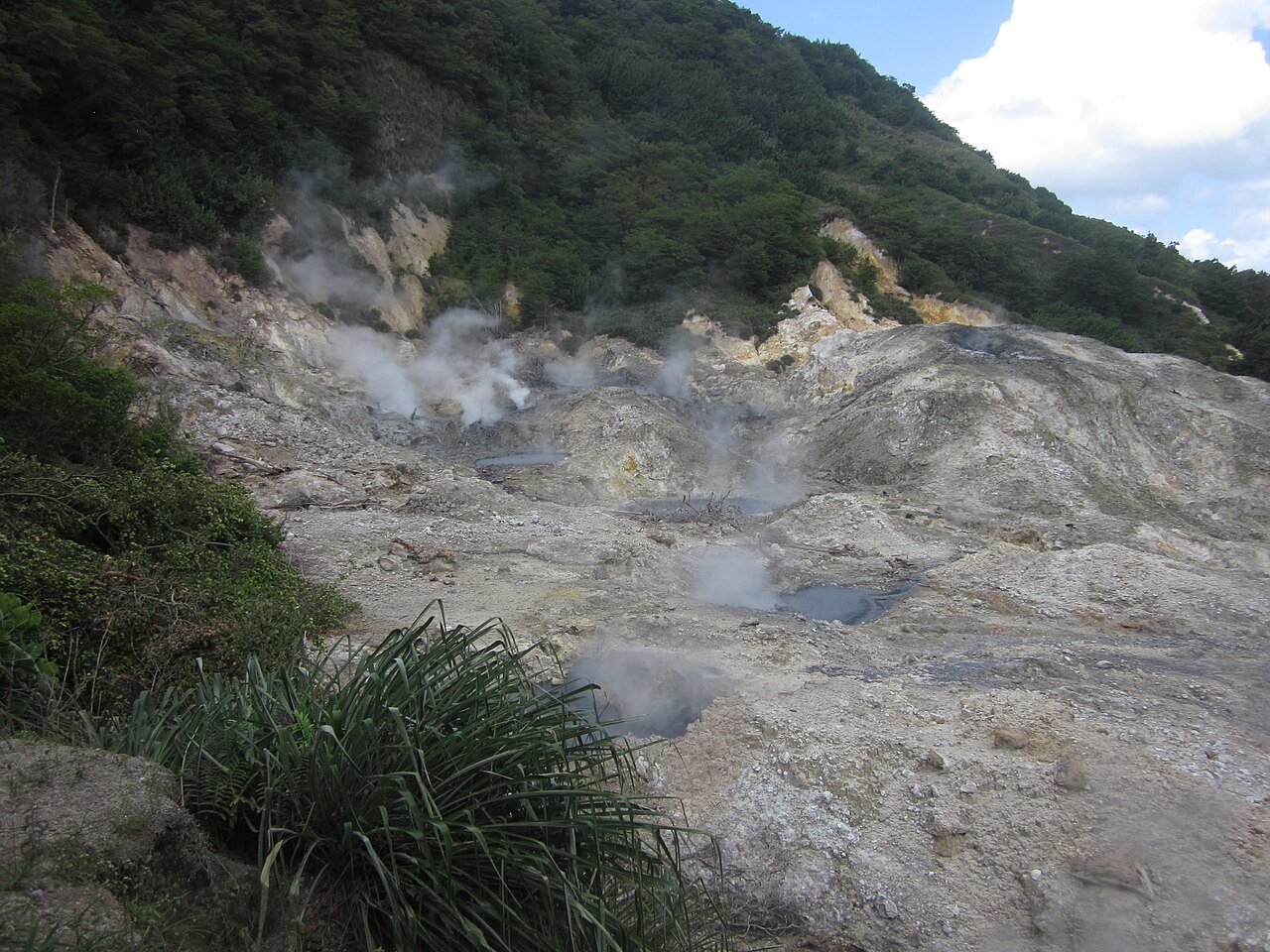
A handful of experiences are worth reserving before you arrive, especially in the winter high season. A guided Gros Piton hike, a catamaran cruise and a Sulphur Springs mud bath tour are the three that sell out first and that depend on a guide or a boat. Ziplining and the rainforest aerial tram also fill up on cruise-ship days, so book a morning slot. Diamond Botanical Gardens, Pigeon Island and the Tet Paul Nature Trail are simpler, with tickets bought at the gate or by phone, though it is worth confirming opening hours first.
Getting around
The island has two airports, Hewanorra in the south and the smaller George F. L. Charles airport near Castries, and the drive from Hewanorra to Soufrière takes roughly an hour while the drive from the north to Soufrière takes an hour and a half or more on bendy roads. Most visitors use a mix of private transfers, licensed taxis with a fixed fare agreed in advance and organised tours. Driving yourself is possible, since traffic keeps to the left, but the roads are narrow, steep and unlit at night, so many travellers prefer to hire a driver for the long southern days.
How many days
Four or five nights lets you do the highlights without rushing. Three days in the north for Pigeon Island, a catamaran cruise and the rainforest, then two in Soufrière for the Pitons, the baths and the hike, is a balanced plan. A week allows you to add beach days, Marigot Bay and a slower pace. If you only have a few days, choose one base and take one long tour rather than switching hotels.
Where the sights fit
In Soufrière, the Pitons are the backdrop to everything: climb Gros Piton at sunrise, soak in the mud at Sulphur Springs, see the Diamond Botanical Gardens and finish with the Tet Paul trail for the best panorama. On the west coast, Marigot Bay is a lovely stop for lunch, and a catamaran cruise ties the coast together from the water. In the north, Pigeon Island National Landmark gives you a fort, a lookout and a swim, while the aerial tram and the zipline courses above Castries add the rainforest.
When to go
The drier season runs roughly from December to May and is the most comfortable for hiking and sailing. Hurricane season runs from June to the end of November, so late-year visitors should check forecasts, buy flexible bookings and confirm that boat trips are running. Rain showers are quick and warm at any time of year, so a light rain layer is more useful than an umbrella.
Practical tips
Bring reef-safe sunscreen, insect repellent, water shoes for the mud baths and sturdy shoes for the trails. Carry some cash in Eastern Caribbean or US dollars for gates and tips, since card terminals can be unreliable at remote sites. Pace your days: a morning hike or tour followed by a long swim and a late lunch is the island's rhythm, and it is a good one to adopt.
Choosing a base
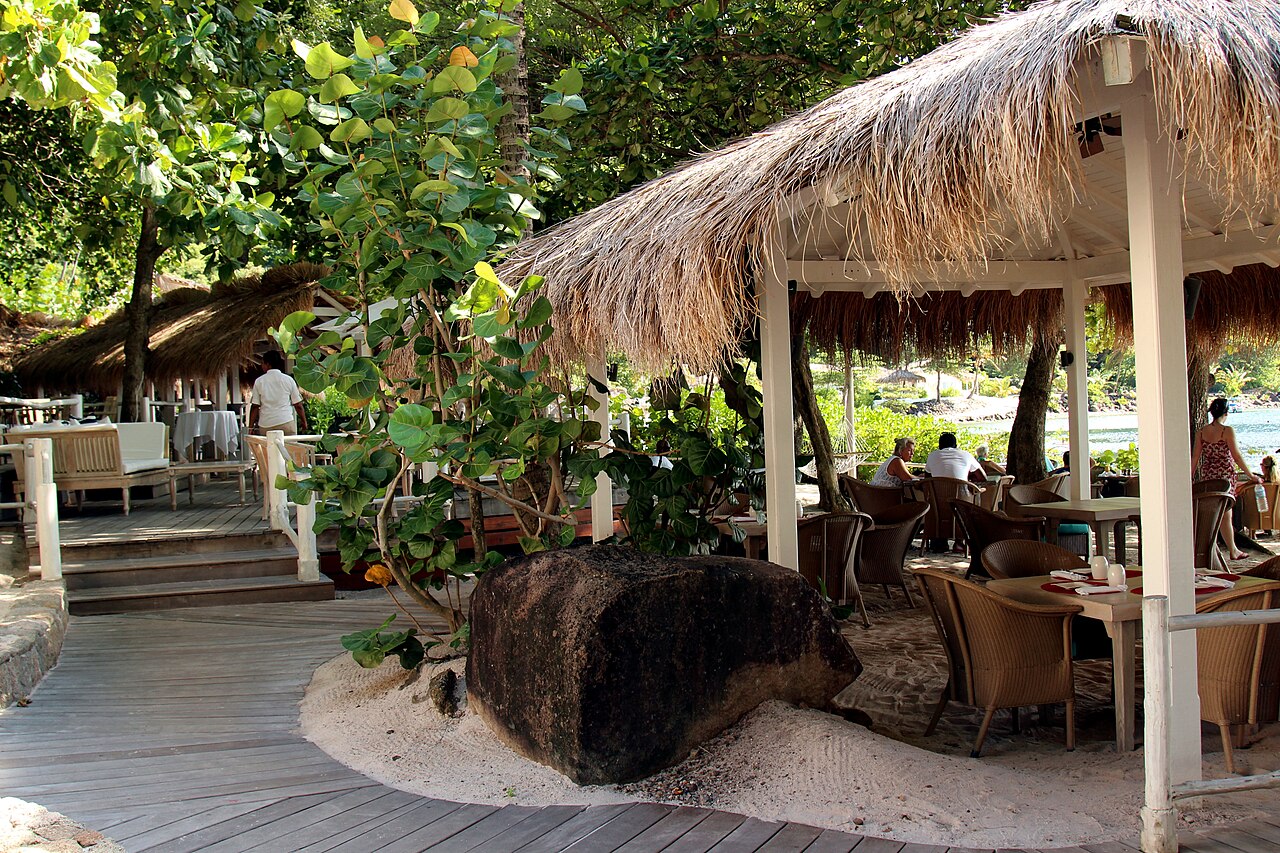
For a first trip, we suggest splitting the stay if you can. Stay in Soufrière at a place such as Sugar Beach or the small Hummingbird Beach Resort to be close to the Pitons, then move north to Rodney Bay or Labrelotte Bay for beaches, restaurants and day trips. Our where-to-stay guide goes through the options in detail.