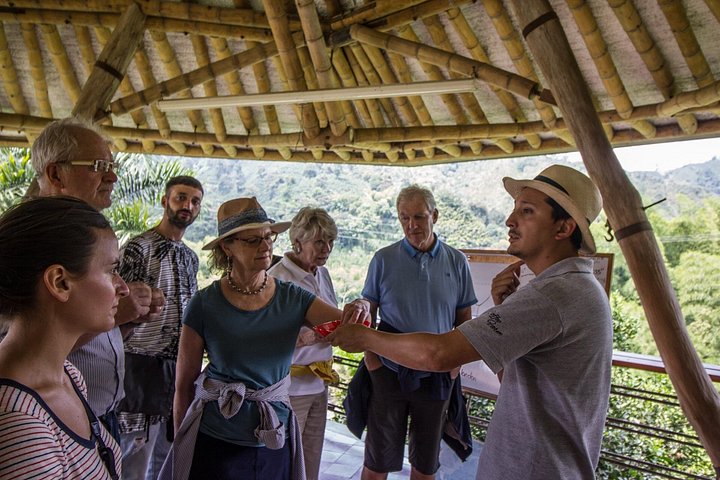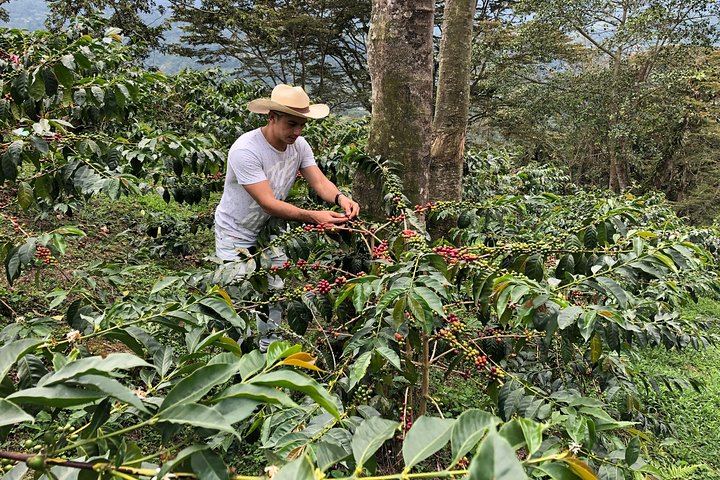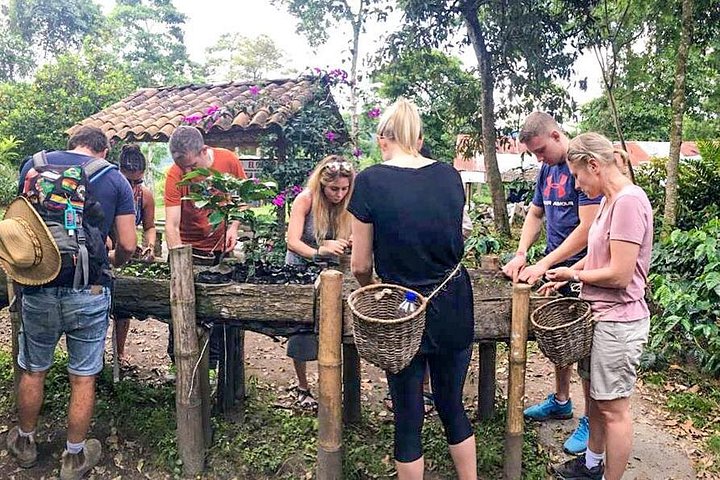
You cannot visit Salento without meeting its crop. Colombia's Coffee Cultural Landscape was recognized by UNESCO in 2011, and the hills around Salento are a heartland of small family farms growing arabica on steep slopes in the shade of banana and other trees. Finca El Ocaso is a working estate that welcomes visitors for a guided experience, and the tour we link runs from Salento with an emphasis on getting involved rather than simply watching. A typical visit starts with a walk through the plantation, where the guide shows the plants, explains varieties and altitude, and lets you pick ripe cherries when the harvest is on. You then follow the beans through the stages of processing: pulping, washing, fermentation, drying and roasting. The tour ends in the cup, with a tasting where the guide teaches you how to smell, slurp and describe what you are drinking.
What you will learn
Coffee is often called a simple drink, but the steps behind a good cup are surprisingly delicate. Guides explain how altitude and shade affect flavor, why hand-picking only the ripe red cherries matters, and how the choice between washed and natural processing changes the taste. Many farms also demonstrate roasting in a small drum and invite guests to grind and brew their own. By the end you will understand why a Colombian cup differs from a supermarket one.
The setting
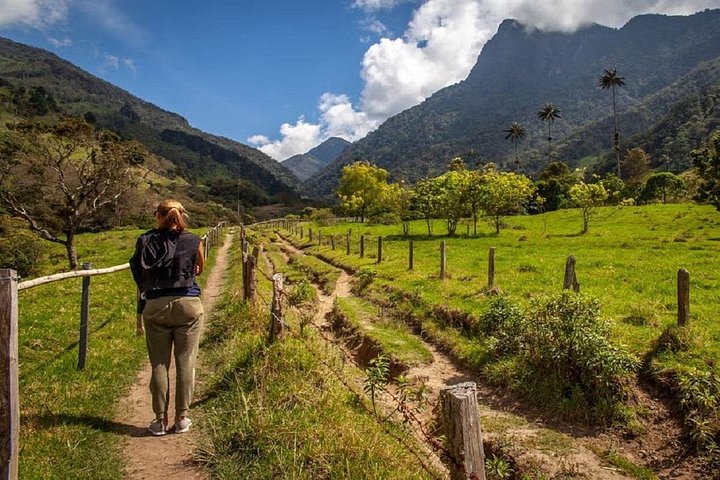
Farms around Salento sit on the green slopes outside town, with views toward the palm valley and the mountains. Some tours include a short walk to the farm from the road, others use transport. The paths can be muddy after rain, so closed shoes are useful. The tour is a gentle half-day activity, suitable for most ages and fitness levels, and a good complement to the physical effort of the Cocora hike.
Buying and booking
Farm shops sell roasted beans, which make better souvenirs than most airport options. Buy whole beans, keep them away from heat and use them within a few weeks. Book a day or two ahead in busy periods, and let the operator know about dietary needs if lunch or snacks are included. Our guide to eating and drinking in the coffee region explains how to continue the coffee story in town cafes.
Questions to ask your guide
Which varieties does the farm grow, at what altitude, and when is the main harvest? How does the farm dry its coffee, and does it sell any of its production directly? What distinguishes the farm's cup from the commercial blends you find abroad? Good guides welcome these questions and often enjoy comparing notes with visitors who brew at home. If you want to go deeper, ask whether you can try the same coffee brewed in two different ways, which shows how much the method changes the flavor.
Tasting like a professional
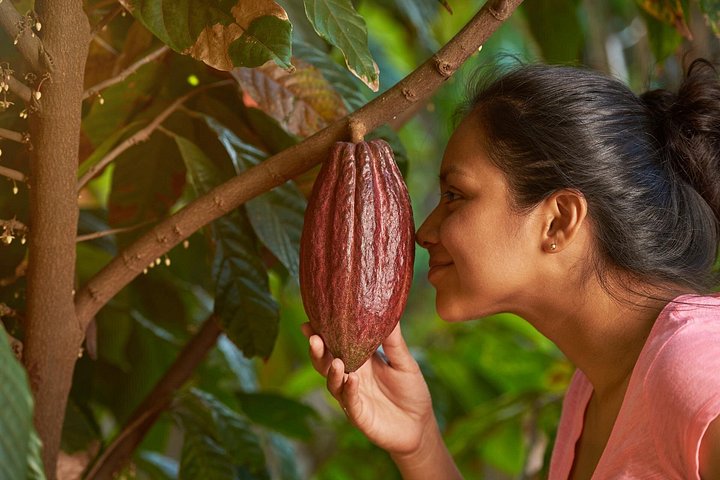
Smell the dry grounds first, then the wet crust after pouring water, and slurp the coffee loudly so that it spreads across your palate. Notice acidity, sweetness, body and aftertaste, and describe them in your own words. There are no wrong answers, and the exercise makes every cup afterward more interesting. Children often prefer the cacao or fruit tastings that some farms add, and the hot chocolate is rarely refused.
What to expect
The experience
A guided walk through a working coffee farm, a lesson in processing and roasting, and a tasting, departing from Salento.
Best time
Mornings are cooler. The main harvest brings the most activity to the farm, but visits run throughout the year.
How long
About three to four hours.
Tips
Wear closed shoes, bring sun protection and a light jacket, and buy whole beans at the farm to take home.
Quick picks
- Best for
- Coffee lovers and anyone who wants to understand the region's main industry.
- Families
- Easy and engaging for children, who can pick cherries and see the roasting.
- Couples
- A relaxed morning in the hills with a tasting.
- Pair with
- The Cocora Valley hike on a different day.
- Time needed
- Half a day.
Good questions
Do I need to book ahead?+
It is wise, especially in high season and holiday weeks, because groups are limited.
Is the harvest season important?+
Harvest times bring cherry picking, but the process tour and tasting run all year.
Is lunch included?+
Check the current inclusions when you book. Some farm tours include snacks or a meal and others do not.
Can I buy coffee?+
Yes. Most farms sell roasted beans and ground coffee that you can take home.
Is it suitable for children?+
Yes, most children enjoy the walk and the machines. Keep a close eye on them near equipment.