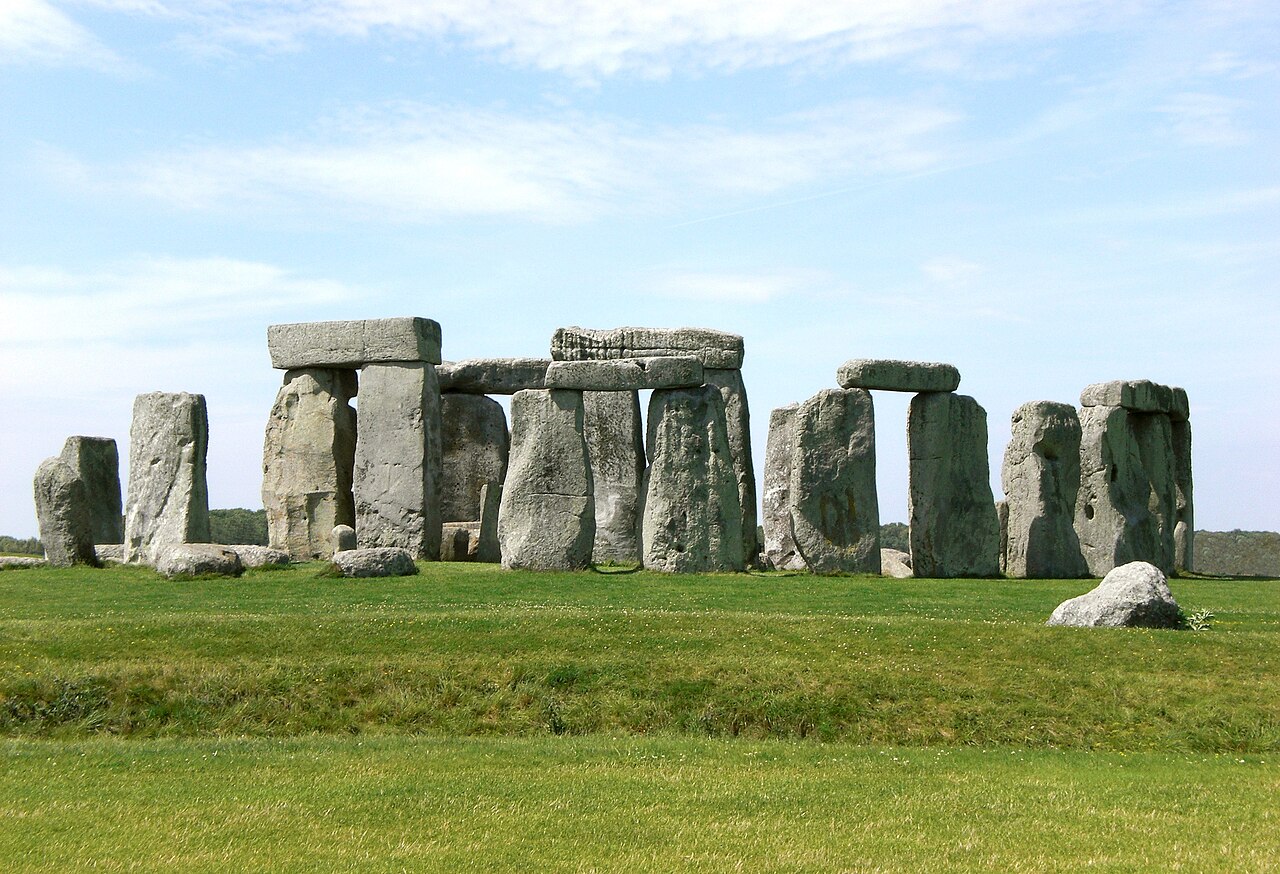
Stonehenge and Salisbury make one of England's most rewarding short trips, because a small cathedral city sits at the centre of a landscape that has been sacred for five thousand years. The stones are on Salisbury Plain about nine miles north of the city, Old Sarum is two miles from the centre, and Avebury lies a drive to the north. The sights are close but not walkable from one another, so a little planning makes the difference between a smooth trip and a frustrating one.
What to book ahead
Book a timed ticket for Stonehenge before you travel, especially for weekends, school holidays and midsummer, and if you are driving, book a parking space too, because you must not park on the A303 or the nearby roads. Book the Tower Tour at Salisbury Cathedral online as soon as you know your dates, because it is limited in numbers and often sells out. The Stonehenge Stone Circle Experience, a small-group guided hour inside the circle outside normal hours, needs booking well ahead and has no sessions in October or November, so it is a trip to plan for another season. Everything else can be bought on the day, though booking Old Sarum online saves money.
How to get around
The cheapest and simplest plan without a car is to stay in Salisbury and use a combination of taxis, the dedicated Stonehenge tour bus from the city, which you should check against the current timetable, and a guided tour for the more distant sites. If you are based in London, the day tour with coach transport and admission included is the simplest option, and a guided trip that adds Avebury brings in the second stone circle. If you are driving, the A303 and the A36 are the main roads, the stones have a visitor car park, and Avebury has a National Trust car park with a daily charge. Cruise passengers at Southampton can book a private tour that links Stonehenge with the cathedral and returns in time for the ship.
How many days
One day is enough to see Stonehenge and the cathedral if you are efficient, and the London day tours do just that. Two days is the sweet spot: Stonehenge and Old Sarum on one day and Salisbury Cathedral, the Magna Carta and the Salisbury Museum on the other. Three days lets you add Avebury, Silbury Hill and the West Kennet Long Barrow, or a private tour with a local guide, without rushing.
How the sights fit together
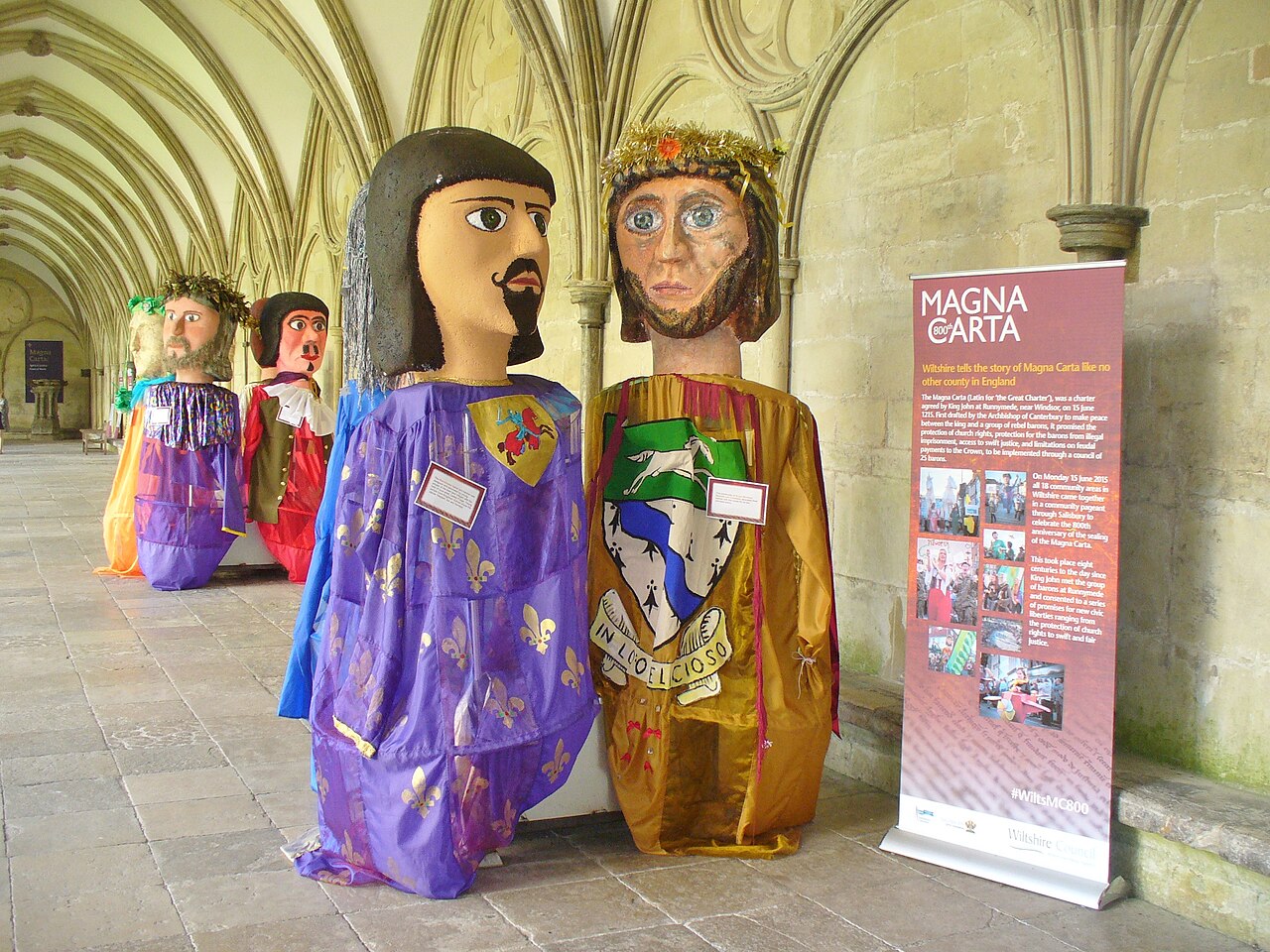
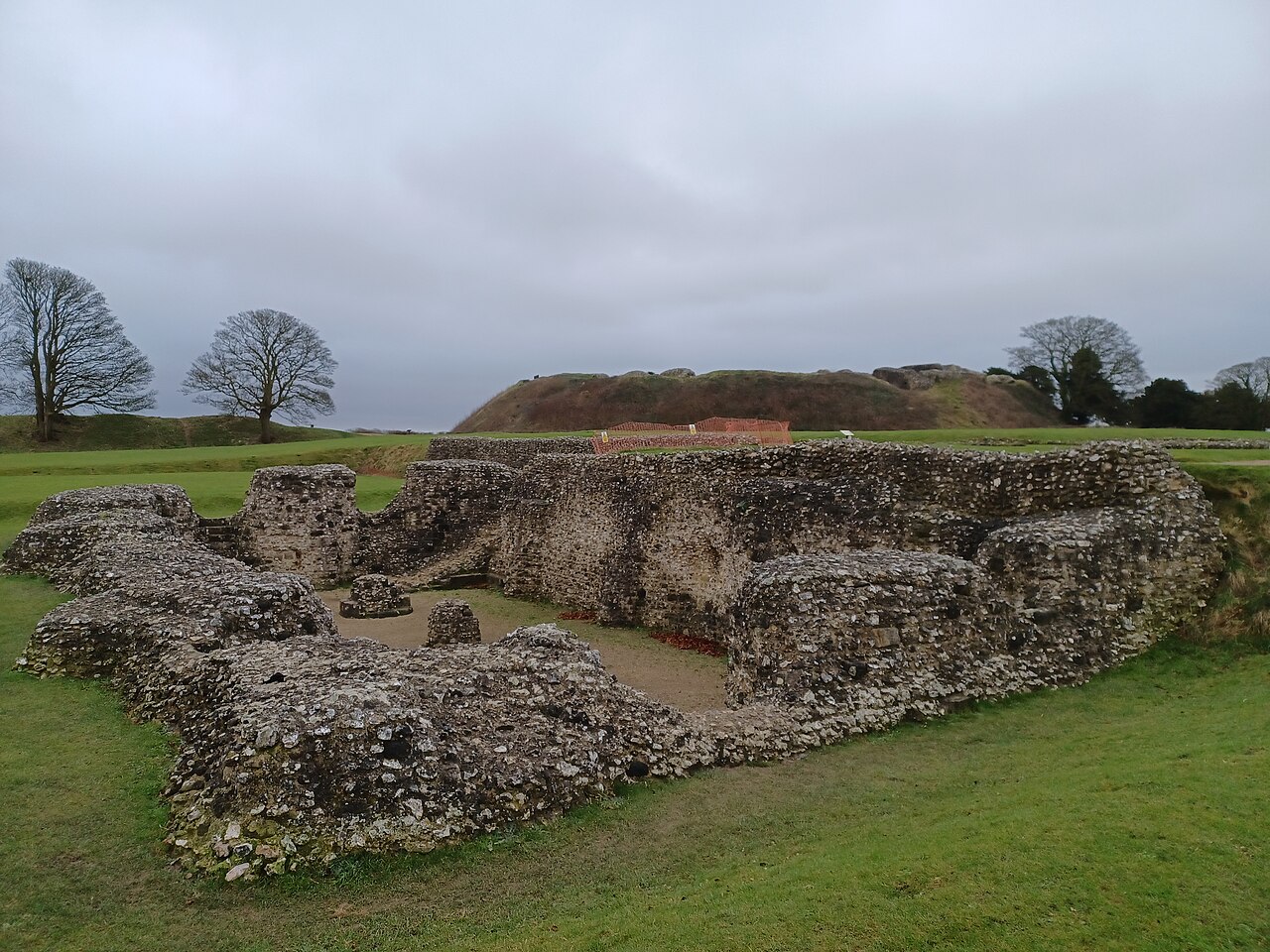
Start in Salisbury with the cathedral, the Close and the Chapter House, where one of only four surviving 1215 Magna Carta copies is on display, then visit the Salisbury Museum to understand the archaeology of the plain. Old Sarum, the Iron Age hillfort and Norman castle where the first cathedral stood, explains why the city moved downhill, and works best the day you see the later cathedral. Stonehenge needs half a day with the visitor centre and the exhibition, and Avebury needs half a day or more, with the free walk among the stones and the option of the museum and manor.
What to check for November
Stonehenge is open daily with last entry in the afternoon, Old Sarum is open daily from ten until four, the Salisbury Museum is open daily and closes only over Christmas, and Avebury's stones are open dawn to dusk. Salisbury Cathedral closes early on 27 and 28 November and to sightseeing on Sunday 29 November, so check its opening page. Wilton House, which many guides list, is closed until Easter 2027, so do not plan around it.
Practical tips
The plain is exposed, so pack a windproof coat, a hat and sturdy shoes, and expect the weather to change quickly. Stay in the city centre if you want to walk everywhere in the evening, and choose a hotel with parking if you are driving. Do not touch the stones, and leave time for a pub lunch, because the food in this part of Wiltshire is worth lingering over.