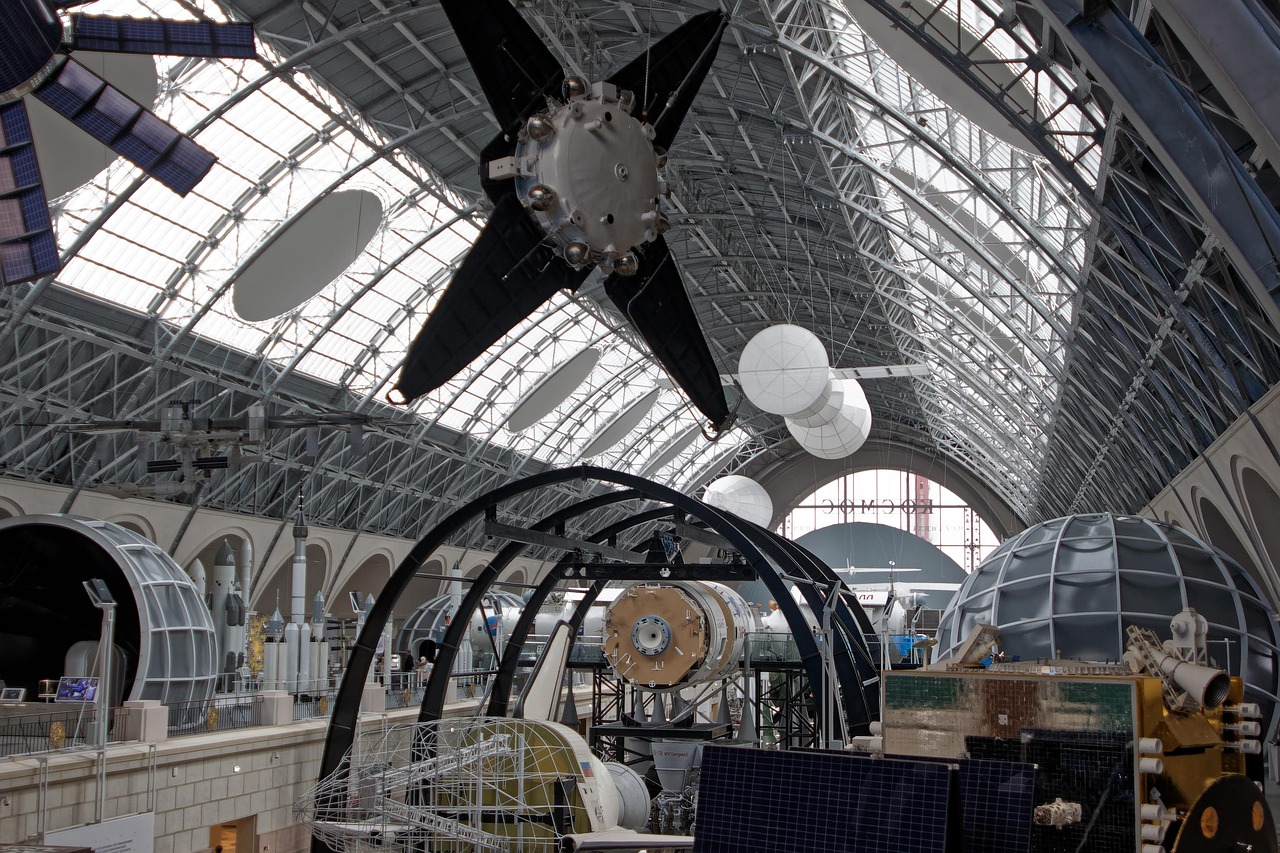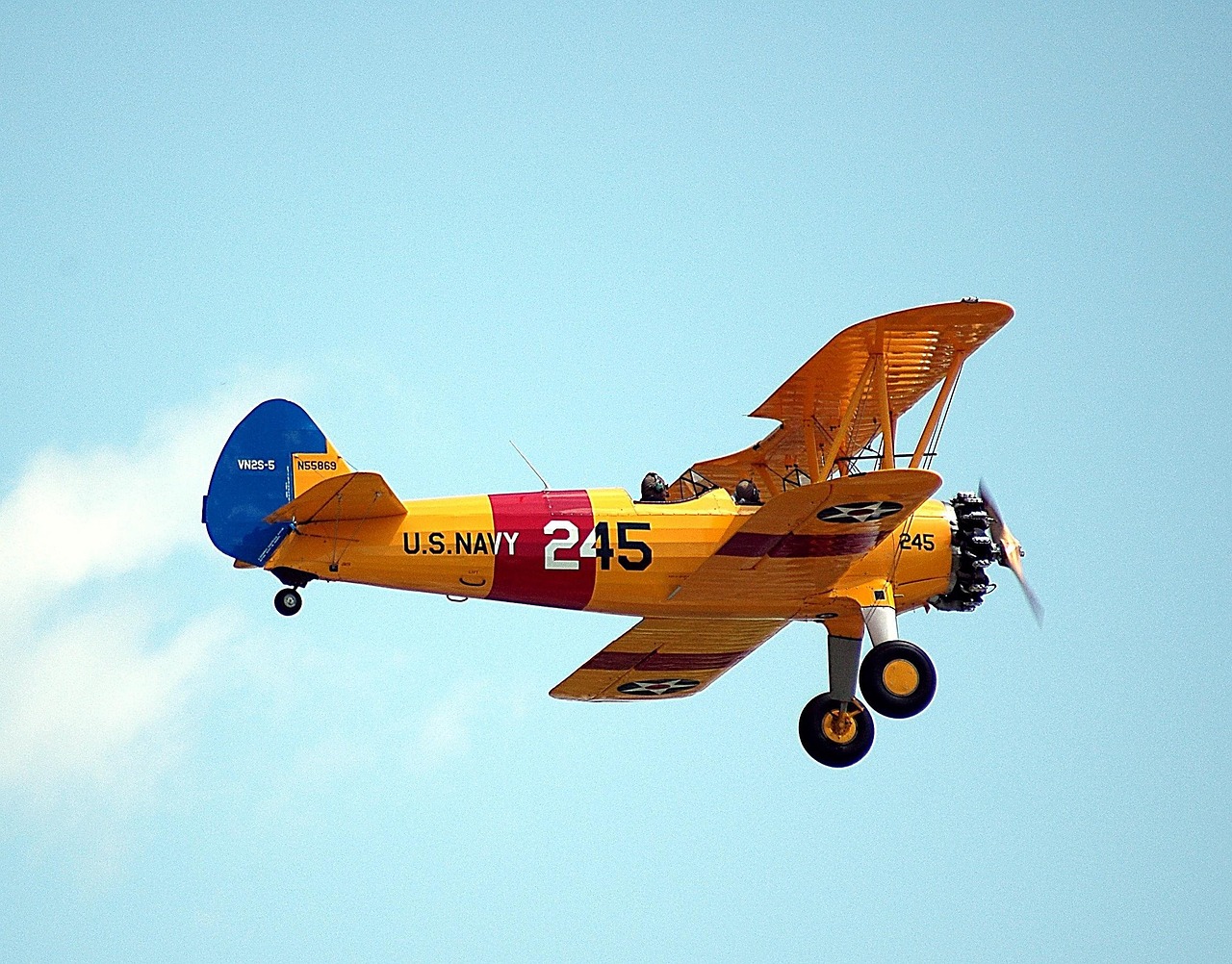
The San Diego Air & Space Museum fills Balboa Park's great circular Ford Building (the 1935 exposition's streamline-moderne drum, itself worth the walk) with flight's full chronology — and it tells it with San Diego's particular authority, because this is the city that built the planes: Ryan Airlines assembled the Spirit of St. Louis downtown in 1927 (the museum's exacting replica was built by Ryan veterans; Lindbergh's story runs through the galleries as hometown history), Consolidated's harborside plants turned out thousands of B-24s and PBY Catalinas (the WWII gallery sits in the city that made its subject), and the aerospace era ran through General Dynamics' Atlas rockets — the boosters that threw the first Americans into orbit. The collection walks the arc: dawn-of-flight recreations and WWI fighters circling the entry rotunda, the golden-age barnstormers, a WWII hall pairing American and axis iron (the Spitfire-and-Zero company), jets into the supersonic era, and the space wing's genuine artifacts — including an Apollo command module flown around the moon — with cockpit sims and the under-ten interactive zone keeping mixed crews moving. Ninety minutes to two hours on the Palisades row (by the Automotive Museum, a tram stop from the museum-row core), quieter than the plaza institutions, and the strongest single-subject museum in the park for anyone whose kid — or whose inner one — looks up when jets pass.
The hometown thesis is what elevates it past the standard aviation hangar: San Diego's twentieth century WAS aerospace — Ryan on the harbor (Lindbergh tested the Spirit over the bay before flying east to history), North Island's naval aviation birthright (the Navy's first aviator trained there in 1911; the carriers still homeport across the bay), Consolidated/Convair's wartime production miracle and Cold War missile era — and the galleries braid the city's story through the global one. The artifact headliners: the Ryan-veterans-built Spirit replica (flown, then retired to the rotunda), the Apollo 9 command module Gumdrop, a genuine Blackbird-era A-12 out front on the plaza, the WWII hall's restored fighters, and the International Aerospace Hall of Fame's portrait arc from the Wrights to the shuttle crews.
The museum's craft serves families without dumbing down: docents (heavily retired Navy and aerospace — ask one question and budget ten minutes) run the floor, the 3D/4D theater and MaxFlight cockpit sims price separately, and the kids' interactive bay absorbs the under-tens while the detail panels hold the enthusiasts. Restoration happens on-site; the annex at Gillespie Field holds the overflow collection for the completists.
Practicals and fit
The Palisades cluster south of the organ pavilion (tram stop or a pleasant ten-minute walk from the plaza row), 90-120 minutes standard, light crowds outside school-group mornings, and combo logic with the park's other halls. Fit: multigenerational catnip (the docent-grandparent-kid triangle works all day here), aviation pilgrims (the Lindbergh material is the shrine), and Balboa day-planners needing the museum that reliably delights the family member the art galleries lost.
What to expect
The experience
Flight's chronology around the circular Ford Building — WWI aces to the Apollo 9 command module — told with the authority of the city that built the planes, plus sims and a kids' zone.
Best time
Any Balboa afternoon; school groups own weekday mornings. The Palisades row runs quieter than the plaza museums.
How long
Ninety minutes to two hours.
Tips
Talk to the docents — retired Navy and aerospace, and the museum's best exhibit. The Lindbergh gallery is hometown history, not just aviation lore. The A-12 on the plaza makes the approach photo.
Quick picks
- Best for
- Multigenerational crews and anyone who looks up when jets pass — the park's best single-subject museum.
- Families
- Cockpit sims, the kids' bay, and airplanes overhead in every hall — attention handled.
- Couples
- The streamline-moderne building and the space wing make a stylish, uncrowded hour.
- Pair with
- The Fleet and the Nat on the plaza row; the organ pavilion between them on the walk.
- Time needed
- The Balboa day's second museum slot.
Good questions
Is the Spirit of St. Louis real?+
The original hangs in the Smithsonian — but San Diego BUILT it, and the museum's flying-grade replica was constructed by Ryan Airlines veterans. The hometown Lindbergh story is the museum's heart.
What spacecraft are genuine?+
The Apollo 9 command module Gumdrop headlines a space wing of real hardware from the Atlas era San Diego's own plants powered.
Why is the building round?+
It is the 1935 exposition's Ford Building — a streamline-moderne drum built as a working assembly-line showcase, and the park's best architecture-meets-subject match.
How kid-friendly is it?+
Strongly — sims, the interactive bay, and docents who hand kids the good stories. The under-tens outlast the art museums here easily.
Where is it in the park?+
The Palisades row south of the organ pavilion — a tram stop or ten-minute walk from the plaza museums, with the A-12 spy plane marking the door.