The Mission and the Castro sit side by side on the city's sunny side, and a food walk that links them gives a more local picture of San Francisco than any waterfront tour. The route tastes its way through Latin American and Californian kitchens, local bakeries, coffee roasters and small restaurants, with stops at murals and landmarks in between. Your guide explains how each neighborhood grew, from Spanish mission roots and working-class immigrant communities to the Castro's role in LGBTQ history, so the food comes with a story. Expect about three to four hours at an easy pace, with enough tastings to count as lunch. It is a good choice for repeat visitors and for anyone who wants to eat where locals eat.
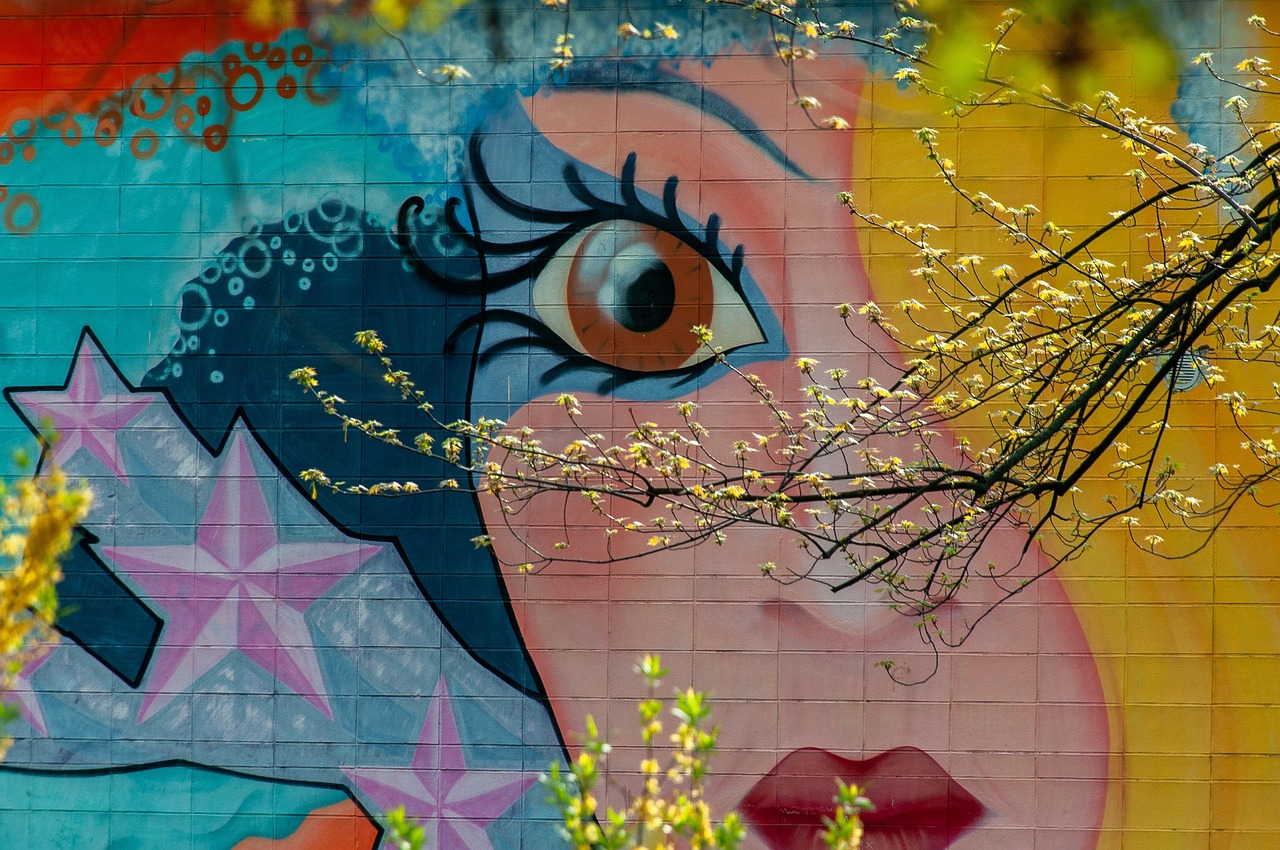
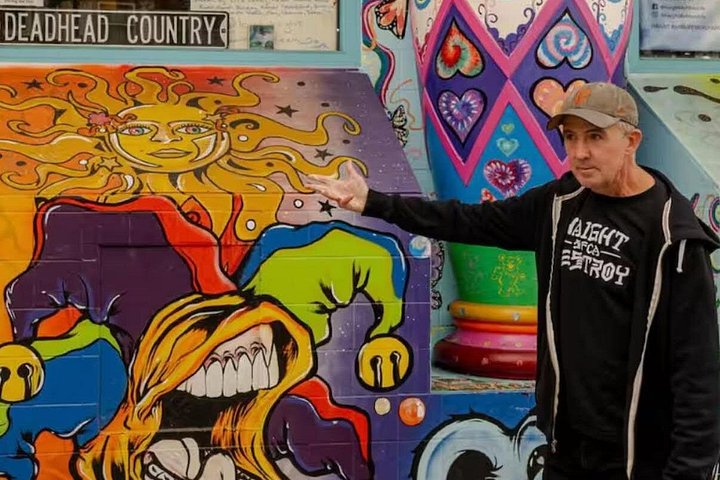
If the Golden Gate Bridge is the postcard, the Mission and the Castro are the daily life behind it. They are neighborhoods of corner taquerias, bakeries that open before dawn, coffee roasters, independent shops, vivid murals and rainbow flags, and they reward walking slowly with someone who knows them.
The Mission takes its name from Mission Dolores, the oldest surviving building in the city, built in the late eighteenth century. In the twentieth century the area became the heart of the city's Latino community, and its food culture shows it: taquerias, pupuserias, panaderias and ice cream shops stand next to newer restaurants and cafes. The food walk samples a mix, so expect a combination of traditional and contemporary tastes rather than a single cuisine. Tastings vary with the operator and the season, and your confirmation will describe what to expect.
The Castro, a short walk away, is the center of San Francisco's LGBTQ community and one of the most recognizable gay neighborhoods in the world. A guide can place the streets in context: the movement's history, the businesses that mark it, and the historic theater whose marquee is the district's signature. If you want to dig deeper, the Castro District entry in this guide covers the GLBT History Museum and related walking tours.
Practical points
Wear comfortable shoes, since the route includes hills and many stops. Come hungry, and plan a lighter meal before or after. Dietary restrictions should be mentioned when you book, because many stops use pork, dairy, wheat and nuts. Bring a layer: the Mission is one of the warmest and sunniest parts of the city, but the Castro and the hills can be cool and windy. Cash is useful for small shops. The tour runs in most weather, though heavy rain may change the route.
Where does the tour start and end? Check your confirmation for the meeting point, which is typically close to public transit. Both neighborhoods are well served by the Muni Metro and by buses, and the Mission has a BART station, so you do not need a car. After the tour, you can return to the places you liked best, browse Valencia Street's shops, visit the murals of Balmy Alley and Clarion Alley or walk up to Dolores Park for the skyline view. Dolores Park is a favorite for people-watching on sunny afternoons.
This walk suits travelers who like their sightseeing delicious, who enjoy hearing the stories of everyday neighborhoods and who want to see a side of San Francisco beyond the cable cars. Combine it with the Mission District Murals and Haight-Ashbury entries for a full day of neighborhood exploring.
What to expect
The experience
A guided food walk through the Mission and the Castro with tastings, murals and neighborhood history.
Best time
Late morning or midday, when the Mission is sunny and kitchens are in full swing.
How long
Three to four hours at an easy pace.
Tips
Come hungry, wear comfortable shoes, mention dietary needs when you book and carry a layer.
Quick picks
- Best for
- Food lovers who want to eat like a local across two neighborhoods.
- Families
- Fine for older children and teens who enjoy trying new food.
- Couples
- A relaxed, tasty way to spend a sunny afternoon.
- Pair with
- Dolores Park, Balmy Alley murals and the Haight.
- Time needed
- Half a day with time to linger.
Good questions
What kind of food is included?+
A mix of Latin American, Californian and neighborhood specialties; the exact lineup varies.
Is the tour walkable?+
Yes, with some hills. Wear comfortable shoes.
Can I bring dietary restrictions?+
Tell the organizers when you book. Many stops use pork, dairy, wheat and nuts.
How do I reach the meeting point?+
Both neighborhoods have Muni Metro and bus service, and the Mission has BART.
Is it a full meal?+
The tastings together are usually enough for lunch, so plan accordingly.