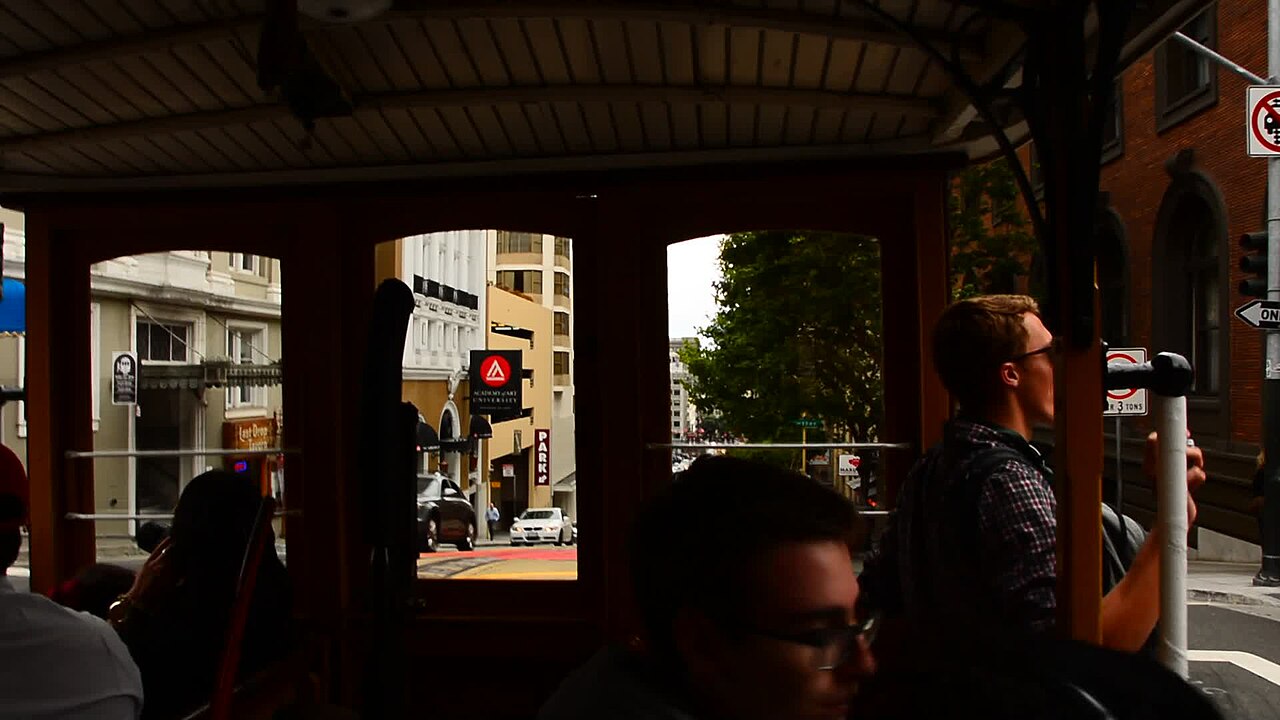
Lombard Street's famous block is the city's most concentrated postcard: the 1000 block between Hyde and Leavenworth on Russian Hill, where eight tight brick switchbacks zigzag down a 27-degree grade through terraced hydrangea gardens — "the crookedest street in the world" (Vermont Street in Potrero Hill disputes the geometry; Lombard wins the beauty contest without argument) — engineered in 1922 when the straight cobblestone pitch proved too steep for cars of the era: property owner Carl Henry's switchback scheme turned a liability into the most famous residential block in America. The visit sorts by mode: on foot is correct — the staircases flanking the curves climb the block in ten minutes, the gardens (maintained by the residents who live the phenomenon) peak in summer hydrangea blue, and the top-of-block reward is the real secret: the view east down the curves frames Coit Tower, Telegraph Hill and the bay in the city's best accidental composition; by car is the famous crawl — queueing down the curves at 5 mph bumper to bumper (summer waits run long, residents run patient, and the passenger gets the experience while the driver gets the clutch workout) — skippable without loss; by cable car is the elegant arrival — the Powell-Hyde line stops at the block's crest (the Hyde Street stop, with the bay and Alcatraz behind the famous curves), making Lombard the natural mid-ride hop-off between the wharf and Union Square. The craft: mornings before the tour buses for empty frames, the bottom-of-block view up the curves for the classic photo (Leavenworth side), and the Russian Hill pairing — the neighborhood above is one of the city's loveliest walks (Macondray Lane's hidden stairway, the Hyde Street shops, the ridgeline views) and sweetens the fifteen-minute icon into an hour. Free always; it is, after all, a public street with people's driveways on it — the residents ask only ordinary courtesy.
The engineering story is the block's substance: Lombard climbs Russian Hill at a grade the 1920s Model T era could not safely descend straight (the original cobble pitch ran 27 percent), and Carl Henry — who owned lots on the block — proposed the serpentine: eight switchbacks laid in red brick, dropping the effective grade to a drivable 16 percent, with the leftover triangles terraced into the gardens that made the compromise gorgeous. The hydrangeas came later (the residents' association maintains the beds; the summer blue is their work), the one-way downhill rule tamed the flow, and the fame compounded through the postcard age into the present: a residential block that hosts millions of visitors a year and keeps its mailboxes anyway (the periodic reservation-and-toll proposals for the car queue keep almost passing — check current rules if the drive matters to you; the walk needs no reservation ever).
The photography sorts the visit
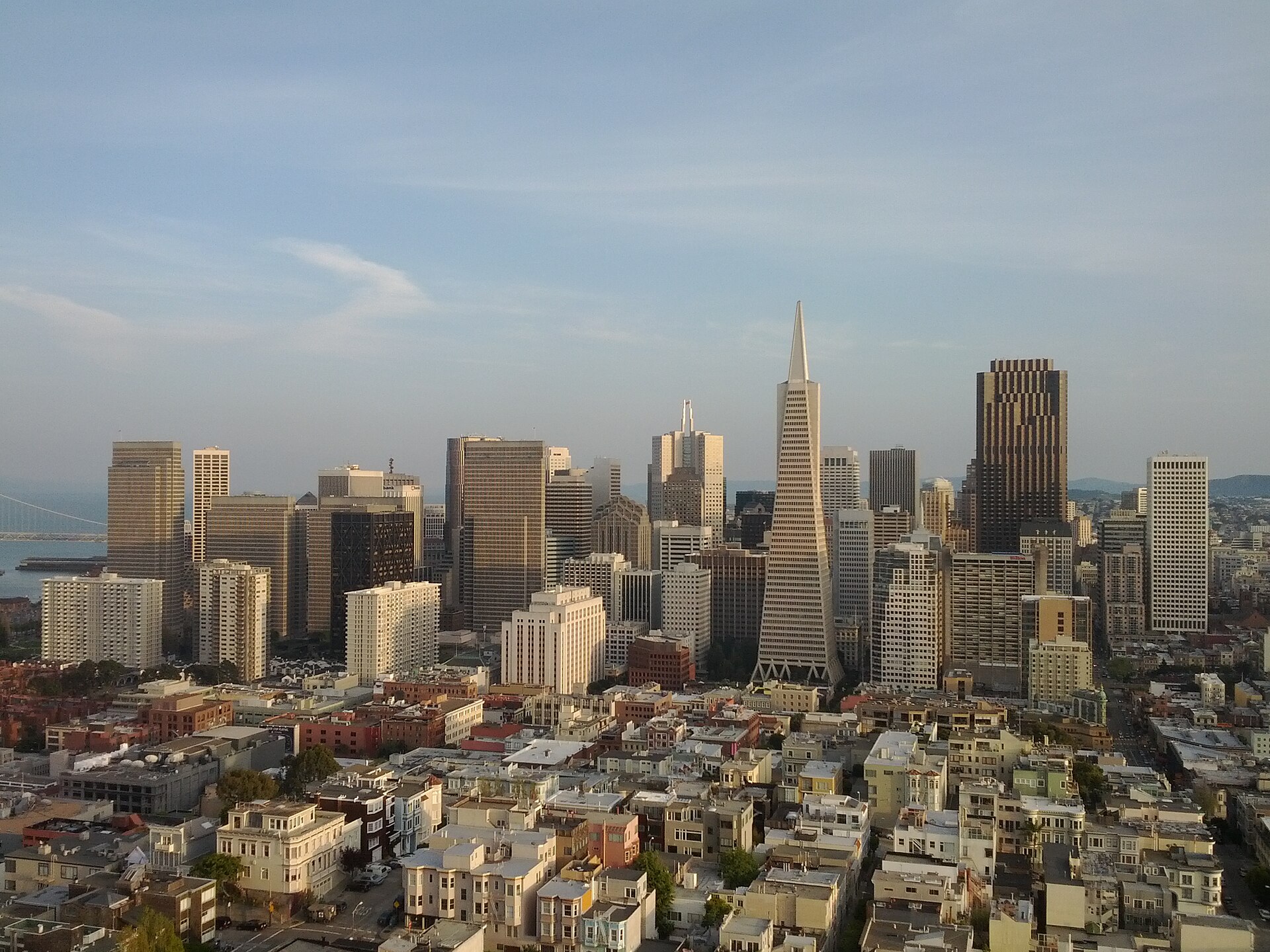
The classic frame is from the bottom (Leavenworth at the foot, shooting up the curves with the garden terraces stacked), the insider frame is from the top (shooting east over the curves to Coit Tower and the bay — the composition that explains why the block exists where it does), and the cable-car frame is the crest arrival with Alcatraz behind. The neighborhood completes it: Russian Hill above is the city's quiet-luxury village — Macondray Lane's wooden stairway (the Tales of the City lane), Polk and Hyde Street's café-and-bookshop tier, the Vallejo Street ridge's secret stairways — and the wharf below connects via the Hyde line's plunge or the Leavenworth walk.
Practicals and fit
Free always on foot (a public street), the Powell-Hyde cable car crests the block, driving is the skippable famous crawl, mornings beat the buses, summer peaks the hydrangeas. Fit: first-trip itineraries (fifteen iconic minutes between wharf and hills), families (the stair climb and the watching-the-cars show), photographers, and cable-car riders — the natural hop-off that turns the ride into the day.
What to expect
The experience
The famous 1000 block on foot — eight brick switchbacks through resident-tended gardens, staircases flanking the curves, and the top-of-block frame of Coit Tower and the bay.
Best time
Mornings before the tour buses for empty frames; summer for hydrangea blue; the Powell-Hyde cable car crests the block for the elegant arrival.
How long
Fifteen iconic minutes, or an hour with the Russian Hill walk above.
Tips
Walk it — the car crawl is the skippable version. The classic photo shoots up from Leavenworth; the insider one shoots east from the top over the curves to Coit Tower. It is a residential street; courtesy is the ticket price.
Quick picks
- Best for
- First-trip itineraries — the fifteen-minute icon that anchors the cable-car day.
- Families
- Stair climbs, garden terraces and the endless show of cars threading the curves.
- Couples
- The crest at dusk — curves, Coit Tower and the bay lights in one frame.
- Pair with
- The Powell-Hyde cable car ride; Russian Hill's Macondray Lane above; the wharf below.
- Time needed
- Half an hour, done right on foot.
Good questions
Why was it built crooked?+
The straight 27-percent cobble grade defeated 1920s cars — resident Carl Henry's 1922 switchback scheme dropped it to a drivable 16 percent, and the leftover triangles became the famous gardens.
Is it really the crookedest in the world?+
Vermont Street in Potrero Hill disputes the geometry, but Lombard wins the beauty contest unchallenged — eight brick curves through hydrangea terraces with the bay beyond.
Should we drive it?+
Only if the queue is short — the 5-mph crawl is the famous but skippable version. On foot the staircases, gardens and both signature views take fifteen better minutes.
Where is the best photo?+
Classic: from the bottom at Leavenworth, shooting up the stacked curves. Insider: from the top, shooting east over the switchbacks to Coit Tower and the bay.
Does the cable car stop there?+
The Powell-Hyde line crests the block at Hyde — the elegant arrival, with Alcatraz behind the curves — making Lombard the natural hop-off between the wharf and Union Square.