San Francisco is compact, about seven miles by seven, yet it feels larger because of its hills and its fragmented geography. The good news is that you do not need a car. A mix of walking, historic transit, buses, rail and ferries covers nearly every sight, and parking in the city is expensive and hard to find. Here is how to put the pieces together.
Walking
Many of the best areas are walkable on their own: Union Square and Chinatown, North Beach, the Ferry Building and the Embarcadero, Fisherman's Wharf, the Mission, the Haight and the Presidio. The challenge is the hills. A route that looks short on the map may include a steep climb, so check the elevation, wear comfortable shoes and take breaks. A trick is to ride transit uphill and walk downhill. The waterfront from the Ferry Building to Fisherman's Wharf is flat and walkable, with plenty to see along the way.
Cable cars
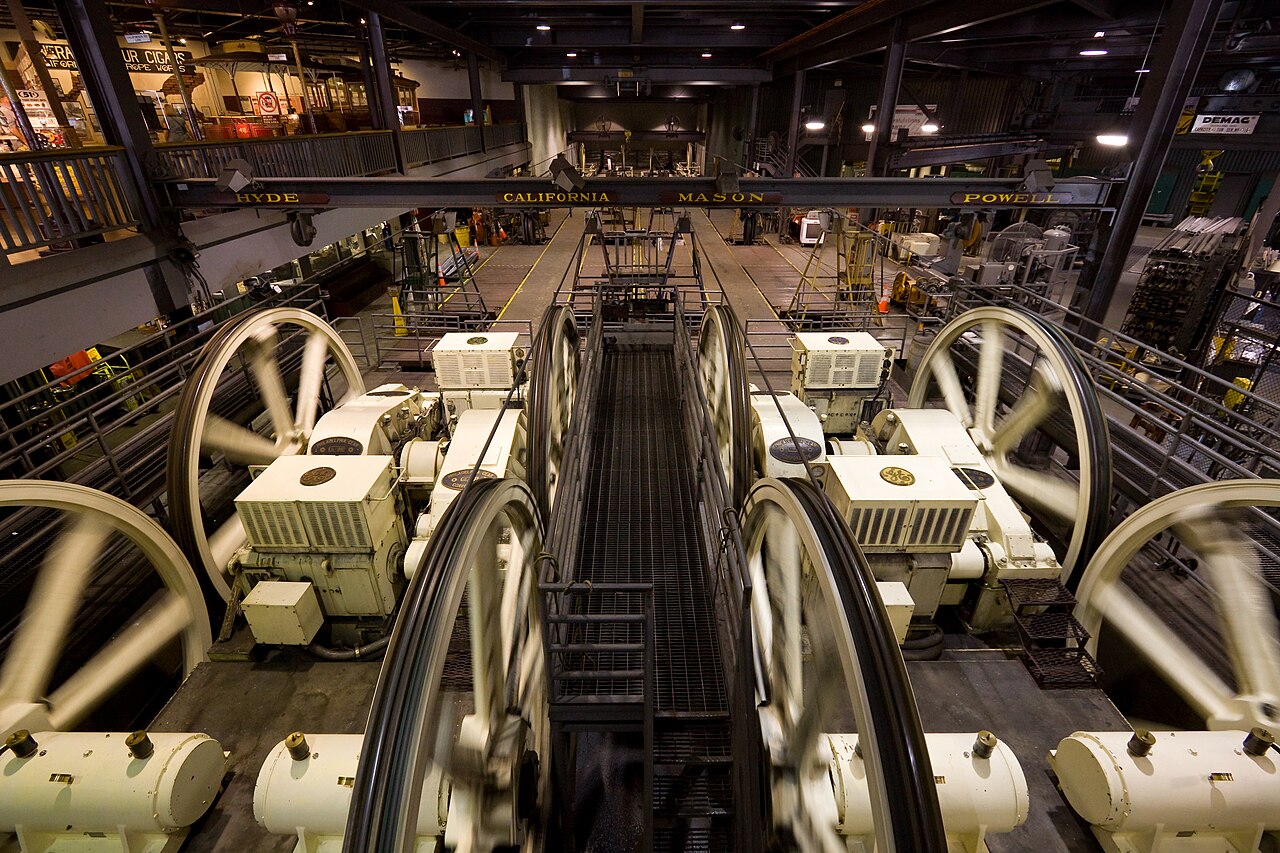
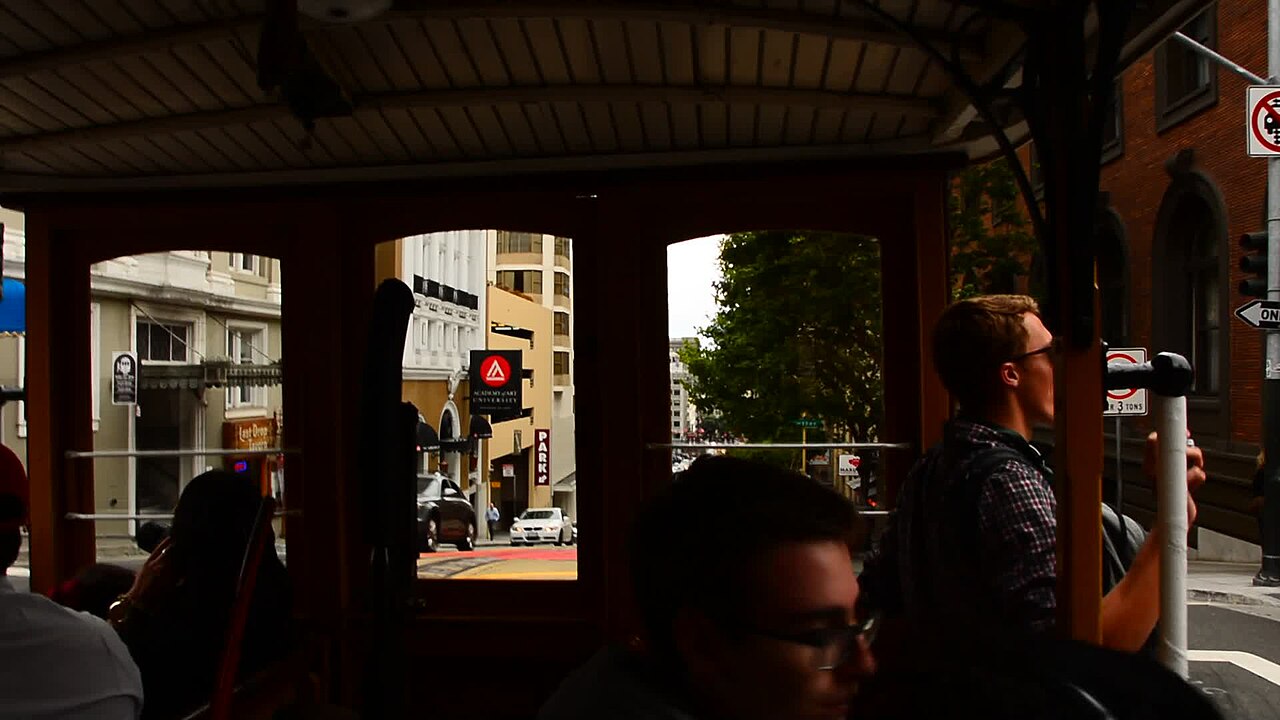
The cable cars are a moving landmark and a working part of the transit system. Three lines run: Powell-Hyde and Powell-Mason from Powell and Market Streets to the Fisherman's Wharf area, and the California Street line across Nob Hill and through the Financial District. Powell-Hyde is the most scenic, with steep hills and bay views. Lines can be long at the turnarounds, especially in summer, so ride early in the morning or board at a mid-route stop. Hold on tight and expect to stand if you board late. A ride is a tourist experience and also practical transport up the hills.
Muni streetcars and buses
Muni is the city's main system, with buses, trolley buses, light-rail Metro lines and the historic F-line streetcars that run along Market Street and the Embarcadero to Fisherman's Wharf. The F-line uses vintage cars from cities around the world and is a fun way to travel as well as a useful one. Muni buses reach the Haight, the Mission, Golden Gate Park and the Presidio. Pay with a contactless card, a transit card or a mobile app, and check the day-pass options if you plan to ride a lot. Allow extra time, because buses can be crowded or delayed.
BART
The Bay Area Rapid Transit trains link the city with the airport, Oakland and Berkeley. Within San Francisco, BART runs under Market Street and down through the Mission, so it is useful for getting to and from SFO and for reaching the Mission District quickly. It does not serve the western parts of the city or the northern waterfront.
Ferries
The ferries from the Ferry Building and Pier 39 cross the bay to Sausalito, Tiburon, Oakland and Alameda, and are among the most pleasant commutes in the world. They are a good way to reach Marin County for a day, and a ferry back from Sausalito completes a classic bike ride across the Golden Gate Bridge. Alcatraz departures use a separate dock and ticketing. Check schedules, because service varies by day and season.
Rideshares and taxis
Rideshares and taxis are widely available and useful at night, with luggage or for reaching places where transit is slow, such as the western neighborhoods. Prices can climb during events and rush hour. If you are going to a ballgame at Oracle Park or a concert at Chase Center, transit is usually faster than a car after the event.
Biking and e-bikes
Cycling is a great way to see Golden Gate Park, the waterfront and the bridge, as long as you are comfortable with hills and traffic. Bike rentals and e-bikes make the climbs manageable, and bike lanes now cover many routes. Wear a helmet, lock your bike securely and never leave bags in the basket.
Driving and parking
If you rent a car for a day trip to Napa, Monterey or Yosemite, pick it up on the day you leave rather than for your whole stay, since hotel parking charges are high and street parking rules are strict. Read signs carefully, curb your wheels on hills and never leave anything visible in a parked car, because car break-ins are a known problem.
Sample combinations
For a first-time day: take the cable car from Powell Street, walk the flat waterfront to the Ferry Building, ride the F-line streetcar to Fisherman's Wharf and finish with a ferry or a cruise. For a neighborhood day: take BART to the Mission, walk to the Castro, bus to the Haight and end in Golden Gate Park. For a view day: take the bus to the Presidio, walk to the bridge and take the ferry back from Sausalito.
Final tips
Download a transit map or app before you arrive, carry a charged phone and keep a layer in your bag. Allow more time than you think you need, especially on hills and in fog. Above all, enjoy the journey: in San Francisco, getting there is often half the experience.