San Francisco's weather surprises almost everyone. The city sits at the tip of a peninsula between the Pacific and the bay, and the interplay of cold ocean water, warm inland valleys and coastal fog produces a climate that is mild, changeable and different from one neighborhood to the next. Understanding it is the key to packing well and planning your days.
The fog has a rhythm
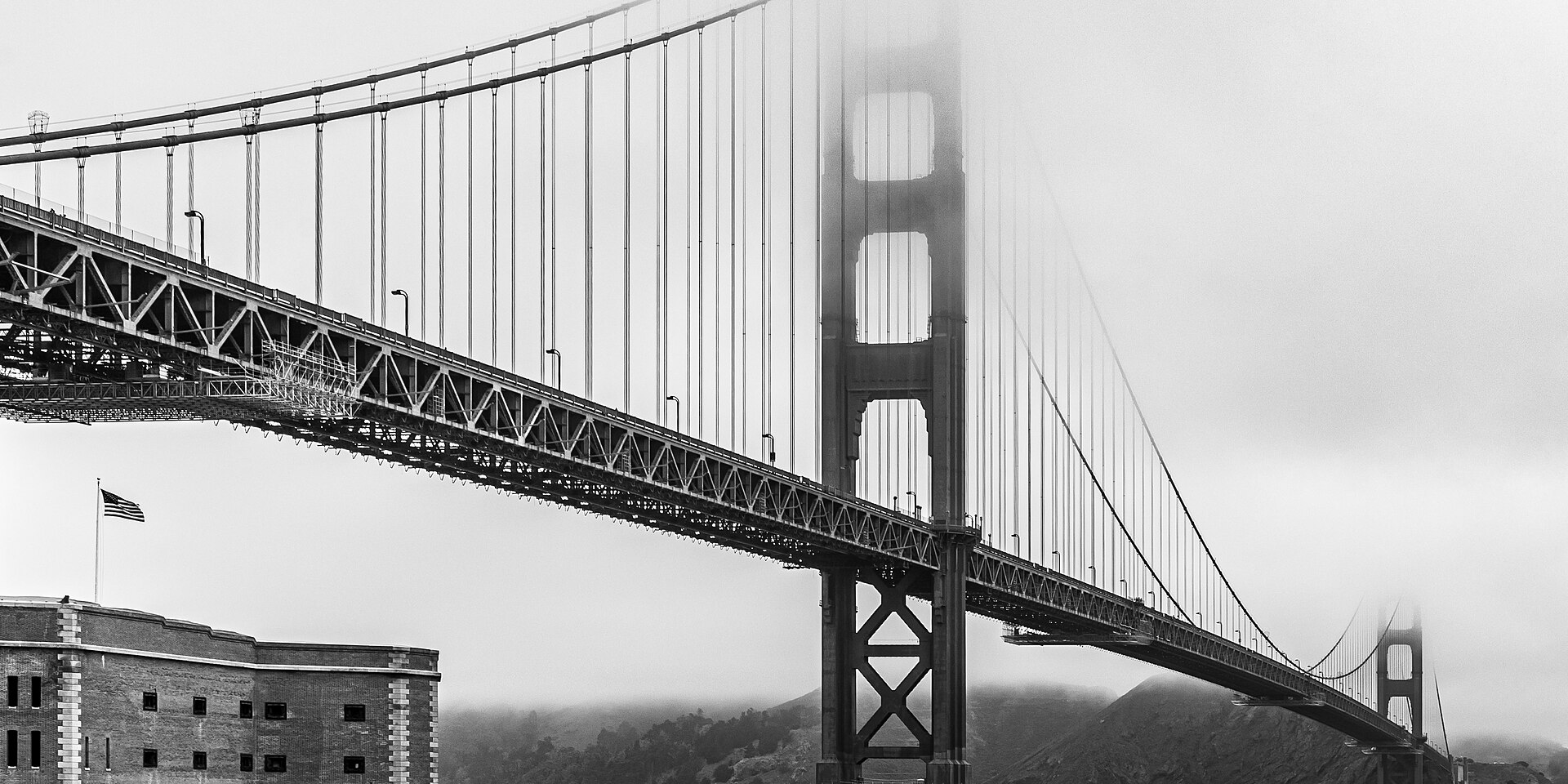
In summer, hot air rises over California's Central Valley and pulls cool, moist ocean air through the Golden Gate. The result is fog that rolls in during the evening, blankets the western and northern parts of the city overnight and often burns back by midday. Locals call it Karl. The Sunset, the Richmond, Ocean Beach, Lands End and the Golden Gate Bridge itself are the foggiest places, while the Mission, SoMa and much of downtown tend to be sunnier and warmer. If you wake to gray skies, check the forecast before you cancel plans, because the clearing may be a few hours away.
Microclimates are real
It can be sixty degrees and sunny at Dolores Park, fifty and windy at the bridge and fifty-five and foggy at the zoo, all on the same afternoon. Plan outdoor sights with this in mind: if the northern waterfront is socked in, head to the Mission or the Castro and return to the bridge later, or switch your museum day to match. Bring a layer even for a short trip across town.
Spring (March to May)
Spring is pleasant and changeable. Days are often clear and mild, with occasional showers, and the hills are green. Crowds are moderate, and it is a good time for walking, gardens and the Presidio. Pack light layers, a waterproof shell and comfortable walking shoes.
Summer (June to August)
Contrary to what most visitors expect, this is the coolest and foggiest part of the year, especially along the coast and the bridge. Days can be breezy and gray, and evenings are chilly. It is also the busiest tourist season, so book popular tickets like Alcatraz well ahead. Pack long trousers, a warm jacket or fleece, a scarf and a windproof outer layer. Sunscreen and sunglasses are still useful, because the sun is strong when the fog lifts.
Early autumn (September and October)
These are the warmest, clearest months, with the best chance of bridge views, sunny afternoons and calm bay water. They are an excellent time for cruises, sailing, hikes and cycling. Pack shorts or a short-sleeved shirt for sunny hours, but still carry a sweater or light jacket for the evenings, which cool quickly.
Winter (November to February)
Winter is the rainy season, though rain tends to come in bursts rather than weeks of gray. Temperatures stay mild, rarely near freezing, and clear days after a storm can be spectacular, with crisp air and sharp views. Crowds are lighter and hotel rates are often lower outside the holidays. Pack a waterproof jacket, an umbrella that can handle wind, and shoes that tolerate wet sidewalks.
What to pack year-round
The simplest rule is to dress in layers: a T-shirt or light shirt, a sweater or fleece and a windproof or waterproof jacket. Comfortable shoes are essential, because the city is hilly and many of the best sights are best reached on foot. A small day bag lets you add and remove layers during the day. Sunglasses, a hat and sunscreen help on clear days. If you plan to go out on the water, add a hat that will stay on, gloves for cold mornings and a warm scarf.
Planning around the weather
Use fog to your advantage. On clear mornings, do your viewpoints and outdoor activities first, such as the Golden Gate Bridge, Twin Peaks or a walk through the Presidio. On foggy mornings, start with museums, markets or food tours, and return to the viewpoints later. Check the forecast the night before, but also look out the window, as conditions can change by the hour.
Day trips and the wider Bay Area
The weather inland and to the south often contrasts with the city. Napa and Sonoma can be hot in summer, while Muir Woods is cool and shady. Santa Cruz and Monterey can be cooler or foggier than the city or warmer, depending on the day. Pack for the destination, not just for San Francisco, and bring a spare layer in your day bag.
A note on air and light
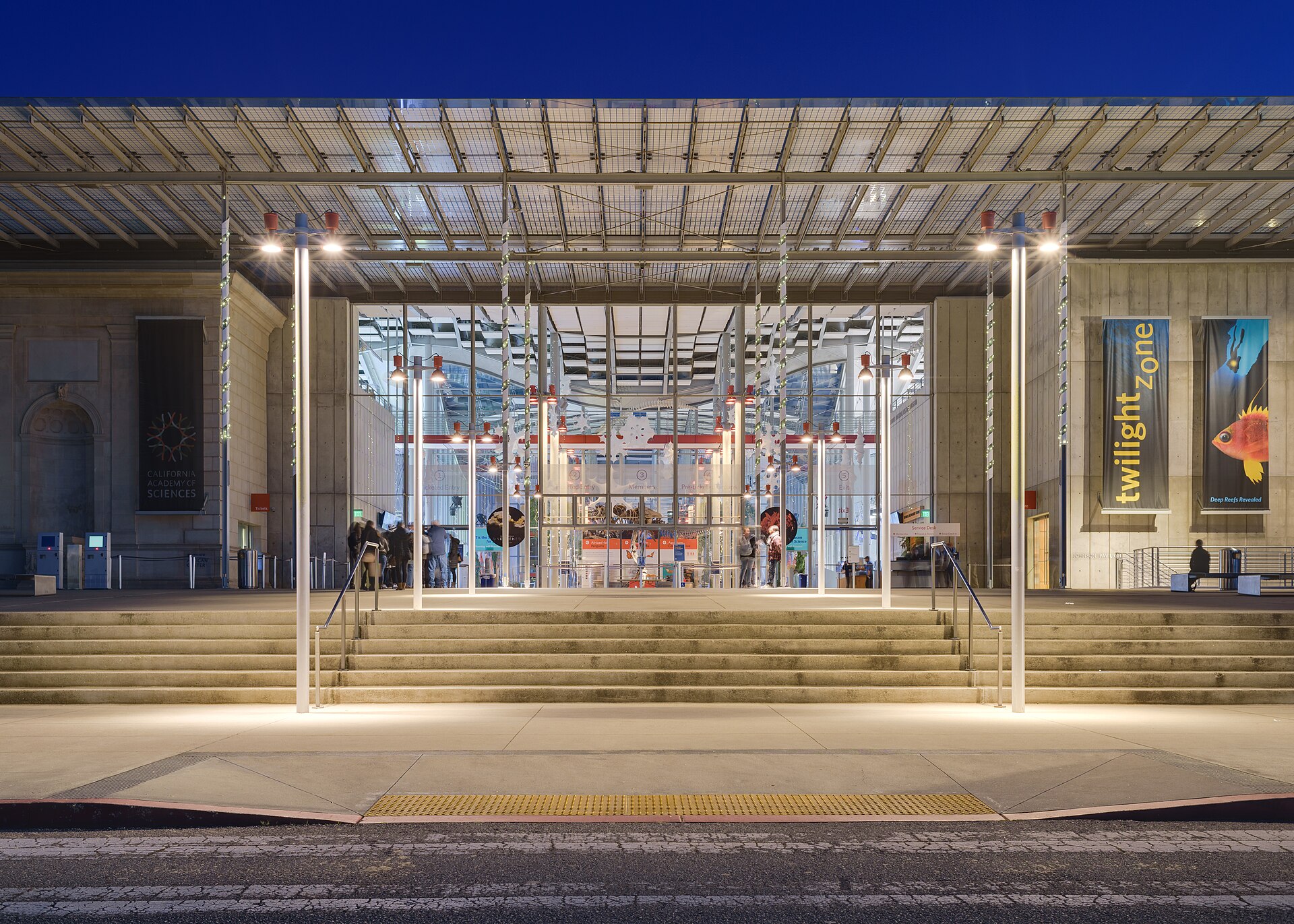
Occasionally, wildfire smoke from elsewhere in California can reduce air quality and visibility, especially in late summer and autumn. If that happens, check local air-quality reports and shift your plans to indoor attractions such as the California Academy of Sciences, the Exploratorium and the city's museums.
With these basics in mind, San Francisco's weather turns from a surprise into an advantage. Pack your layers, keep a flexible schedule and enjoy a city that looks different every hour.