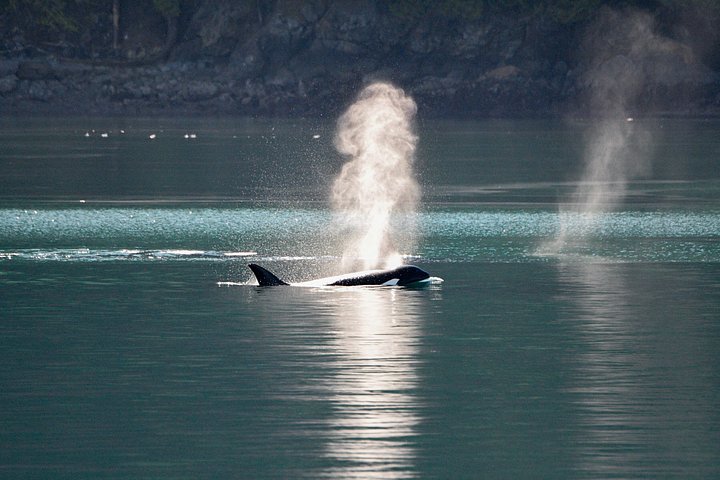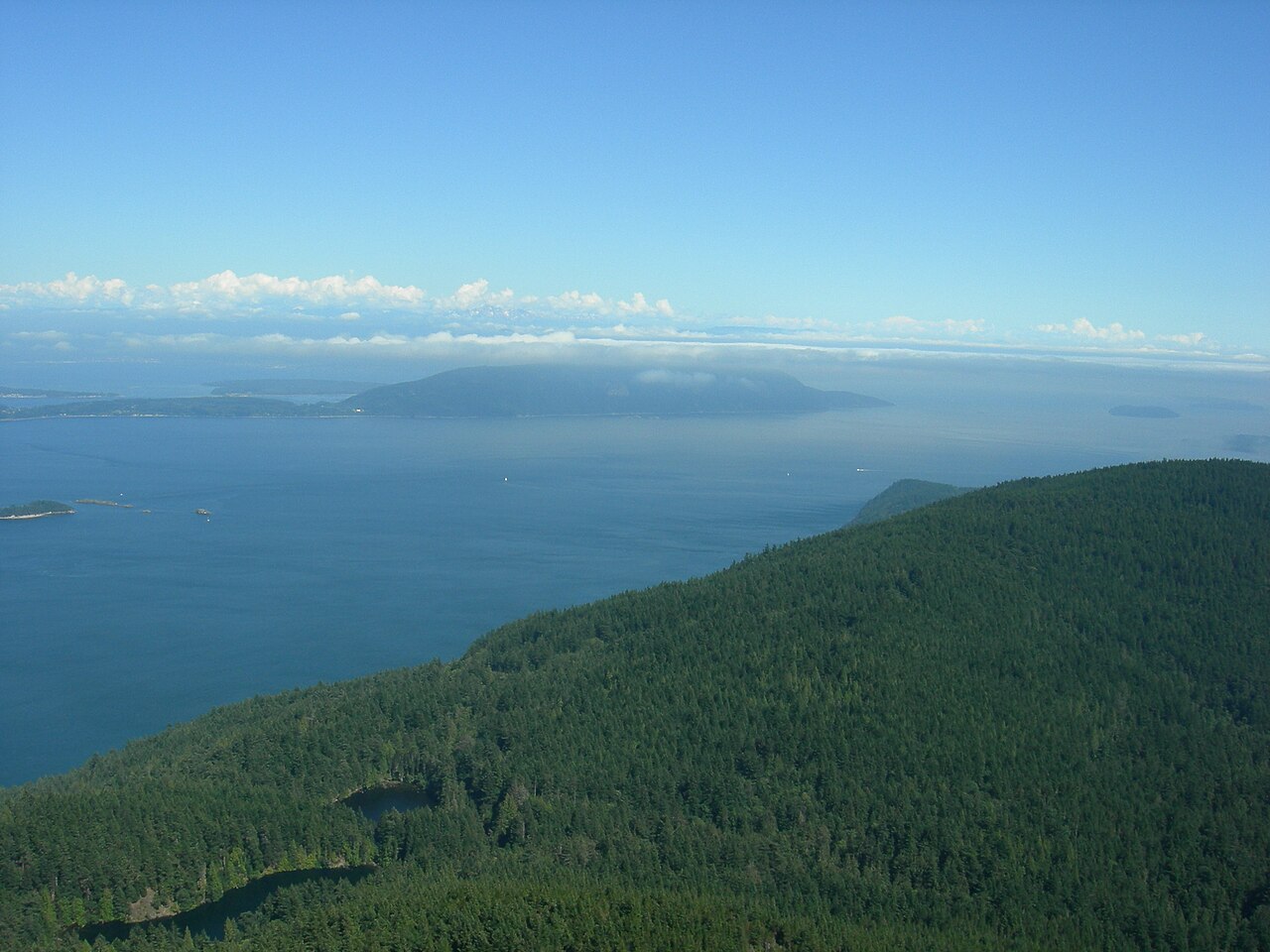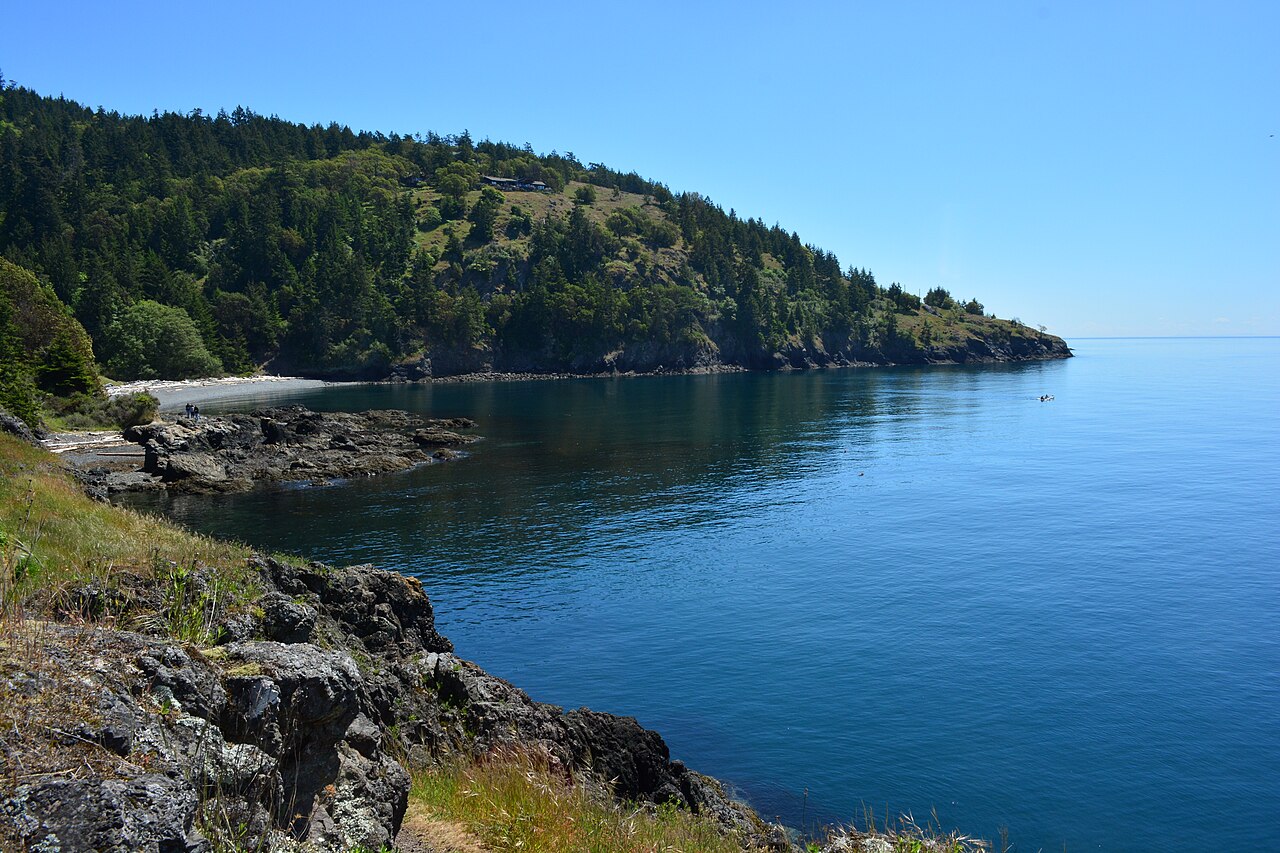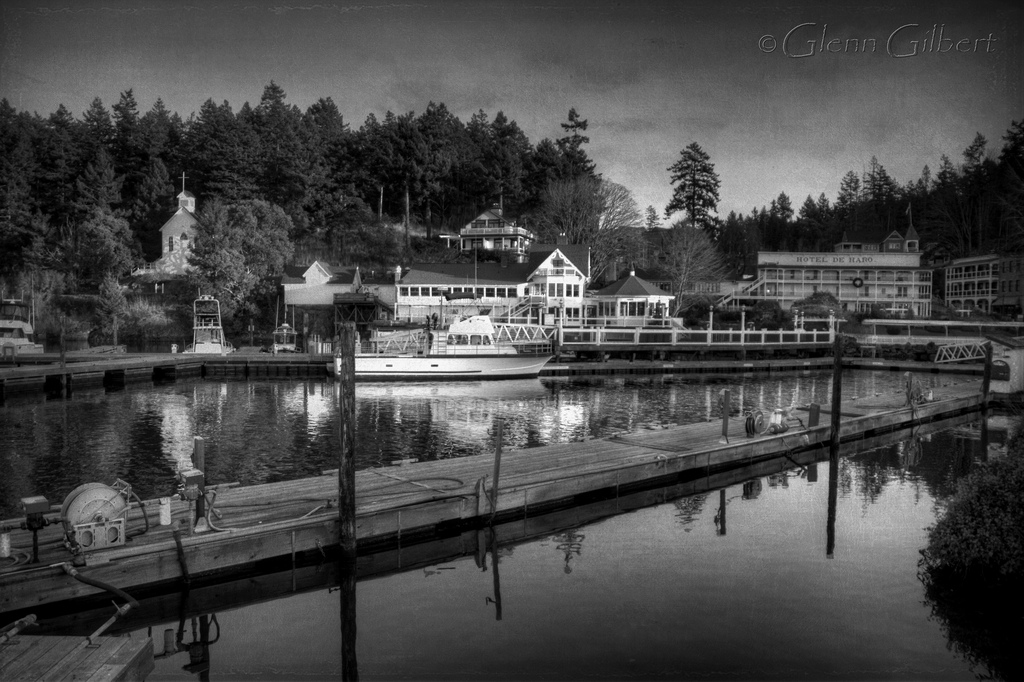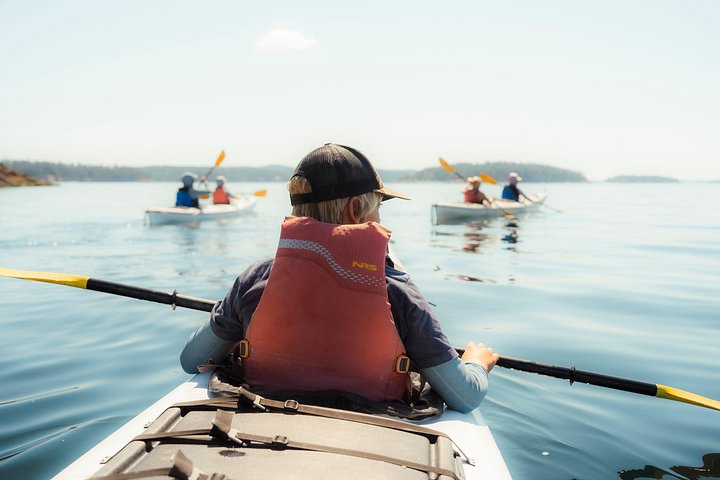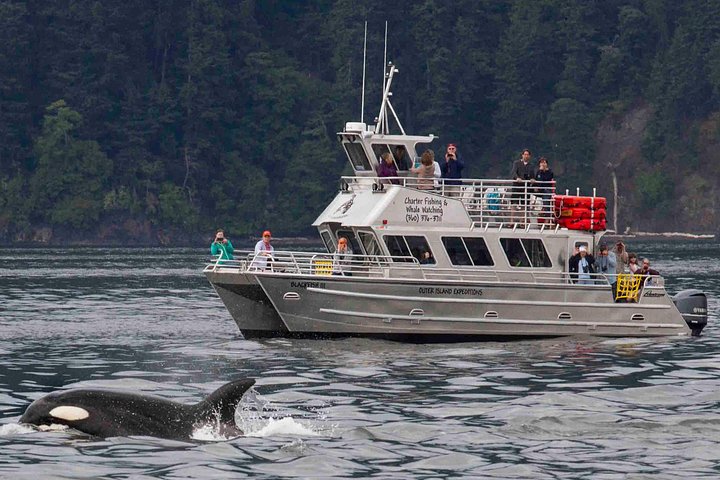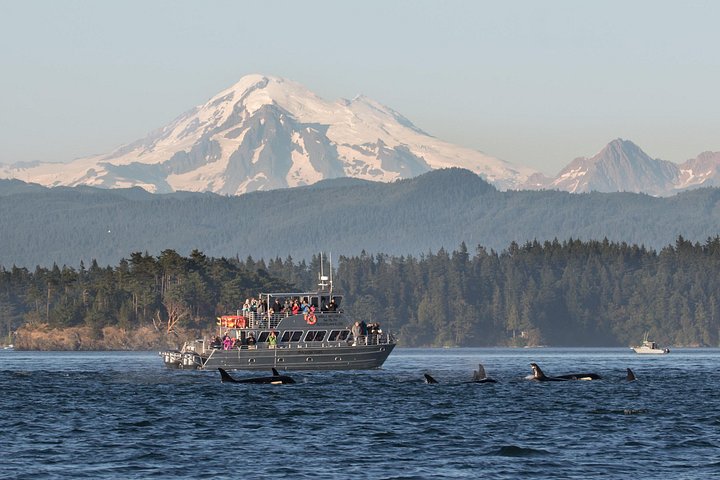
Orcas Island, the largest of the San Juans and the one with the mountain, is a different kind of base for whale watching. Where Friday Harbor is a bustling working harbor, the Orcas departure points feel quieter and more rural, set among coves and ferry landings on a peaceful shoreline. This tour leaves from Orcas Island and heads out into the open channels east and south of the island, covering waters that are also visited by boats from neighboring ports. Passengers are taken out for a few hours in search of the animals that gave the island its name, though the island is actually named for a Spanish viceroy rather than for killer whales, a piece of trivia that surprises many visitors. Out on the water you may meet Bigg's killer whales, humpbacks, minke whales, Dall's and harbor porpoises, harbor seals and Steller sea lions, with bald eagles and seabird colonies along the rocks. The same operator group lists departures from Orcas Island and Anacortes, so the choice of port depends mostly on where you are staying. If your lodging is on Orcas, leaving from the island saves a ferry transfer and a long drive, and it makes a very relaxed day: coffee in Eastsound or at the landing, a short drive to the dock, then back for lunch and a swim or a hike before dinner. The trip suits anyone who wants wildlife without the bustle of the busiest harbor town.
A realistic view of the whales helps. The Southern Resident population has declined over recent decades, and the number of days they spend in the central islands varies from year to year. Bigg's killer whales, the mammal-eating ecotype, are now the more reliable sightings, and watching them hunt harbor seals or porpoises is a very different spectacle from the leisurely salmon-chasing of the residents.
Humpbacks are the new stars of the strait: after near-extinction from commercial whaling they have returned to the Salish Sea in notable numbers, often feeding and fluking in view of the boat. A good naturalist will explain what you are seeing, from dorsal fin shapes to breathing patterns, and will help you tell one animal from another.
Conditions on the water vary with tide and wind. Currents funnel through narrow passes, and the boat may travel a good distance if the animals are far off. Dress as though you were going to a cold, breezy beach, even in summer, and carry rain gear in the shoulder months. Bring a phone with a waterproof pouch if you can, sunscreen for the reflected glare, and snacks.
Check what the vessel offers in terms of restrooms, covered seating and a galley. Because the departure is from a small island dock, arrive early, allow time for the island's narrow roads and ferry schedules if you are traveling from another island, and have your confirmation handy.
Fit and pairing
Couples and families, nature lovers and photographers will get the most from it. Combine it with a morning on Mount Constitution, an afternoon in the village of Eastsound, or a quiet evening at one of the island's waterfront restaurants. If you are staying on San Juan Island instead, compare this trip with the Friday Harbor departure and choose whichever fits your ferry and schedule. Always confirm the departure port, time and any seasonal restrictions when you book, because product names across several ports are similar.
What to expect
The experience
A naturalist-guided wildlife cruise departing from Orcas Island and exploring the channels around the central San Juans.
Best time
May to September for the most reliable wildlife; summer mornings are often calmest.
How long
Allow three to four hours including boarding.
Tips
Confirm the departure dock, dress for cold wind on the water and bring binoculars. Allow time for island roads and ferries.
Quick picks
- Best for
- Visitors staying on Orcas Island who want a relaxed whale watching day.
- Families
- Works well for school-age children and teens who enjoy animals.
- Couples
- A quiet alternative to the busier Friday Harbor departures.
- Pair with
- Mount Constitution, Eastsound village or a sunset dinner.
- Time needed
- A half day.
Good questions
Is Orcas Island named for killer whales?+
No. The island is commonly said to be named for a Spanish viceroy, not for the whales, though orcas are very much a part of its waters.
What animals might I see?+
Killer whales, humpbacks, minke whales, porpoises, harbor seals, Steller sea lions, bald eagles and seabirds are all possible.
Where does the tour leave from?+
It departs from Orcas Island. Related products depart from other ports, so check the departure point when you book.
What should I wear?+
Layers, a windproof jacket, a hat and sunglasses. The water is cooler and breezier than the land, even in July.
Can I do this without a car?+
Many visitors reach Orcas by ferry and rely on taxis, rideshares or rentals. Check transfer options with your lodging before you go.