San Miguel de Allende sits at high altitude in the Guanajuato highlands, so its climate is milder and drier than many visitors expect from Mexico. There is no single perfect month, because each season brings a different mood. This guide walks through the year in general terms, looks at festival periods and crowds, and helps you match the time of your trip to what you want to do.
Dry season: the most comfortable months
From roughly late autumn through spring the weather is usually dry, with sunny days and cool to cold nights. This is the season for long walks in the historic centre, for horseback riding and for visits to Atotonilco, Cañada de la Virgen and Mineral de Pozos. Mornings and evenings can be chilly, so bring a jacket, and in the coldest weeks a hotel with a fireplace or heating is a real advantage. Casa de Sierra Nevada, with wood-burning fireplaces in every room, is a natural fit.
Spring: warm days and bright light
As the season warms, afternoons become hot and dry, and the light turns golden and intense. It is an excellent time for photography on the Jardín Allende, and for pool days at hotels with good outdoor spaces. Hats, sunscreen and a refillable bottle matter more than usual, and sightseeing is most pleasant early and late in the day. The hot springs at La Gruta are especially appealing in the cool of the early morning.
Rainy season: green, quieter and showery
Through the summer months the landscape turns green and afternoons often bring short, heavy showers, usually followed by clear evenings. Many travellers find this a lovely time to visit, with fewer crowds and a fresh feel to the gardens at El Charco del Ingenio. Plan outdoor activities for the morning, carry a light rain jacket and expect cobbles to be slippery. Check forecasts before a trail ride or a trip to uneven sites such as ruined mines.
Independence season: loud, festive and crowded
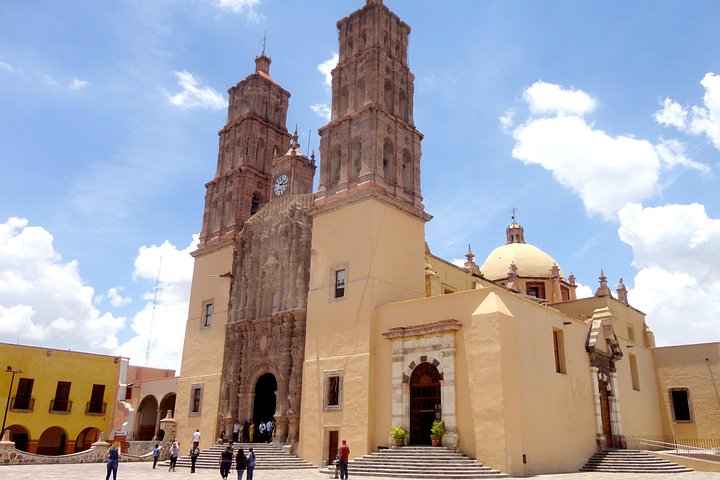
September is the national month of patriotism, and San Miguel, as the birthplace of a hero of independence, is one of the best places to experience it. Around the independence holiday the main square fills with flags, music and fireworks, and nearby Dolores Hidalgo, where the Grito was raised, holds major celebrations. Late September also brings the festival of the town's patron, Saint Michael, with processions and lively street events. Book hotels well in advance, expect crowds, and be flexible with transport.
Day of the Dead and the autumn festivals
Early November brings one of Mexico's most beautiful traditions, with altars, marigolds, candlelit processions and special walking tours. Cemetery visits and evening events are moving rather than macabre, and the town is atmospheric. Remember that cemeteries are places of mourning for families, so be respectful with photography. This period is popular, so reserve rooms and tours early.
Christmas and Holy Week
The festive period at the end of the year brings lights, posadas and a steady flow of visitors, with some of the town's prettiest evenings and some of its highest hotel demand. Holy Week in spring is another major period, with solemn processions and large crowds, and many Mexican families travel. If you want quiet streets, avoid these dates, but if you love tradition, they reward planning.
Weekdays versus weekends
Weekends fill with visitors from Mexico City and elsewhere, which means livelier plazas and busier restaurants, but also higher demand for rooms and tours. For quiet visits to the Parroquia, the alleys and Parque Juárez, aim for weekday mornings. For atmosphere, a Saturday evening on the main square is hard to beat.
What to pack
Layers are the key, because days and nights can differ sharply. Bring comfortable shoes with grip for the cobbles, a hat, sunscreen, a light rain jacket for the wetter months and something warm for evenings. Carry a refillable bottle, and remember that the altitude can make you feel tired or thirsty on your first day, so pace yourself.
Choosing quickly
For comfortable weather and outdoor activities, choose the dry months. For green scenery and fewer crowds, choose the rainy season. For festivals, choose September, early November or the end of the year, and book early. For the best value on rooms, consider shoulder periods when demand softens. Whatever the date, check opening days for museums, gardens and the hot springs, as some close one day a week, and confirm details before you go, since conditions change. If you are undecided, the weeks just either side of the busy festival periods often combine good weather with calmer streets and softer hotel demand.