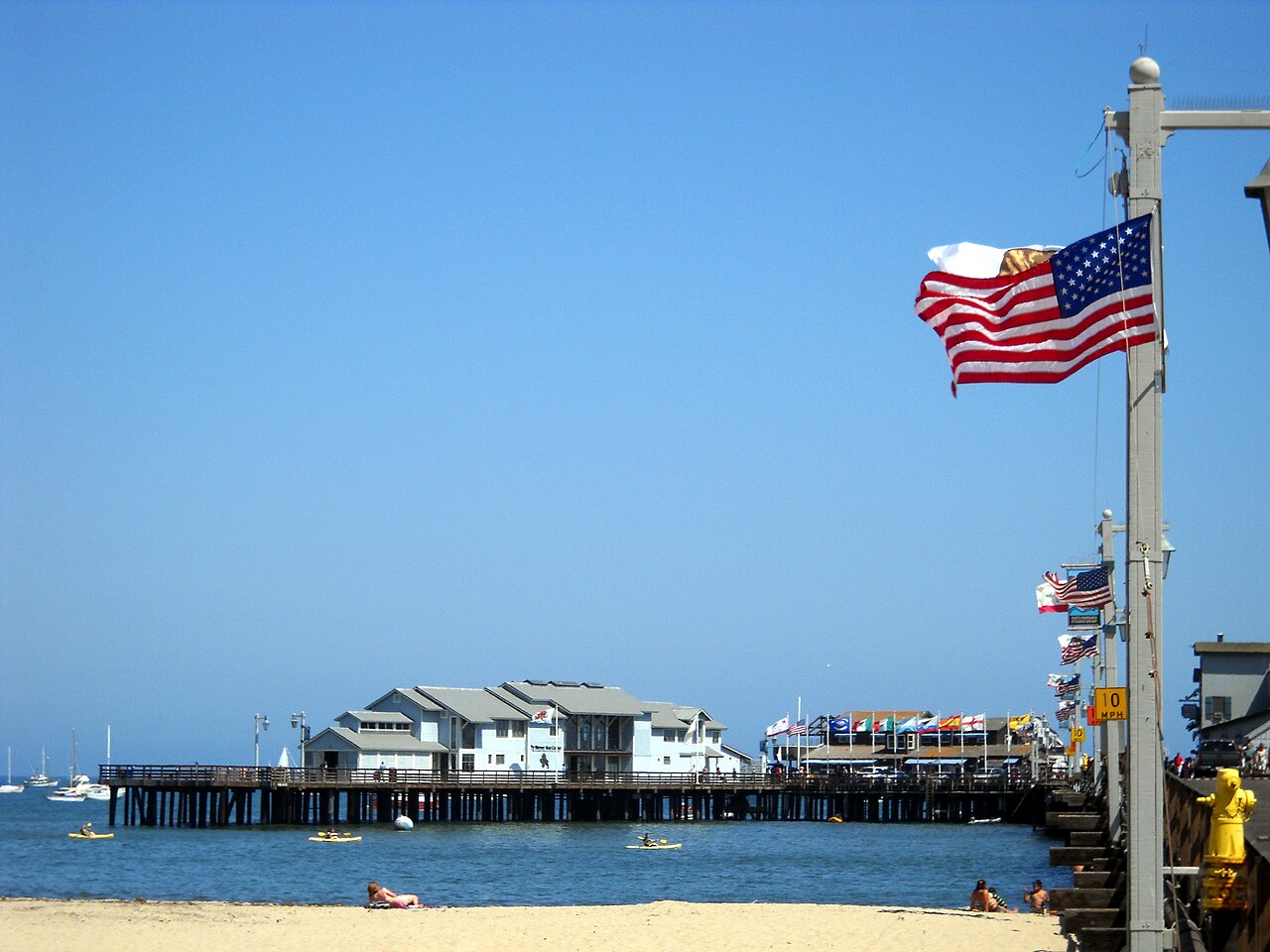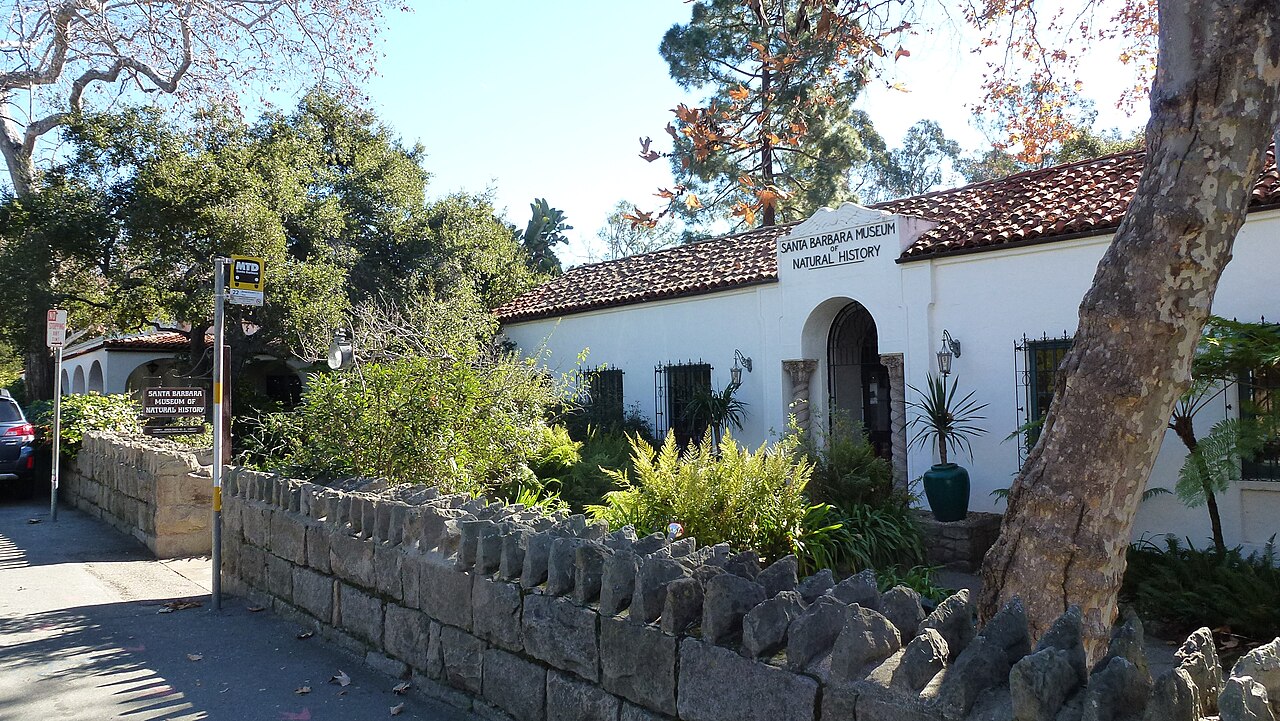
The Santa Barbara Museum of Natural History is the best introduction to the land and sea you came here to see, and it is a pleasure to visit in its own right. The main campus sits a few minutes' walk above the Old Mission, its Spanish-style buildings spread under oaks beside Mission Creek, and you know you have arrived when you see the life-size blue whale skeleton at the entrance — the museum's emblem and the obligatory photo. Inside, exhibit halls are devoted to the region's natural history: birds and insects, mammals and marine life, paleontology and the geology that built the coast, and some of the most important exhibits on Chumash culture anywhere, explaining the people who lived on these shores and the Channel Islands for thousands of years. There is antique natural history art, a planetarium, and seasonal programs such as the Butterflies Alive pavilion. The museum is open Wednesday through Monday from 10am to 5pm and closed on Tuesdays; its sibling, the Sea Center on Stearns Wharf, is open daily with the same hours and puts touch tanks and live marine animals at the end of the pier. Together they make a two-site day: dry land in the canyon, the ocean on the wharf. For families, it is a top rainy-day or hot-day refuge; for anyone heading to the Channel Islands, it is the ideal briefing before the boat.
The museum grew out of a local passion for natural history that dates to the early twentieth century, and it remains a research institution as well as a public museum, with collections that scientists use to study the region's plants, animals and cultural history. That depth shows in the galleries: the Chumash halls are built on long scholarship and partnership, with artifacts, a full-size plank canoe tradition, and context for the rock art and village sites found across the county. The bird and mammal halls use classic dioramas, the insect and marine sections are hands-on and kid-friendly, and the paleontology displays bring the Channel Islands' unusual past — including the dwarf mammoths that once lived there — into focus.
Planning: allow two hours for the main museum, plus time on the outdoor grounds along the creek. Remember the Tuesday closure at the main campus (the Sea Center stays open daily). Check the calendar before you go: the museum runs planetarium shows, talks, and seasonal events — this autumn, an outdoor Fall Tasting Festival for over-21s on November 7. Free-admission days come up a few times a year, such as World Oceans Day at the Sea Center. The campus has its own parking, and the walk from the Old Mission takes about five minutes.
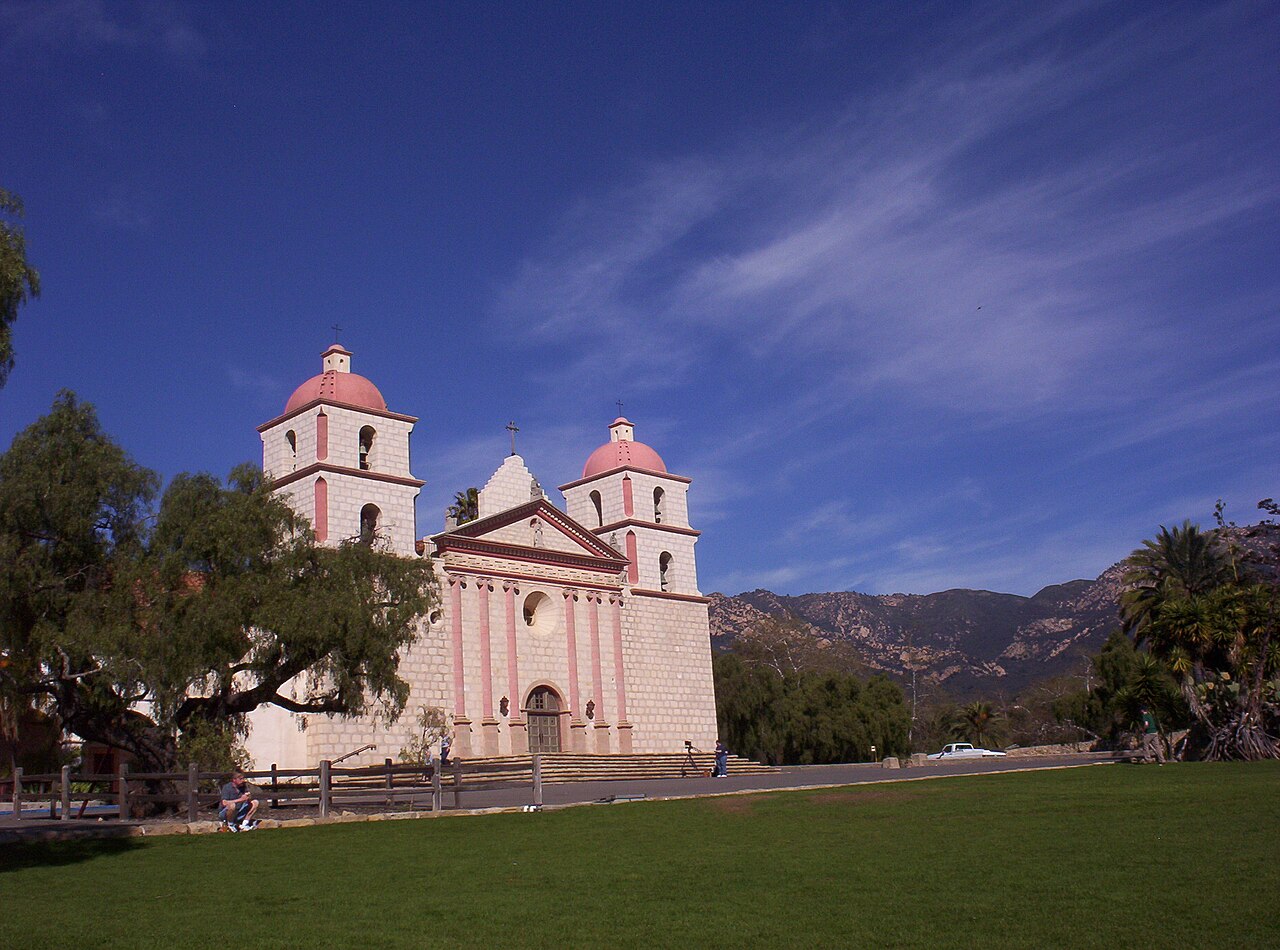
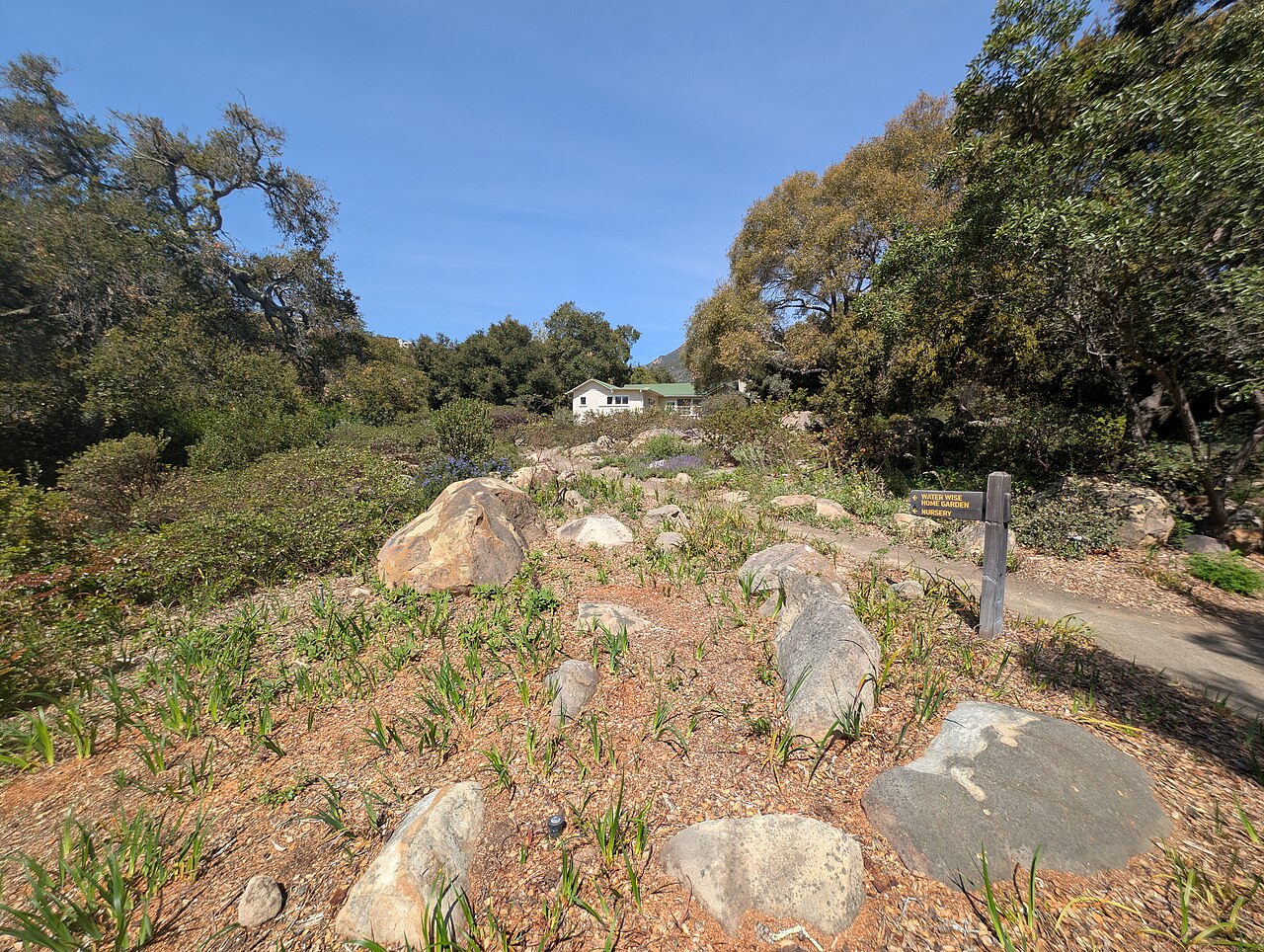
Pairing: on the canyon side, combine with the Old Mission and the Botanic Garden for a full Mission Canyon day. On the waterfront side, the Sea Center makes the wharf a family destination. And before a Channel Islands crossing, an hour in the Chumash and island halls turns the boat trip from scenery into story — you will look for the foxes, the kelp and the shell middens with new eyes.
What to expect
The experience
A creekside campus of exhibit halls on regional wildlife, marine life, paleontology and Chumash culture, a planetarium and outdoor grounds, plus the Sea Center touch tanks on Stearns Wharf.
Best time
Weekday mornings; the main museum is closed Tuesdays. The Sea Center opens daily.
How long
About two hours for the main campus.
Tips
Walk up from the Old Mission. Check the calendar for planetarium shows and seasonal exhibits. Visit before a Channel Islands trip. Remember the Tuesday closure.
Quick picks
- Best for
- Families and curious travelers who want to understand the coast, the islands and the Chumash.
- Families
- Excellent — a giant whale skeleton, dioramas and hands-on halls, plus the wharf touch tanks.
- Couples
- A relaxed creekside museum morning before lunch in town.
- Pair with
- The Old Mission and Botanic Garden in Mission Canyon, or the Sea Center on the wharf.
- Time needed
- Two hours.
Good questions
When is the museum open?+
The main museum is open Wednesday through Monday, 10am to 5pm, and closed Tuesdays. The Sea Center on Stearns Wharf is open daily, 10am to 5pm.
What is the Sea Center?+
The museum's marine science center at the end of Stearns Wharf, with touch tanks and live marine animals — a short, high-impact stop for families.
Is the museum good for kids?+
Very — the blue whale skeleton, dioramas, hands-on halls and outdoor creekside grounds keep children engaged, and the Sea Center adds touch tanks.
How close is it to the Old Mission?+
About a five-minute walk up Mission Canyon. The two pair naturally, with the Botanic Garden a short drive farther up the canyon.
Does it cover the Chumash?+
Yes — its Chumash halls are among the most important anywhere, explaining the people who lived along this coast and on the Channel Islands for thousands of years.